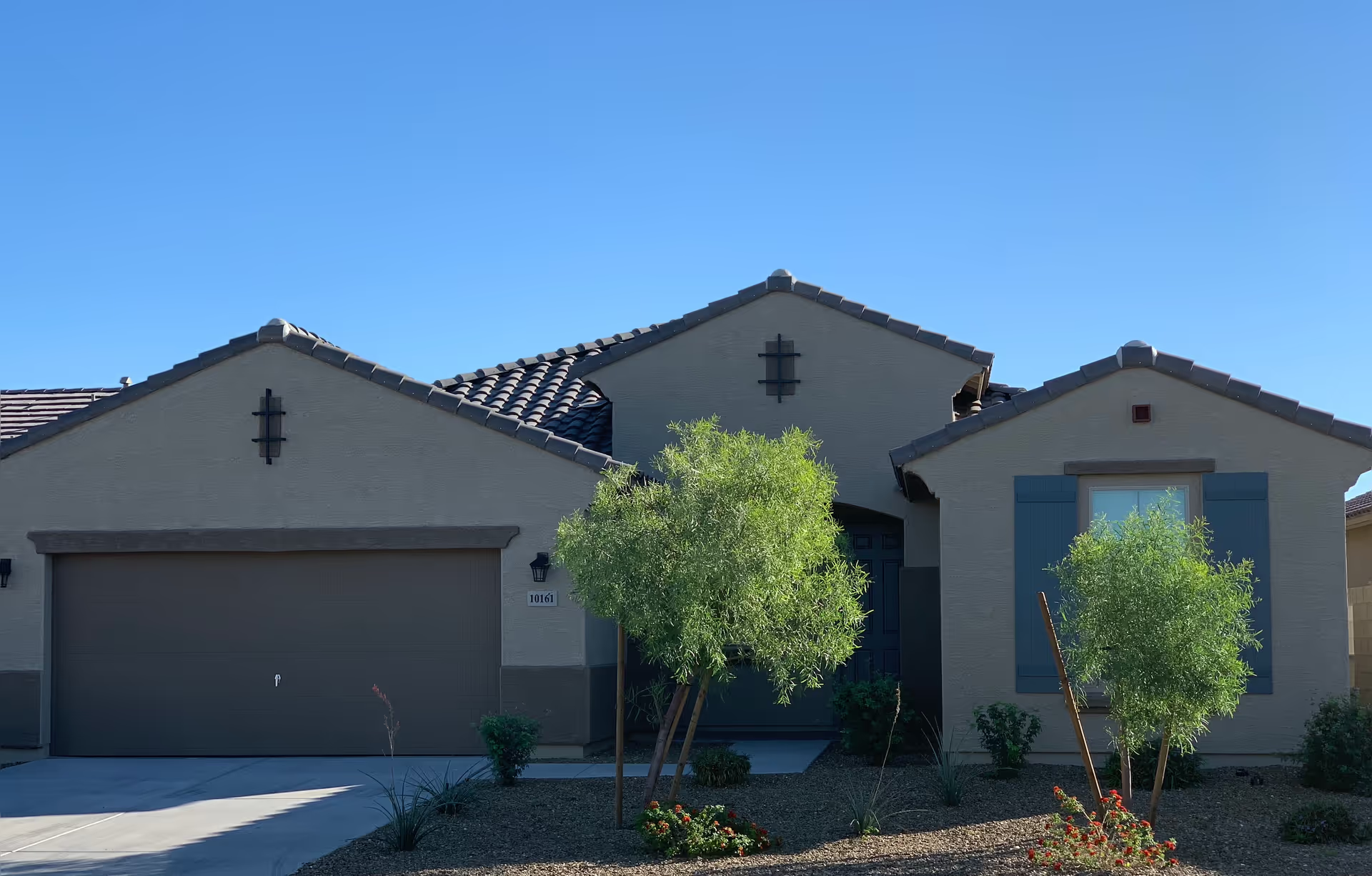
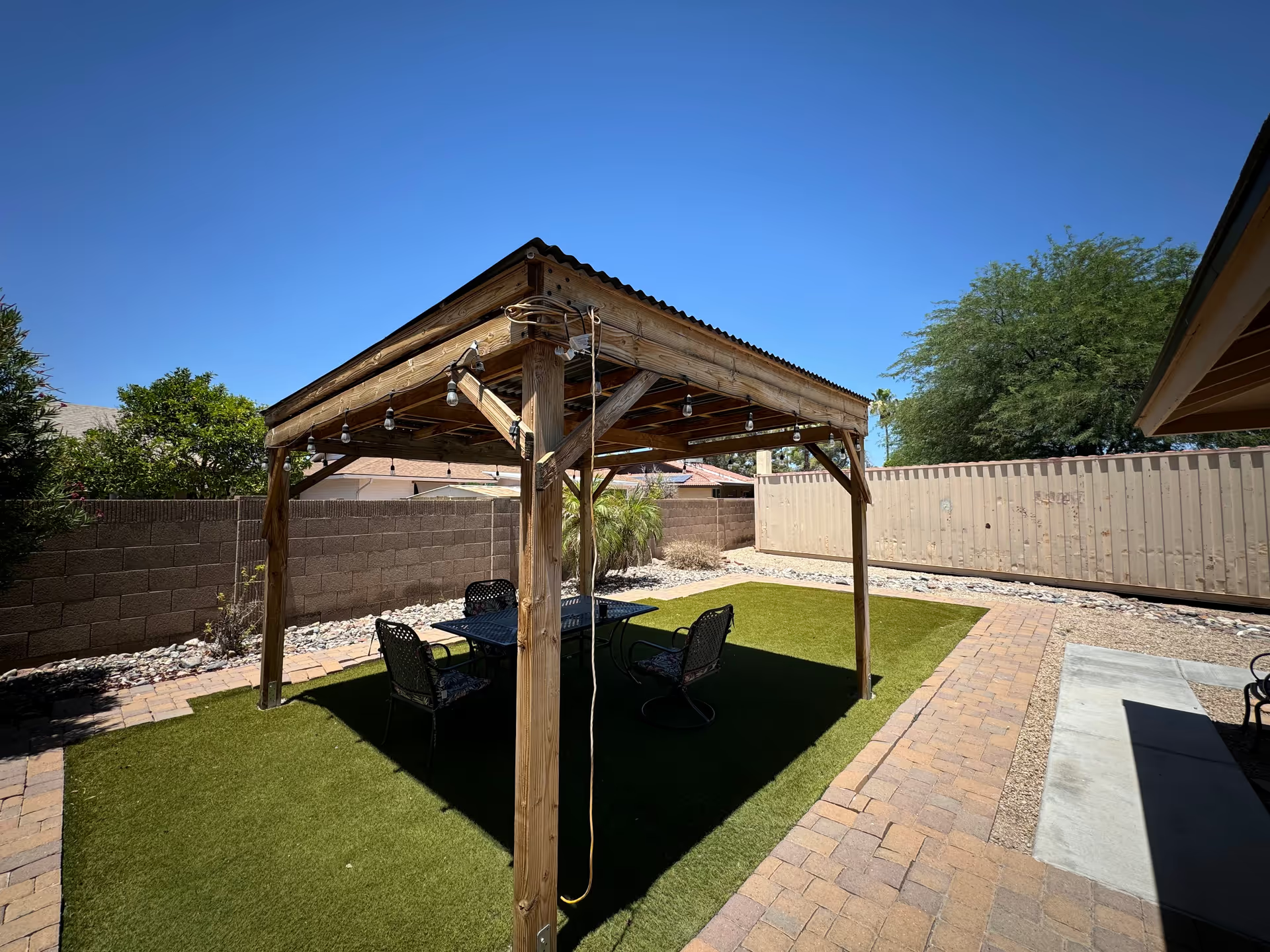
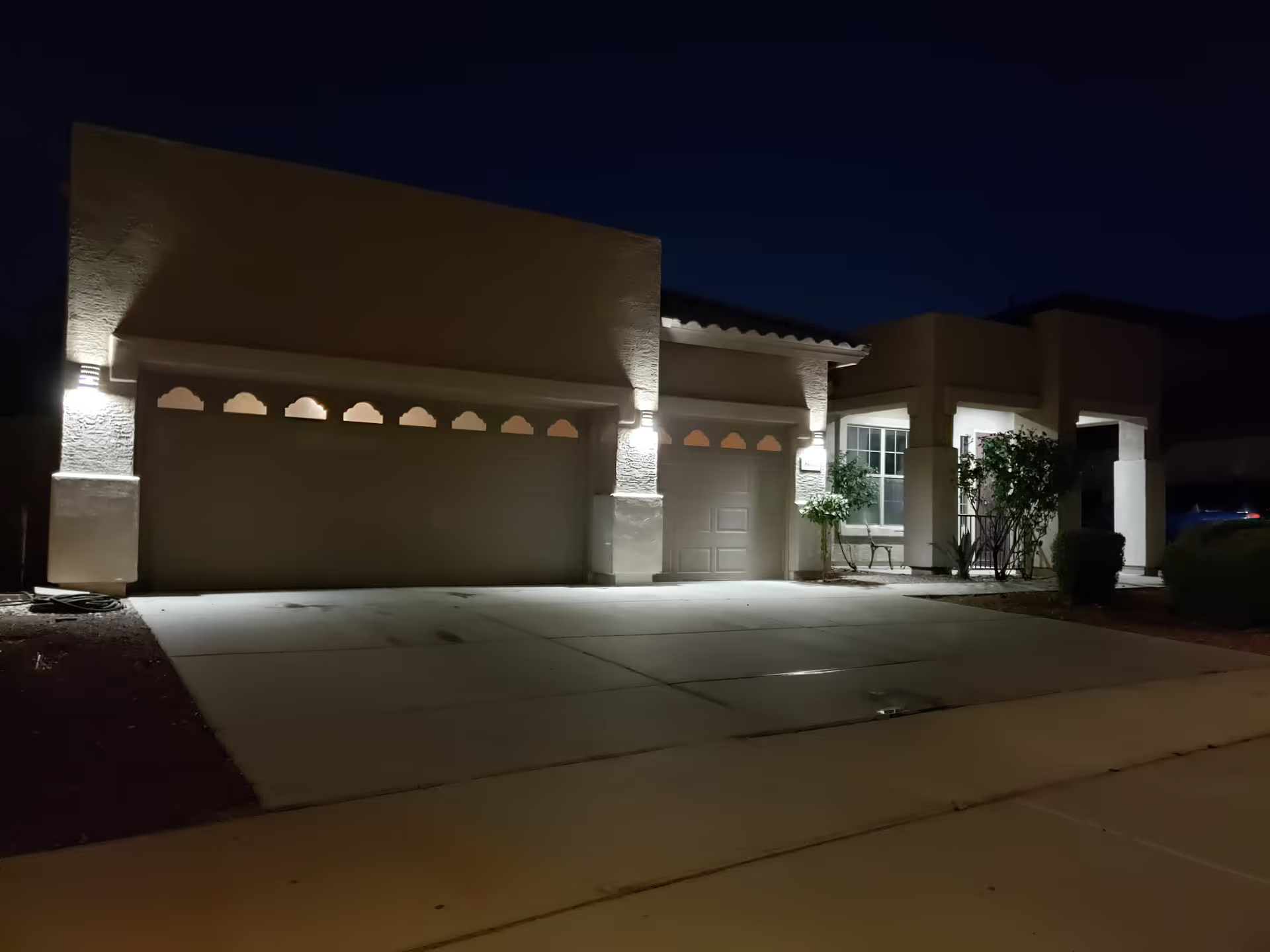
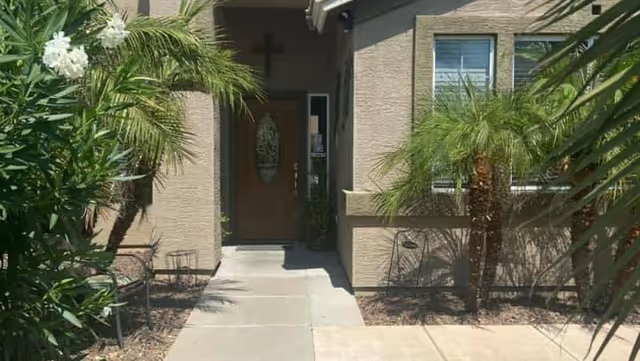
Orchid Residential Care elicits strongly mixed impressions from reviewers. Positive comments emphasize a small, well‑maintained facility with private and semi‑private room options, handicap‑accessible accommodations, an outdoor backyard and patio near a park, and regular home‑style meals. Clinical supports include certified caregiving staff and monthly visits from a nurse practitioner; these elements contribute to perceptions of individualized attention and reliable basic care for some families.
Dining and daily life are described fairly positively by a number of reviewers: three home‑cooked meals are provided and some observers characterize the food as nutritious and adequate. The facility runs on‑site activities such as walks and in‑house programs, which some residents and families find beneficial. However, activity programming appears limited in scope and frequency; reviewers noted a lack of off‑site outings and a narrower variety of engagement options than might be expected at larger communities.
Several operational concerns recur across comments. Cleanliness and sanitation standards are inconsistent according to differing accounts, and some families reported challenges obtaining timely, transparent information from management. There are also recurring statements expressing concern about staff conduct and communication tone; these comments describe interactions that felt brusque or unaccommodating to family members. In addition, there are serious allegations from at least one review related to financial exploitation; this is a significant claim that prospective families should investigate further through direct questions and record checks.
Clinical oversight is present but limited in frequency: monthly nurse practitioner visits were noted as part of the model of care, which may be sufficient for some residents but could be a shortcoming for those needing more intensive or frequent medical supervision. The facility’s small scale is a double‑edged characteristic — it supports a more personalized environment for some but, according to other accounts, can feel less home‑like or less robust in administrative transparency and program breadth.
Overall, Orchid Residential Care shows strengths in basic accommodations, accessibility, and small‑scale caregiving, along with regular meal service and some on‑site activities. Prospective residents and families should weigh those positives against reported limitations in activity offerings, variability in cleanliness and communication, concerns about staff conduct, and at least one serious allegation regarding finances. Recommended due diligence includes asking for documentation of staffing and clinical schedules, inspection and licensing history, sample activity calendars, billing policies, and references from current families before making placement decisions.