Overall impression: The Palazzo presents as a well-appointed, activity-rich senior living community with strengths in resident engagement, physical amenities, and many instances of attentive, compassionate staff. Numerous reviewers highlight spacious apartments (many with kitchens, patios or balconies), attractive common areas, and an extensive calendar of programs that includes music, Bible studies, chair yoga, crafts, movies and happy hours. On the clinical side, families frequently note accessible rehabilitation services, proactive nursing oversight, and strong end-of-life/hospice support in specific cases.
Care and staff: Staff behavior is a dominant theme. Many accounts describe friendly, caring and responsive caregivers, attentive CNAs, accessible nursing leadership, and onboarding staff who facilitate smooth moves. These positives are tempered by recurring operational concerns: chronic understaffing, turnover, and gaps in front-desk or after-hours coverage. Those staffing pressures are linked in several accounts to delays in responding to resident requests, variable housekeeping, and occasional lapses in clinical follow-up. There are also isolated but serious allegations concerning safety and clinical incidents in memory-care units; these comments suggest variability in care quality and warrant targeted questions during a tour and inquiring about staffing ratios, incident reporting, and state inspection history.
Dining and activities: Dining is frequently described as restaurant-style with a wide menu and home-style options, and many residents enjoy the food and social dining environment. At the same time, reviewers consistently note inconsistency in food quality, portion sizes, menu variety, and occasional meal-service interruptions or long waits. Activities are a clear strength—organized, varied, and well attended—which contributes to high resident socialization and satisfaction for many families.
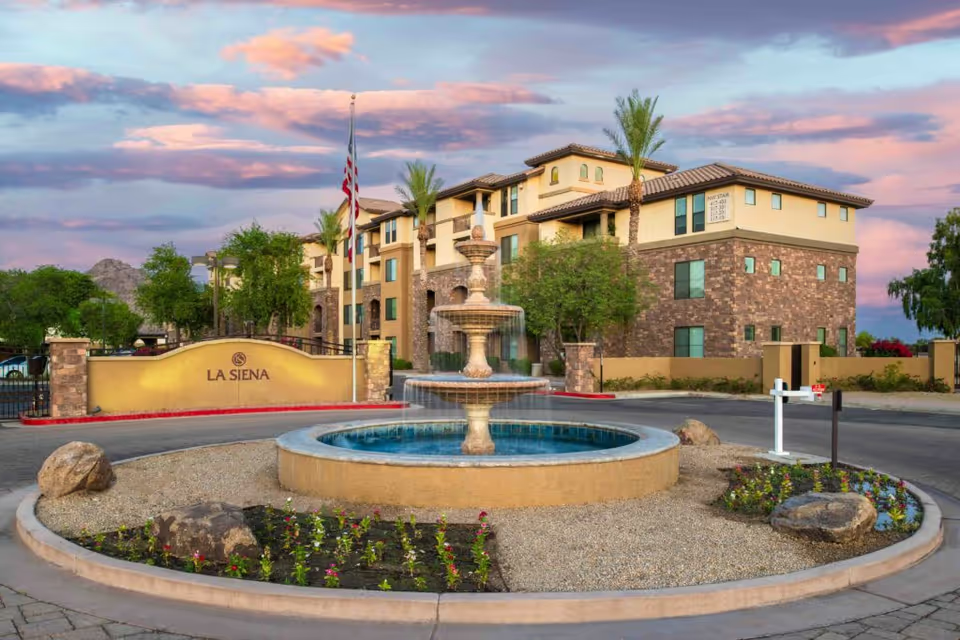
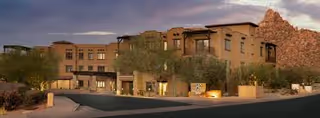
Facilities and maintenance: The facility’s appearance is often praised: well-kept grounds, attractive interiors, and a range of onsite amenities (chapel, pool, movie room, salon, cafe). Maintenance responsiveness receives mixed feedback—some families report quick resolutions and helpful technicians, while others describe slow maintenance response, inconsistent room readiness at move-in, and access or disruption problems tied to ongoing renovations and nearby construction. Sanitation concerns and pest-control issues are cited for a subset of units; these are operational red flags to confirm with management.
Management, billing and transparency: Management presence and helpfulness is described positively in multiple accounts, particularly around move-in and admissions. However, there are repeated concerns about billing clarity, unexpected fees, pricing increases (including memory-care increases), and occasional confusion about contract terms. Communication gaps between departments and with families are another recurring theme—promises that were not followed through and difficulty getting consistent updates are reported often enough to merit attention.
Patterns and recommendation: The aggregate picture is one of a community with substantial strengths—social programming, physical environment, and many committed caregivers—paired with operational weaknesses driven largely by staffing, communication, and consistency of service. Prospective residents and families should weigh the facility’s evident social and amenity value against the variability in dining, housekeeping, and clinical consistency. Recommended due diligence items include: touring during meal and activity times; asking for current staffing ratios and turnover data (especially for memory care); reviewing recent inspection reports and pest-control logs; obtaining a clear, written breakdown of charges and any escalation policies; and requesting examples of incident-reporting and family-communication processes. These steps will help determine whether The Palazzo’s strengths align with a particular resident’s care needs and expectations.