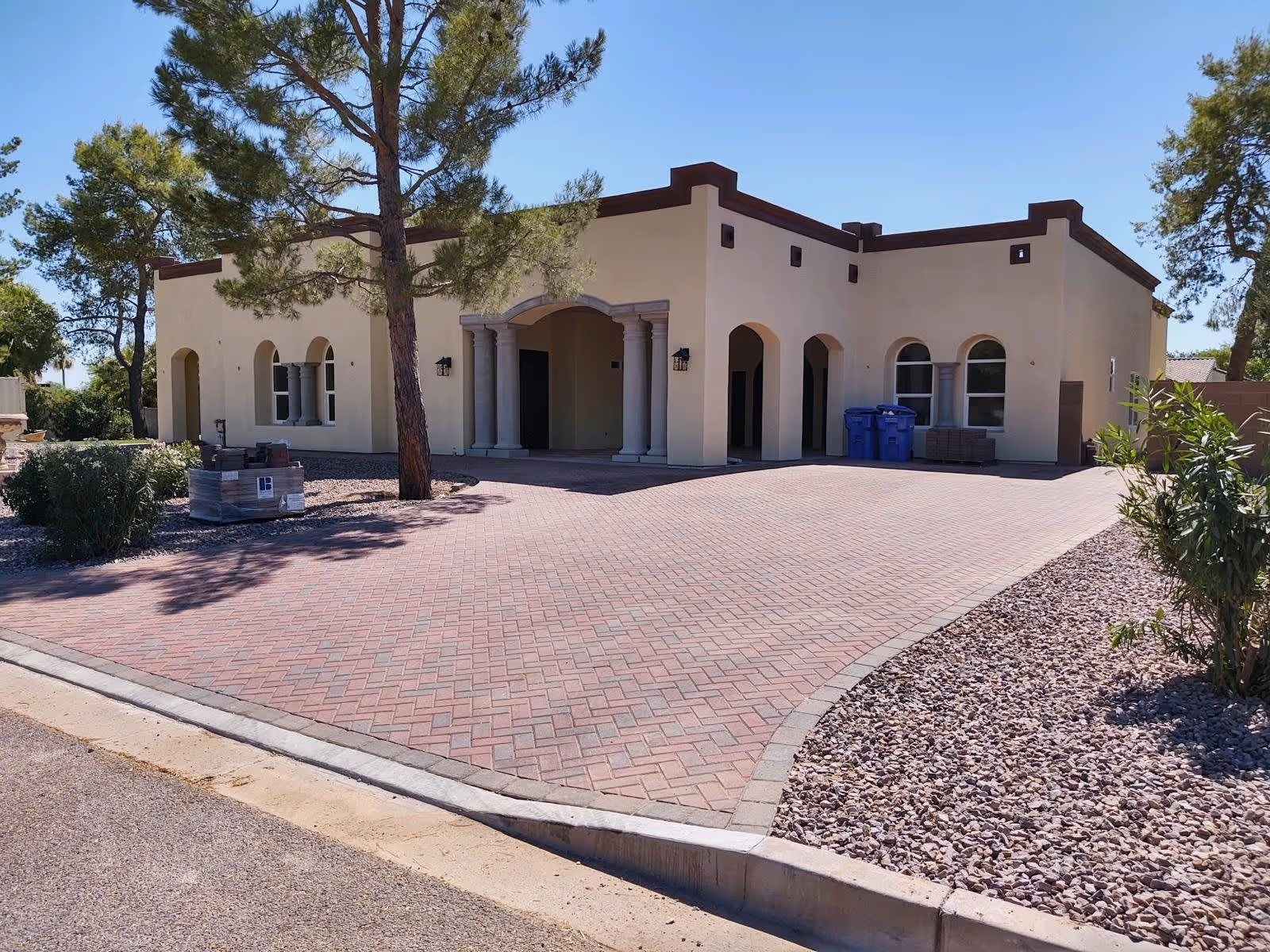
Overall impression: Experiences at Agape Care Home of Scottsdale vary across families and across the facility’s homes. Many accounts describe highly attentive, compassionate caregivers, a smaller residential atmosphere, and clean, well-maintained living spaces. At the same time, other accounts describe operational inconsistencies that affected trust and satisfaction. These contrasting themes suggest that quality and day-to-day experience can depend on staffing, the particular house within the facility, and recent management changes.
Care quality and staff: Caregiving quality is described on a spectrum. Numerous comments emphasize kind, patient, and nurturing staff who communicate well with families and provide attentive support. Conversely, there are concerns about inconsistent staffing quality and variable language proficiency, which some families felt affected communication and continuity of care. There are also mentions of responsiveness gaps to family concerns. Taken together, the pattern indicates that while the facility is capable of delivering strong, compassionate care, staffing stability and communication consistency may fluctuate.
Dining and nutrition: Dining experiences appear to have changed over time. Several families praised upgraded and nutritious meal offerings under newer leadership, noting improved variety and quality. Other accounts describe earlier or intermittent limitations in menu variety and a mismatch between served items and stated preferences. Operationally, this points to inconsistent meal-planning processes and occasional failures to meet individual dietary expectations rather than a permanent absence of nutrition-focused care.
Activities and social engagement: Activity programming differs between the two homes associated with the provider. One house is characterized as having limited activities and associated loneliness for some residents, while the other offers more engagement. This variation indicates that social and recreational programming is not uniformly available across the provider’s locations; prospective residents should verify the specific activity schedule and social offerings at the particular home they are considering.
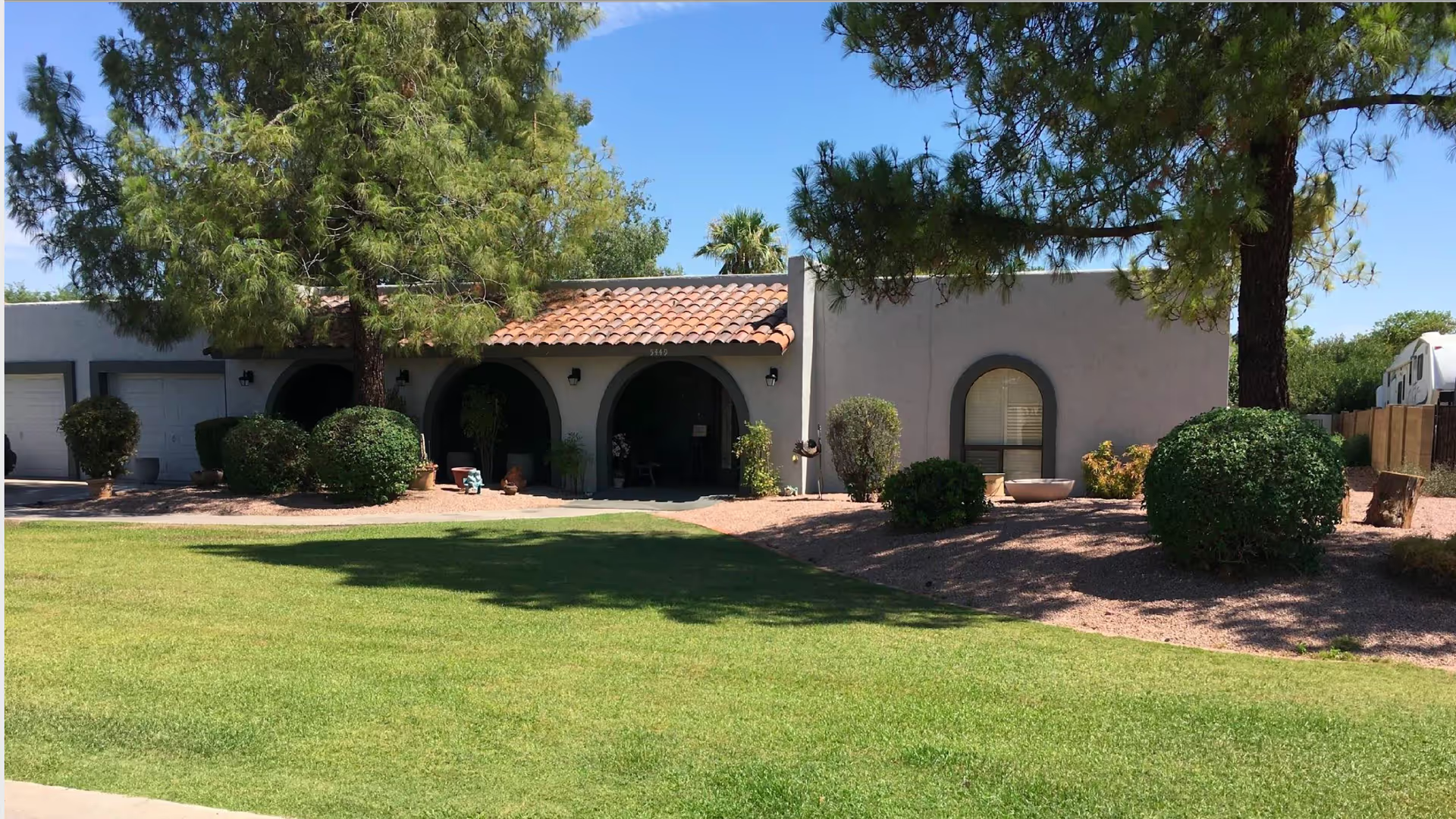
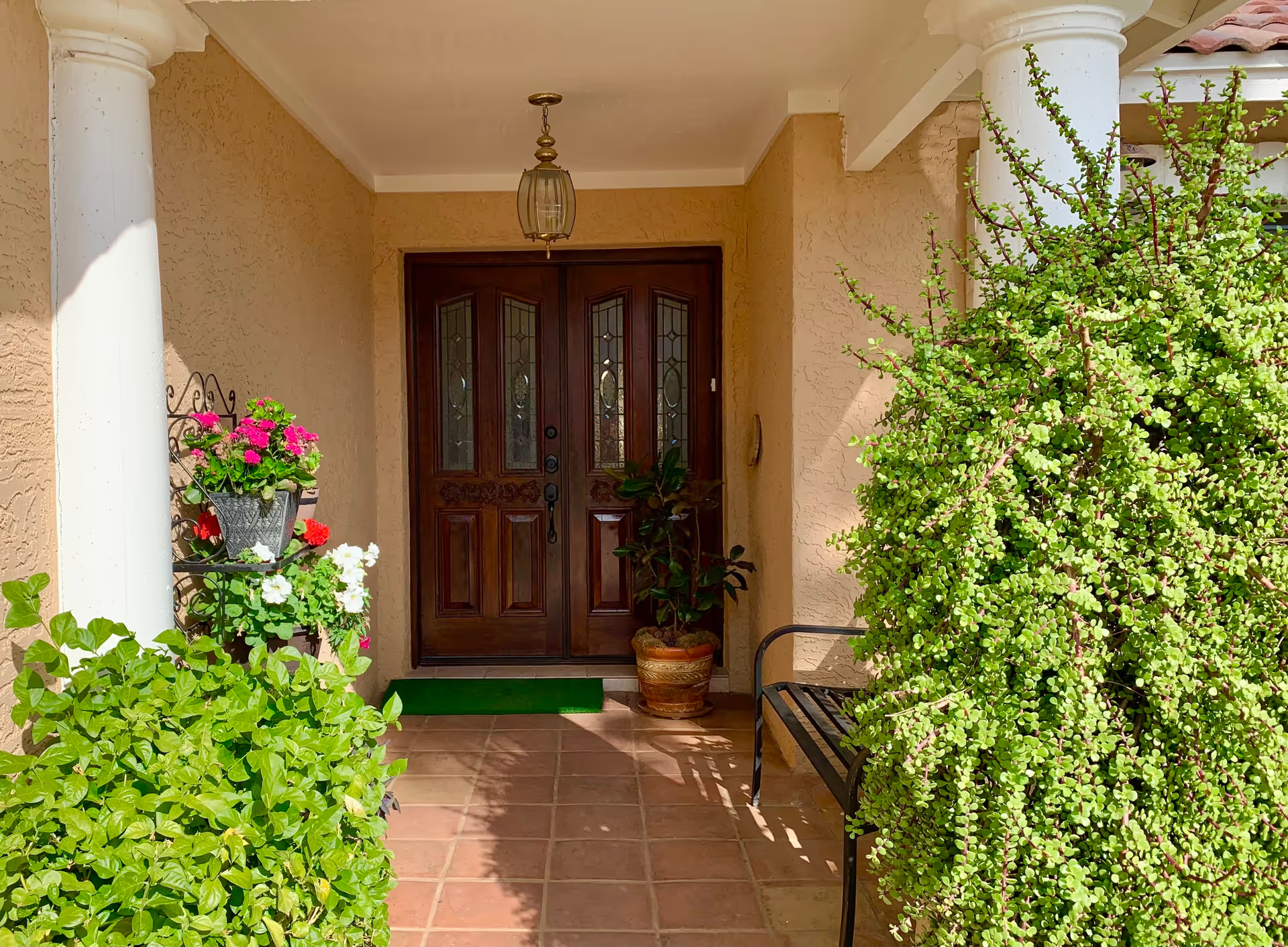
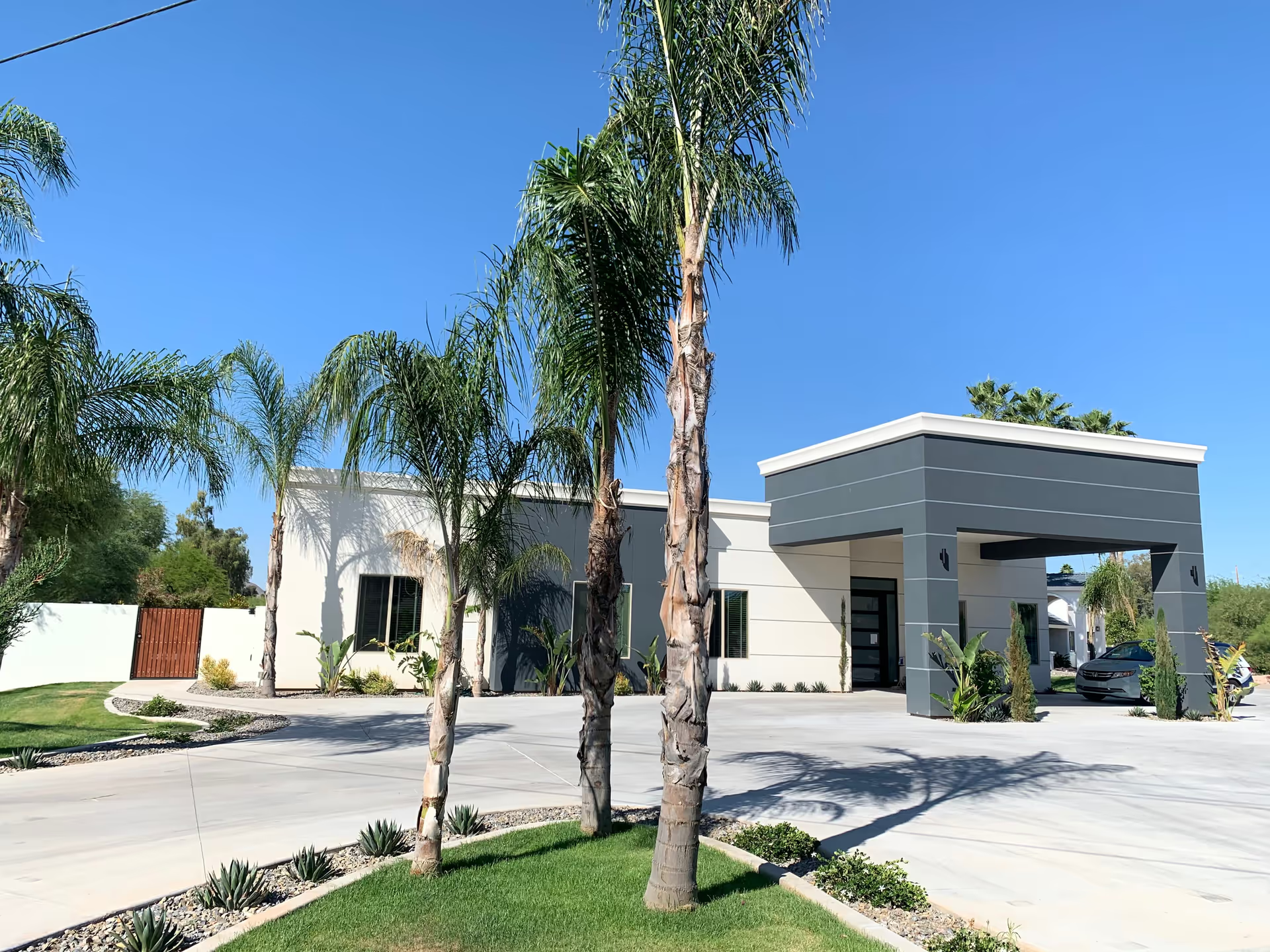
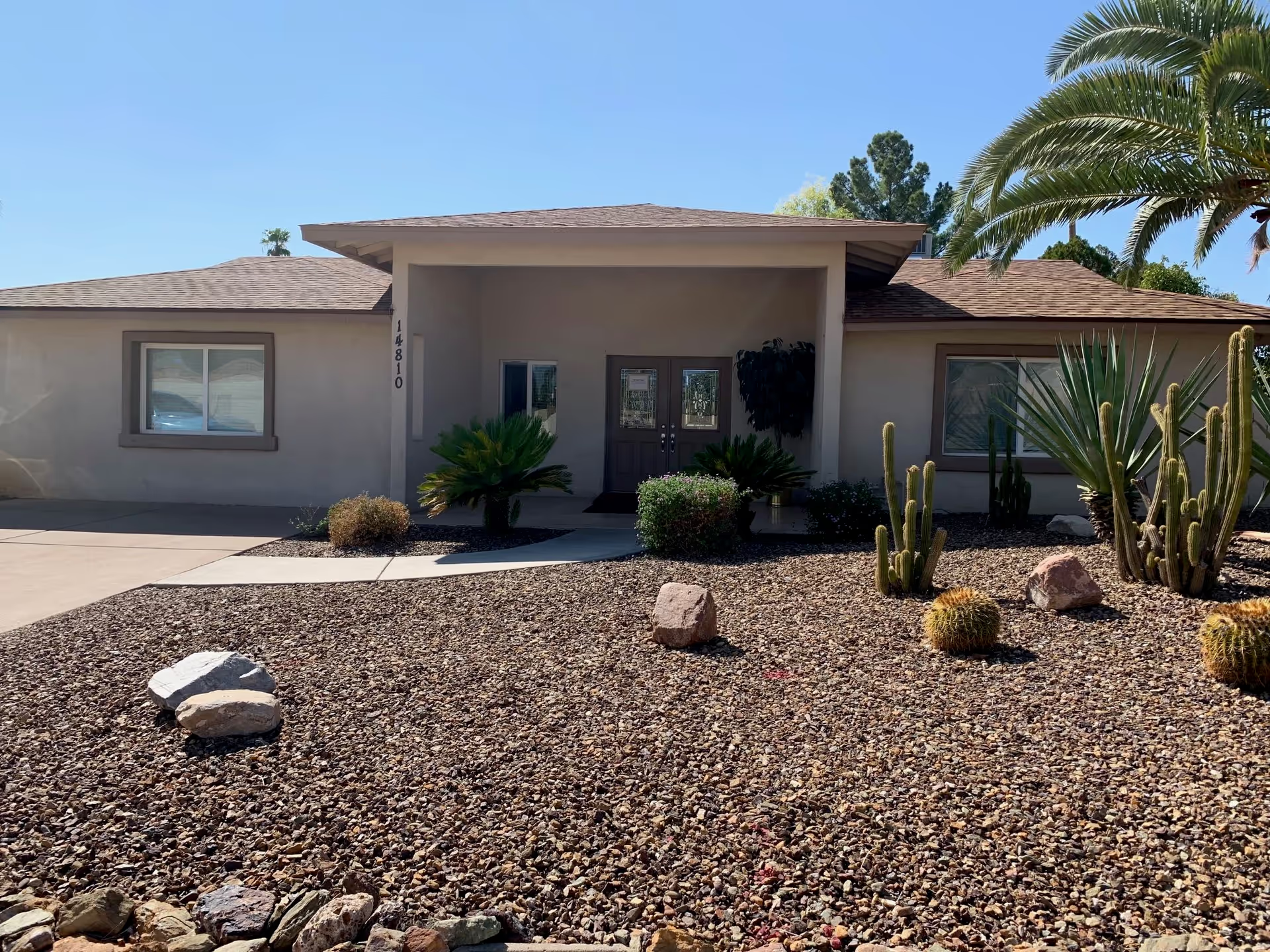
Facilities and management: The physical environment is generally described as clean and well-maintained, with tidy common areas and private rooms. Management impressions are mixed: visitors encountered a cordial owner and friendly staff during tours, but some families described unmet promises, programed services that were not in place, and inconsistencies between advertised inclusions (for example, transportation) and what was delivered. Price-to-value concerns were raised alongside these unmet expectations, suggesting that contractual clarity and service guarantees are important areas to address with management before admission.
Notable patterns and practical advice: The dominant pattern is variability—strong positive experiences coexist with serious operational concerns. This variability appears linked to staff consistency, house-to-house differences, and recently implemented leadership or program changes. Prospective residents and families would be well served to (1) visit the specific house they would use, (2) ask for written confirmation of services included (transportation, activities, meal accommodations), (3) review medication-management and incident-response procedures, and (4) inquire about recent staffing turnover and language capabilities. Direct verification of menu samples, activity calendars, and communication practices will help align expectations with the likely day-to-day experience.