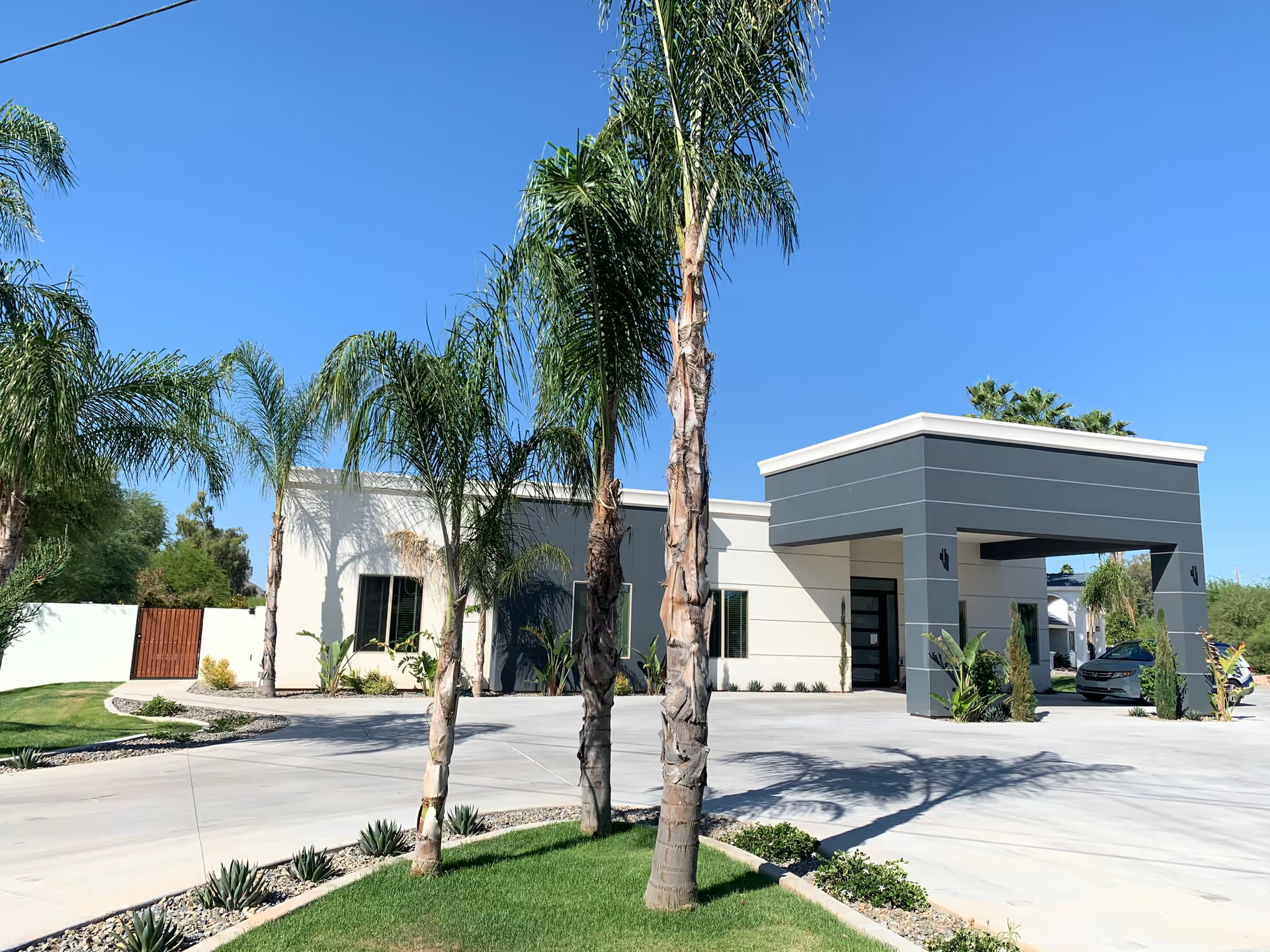
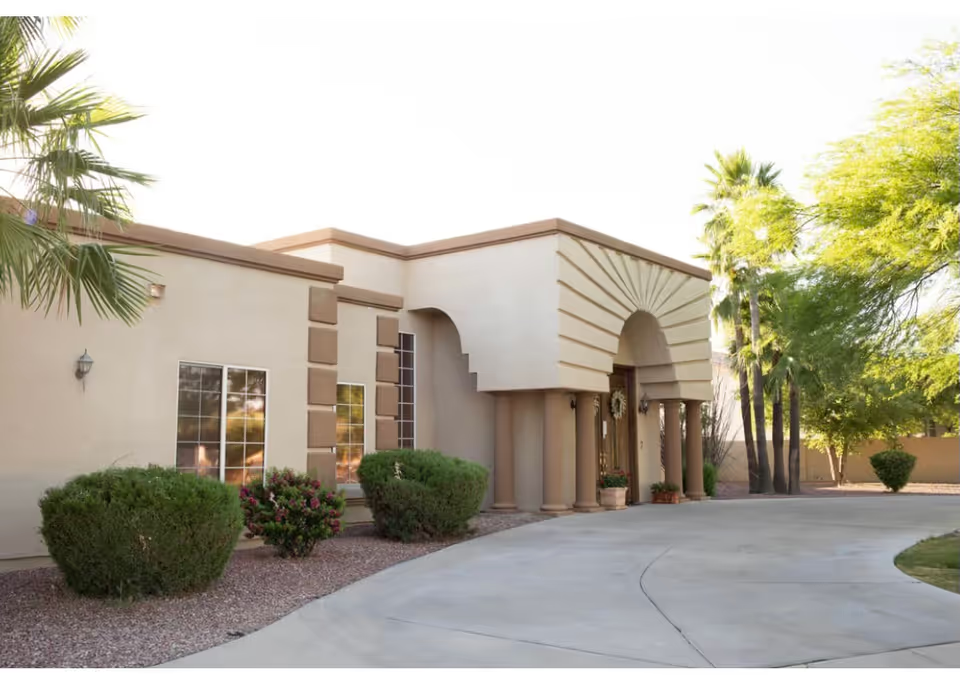
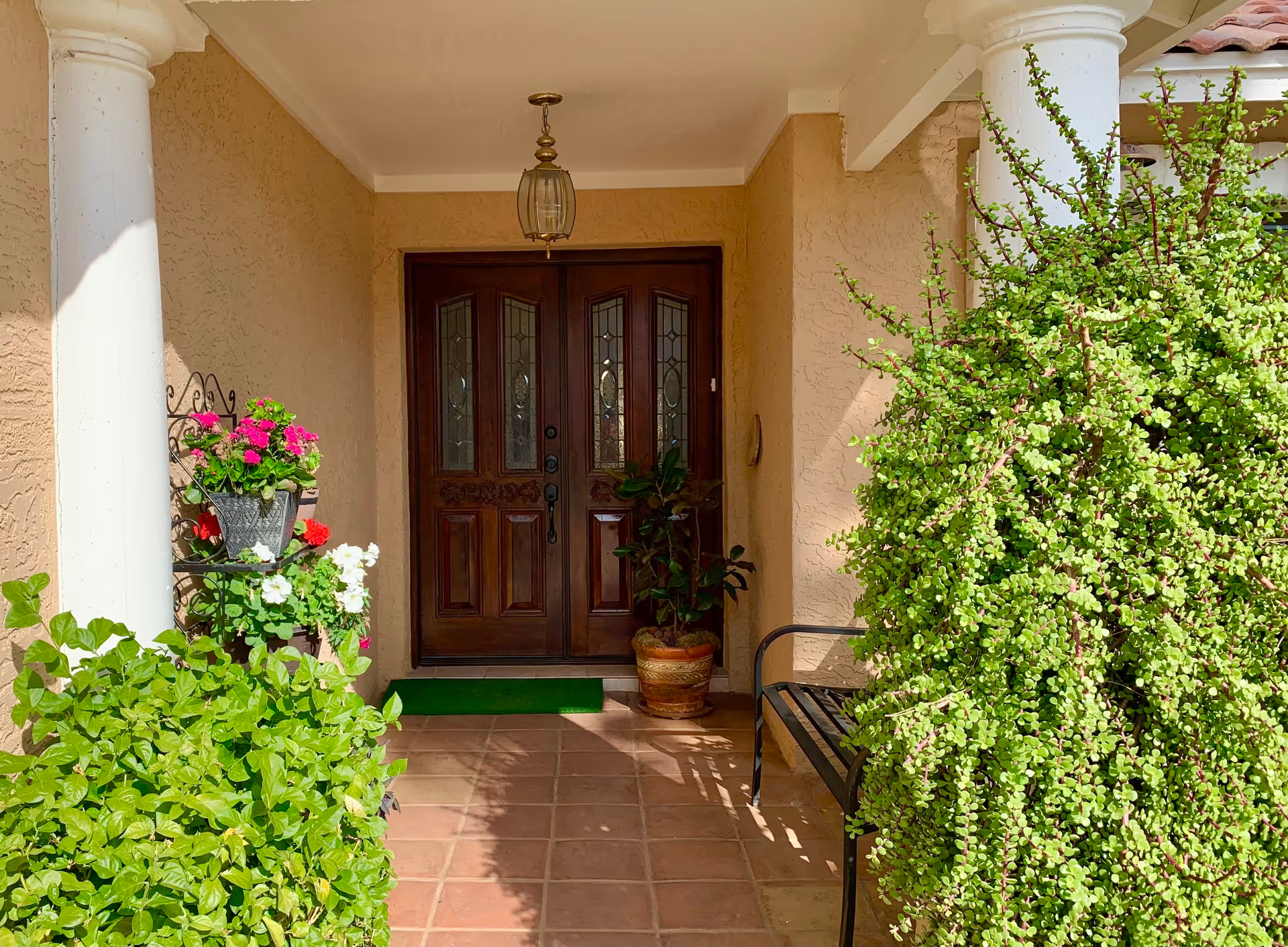
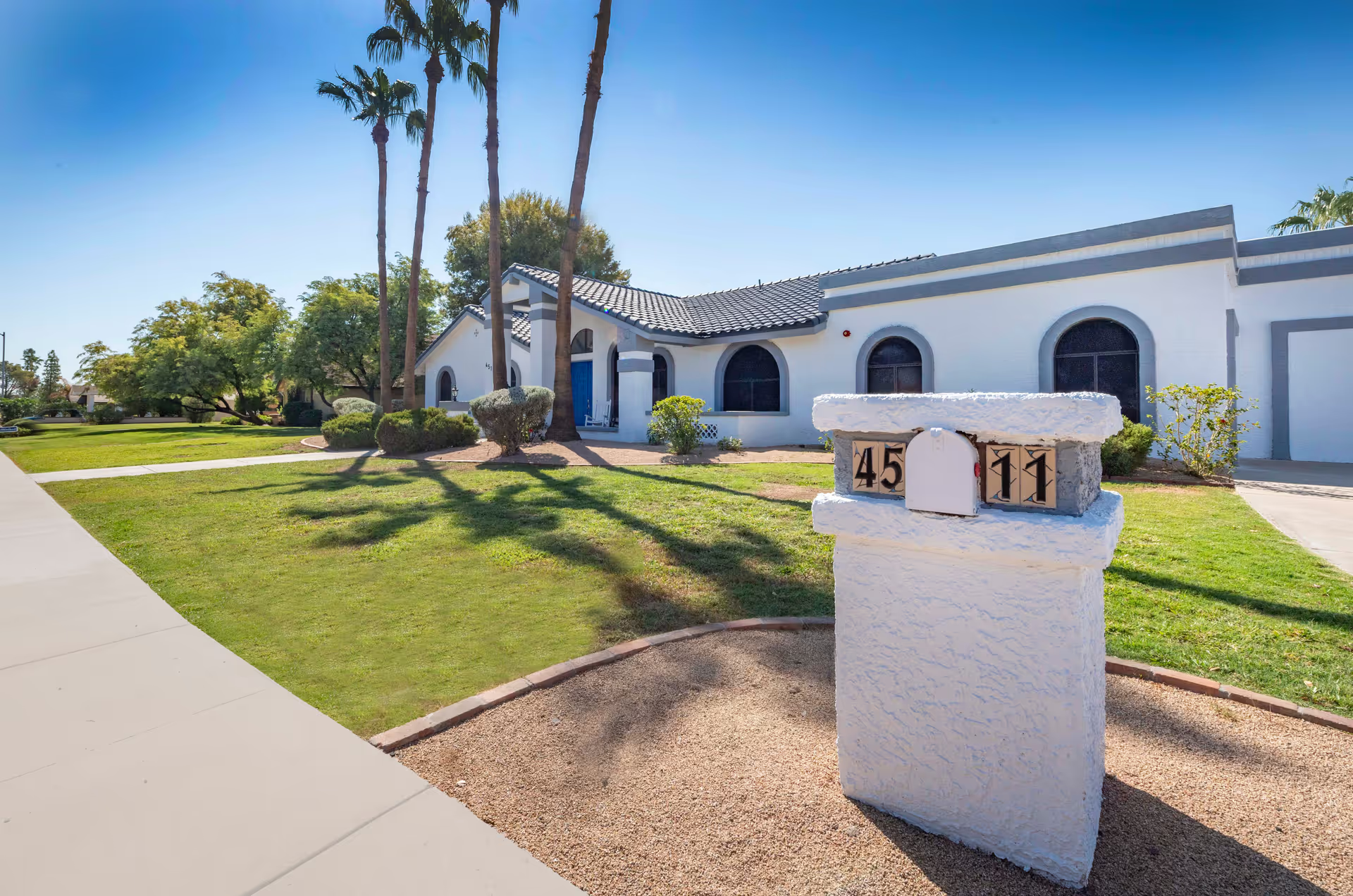
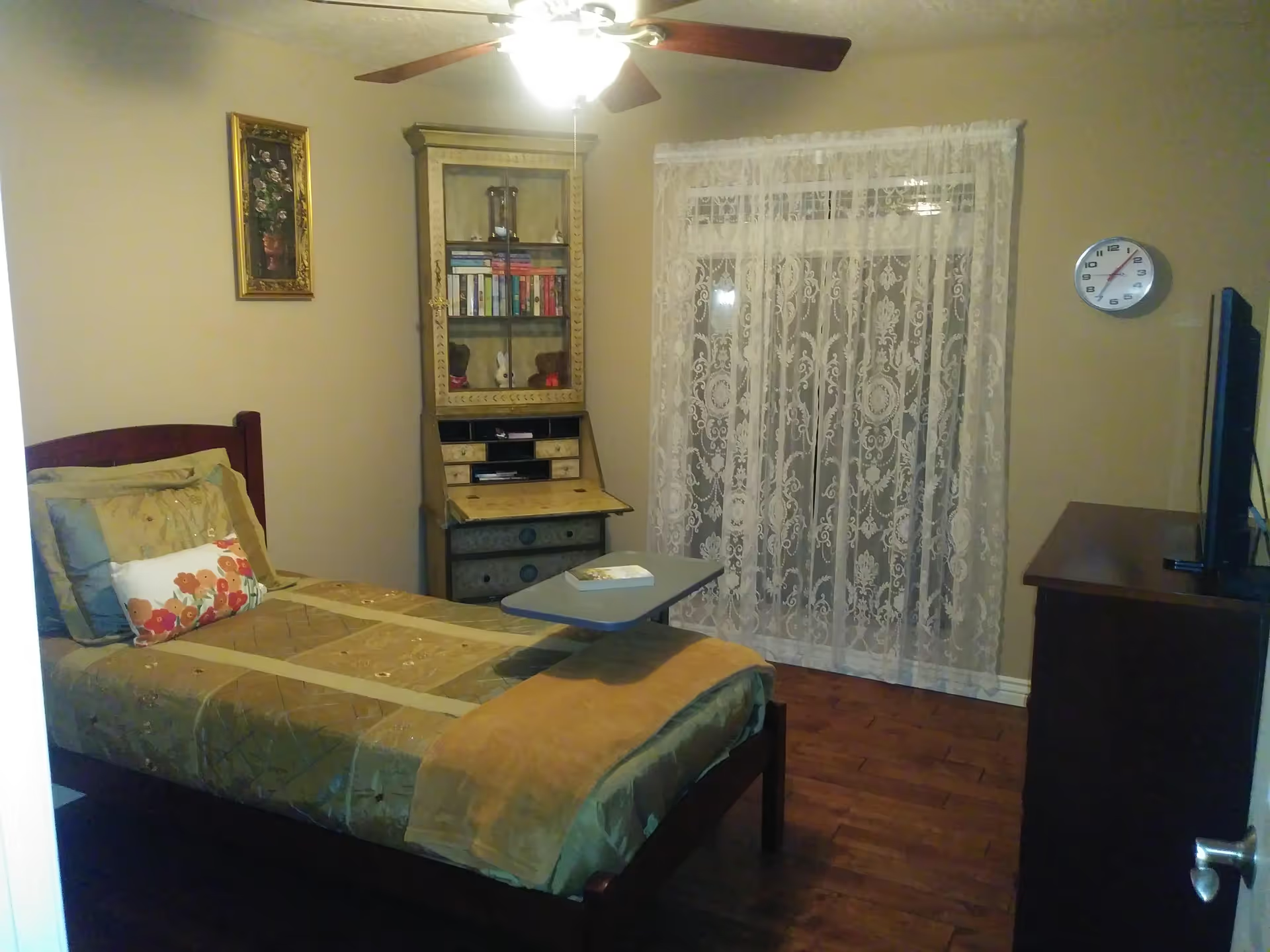
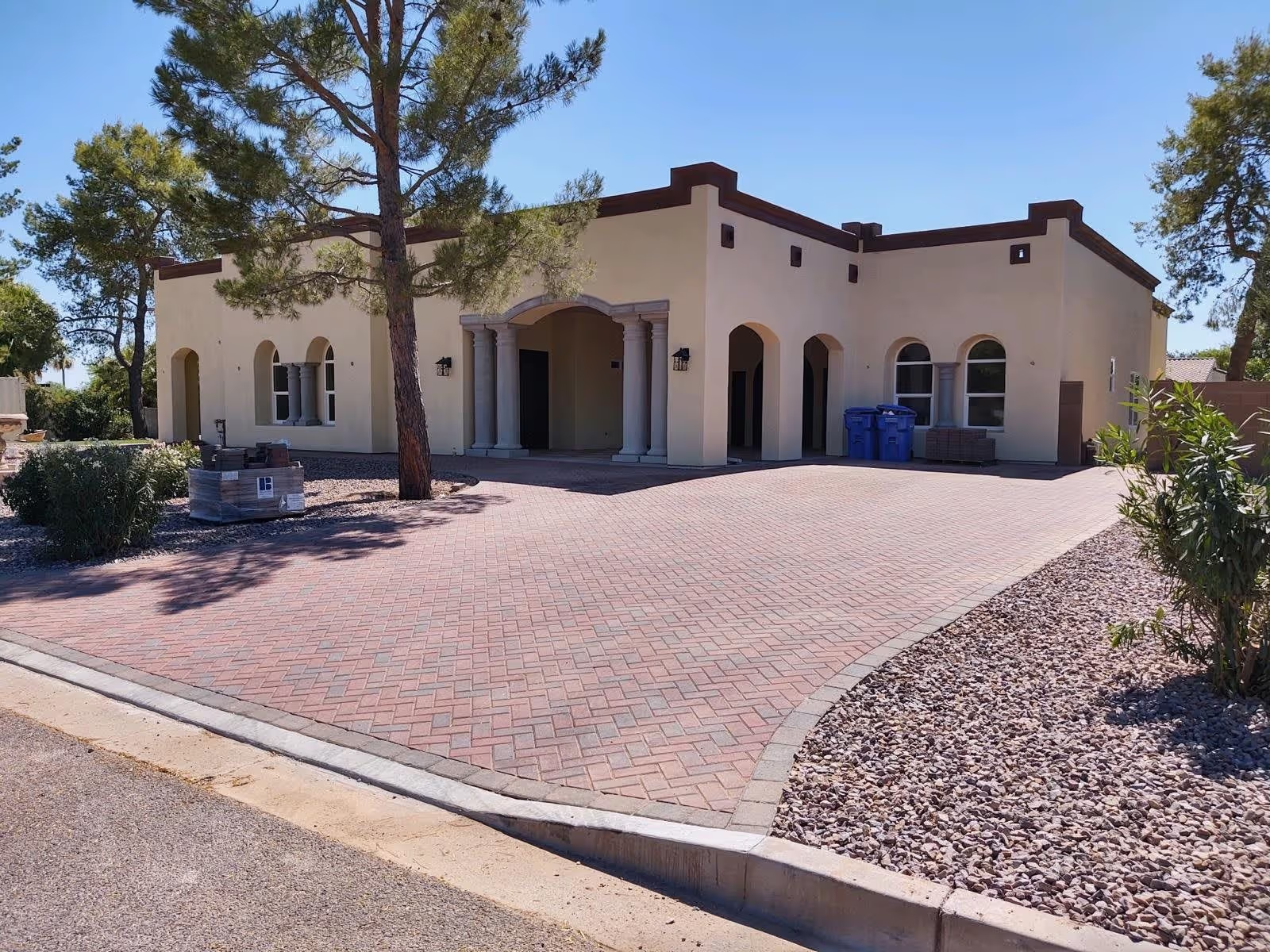
The reviews portray Oakmont Assisted Living as a small, home-like residential option with strong strengths in atmosphere and day-to-day warmth. Many families describe a calm, bed-and-breakfast character to the facility, a small household model (roughly ten residents) that promotes personal familiarity and regular visiting. The dining experience is frequently characterized as high-quality and enjoyable, contributing to the facility’s welcoming feel.
Care and staffing perspectives are mixed but clustered into two distinct patterns. On the positive side, numerous accounts highlight compassionate, attentive caregivers, experienced staff, and weekly RN visits included in the flat-rate, all-inclusive pricing — features that support routine clinical oversight and contribute to perceptions of value. Caregivers receiving employer health benefits is another operational strength noted in favor of staff stability and retention where it exists. For prospective residents needing light-to-moderate assistance and a family-style environment, Oakmont is frequently described as an excellent fit.
Counterbalancing those positives are recurring operational concerns. Several reviews point to high staff turnover and reliance on contingent lower-wage hires, which reviewers linked to variability in training, attentiveness, and consistency of care. This staffing instability is associated with uneven care quality across shifts, variable medication-management reliability, and limitations in providing higher-dependency assistance (for activities such as bathing, dressing, and medication administration). There are also mentions of infection-control and personal-care protocol concerns tied to compliance and attention to detail — issues that prospective families should clarify during a tour and intake.
Management and organizational transparency present another area of variability. Some families praise on-site management and say nothing needed improvement, while others describe limited responsiveness and a brusque managerial tone. Ownership and financial arrangements are described as opaque by some reviewers, which may affect communication about policies and cost structures. Pricing is framed as flat-rate and all-inclusive, and many reviewers see this as good value once enrolled; however, the initial cost is perceived as higher than alternatives by some families.
Overall pattern: reviewers are polarized. A substantial portion of the feedback conveys a consistently warm, family-oriented experience with strong interpersonal care, good meals, and clinical oversight via RN visits. Parallel accounts describe gaps tied to staffing instability, inconsistent clinical assistance for higher-dependency needs, infection-control protocol adherence, and uneven management communication. Prospective residents and families should weigh the facility’s small-home advantages against these operational concerns, confirm the level of assistance available for specific ADLs and medication needs, ask about staffing continuity and training, and request documentation about ownership and clinical routines during their decision process.