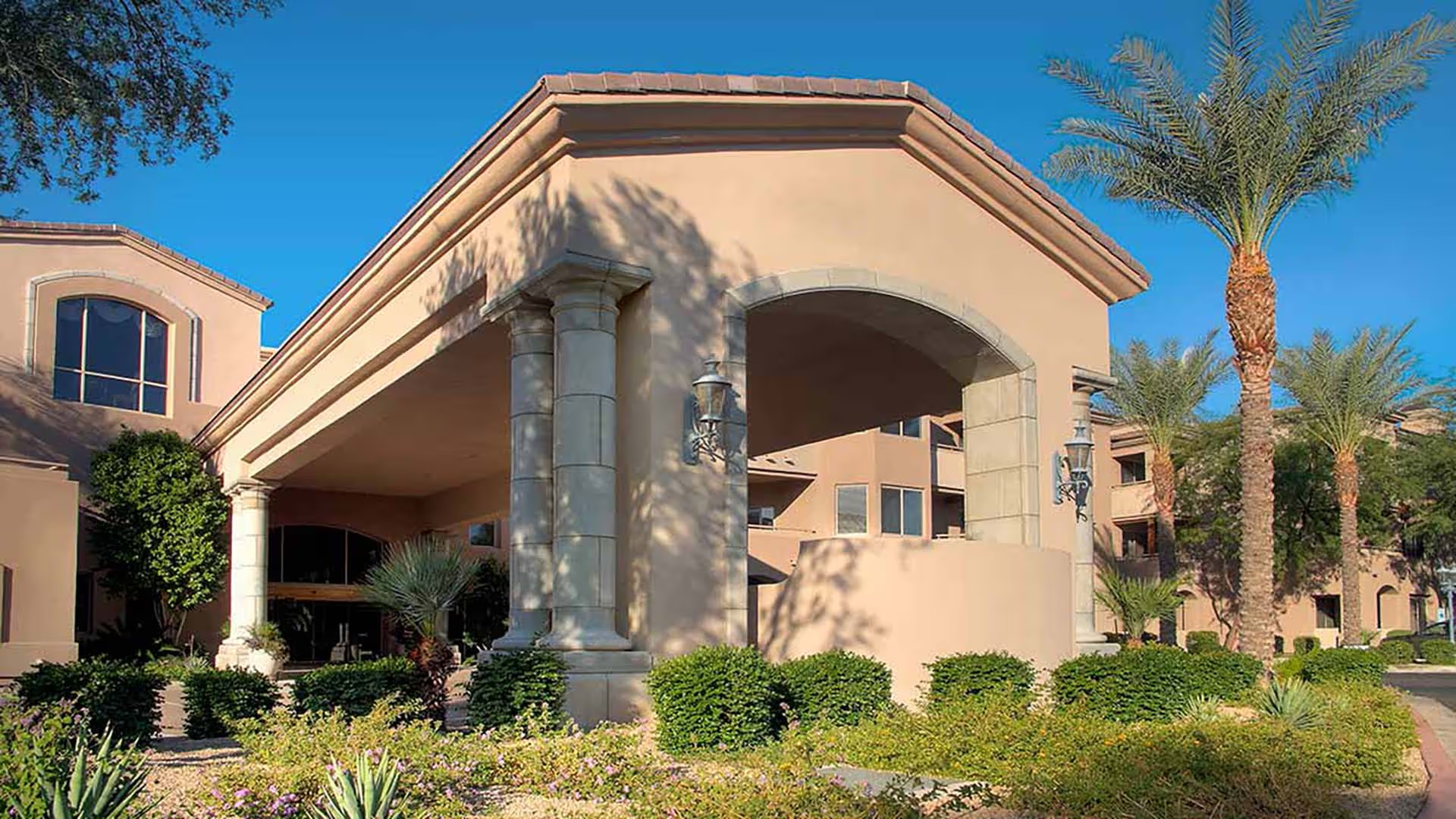
The Auberge at Scottsdale elicits a broadly mixed but informative profile. Many families praise the facility for its compassionate, resident-focused staff, regular nursing presence and onsite medical availability, and a strong emphasis on memory-care programming. The community projects a bright, recently renovated interior with a home-like, non-institutional atmosphere; tours and front-desk interactions are commonly described as welcoming and professional. Music and entertainment—singing, dancing, piano—are central to daily activities, and the presence of pets and therapy animals is frequently cited as a meaningful benefit for residents.
Care quality and clinical oversight show both strengths and concerning patterns. Positive aspects include attentive caregivers, reliable medication administration, and responsive incontinence management in many accounts. At the same time, several families raised serious clinical concerns in isolated cases, including issues related to nutrition management and prolonged immobility; these accounts suggest the need for careful verification of clinical oversight when considering placement. There are also recurring mentions of gaps in supervision and fall-prevention, particularly within the memory-care environment, which may reflect staffing or procedural vulnerabilities.
Staff culture is frequently described as warm, respectful, and engaged; many reviewers noted personalized attention, staff stability, and a director or leadership presence that can be accessible. Conversely, others described inconsistent communication from the care team to families and uneven performance following management transitions. Some reviewers felt leadership prioritized appearance and administrative concerns over sustained care quality, indicating variability that prospective families should probe during a visit.
Dining and activities are strong selling points for many residents: plentiful social events, music-centered programming, and regular entertainment create a lively environment. However, activity offerings can become repetitive over time for some residents, and several reviews noted declines or inconsistency in meal quality and food service following administrative changes. Families who prioritize dining quality and menu flexibility should review current menus and meal-service practices.
Facility design and operations present trade-offs. The building is often described as clean, modern, and bright, but layout issues recur: some units have shared bathroom configurations or compact rooms, unusual jack-and-jill arrangements, and limited direct outdoor grounds or landscaped areas. Safety infrastructure gaps were specifically called out (for example, absence of bedside emergency pendant systems and limited landline hookups), which are important to confirm during a tour. Cost is another consideration; the community is positioned toward the higher end, and several families questioned value relative to price.
Overall, The Auberge at Scottsdale offers many attributes families find attractive—compassionate staff, active programming, and an inviting interior—but reviewers also identify operational weaknesses that can affect outcomes for residents with higher clinical needs. Prospective residents and families should schedule an in-person visit, request current staffing ratios, review recent care plans and incident-response protocols, confirm emergency-call systems and nutrition-monitoring practices, and discuss how management transitions are being handled to ensure the community’s strengths align with the prospective resident’s needs.