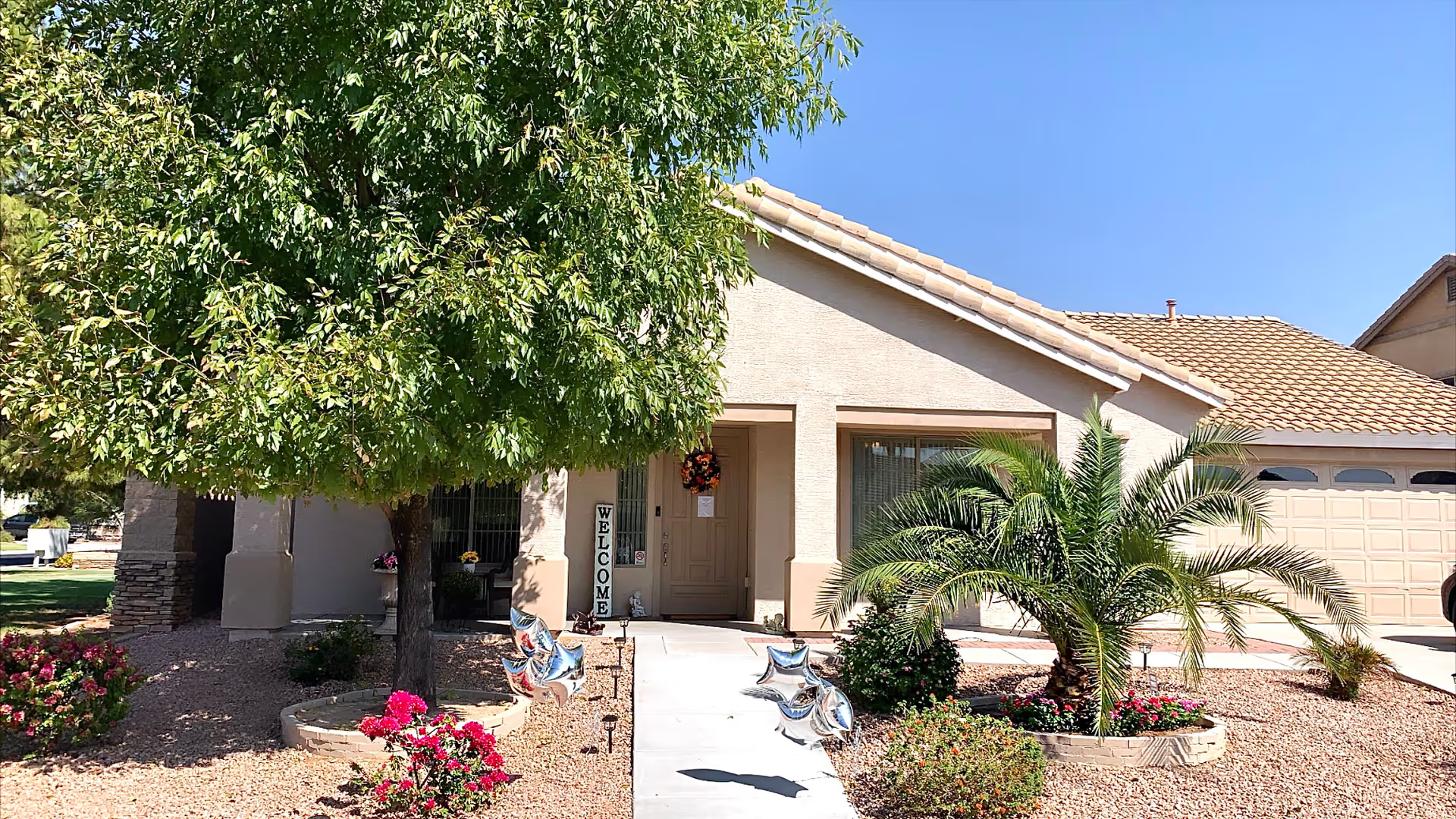
Legacy Assisted Living Home presents a mixed picture. Repeated comments emphasize strong, compassionate caregiving and a warm, home-like atmosphere; reviewers frequently described the facility as cozy, clean, and peaceful, and several families highlighted individual staff members (including a caregiver named Daniela) and the presence of a registered nurse owner as strengths. At its best, the facility appears to deliver attentive personal care in a smaller-group residential setting where residents are described as content and well looked after.
Care quality and staffing are central to the divergence in impressions. Many accounts praise hands-on caregiving and clinical oversight, and relatives described their loved ones as comfortable. However, other accounts indicate inconsistent staffing availability and periods when caregivers were reportedly not present or appeared unmotivated. There is also a suggestion that the program emphasis leans toward rehabilitation-focused care, which may affect the balance between clinical tasks and broader engagement or social programming.
Dining and activities are areas of concern for families who prioritize socialization. Several observations point to routine in-room dining and limited organized group activities, resulting in a quieter, more private environment but less communal interaction. For prospective residents who value active group programming and shared mealtimes, the current activity model may feel insufficient without additional inquiry or customization.
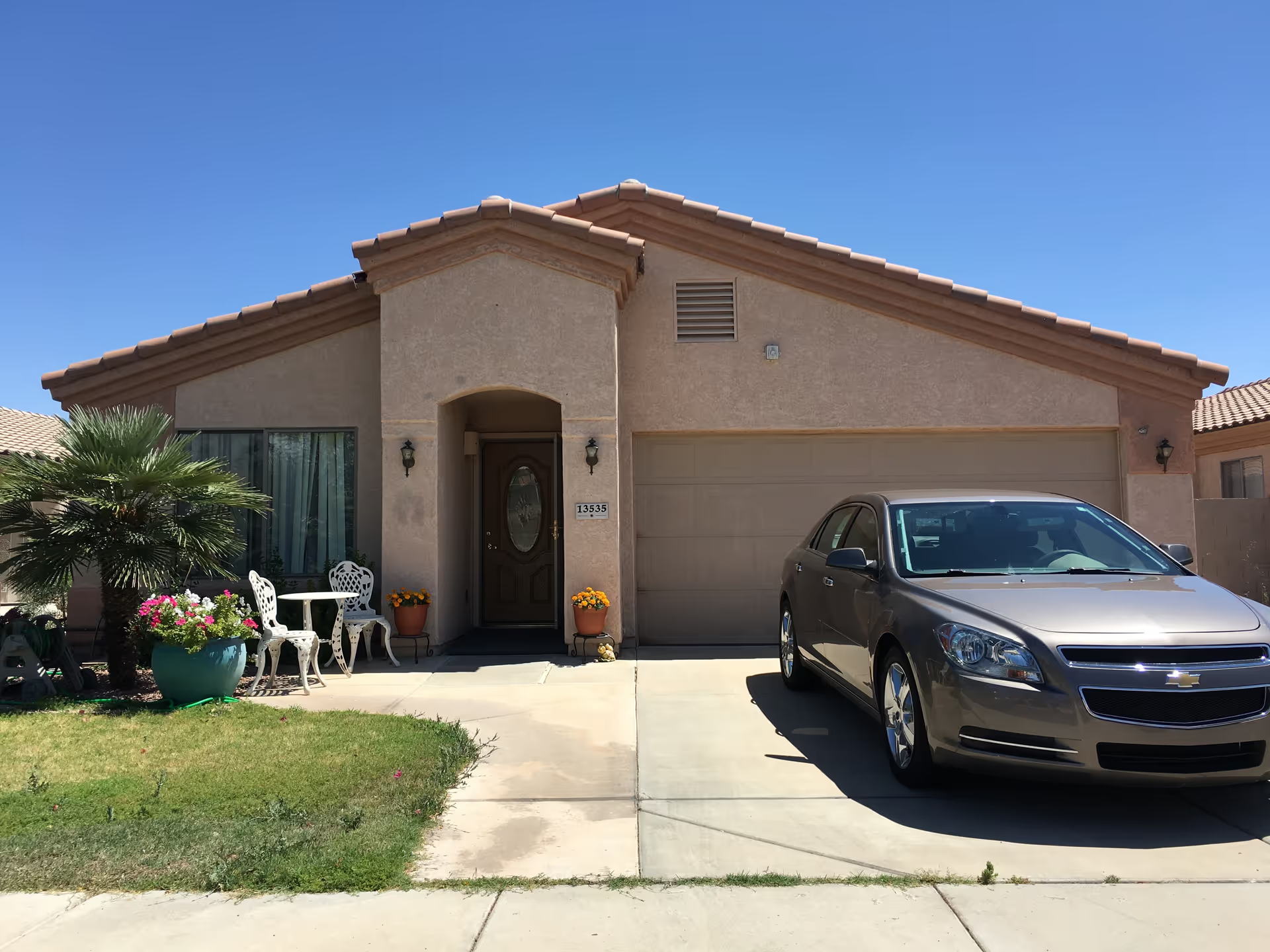
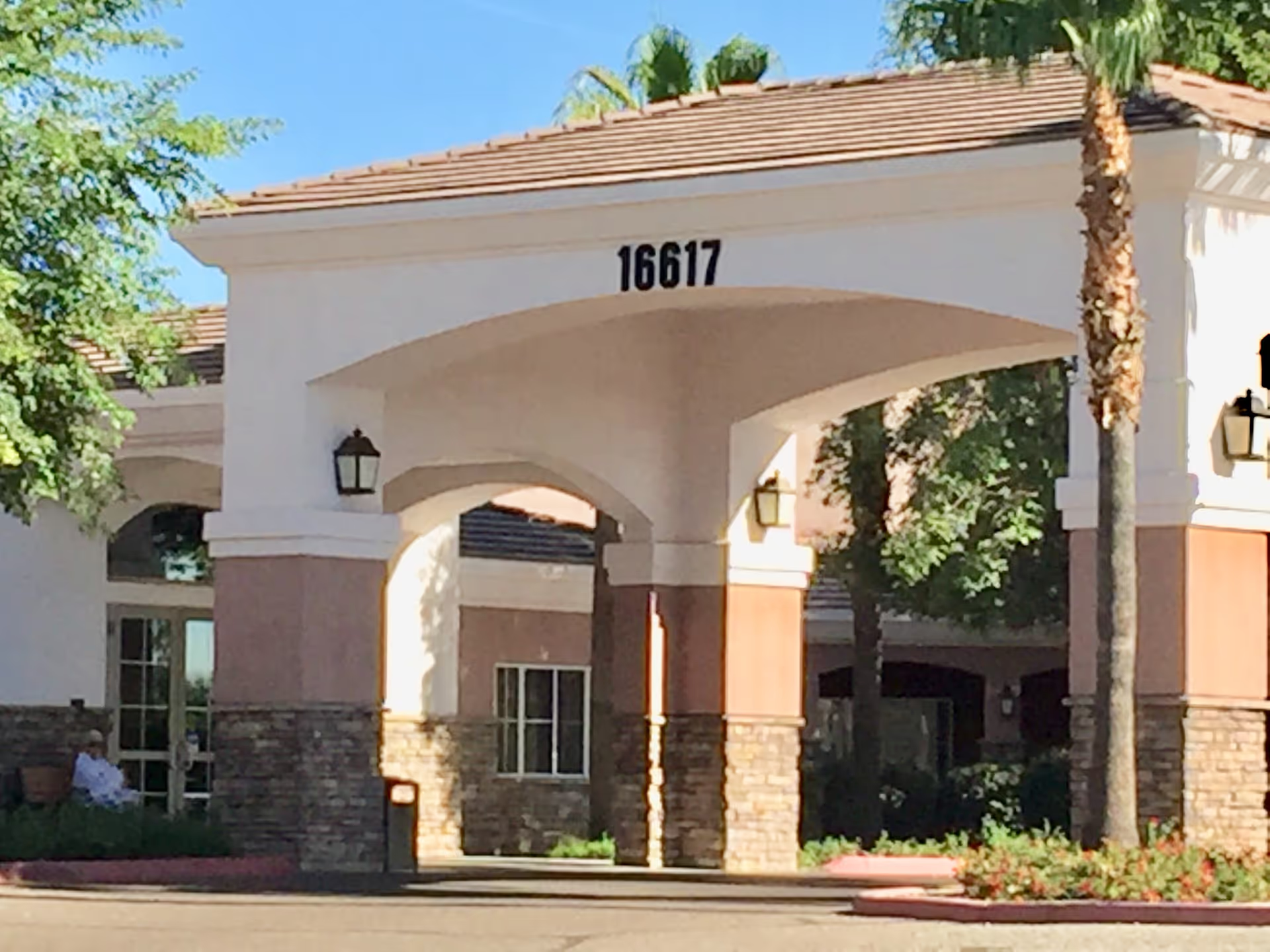
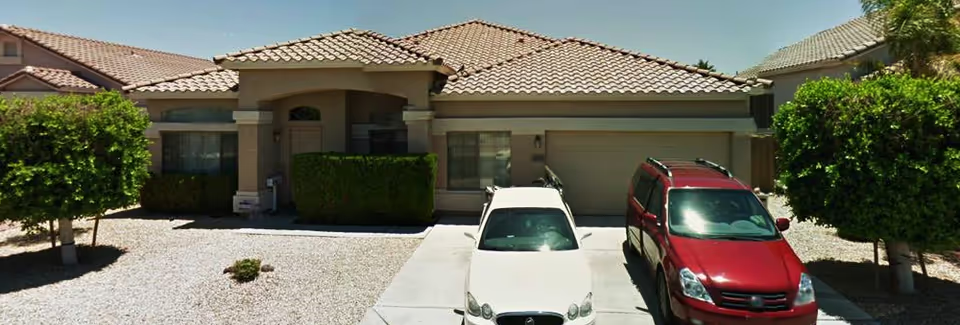
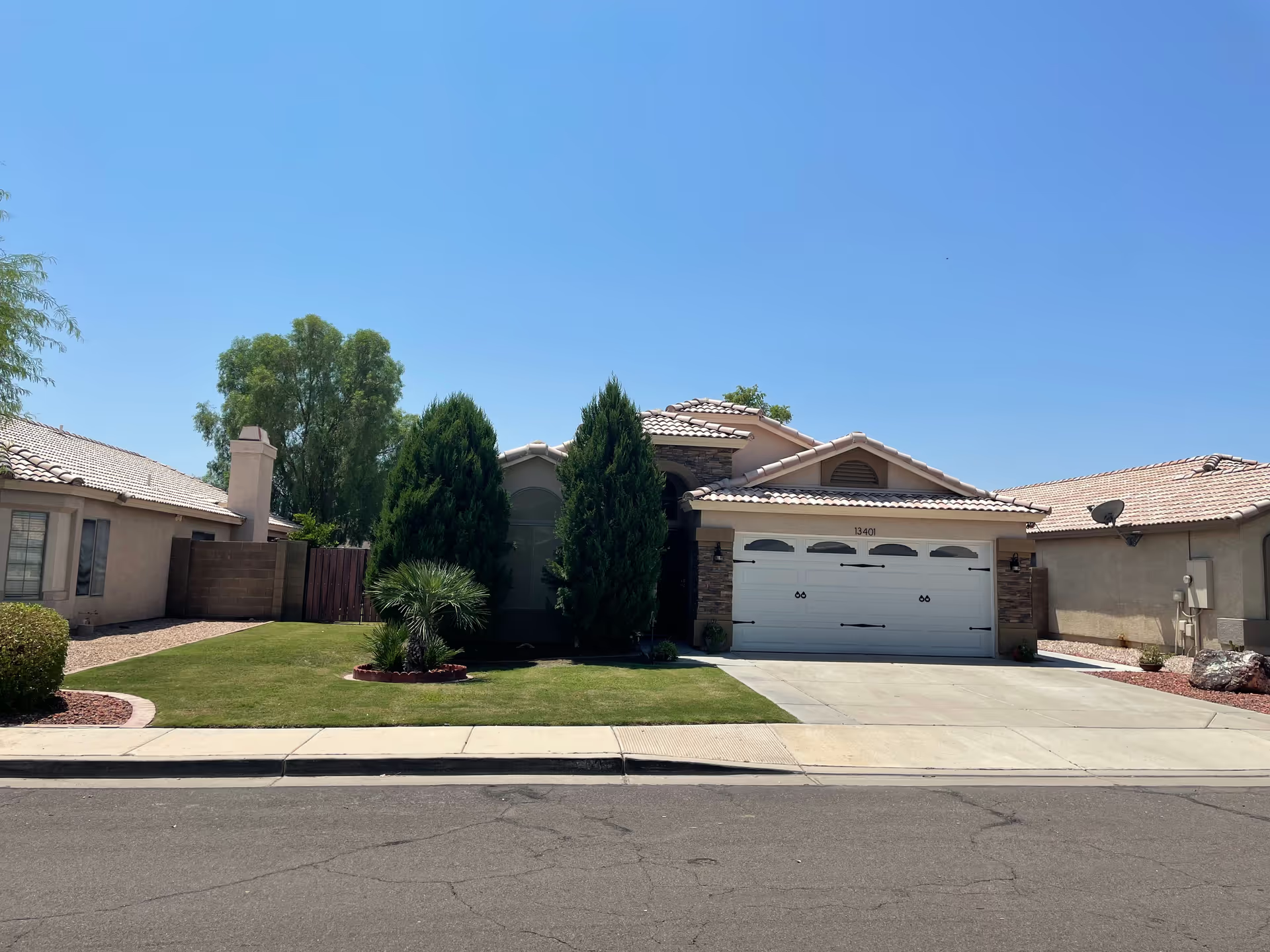
Facilities and environment receive consistently positive notes: the interior is described as very clean and well maintained, the setting feels home-like, and logistical features such as ample parking and a small outdoor seating area are appreciated. The facility’s scale and atmosphere may appeal to families seeking a quieter, residential-style alternative to larger assisted-living communities.
Administrative and policy issues are important patterns to consider. Several accounts describe challenges with communication—difficulty reaching management or the owner, repeated phone-tag, and slow responses to family inquiries. Concerns were also raised about restrictive visitation practices in at least one instance, higher-than-advertised pricing, and a lengthy, cumbersome discharge or resident-transition process. These operational traits suggest prospective families should review written policies on visitation, billing, and discharge procedures before committing.
Recommendation: Legacy Assisted Living Home may suit residents and families who prefer a small, home-like setting with attentive caregivers and clinical oversight from an RN owner. Prior to placement, families should directly verify current staffing patterns, the facility’s approach to communal activities and mealtimes, documentation of pricing and billing, visitation policies, and the steps involved in discharge or transfer. Doing so will help align expectations with the facility’s operational model and identify whether additional family involvement or care-plan adjustments are needed.