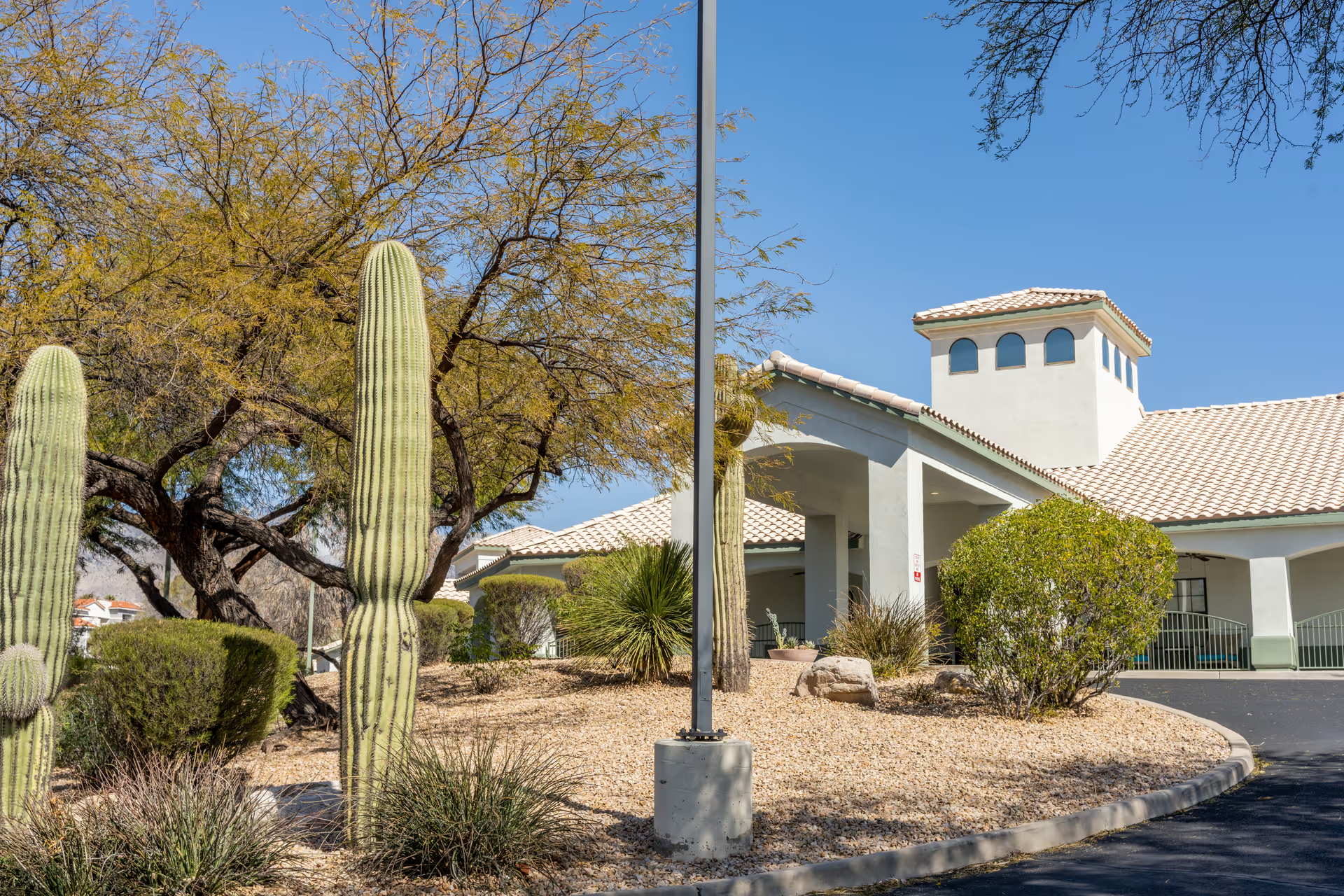
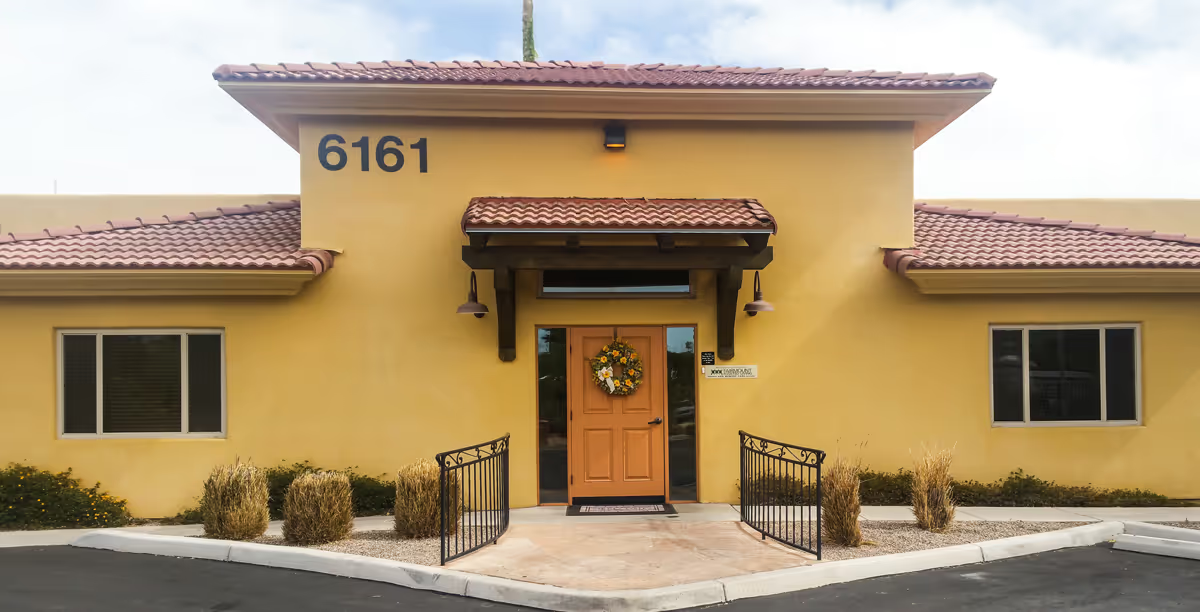
Overall impression: Families and visitors consistently describe Desert Gardens as a small, home-style assisted living and memory-care setting with a strong emphasis on personalized, compassionate caregiving and family communication. Cleanliness and a well-kept, recently renovated interior are recurring strengths, and reviewers highlight a peaceful, privacy-oriented site with attractive views and multiple communal areas that support a home-like atmosphere.
Care quality and staff: Staffing is characterized as attentive, patient, and responsive. Reviewers emphasize continuity of care and smooth caregiver transitions, and they single out administrators and owners for hands-on involvement and reassuring leadership. Dementia-support and end-of-life care are noted positively, with specific praise for caregivers who provide individualized attention and maintain resident dignity. The facility’s size appears to enable close staff–family communication and frequently cited promptness in responding to questions or concerns.
Dining and activities: Dining is repeatedly described as home-cooked and enjoyable; reviewers use terms that indicate consistent, high-quality meals. Activity offerings are described as varied and engaging—examples include games, Zumba, arts and crafts, and social celebrations for birthdays and holidays—suggesting an effort to provide both cognitive and social stimulation. Multiple sitting and activity areas support small-group engagement and quieter one-on-one time.
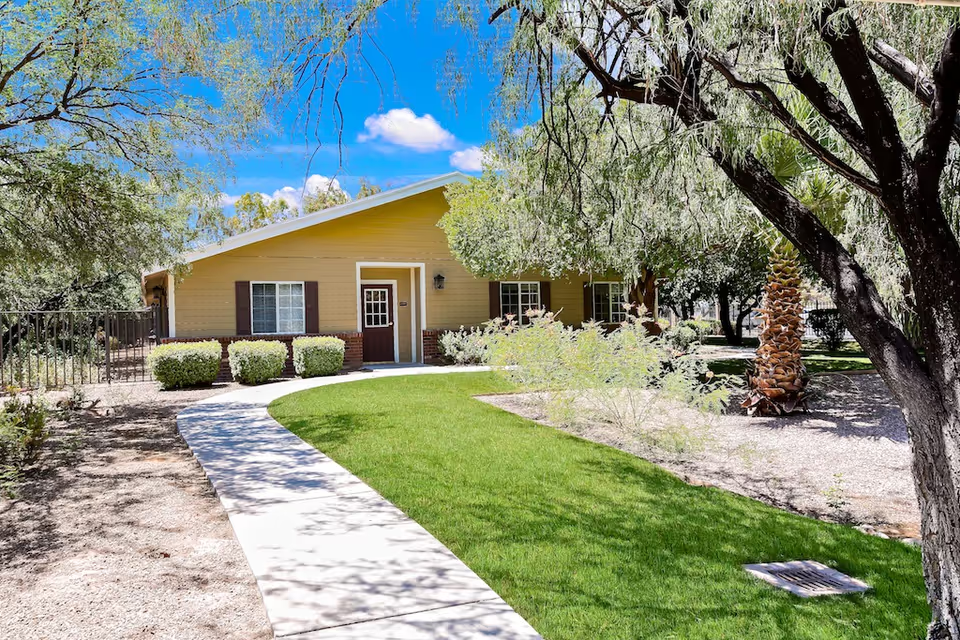
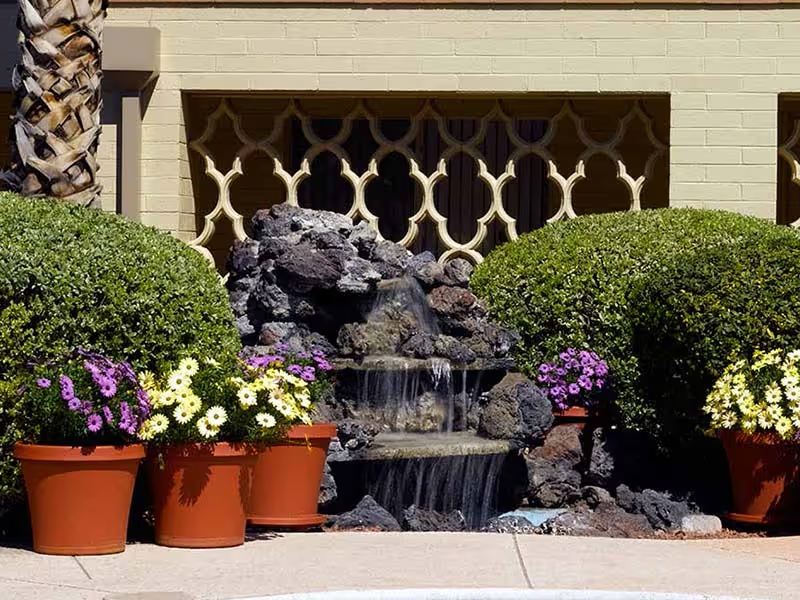
Facilities and environment: Desert Gardens is portrayed as a newly renovated, bright, and airy single-level home with a peaceful backyard, porch space, and artificial turf. The small, ranch-style layout contributes to a residential feel rather than an institutional one, and housekeeping and sanitation are described as meticulous. The tranquil neighborhood and privacy are recurring positive points for families seeking a low-traffic, restful setting.
Management and clinical patterns: Leadership is described as accessible and involved; families cite open-door communication and an administrator and owner who participate directly in operations. Visiting nurses and external clinicians are referenced positively, indicating collaborative clinical relationships. That said, the facility’s small scale contributes to an operational model that relies on a compact leadership and staff team and on outside clinicians for some services.
Notable patterns and considerations: The small, home-like scale of the community is central to its strengths — personalized care, close communication, and a residential atmosphere — but it also implies predictable limitations. Prospective families should be aware of constrained capacity (potential waitlists or limited availability), operational reliance on a small leadership team, and potentially limited on-site clinical resources for residents with high-acuity or complex medical needs. Program diversity and specialized clinical offerings may be more limited than at larger facilities.
Recommendation: For families seeking individualized attention in a clean, welcoming, home-style assisted living or memory-care setting, Desert Gardens appears to offer strong interpersonal care, quality dining, and engaging activities. Prospective residents and their families should evaluate bed availability, clarify the scope of on-site clinical services, and confirm contingency plans for higher-acuity needs before making a placement decision.