Sherwood Village presents a mixed but often favorable picture across clinical care, daily living services, and social programming. Many families describe a core of compassionate, long-tenured caregivers who create a family-like, homelike environment; these staff members are frequently cited by name and praised for individualized attention, clear communication at intake, supportive move-ins, and end-of-life support. The facility offers dedicated memory-care programming that several families characterized as thriving, with staff trained to engage residents and a schedule of activities tailored to cognitive needs.
Activity and social programming are clear strengths. Reviewers commonly note a broad range of activities — from sing-alongs, bingo and exercise classes to frequent live entertainment and therapy-animal visits — that contribute to resident engagement. The dining program receives generally positive remarks for variety and culturally influenced menus (including Mexican-inspired options) and for accommodating special diets. That said, meal quality and consistency appear variable across accounts: while some families praise nutritious, well-prepared meals and attentive dining staff, others note occasional declines in meal standards or service continuity.
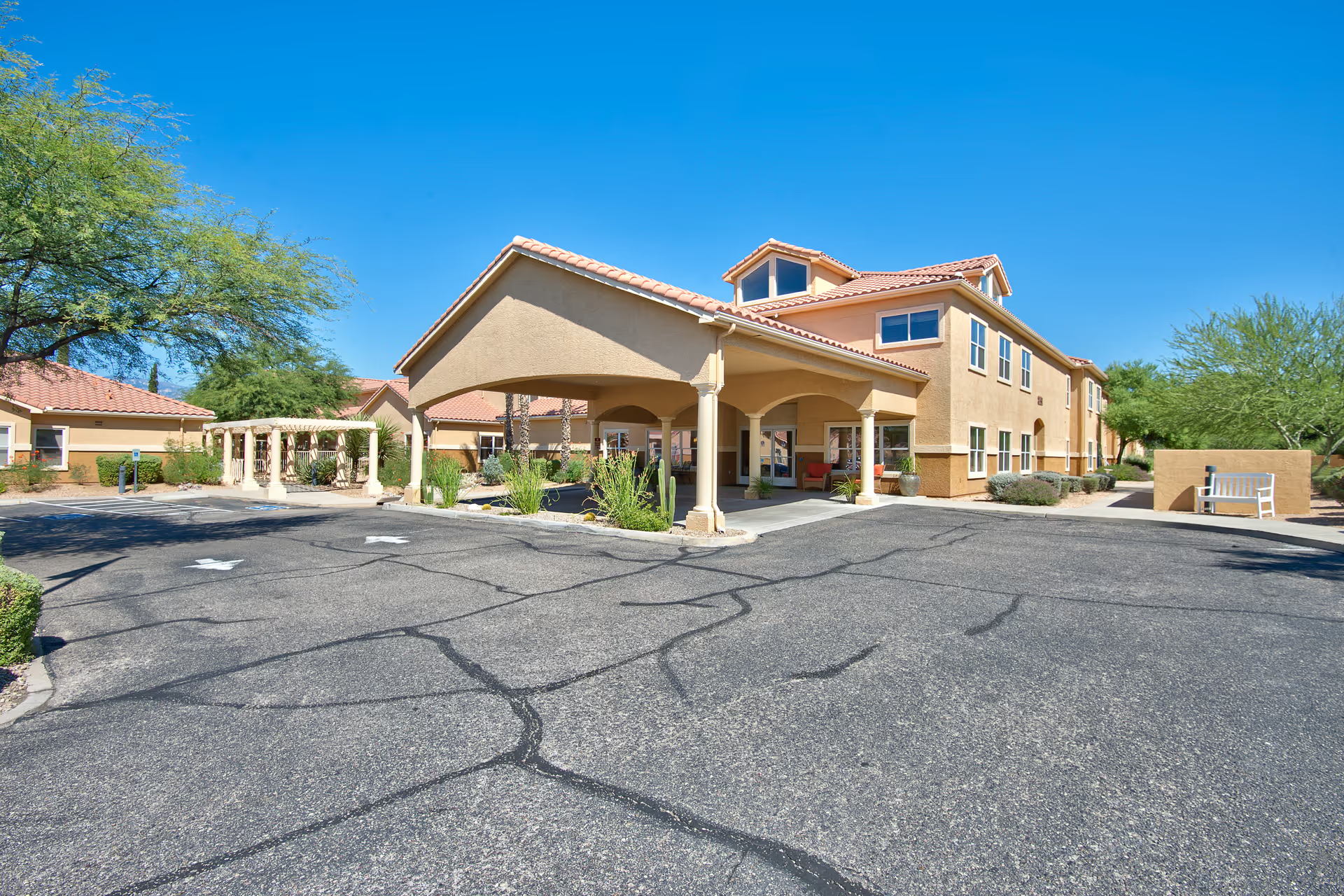
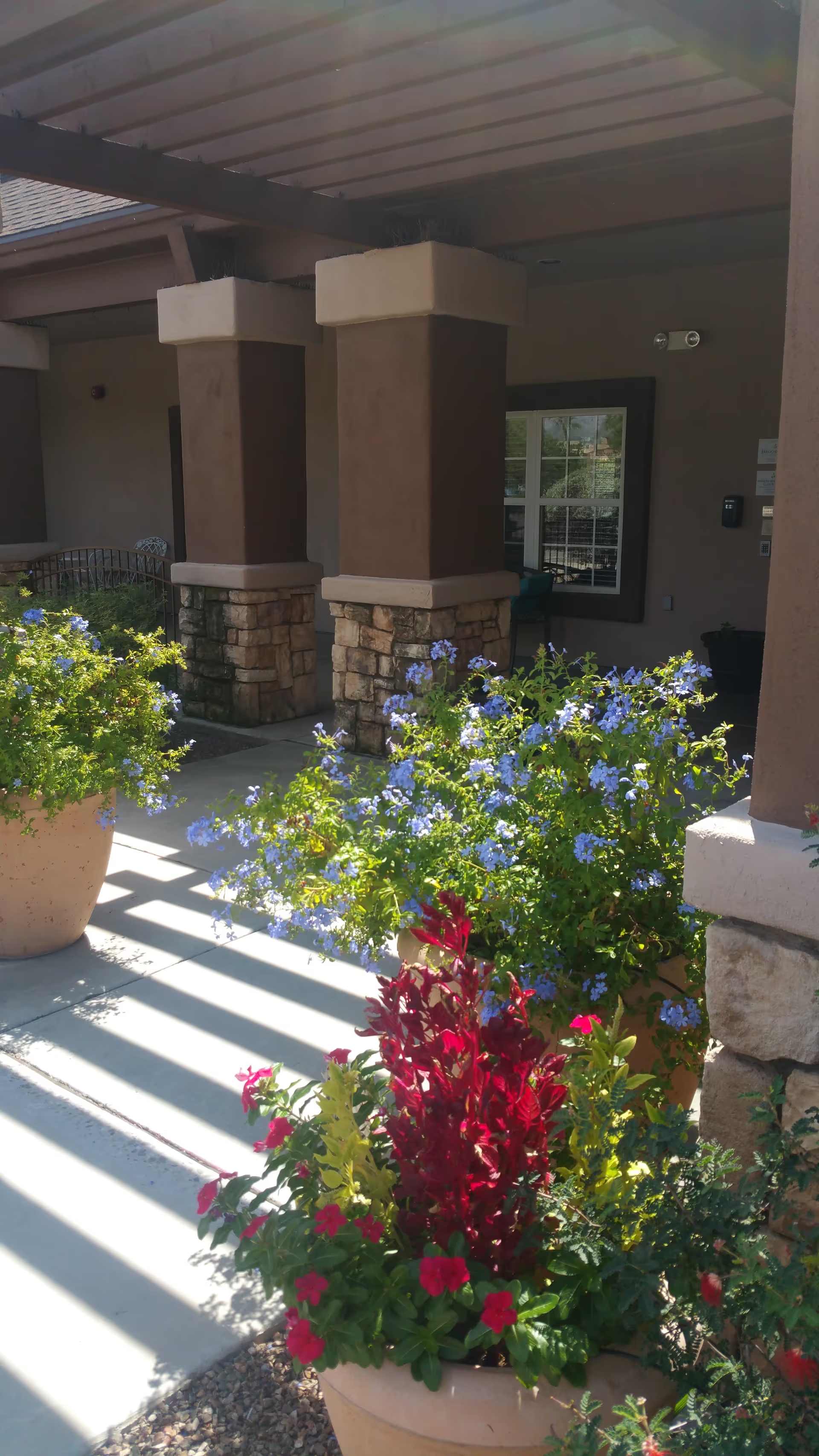
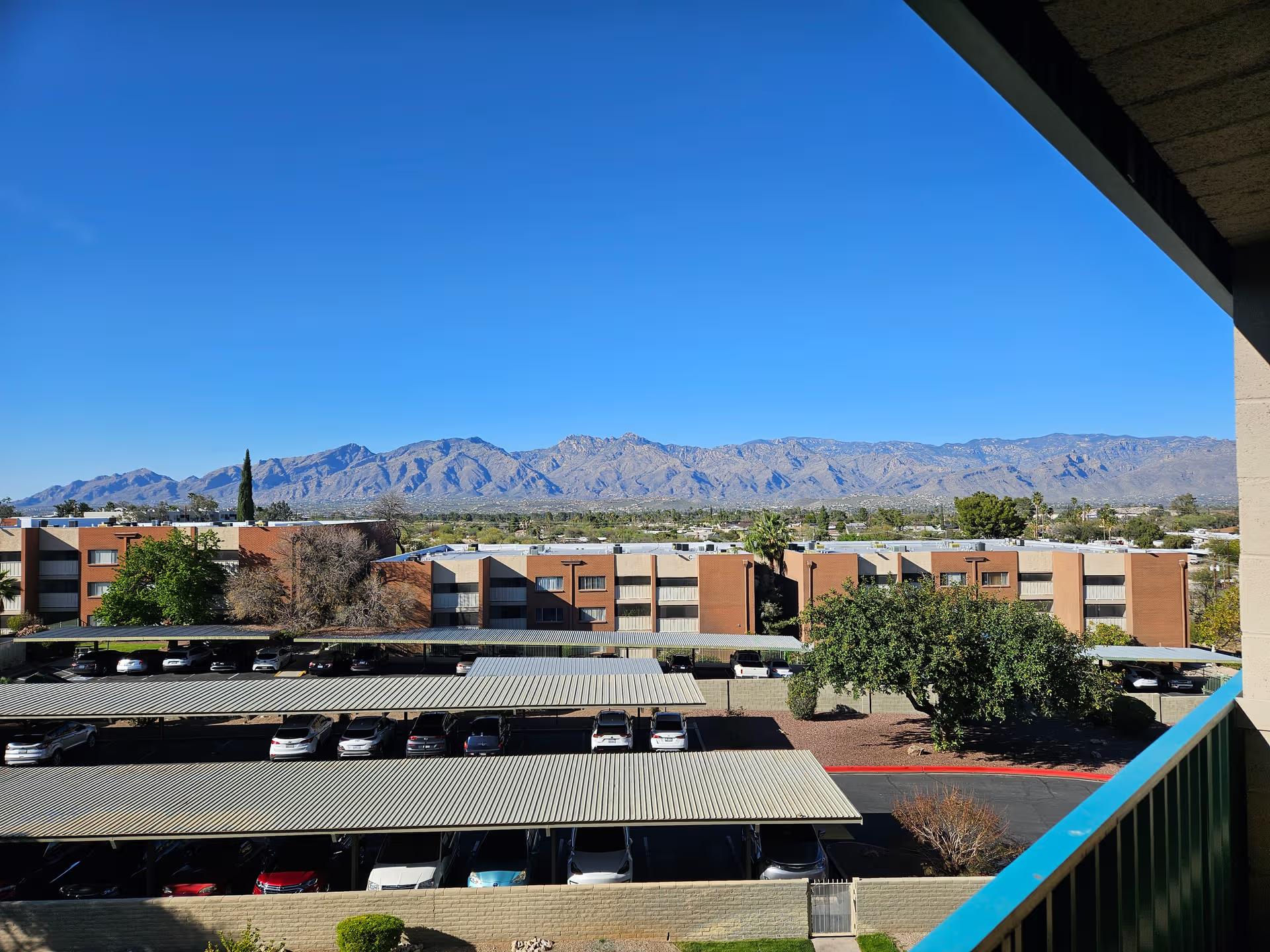
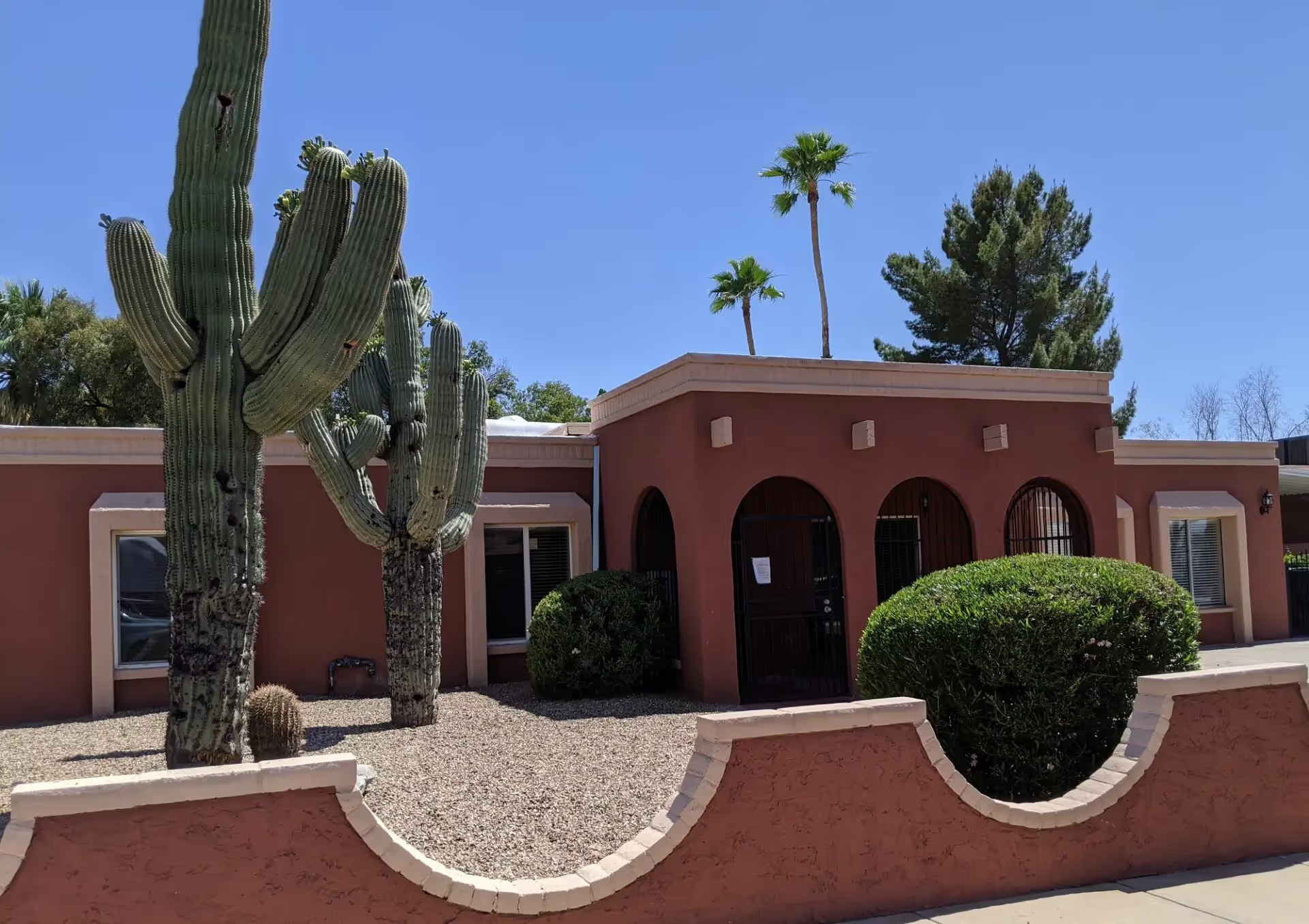
Facility and apartment features are another positive: units are described as spacious (including companion suites with kitchenettes and walk-in storage), and common areas are often reported as clean, bright, and welcoming. Practical services such as on-site laundry, prompt maintenance response, cable/AC in rooms, and scooter-friendly access are consistently appreciated. The community accepts VA/ALTCS/Medicaid and offers assistance navigating financial aid, which many families found helpful in keeping residents in place.
Despite these strengths, multiple operational concerns recur. Staffing stability is a prominent theme: reviewers report high turnover and inconsistent clinical coverage (intermittent LPN/RN availability), and some describe noticeable nighttime staffing shortfalls. Relatedly, caregiver responsiveness and conduct are described as variable — ranging from highly attentive to inattentive or discourteous — which contributes to uneven experiences of care. Housekeeping and room-preparation have been inconsistent for some residents, and a number of families called out gaps in communication and transparency about care issues and billing. Several reviewers raised billing and pricing-clarity concerns, including unexpected charges and rate changes.
There are also facility-level safety and operational constraints to consider. Several accounts point to limited mobility-transport capacity (notably small elevator capacity for multiple wheelchairs), and a few reviewers reported privacy or confidentiality lapses. A small number of reviews described serious managerial concerns that prompted external involvement; these are described here as allegations rather than established findings, and prospective families should inquire directly about any regulatory actions or complaints.
Recommendation for prospective families: Sherwood Village appears to deliver strong social programming, comfortable living spaces, and a resident-centered culture in many cases, especially for memory-care needs. However, prospective residents and families should verify current staffing ratios (including overnight and LPN/RN coverage), ask about recent turnover and management stability, confirm elevator/transfer logistics for mobility needs, and request clear, itemized billing and visitation/privacy policies. An in-person tour that includes meeting nursing leadership, reviewing a current activity calendar, and speaking with dining and housekeeping supervisors will help clarify whether the facility’s operational consistency matches the positive caregiver culture many families describe.