The Fountains at La Cholla is consistently described as a well‑appointed, active continuing‑care community with a strong emphasis on hospitality and social engagement. Care and front‑line staffing receive frequent praise: reviewers highlight compassionate, long‑tenured caregivers, a responsive 24/7 presence for security and emergencies, prompt maintenance, and concierge‑style front‑desk support. Families and residents commonly note thoughtful move‑in coordination, personalized transition assistance, and staff who learn residents’ names and preferences, which supports continuity of daily life and peace of mind.
Dining is a prominent strength of the community. The campus offers restaurant‑style service with diverse menus, Sunday brunches, and both dining‑room and cafeteria/deli options. Many reviewers praised presentation, menu variety, and friendly dining staff; residents may also prepare meals in select units. At the same time, there are recurring operational concerns around food service: inconsistent meal temperature and occasional variability in quality and presentation are noted, and menu options are not always well tailored to residents with specific dietary needs such as diabetes. Auxiliary meal charges (for extra meals) and optional food or cleaning services are part of some plans and should be clarified during the tour.
Activity programming and amenities are extensive. The community runs a broad calendar — exercise classes (including yoga and tai‑chi), lectures, arts and crafts, live music, outings to museums and theaters, and social events such as cocktail hours. On‑site amenities include a pool, gym, library, salon, recreation rooms, and secure navigation aids. The campus supports a continuum of care with memory‑care units and assisted‑living options, as well as transportation services to shopping and medical appointments, though shuttle schedules are limited to specific days and times.
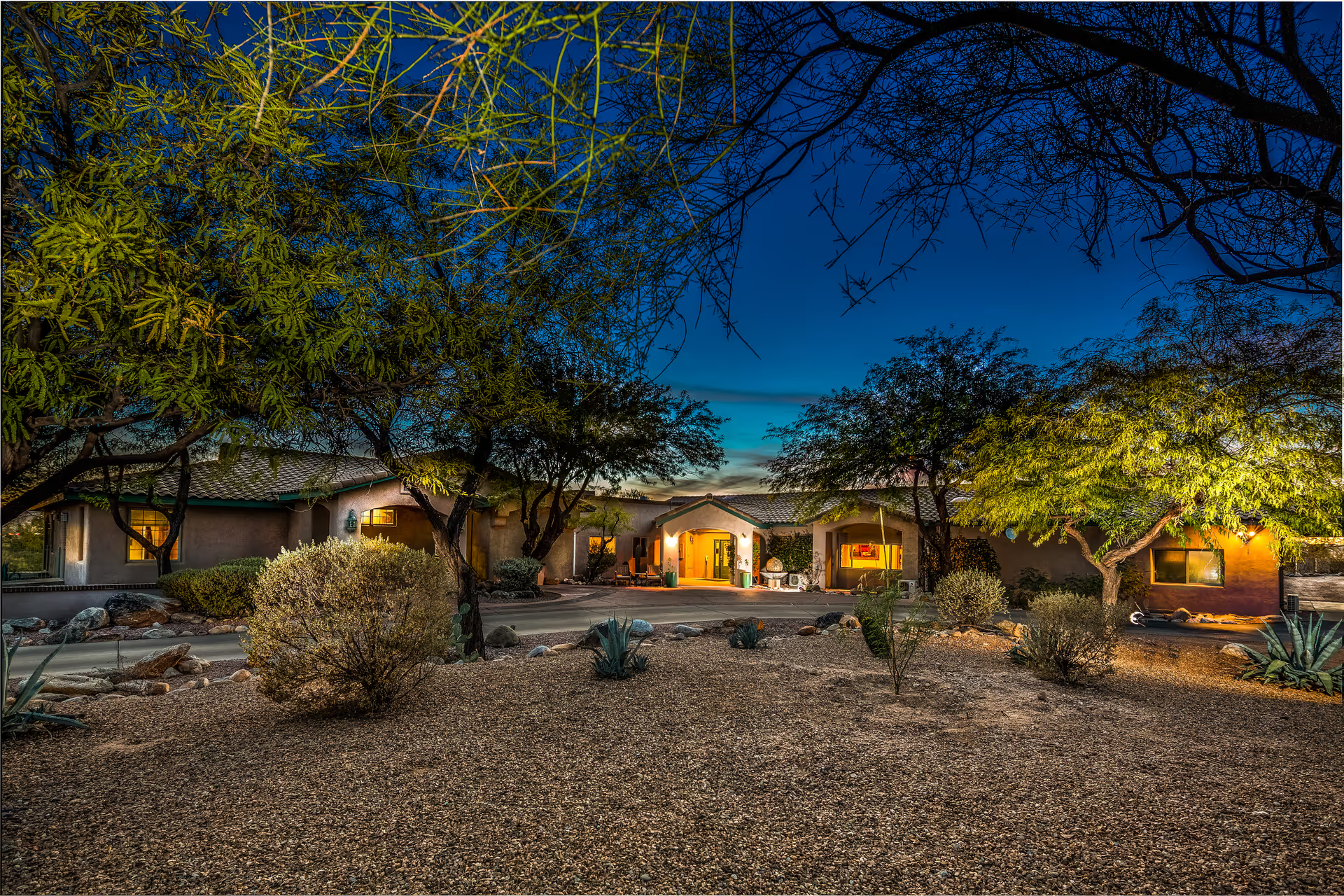
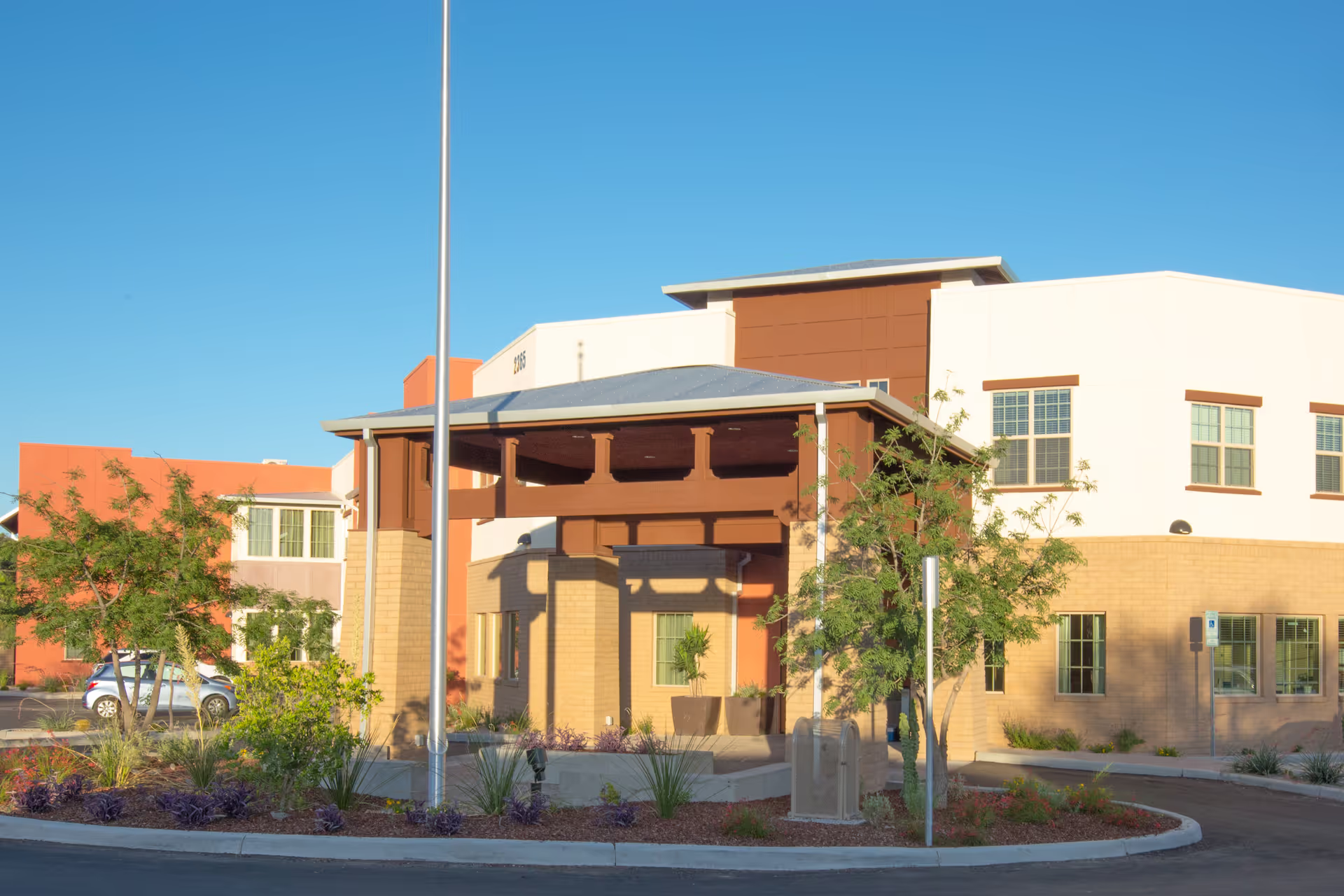
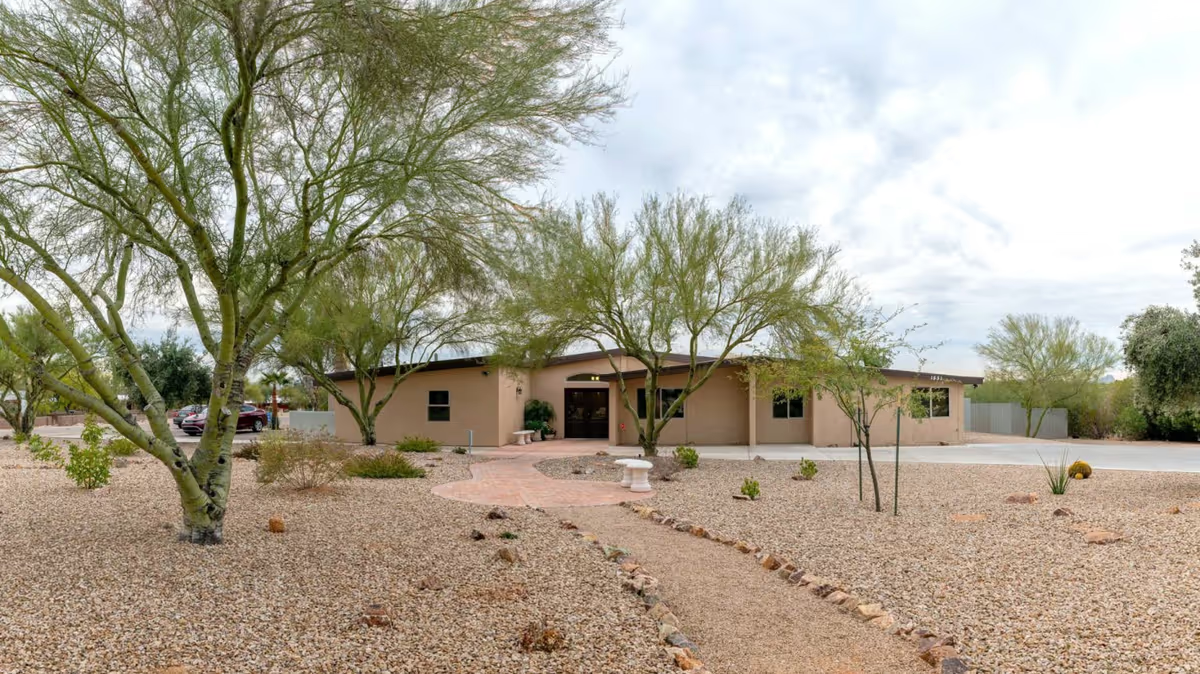
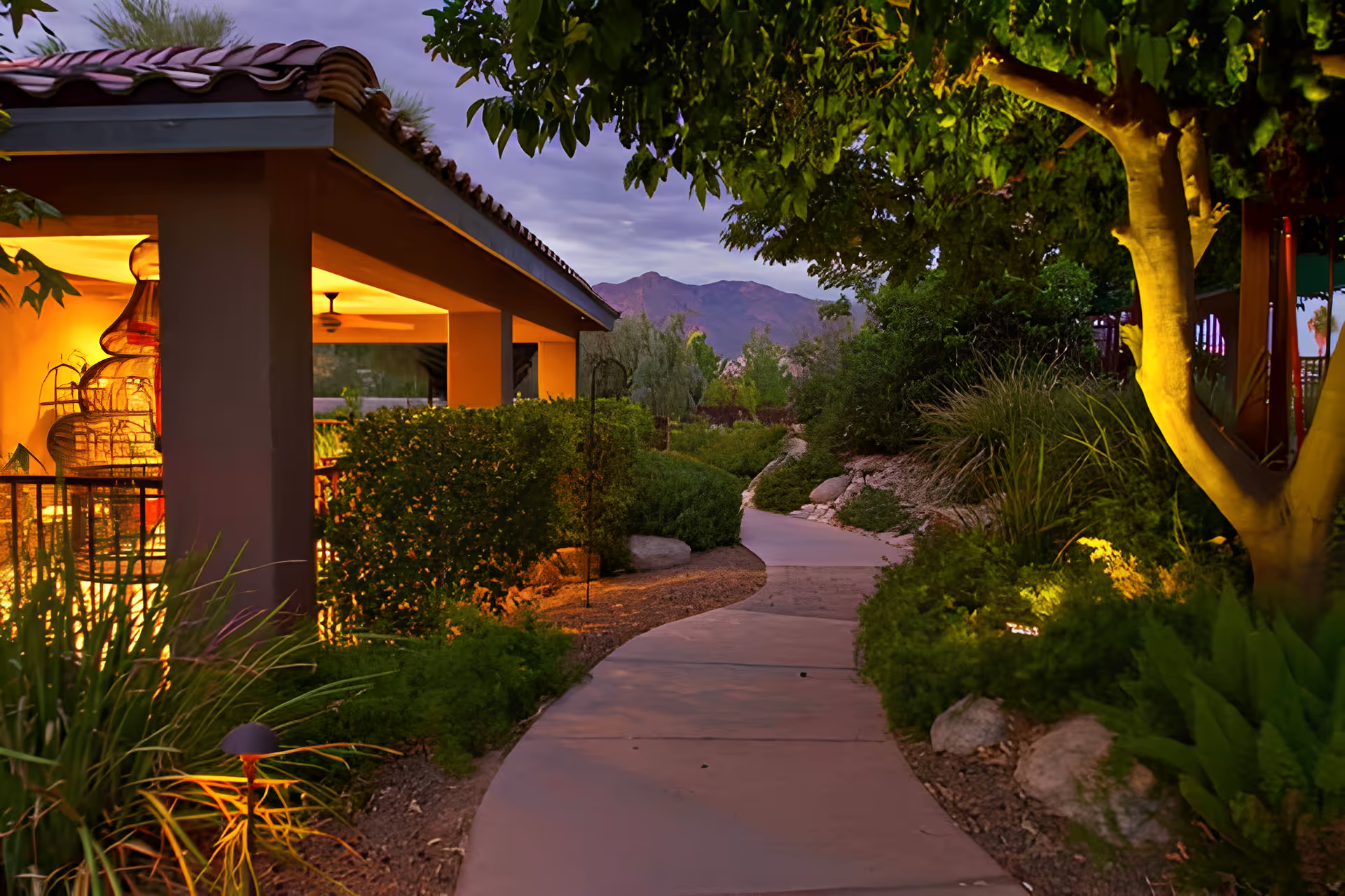
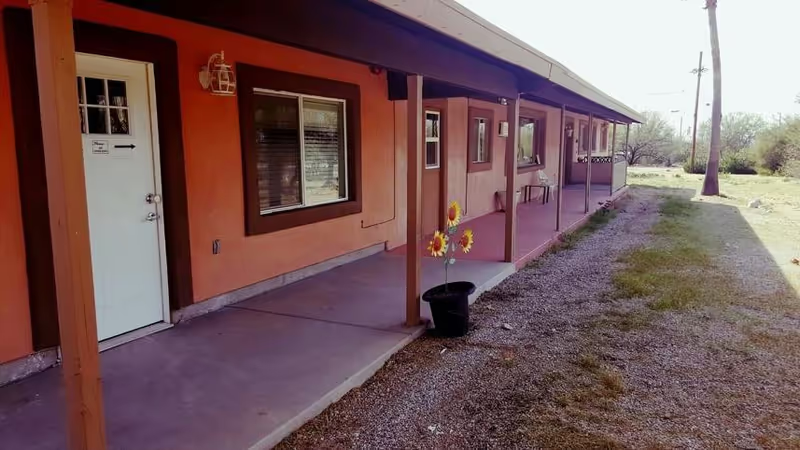
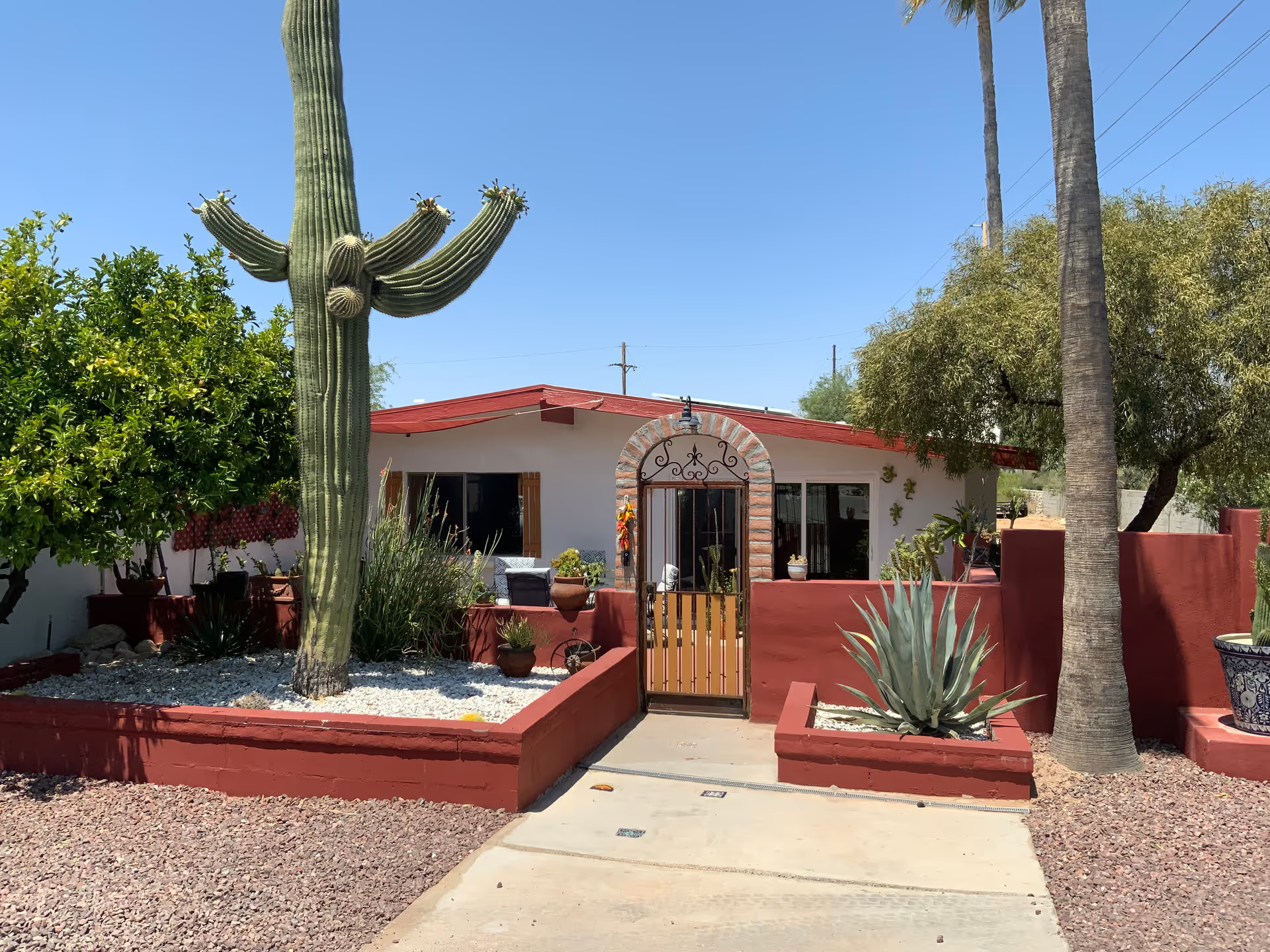
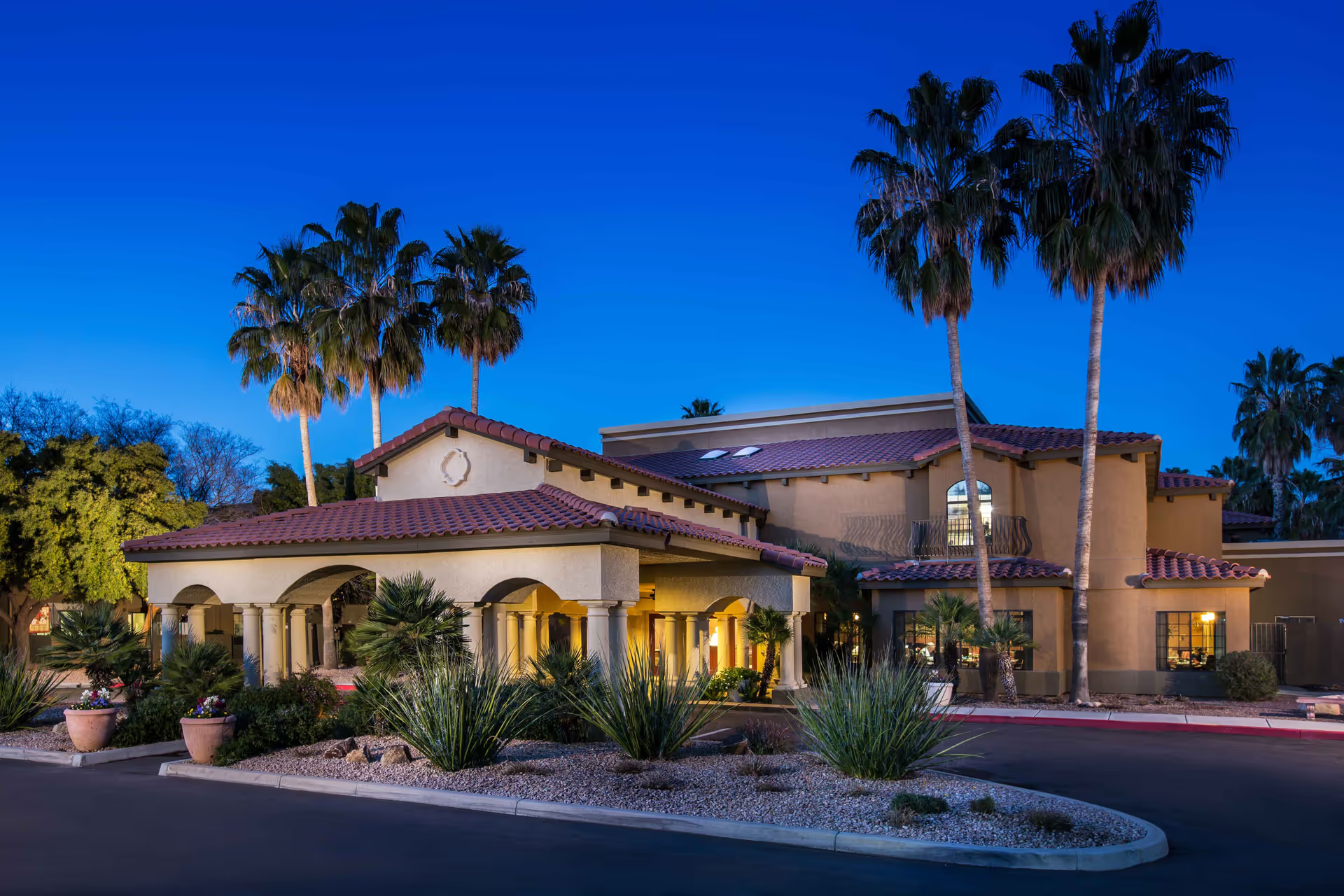
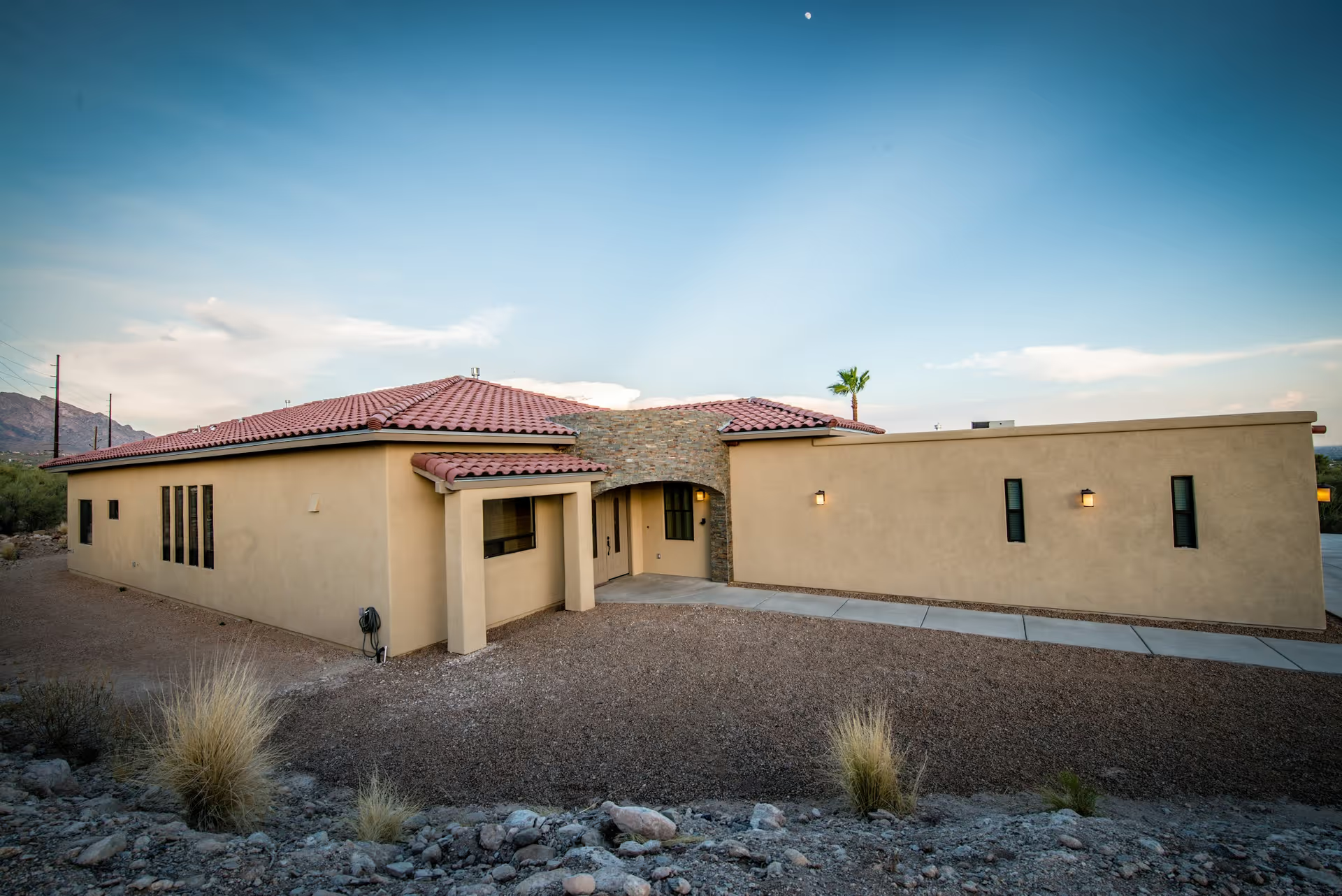
Facility condition and housing options receive positive remarks for landscaping, cleanliness, and a hotel‑like main building. Housing types range from ground‑level casitas with higher ceilings to smaller upstairs apartments and studio units with kitchenettes. Reviewers appreciate private patios, roomy casitas, and updated units; however, some apartment types are described as smaller with low ceilings and some buildings feel dated. The campus is large and multi‑building, which can mean significant walking distances between independent living, assisted living, and memory care — a practical consideration for residents with limited mobility.
Management and administrative patterns are generally favorable: marketing and move‑in staff are described as organized and helpful, and long staff tenure indicates low turnover. Noted operational weaknesses include periodic understaffing or variability in staff performance, annual rent increases, optional fees that complicate cost comparisons, and occasional communication gaps around service‑plan adherence or clinical needs. Transportation limitations, the physical separation of assisted‑living areas from independent living, and inconsistent meal accommodations for specialized diets are recurring themes families should evaluate.
Recommendation: prospective residents and families should tour the campus, sample dining at different service times, confirm the specifics of care and service plans (including frequency of housekeeping, extra‑meal charges, and policies for diet‑sensitive meals), and review transportation schedules and assisted‑living proximity relative to the chosen unit. Overall, the community is characterized by strong hospitality, abundant programming, and a well‑maintained campus, balanced against operational considerations around meal consistency, cost transparency, and logistics for residents with mobility or specialized clinical needs.