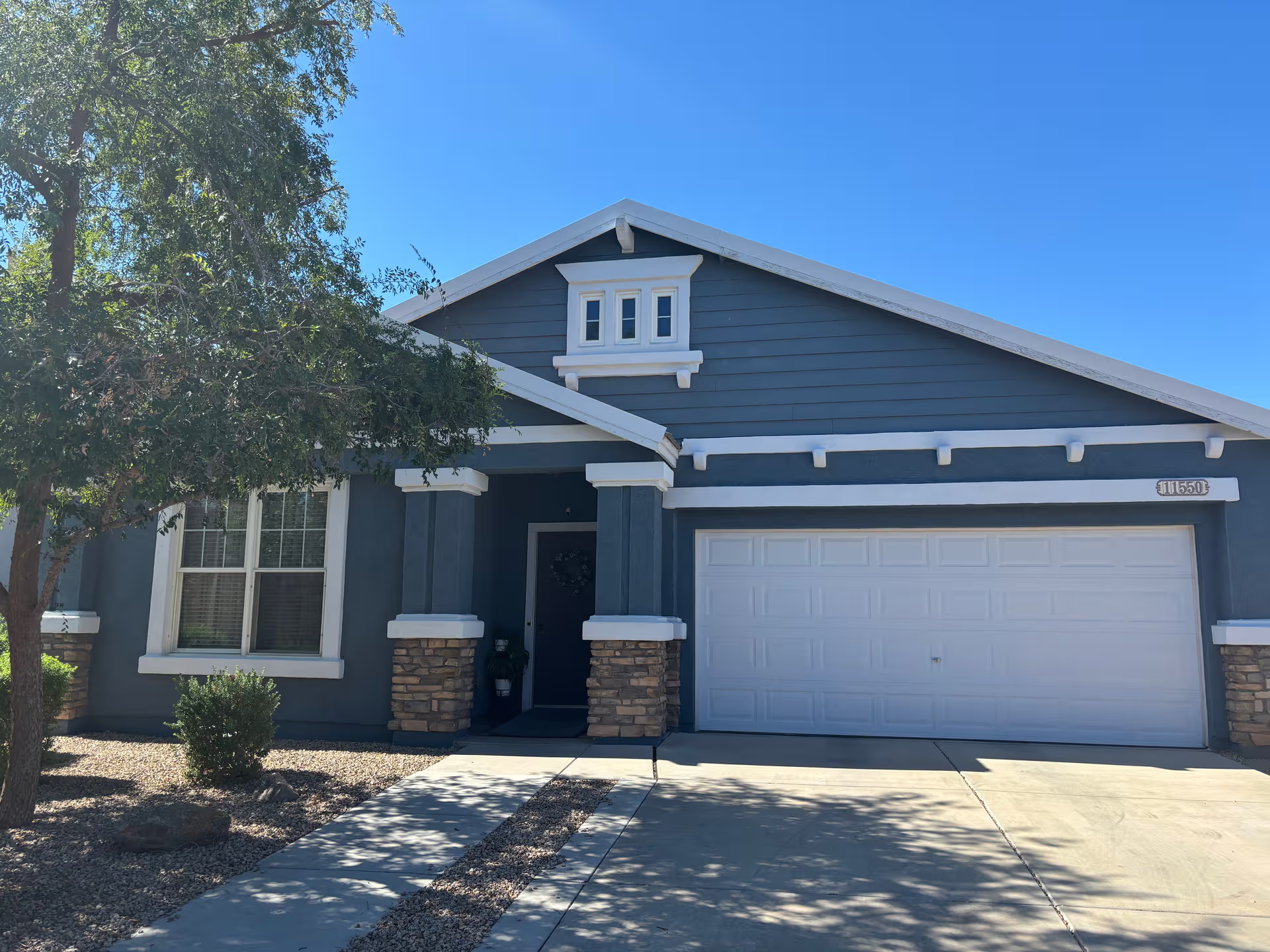
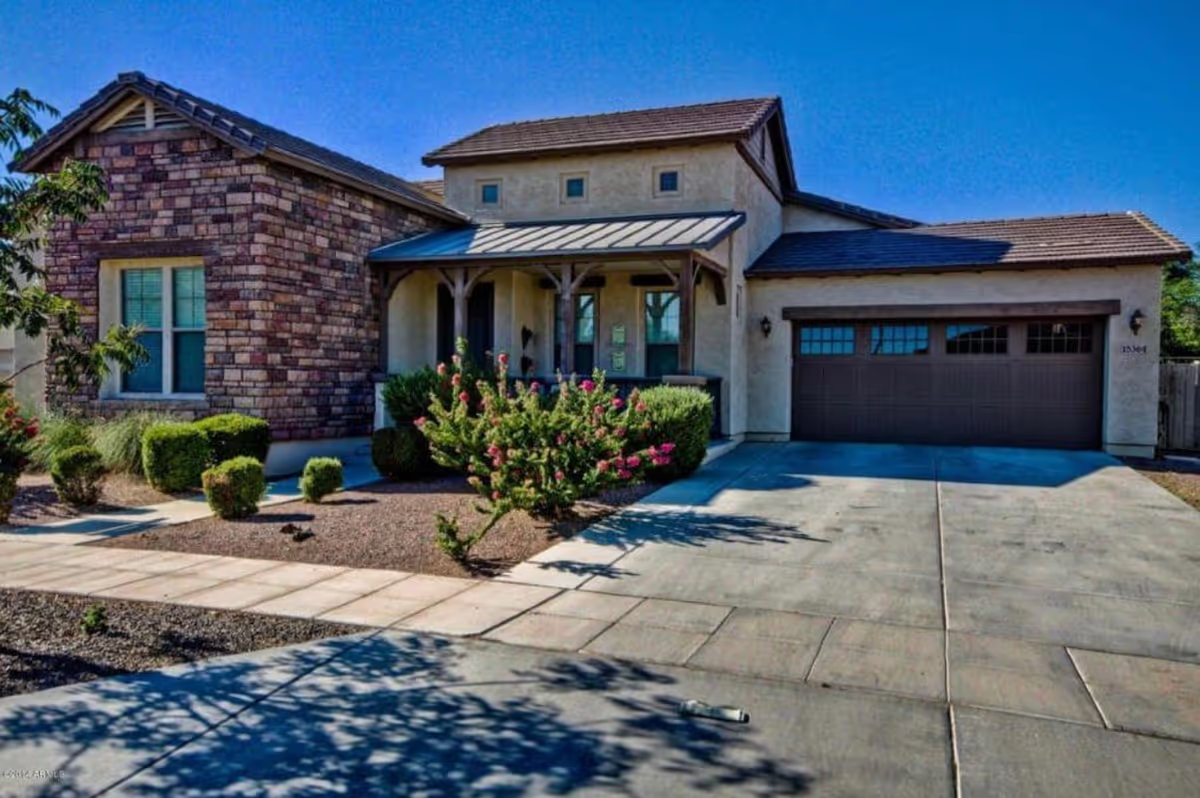
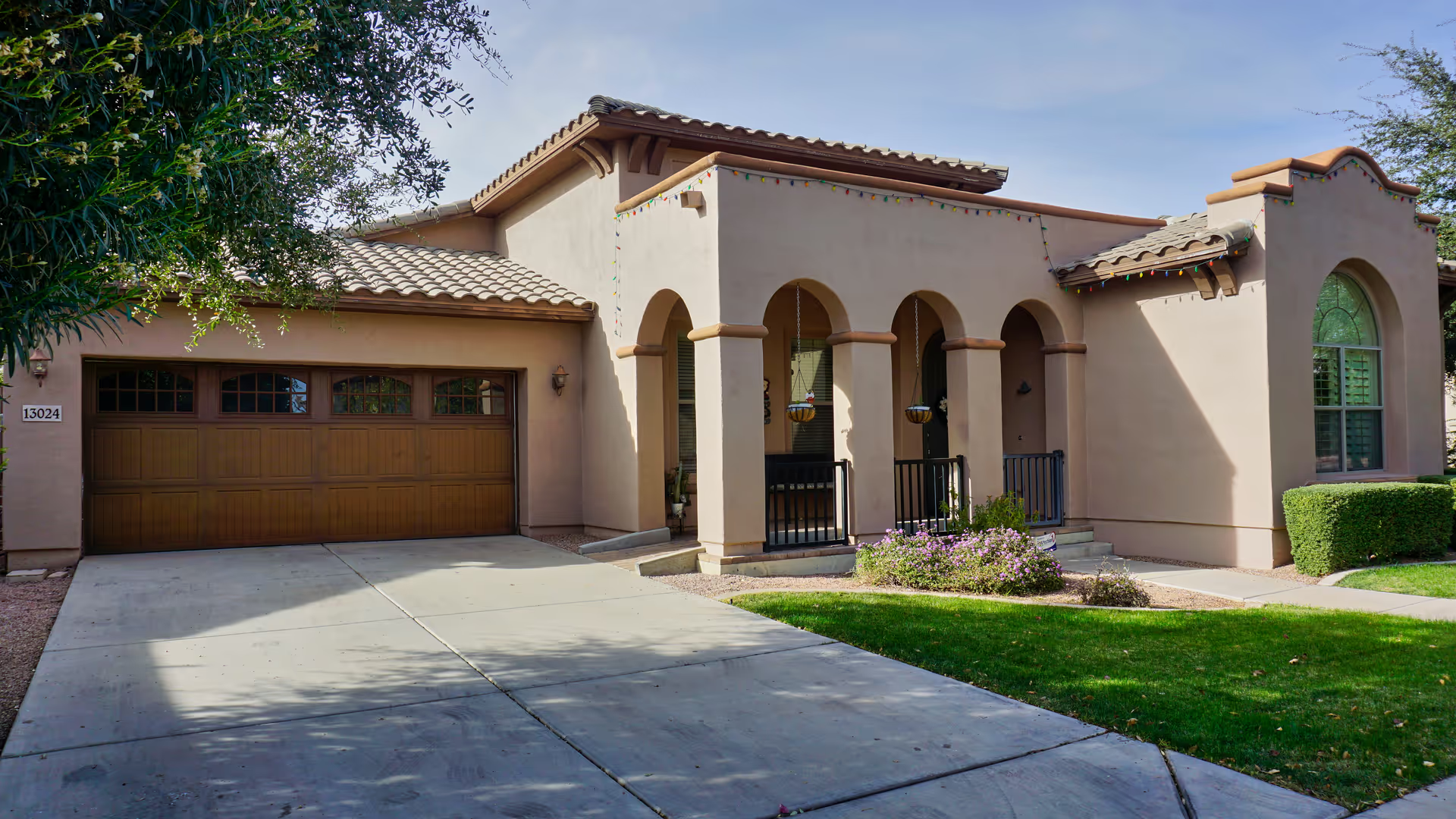
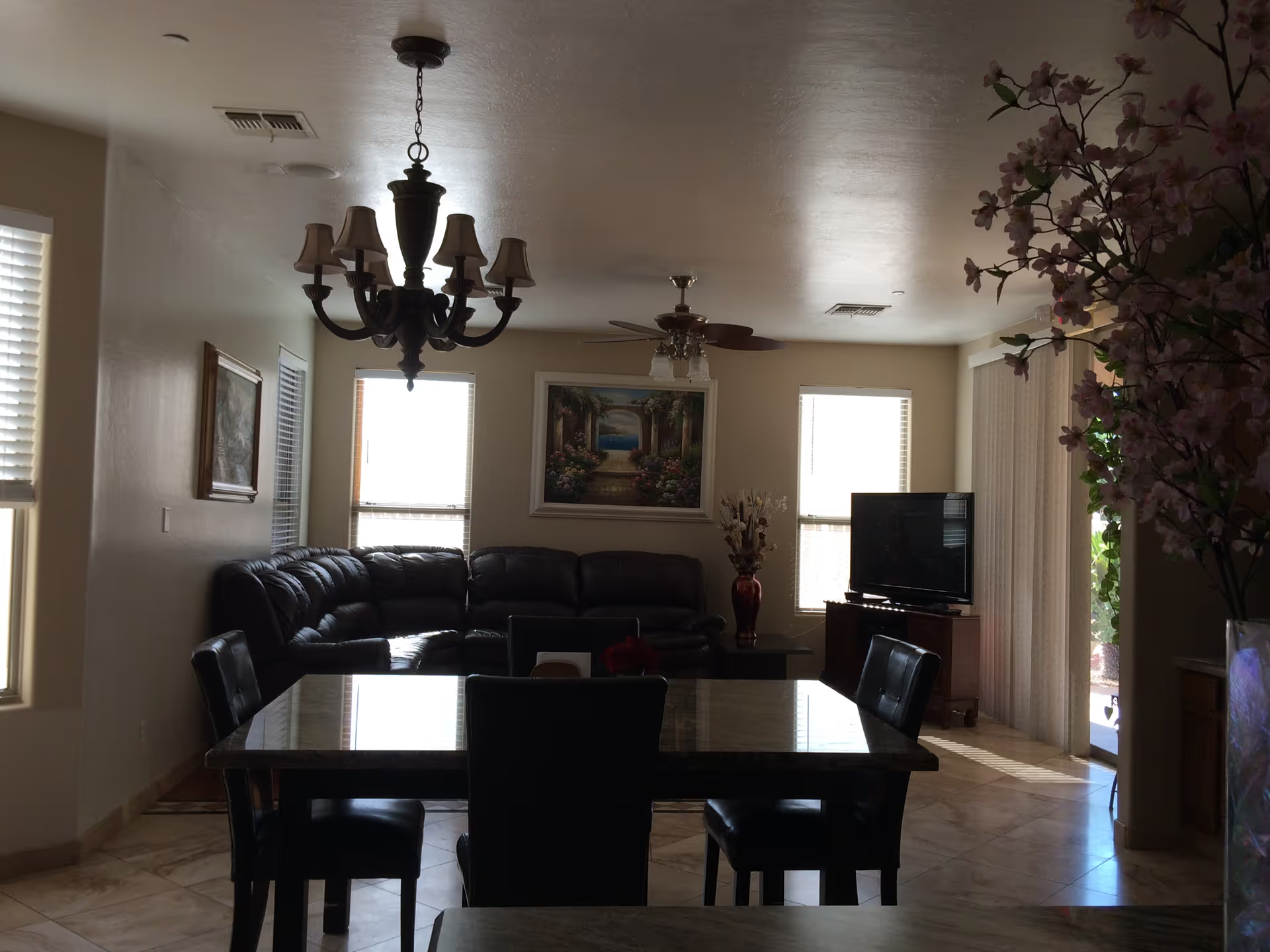
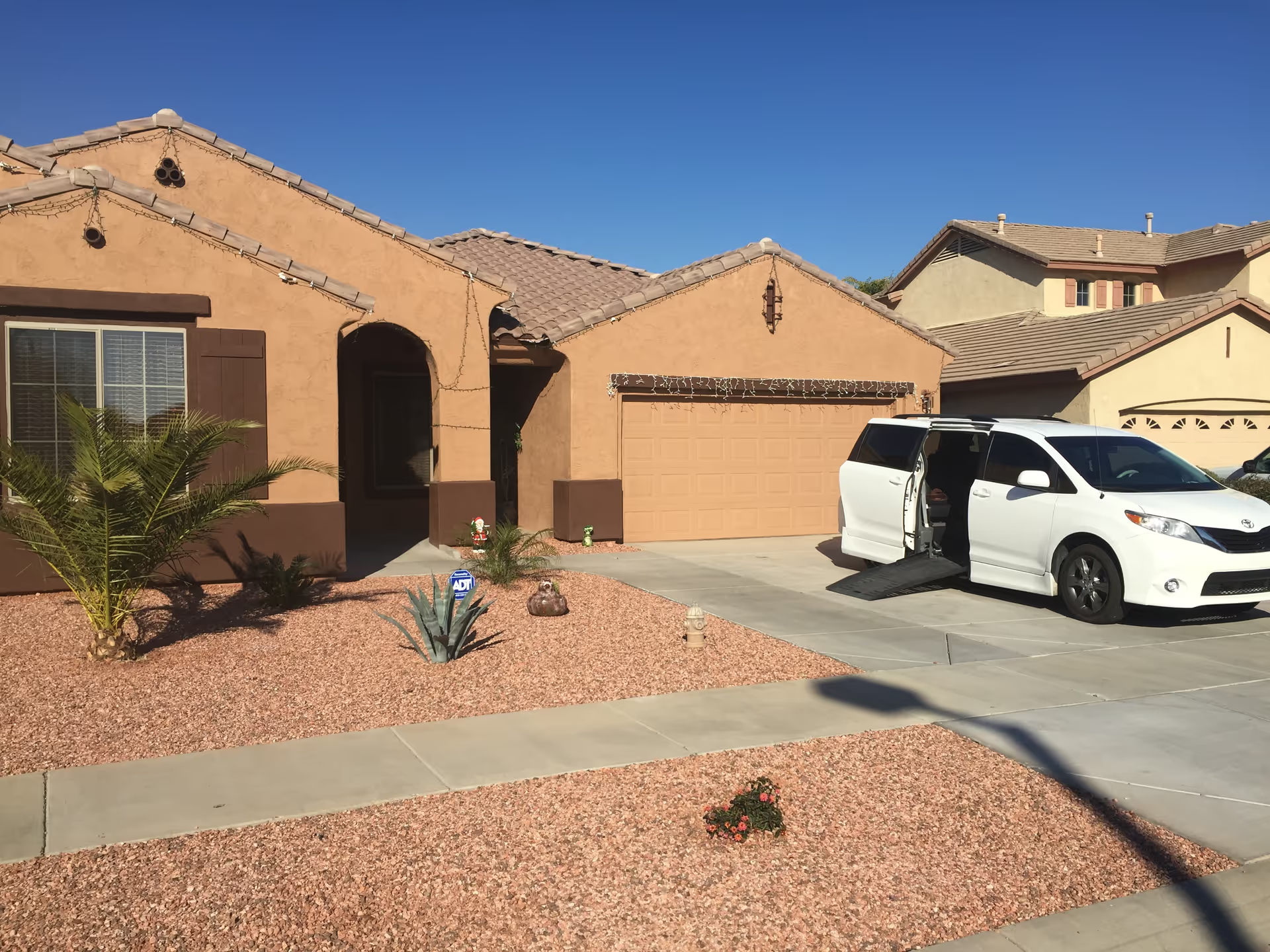
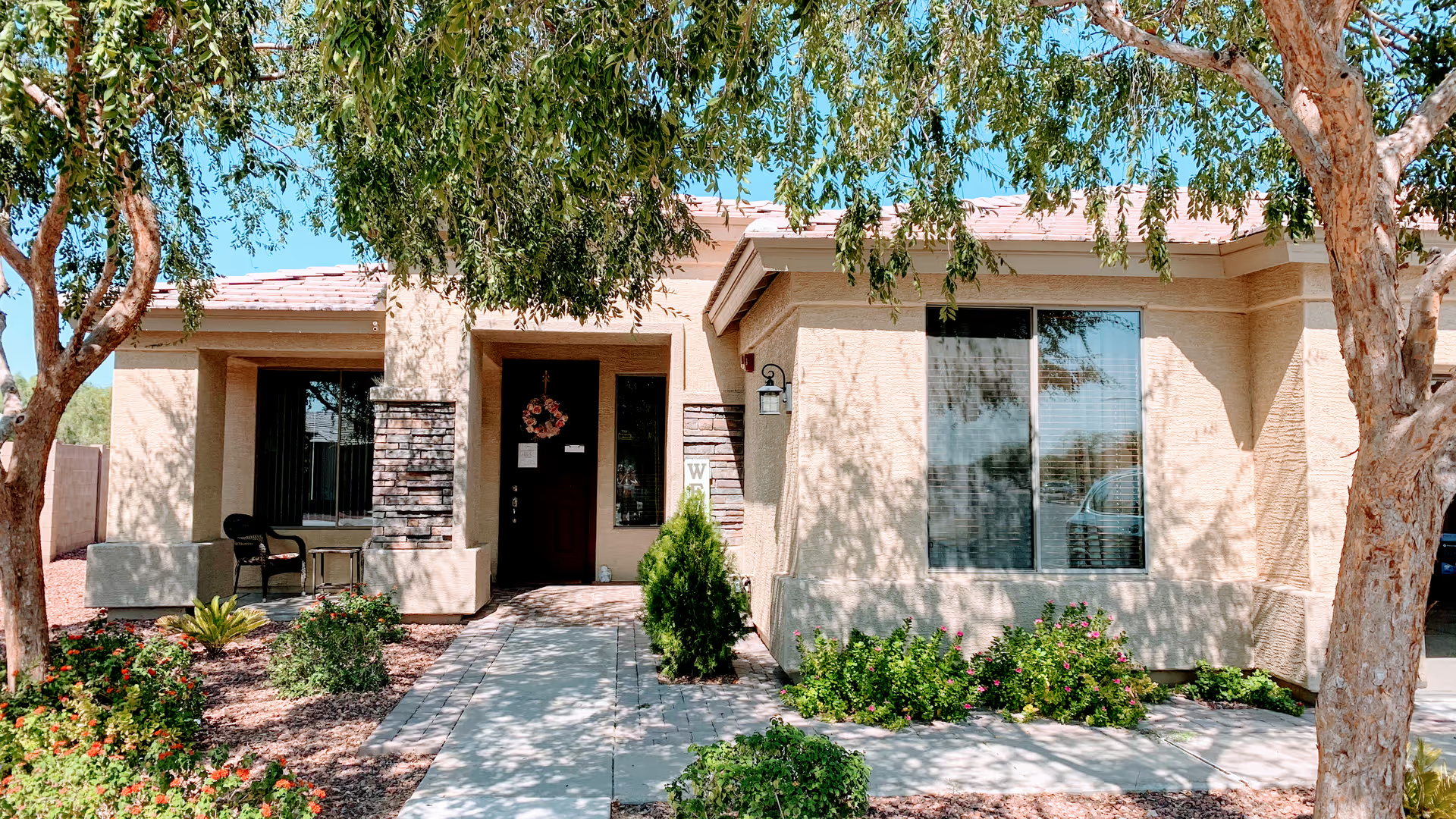
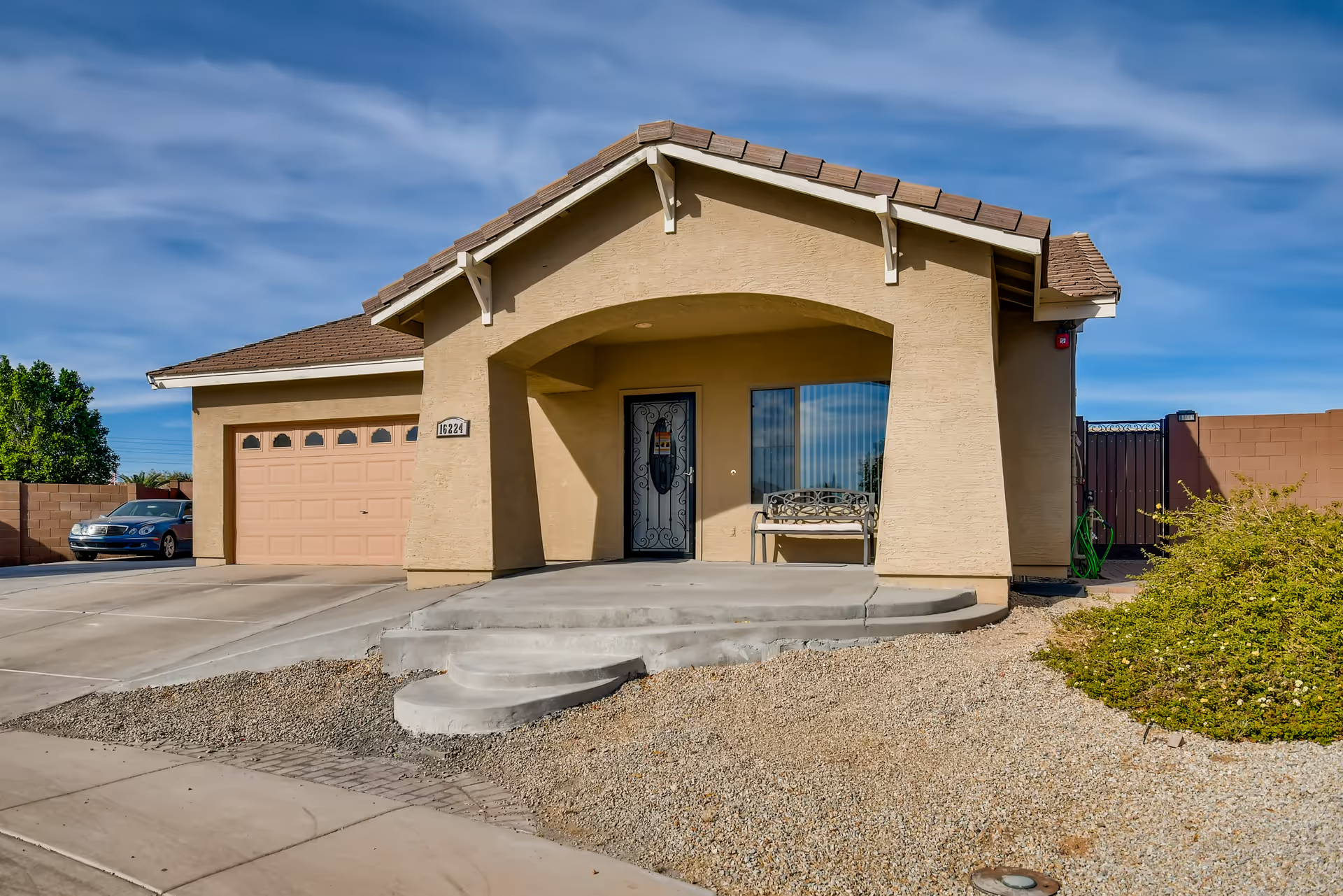
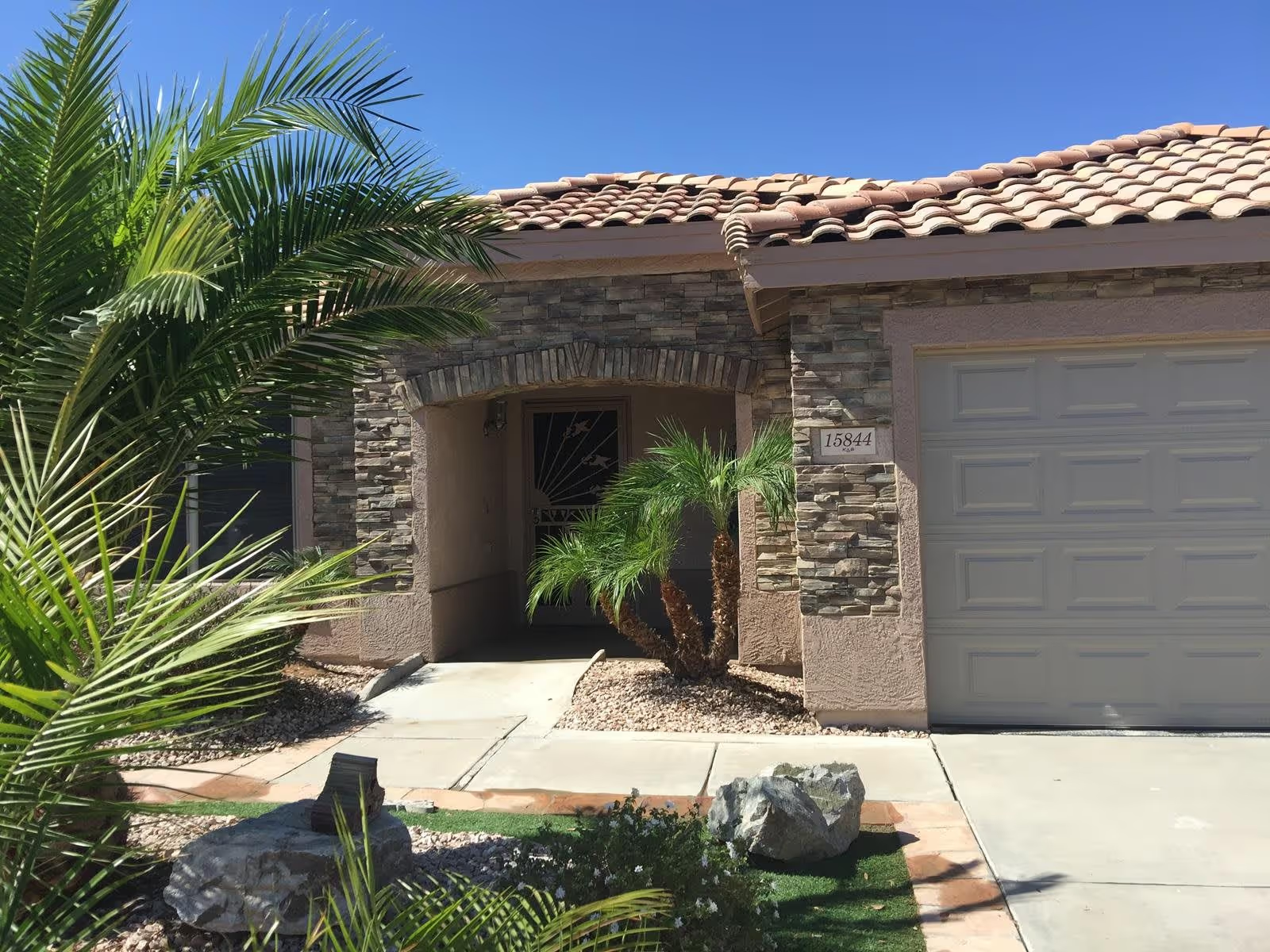
Elite Assisted Living Home II elicits a mixed but distinct pattern of feedback. Many families emphasize the facility’s home-like environment, cleanliness, and a generally caring staff led by accessible owners. Several reviewers spoke positively about personalized dietary accommodations, home-cooked meals, and observed weight gain or improved nutrition in residents. For prospective families the combination of a small-house setting, responsive management, and visible cleanliness are recurring strengths.
Care quality and clinical oversight appear uneven. While some families described effective day-to-day care and attentive caregivers, several reviewers reported serious clinical concerns — including medication-administration errors and issues with pressure-area monitoring — that suggest variability in clinical controls and oversight. These reports indicate a need to verify the facility’s medication-administration protocols, clinical staffing ratios, and plans for skin-integrity prevention when evaluating care suitability.
Staff and communication receive largely positive comments about individual caregivers’ attitudes and the availability of owners by phone, but there are frequent notes about inconsistent conduct and occasional difficult interactions with management. Several reviewers described instances that raised concerns about the tone of communication with families. There are also operational weaknesses around security of personal belongings; some reviewers described missing items, which points to inadequate controls for residents’ valuables and possessions.
Dining and social programming show a split: many residents and families praise the home-cooked meals, varied menus, and dietary coordination with physicians, yet others described inconsistent food quality. Activity programming is present (monthly activities and opportunities for socialization), and some residents are described as active and engaged with peers; however, other accounts portray low engagement during the day with residents spending long periods watching television. This suggests the activity program and staff involvement in social engagement may be inconsistent day-to-day.
Facility features include a clean, well-maintained interior and a comfortable residential scale, but there are accessibility limitations. Reviewers noted bathrooms without roll-in showers and closed doors that contribute to a less-open atmosphere and may impede mobility for residents with higher physical needs. These physical layout and accessibility constraints are important to confirm for people who require more extensive mobility accommodations.
In summary, Elite Assisted Living Home II presents strengths in atmosphere, cleanliness, and personalized dietary care, alongside important operational and clinical concerns in medication management, belongings security, activity engagement, and accessibility. Families evaluating the facility should balance positive caregiver reports and the home-like setting against the reported variability in clinical practices and staff engagement; direct questions about medication protocols, incident reporting, supervision, valuables policies, and accessibility features are recommended during a tour and discussion with management.