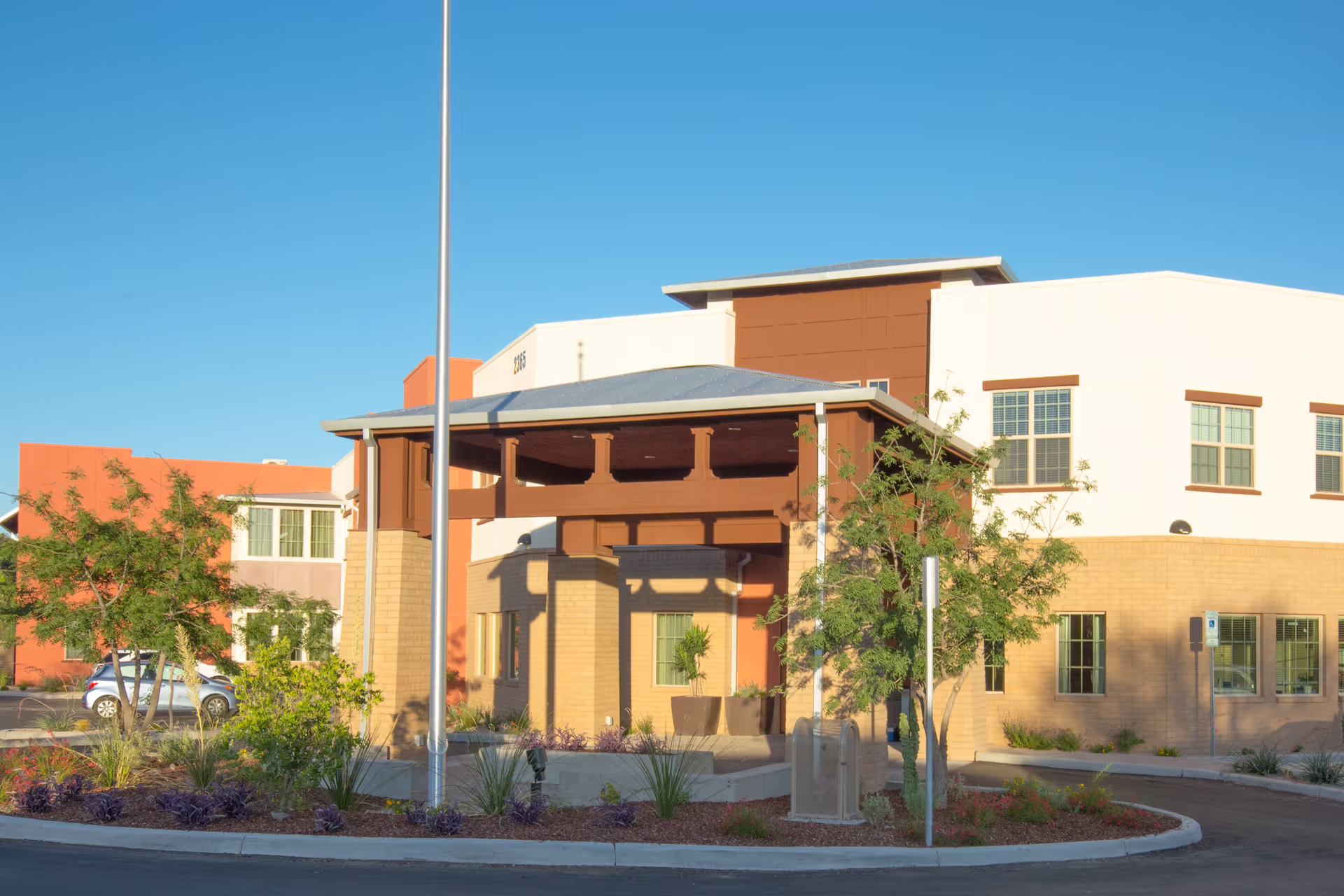
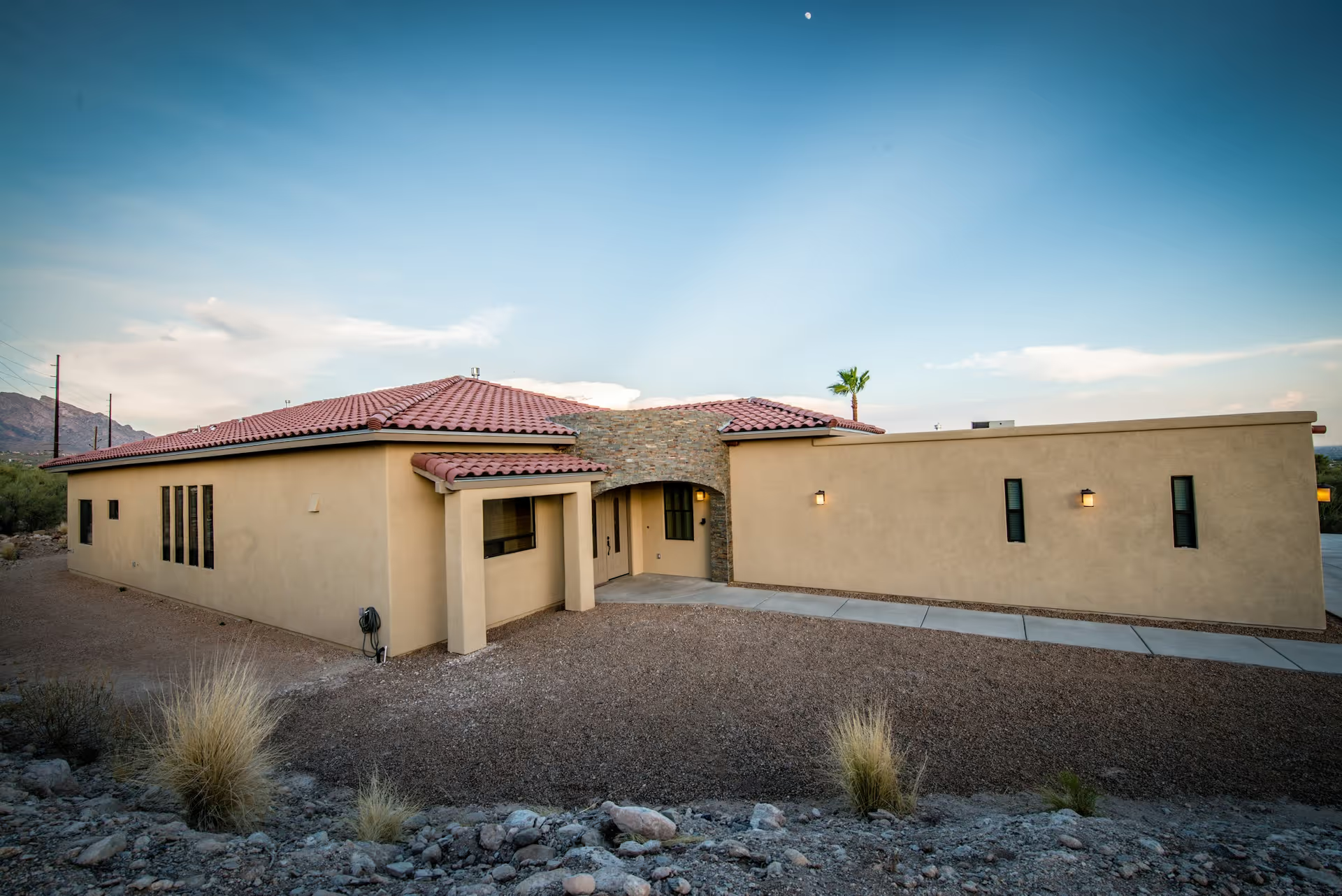
La Cañada Care Center elicits strongly mixed impressions. Many families and residents praised the facility’s rehabilitation services, social work and case-management support, and individual caregivers who demonstrated compassion and clinical skill. Physical and occupational therapy teams are repeatedly credited with measurable functional gains and safe discharges home. Admissions and placement staff are frequently described as helpful and organized, and several reviewers highlighted positive interactions with front-desk personnel, dietary staff, and housekeeping when those teams are engaged.
At the same time, a substantial set of operational concerns recurs across reviews. Staffing consistency appears to be the principal issue: reviewers describe reliance on temporary or contracted personnel, long call-light response times (especially overnight), and uneven nursing availability. These staffing patterns are associated with delayed medication administration, lapses in clinical follow-up (including wound and topical treatments), slow initiation of ordered therapies, and delayed recognition or escalation of acute clinical change. Several reviews describe situations that led to emergency department transfers or extended hospital stays after a nursing-home stay, indicating gaps in clinical surveillance and handoff processes.
Dining and nutrition are another area of variability. Some reviewers report pleasant meals and helpful dietary staff, while others report cold or over-seasoned food, limited diabetic-friendly options, and inconsistent meal timing. Activities programming and therapy-driven engagement receive generally positive comments when staffed and organized, but activity quality appears to vary by unit and by staff availability.
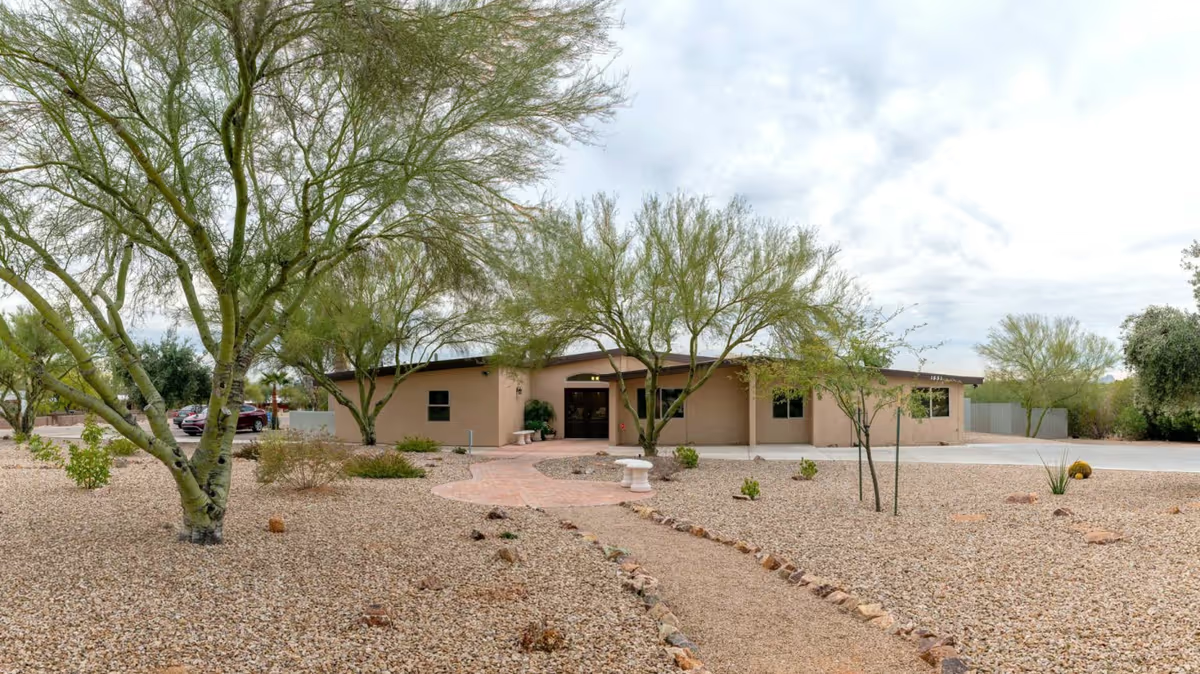
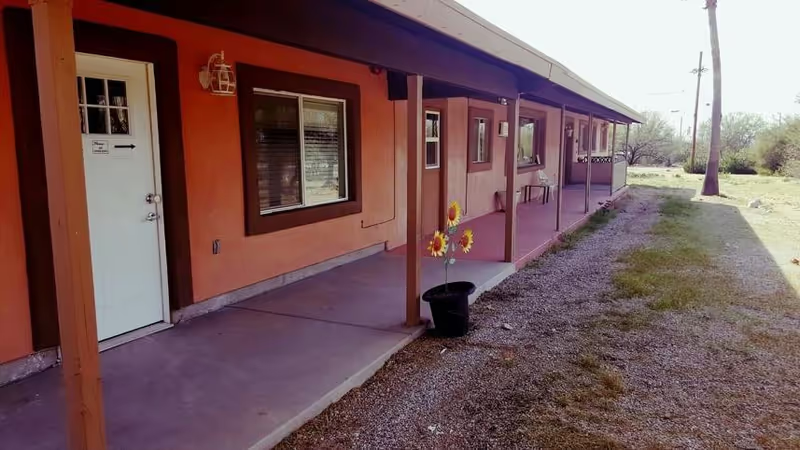
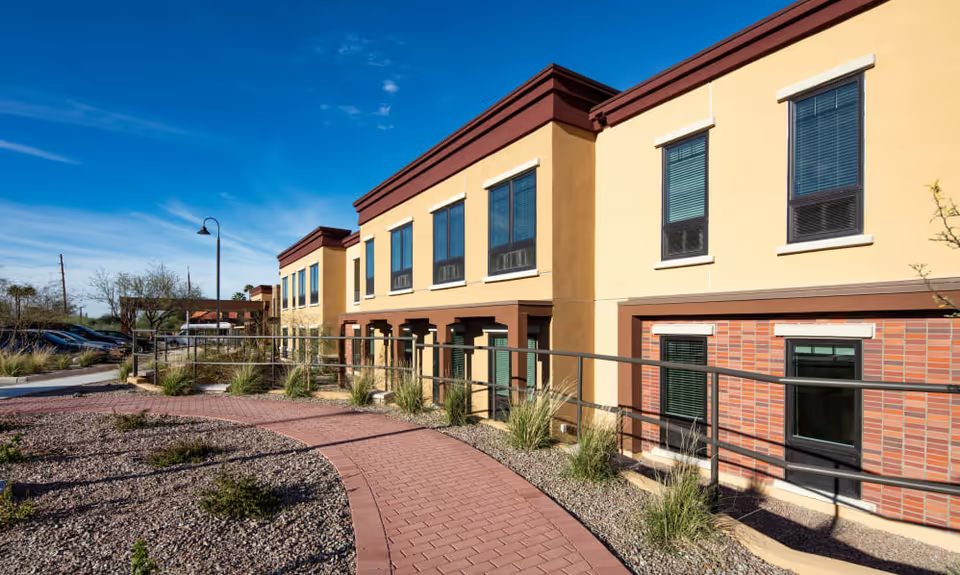
Facility and environmental issues are frequently mentioned. Positive descriptions of clean, welcoming common areas coexist with reports of sanitation concerns, pest-control issues, and aging infrastructure — including noise from nurses’ stations, small rooms with limited privacy, inconsistent room temperatures, and occasional maintenance shortfalls. These environmental inconsistencies can affect resident comfort and perceived safety.
Communication and management follow-through present both strengths and weaknesses. When the social work and case-management teams are proactive, families report clear guidance on insurance, specialist access, and successful discharge planning. Conversely, other families described poor communication, incomplete discharge packets, delays in coordinating home health or durable-medical-equipment needs, billing and prescription follow-up problems, and inconsistent responses from nursing leadership. A subset of reviews raises serious clinical and administrative concerns, including infection-control inconsistencies and alleged mishandling of belongings; those items merit direct verification through facility inquiry or regulatory channels.
Overall, La Cañada Care Center shows strengths in rehabilitation, social services, and individual staff members who provide high-quality, compassionate care. However, the facility exhibits significant variability in staffing stability, nighttime responsiveness, clinical follow-through, dining consistency, and environmental maintenance. Prospective residents and families should weigh the center’s strong therapy and case-management capabilities against these operational inconsistencies, ask targeted questions about night staffing, medication administration processes, wound and infection-control protocols, dietary accommodations, and discharge coordination, and consider an in-person visit and current regulatory records before making placement decisions.