Heritage Living Center elicits strongly mixed impressions: many families and former residents praise the facility for its skilled, therapy-centered approach and for staff who provide warm, attentive caregiving, while other accounts identify operational inconsistencies that affect day-to-day resident experience. Rehabilitation services repeatedly stand out as a core strength — reviewers cite effective physical, occupational, and speech therapy, frequent functional improvement, and a discharge focus that supports returning home. Activity programming, including live entertainment and social engagement, is routinely described as lively and beneficial to residents' well-being.
Direct care staff receive considerable positive mention for compassion and hands-on support; nursing aides, nurses, and therapy teams are often characterized as dedicated and effective. At the same time, staffing instability is a recurring theme. Shortages and uneven coverage — notably weaker performance on weekends and nights in several accounts — are associated with longer waits for assistance, inconsistent bathing schedules, and uneven supervision. These operational gaps are tied to reports of delayed responses to clinical changes and family concerns about monitoring and safety.
Dining and nutrition present a mixed picture. Multiple reviewers describe dietary accommodations and nutritious meals that supported recovery, but an equally persistent cluster of comments points to limited breakfast variety, menus not consistently followed, and instances of cold or poorly executed meals. Families sometimes brought outside food to address perceived gaps. Prospective residents should ask about menu cycles, alternate options, and how special-diet requests are handled.
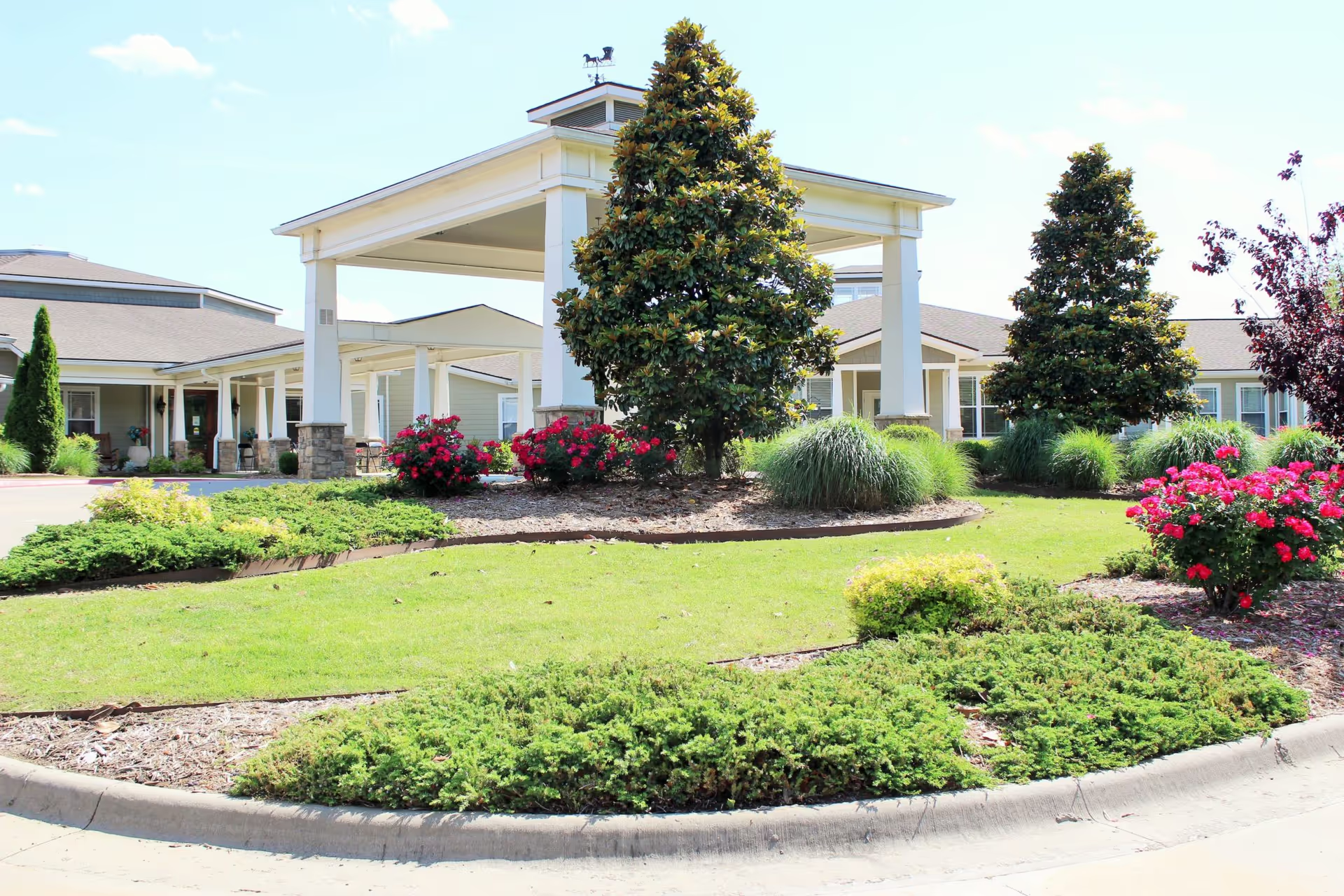
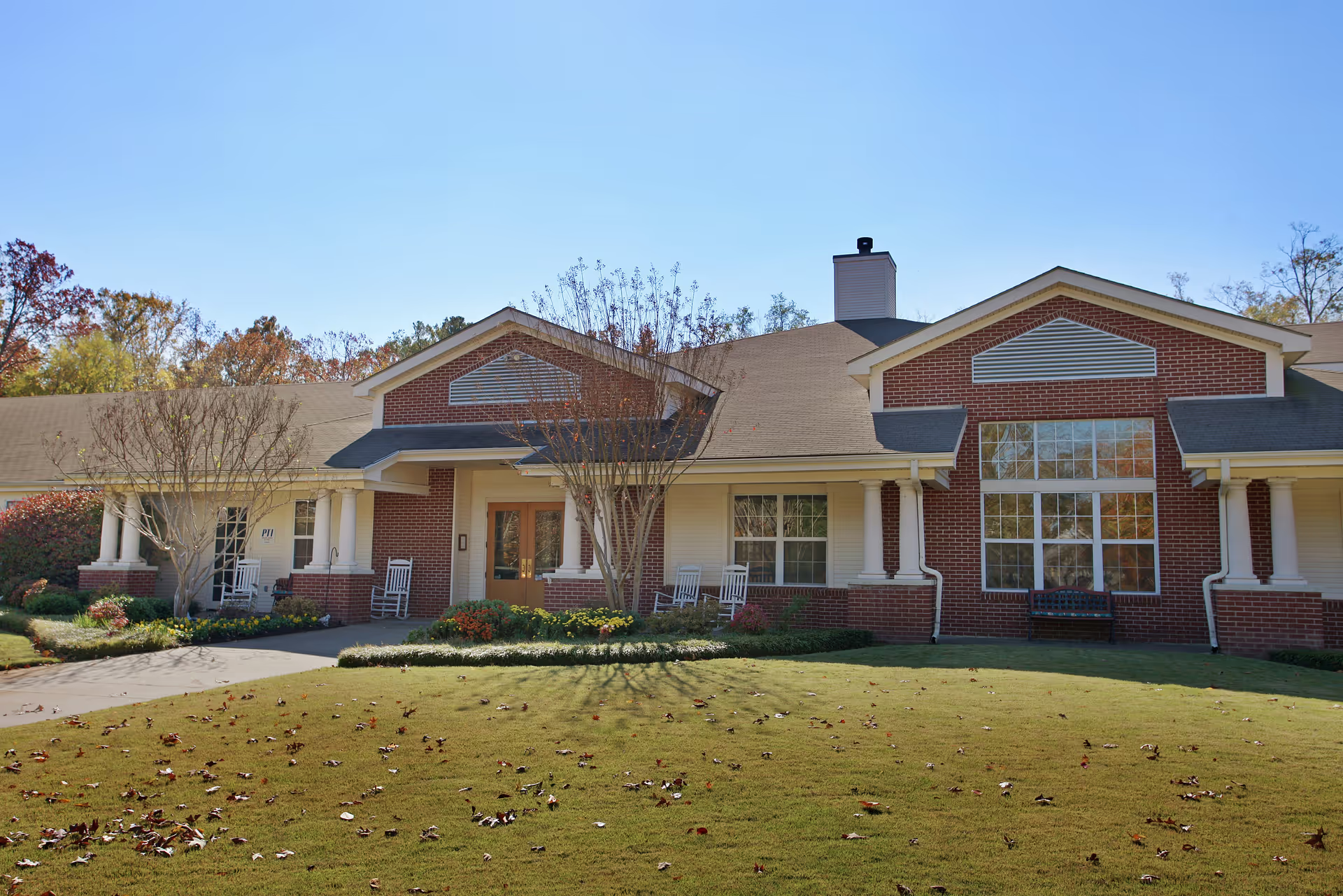
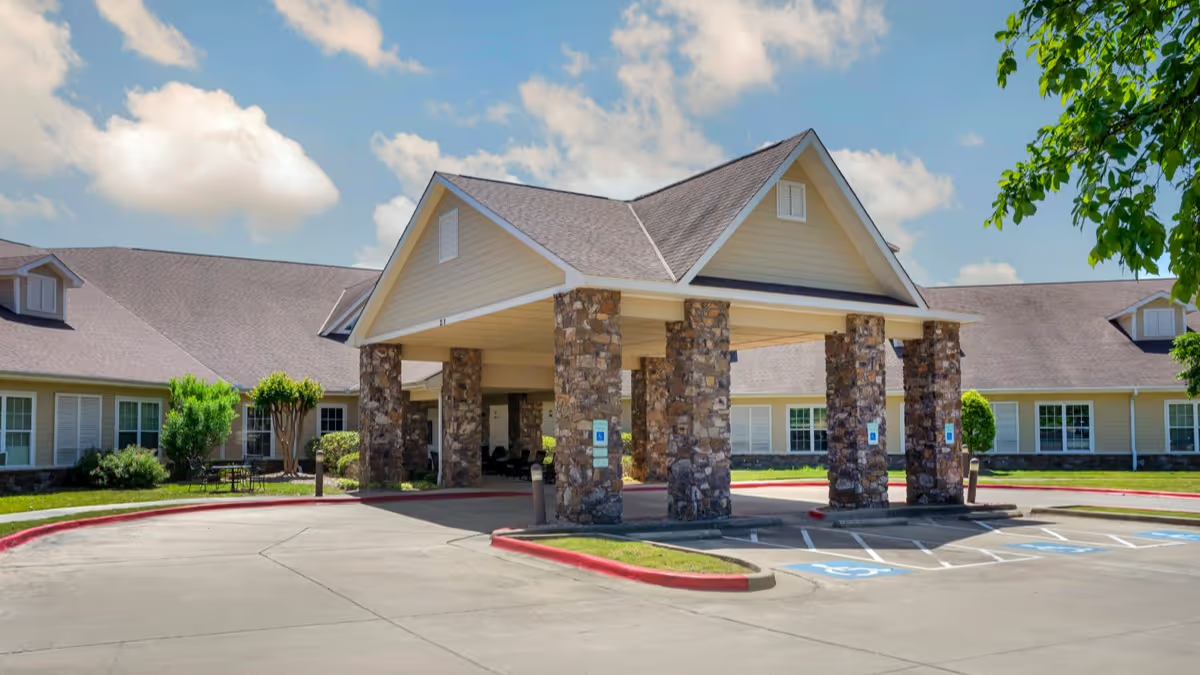
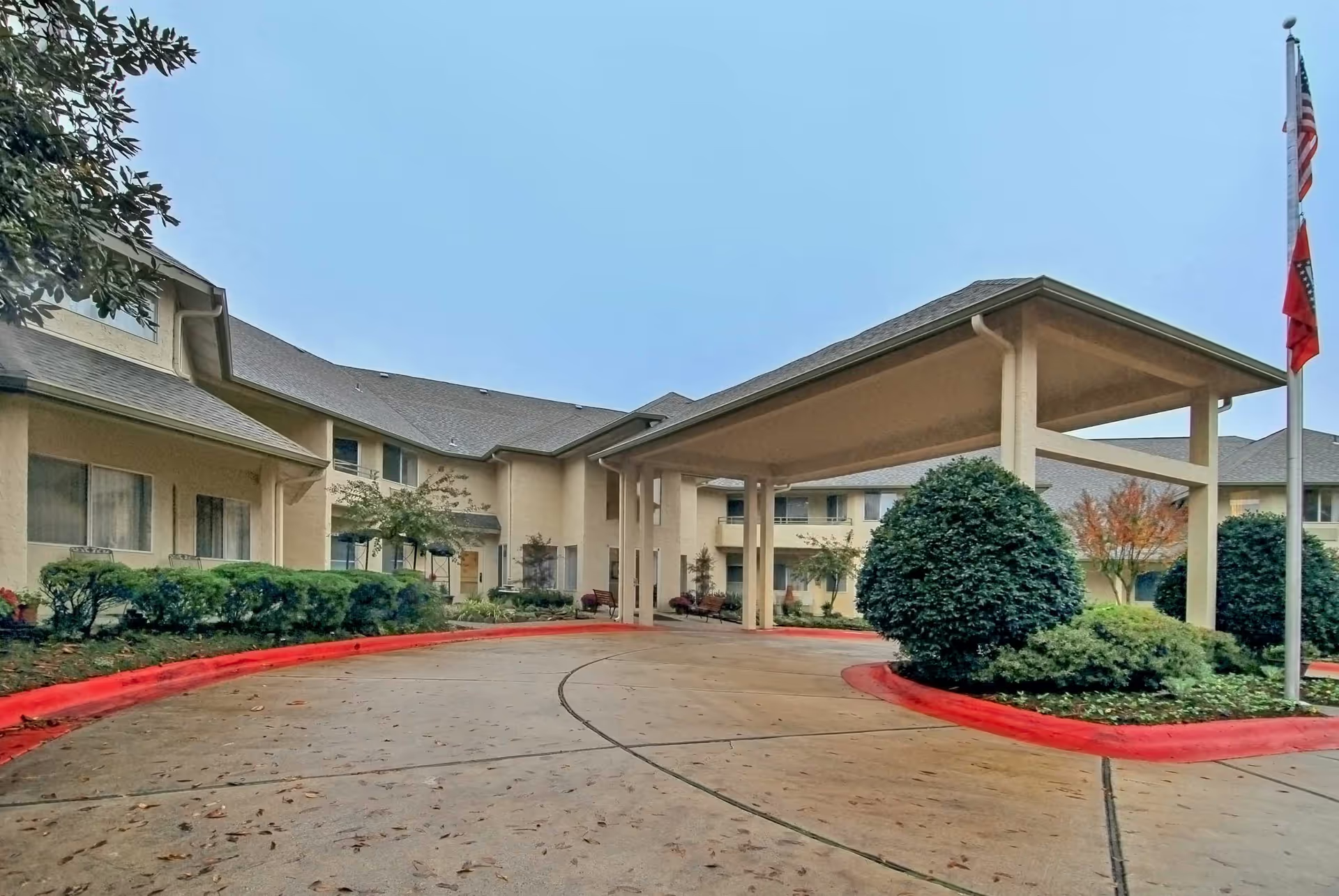
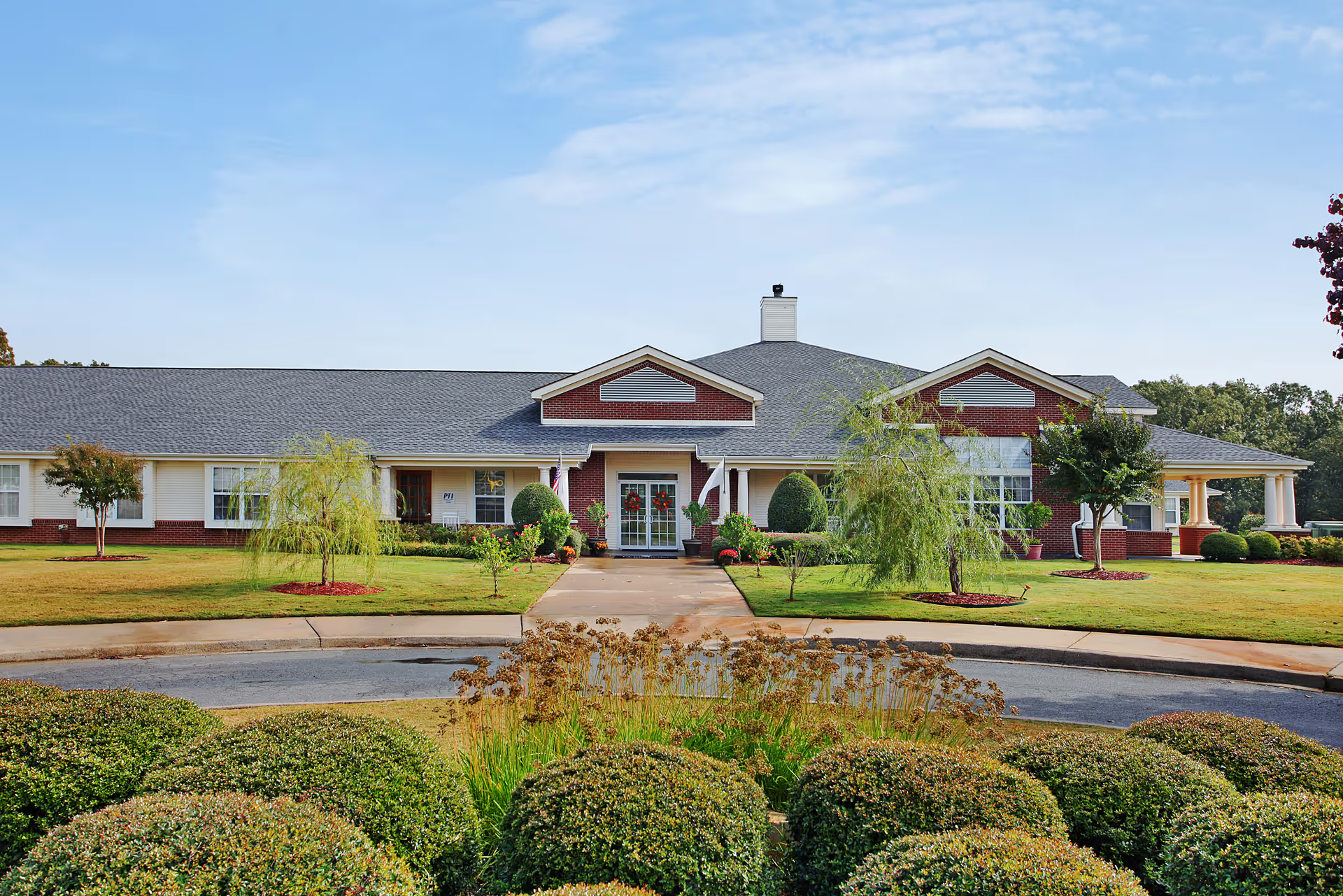
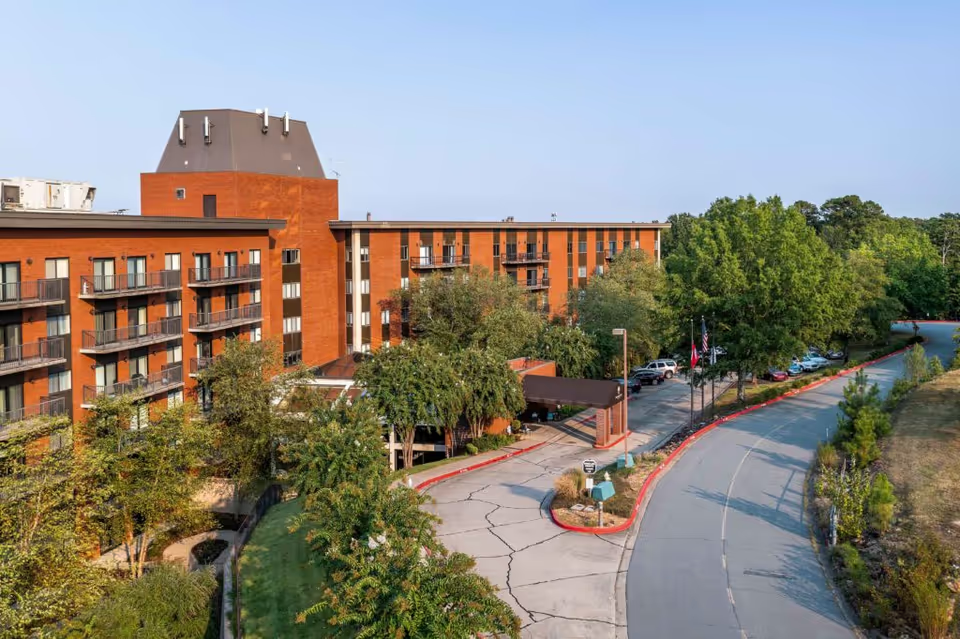
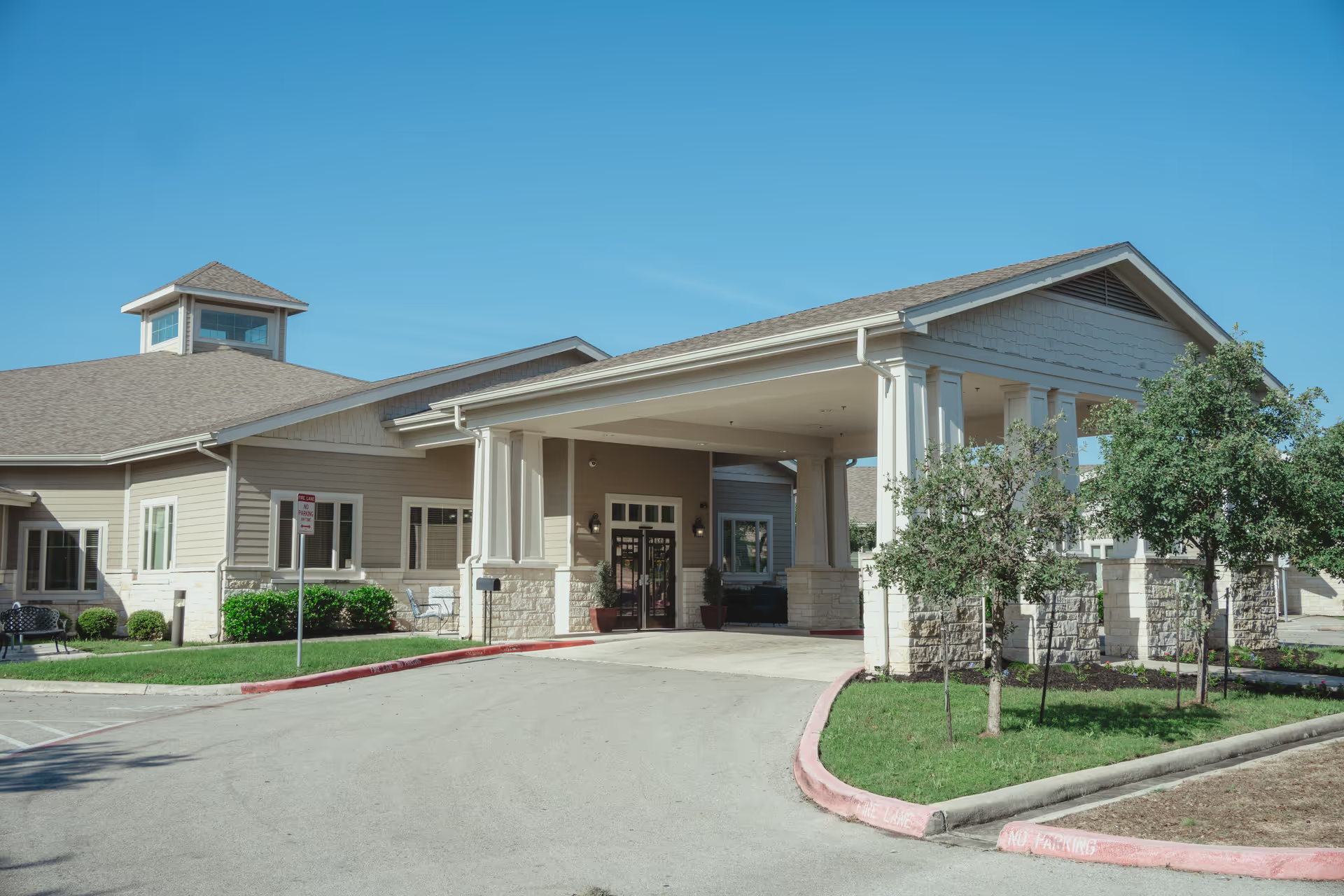
Facility condition and ancillary services are likewise mixed. Many reviews describe clean, well-kept rooms and pleasant common areas, and services such as beautician visits and wound care are available. However, there are also specific sanitation concerns, inconsistent housekeeping on some shifts, and instances of bedding or room maintenance issues cited by families. Activity and social environments are generally favorable when staffing is adequate.
Management and accountability show variability. Several reviewers praise identifiable leaders and approachable administrators who follow up on concerns; others characterize management as profit-driven or defensive, with problematic communication during clinical incidents. There are serious individual claims, including allegations of financial misconduct and property-handling failures, and at least one account raising concerns following a resident's death and about transfer documentation. Additionally, some reviewers expressed infection-control and reporting concerns. These items suggest that families should assess transparency, billing practices, and documentation-transfer procedures during decision-making.
Overall, Heritage Living Center appears to provide strong, therapy-oriented clinical care and an engaging atmosphere when staffing is sufficient, but operational variability — particularly in staffing consistency, cleanliness practices, meal execution, and administrative follow-through — can materially affect resident experience. Prospective residents and families would be well served by asking targeted questions about weekend and night staffing, infection-control protocols, discharge documentation processes, meal planning and accommodations, and examples of how management addresses past concerns before making a placement decision.