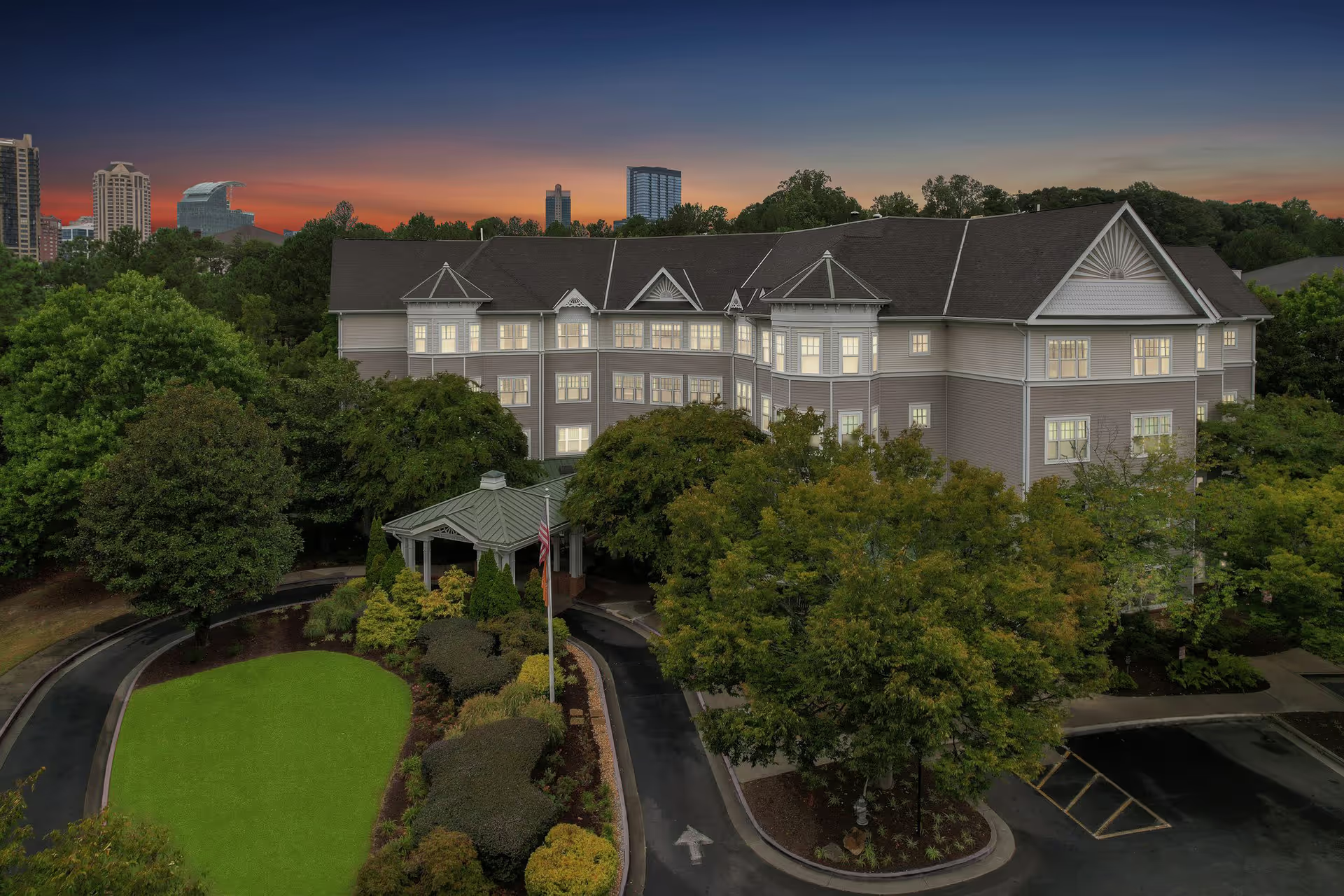
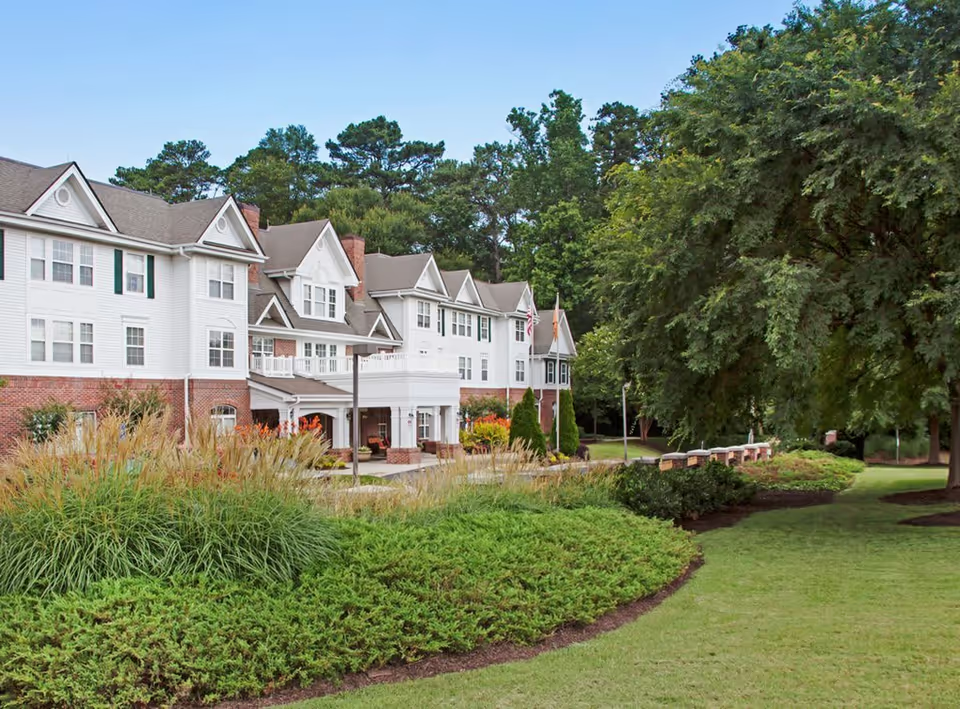
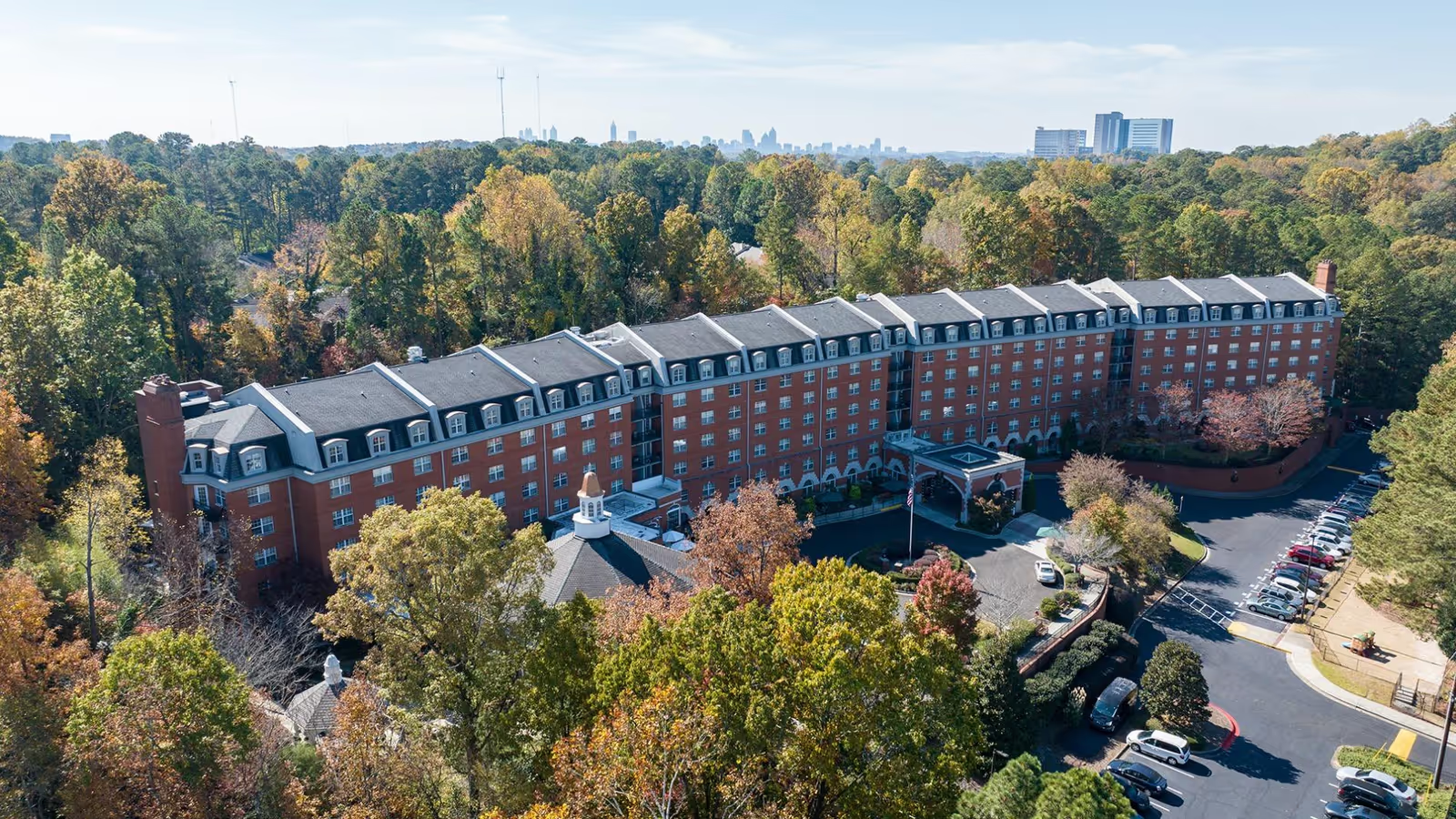
Renaissance on Peachtree presents as a high-end, well-appointed senior community with many features typical of an upscale Buckhead property: recently renovated public spaces and apartments, a grand lobby with old-world charm, multiple dining venues, an active calendar of social and educational activities, and numerous on-site amenities such as a salon, gym, library and theater. Location and aesthetic appeal are recurring strengths; the building is frequently described as attractive, well-maintained and hotel-like, and many residents and families praise the community’s social atmosphere and strong activities program.
Staffing and day-to-day caregiving are a core positive for much of the community: reviewers consistently note compassionate, professional and attentive staff (including an on-site RN), helpful front-desk and concierge teams, and effective admissions and move-in support. Several families highlighted specific staff members and admissions staff who go above and beyond. Care coordination for medical appointments and access to on-site therapy/rehab are also strengths for residents who require intermittent clinical support.
However, there is a clear pattern of operational concerns that prospective residents should evaluate. Assisted-living clinical staffing levels and responsiveness are described as inconsistent at times, with reports of slow response to calls for assistance. Dining is a mixed picture: the property offers varied dining venues and special-event meals that are often praised, but meal quality, temperature and service consistency have been described as uneven, and special-diet accommodations may be limited. Housekeeping frequency and some cleanliness/maintenance issues appear variable and have been affected during and after renovation activity.
Management and organizational issues recur throughout the feedback. The community has experienced ownership and leadership changes; families describe budget tightening that has affected repairs, activity offerings and the delivery of some promised services. Communication and transparency around contracts, billing, and service commitments have been identified as problem areas—prospective residents are advised to obtain offered services in writing and to review contract terms carefully. There are also a number of serious individual allegations involving staff conduct, payroll/timekeeping irregularities and medication or inventory handling; these are distinct from routine operational complaints and warrant direct inquiry with management and, where appropriate, review of any regulatory or legal follow-up.
Renovation activity has modernized much of the property but has introduced disruption and noise-control challenges for some residents. Practical factors such as limited visitor parking and relatively high pricing (with periodic annual increases) also affect value perception. Finally, reviewers indicate that the community excels for socially active, independent residents but may be less reliable for those requiring more consistent, higher-acuity assisted living care; families whose needs are trending toward more intensive clinical support should verify staffing ratios, response times and licensing/placement policies before committing.
Actionable recommendations: visit during a weekday and an activity period, speak directly with current residents and family members about response times and daily care, confirm in writing which services and frequencies are included, review the assisted-living care plan options and emergency-response procedures, and ask management for documentation regarding staffing ratios, incident follow-up and any investigations related to serious allegations. These steps will help align expectations with the facility’s strengths (amenities, community, and many highly praised staff) and its operational limitations (staffing consistency, management transparency, and service execution).