Overall impression: Wesley Woods Towers presents as an established, campus-oriented independent/assisted living community with strong ties to Emory University and the health system. Reviewers consistently identify the staff and resident culture as primary strengths: employees are frequently described as friendly, attentive, and knowledgeable, with many staff members learning residents’ names and providing personalized attention. The community is commonly characterized as sociable and welcoming, with active programming, arts, outings, and an on-site chaplain and rehabilitation resources that support both social and clinical needs.
Care quality and staffing: Families and residents often praise the compassionate, professional approach of direct-care and support staff, and many note accessible therapy services and medication/health supports on-site. That said, several operational themes indicate variability in staffing levels: reviewers describe periods when dining, maintenance, or front-desk coverage is thin. These constraints have translated into intermittent service delays and occasional scheduling or administrative inaccuracies. Overall clinical supports (therapy, chaplaincy, medication management) are present, but staffing consistency appears to be an area for improvement.
Dining and food service: Dining is a mixed but prominent feature of the community. Many reviewers report varied and tasty menus, take-home options, and flexible meal policies, and some praise generous portions and weekly menu variety. Conversely, others describe inconsistent meal service (including single-main-meal plans for some residents), seating restrictions, and holiday or peak-period disruptions in kitchen service. In short, food quality is often seen positively, while service continuity and meal-frequency options are inconsistent across time and resident plans.
Activities and social life: The facility offers a broad range of activities—exercise classes, meditation, ice cream socials, art programs, outings to shopping and movies, and intergenerational or campus-oriented events. Residents commonly report quick social integration and an active, engaged community. A pattern in the feedback is that program appeal can be uneven across resident demographics (some residents seek more programming targeted to men or different interests), and infection-control or public-health measures have at times reduced available group activities.
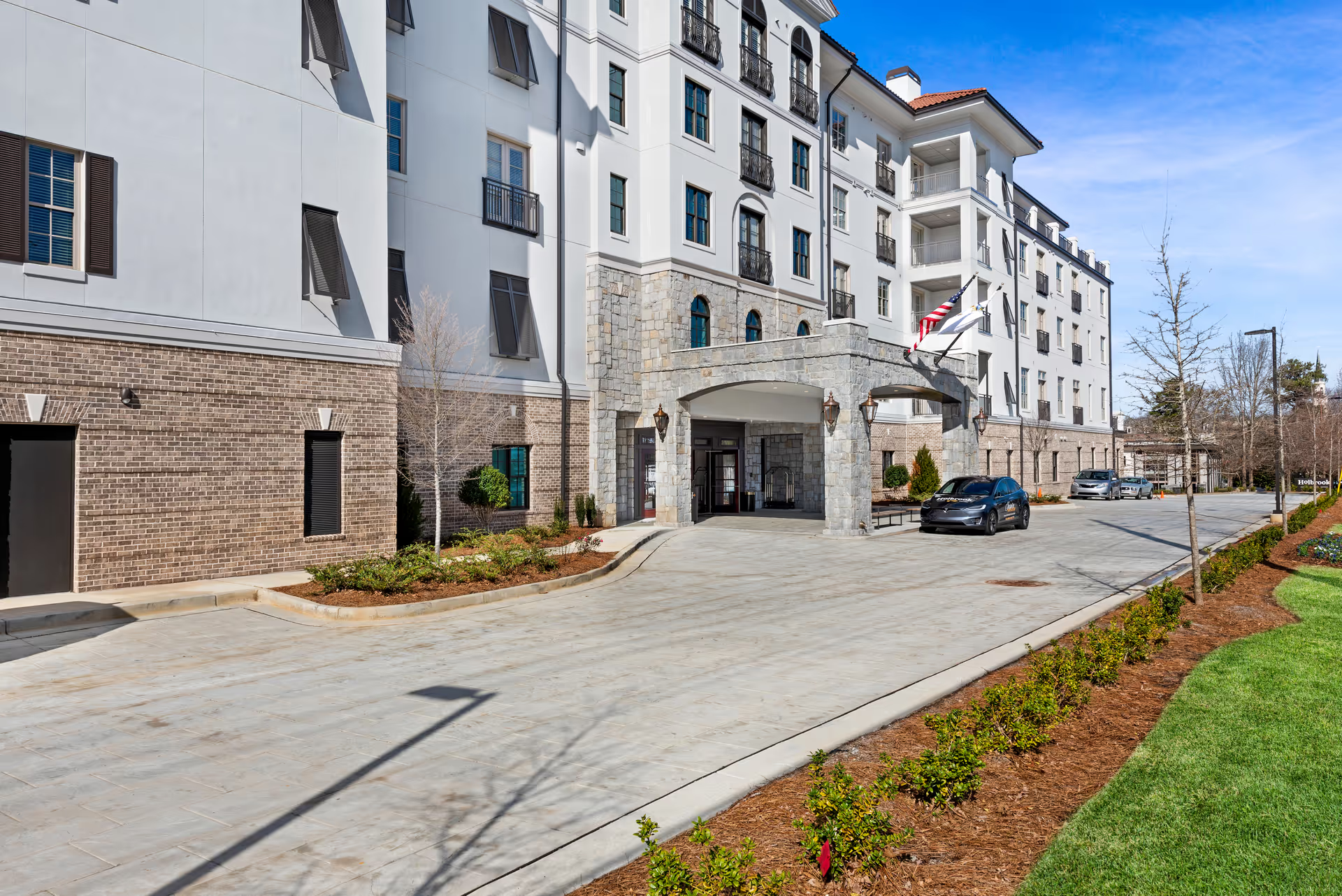
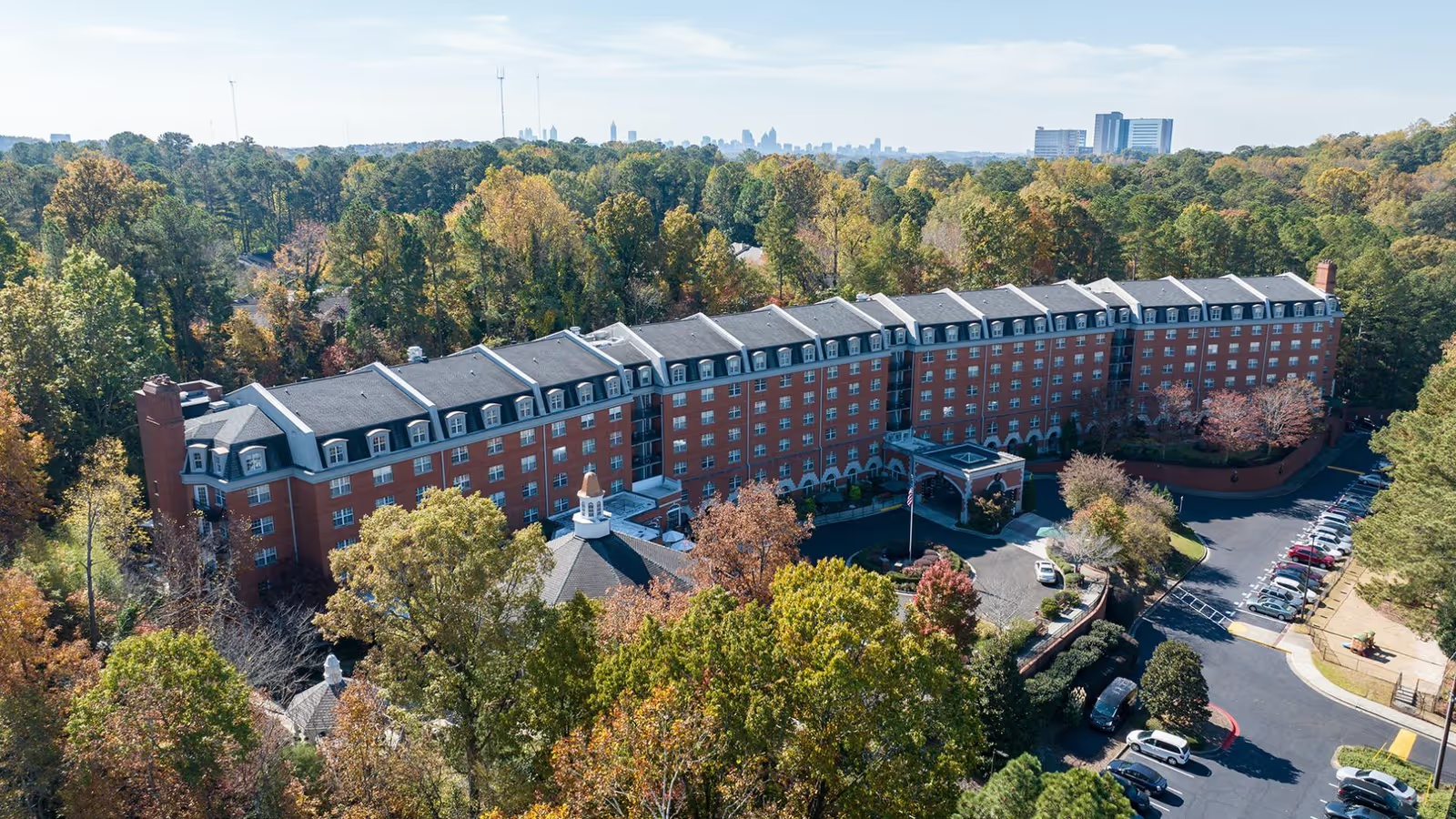
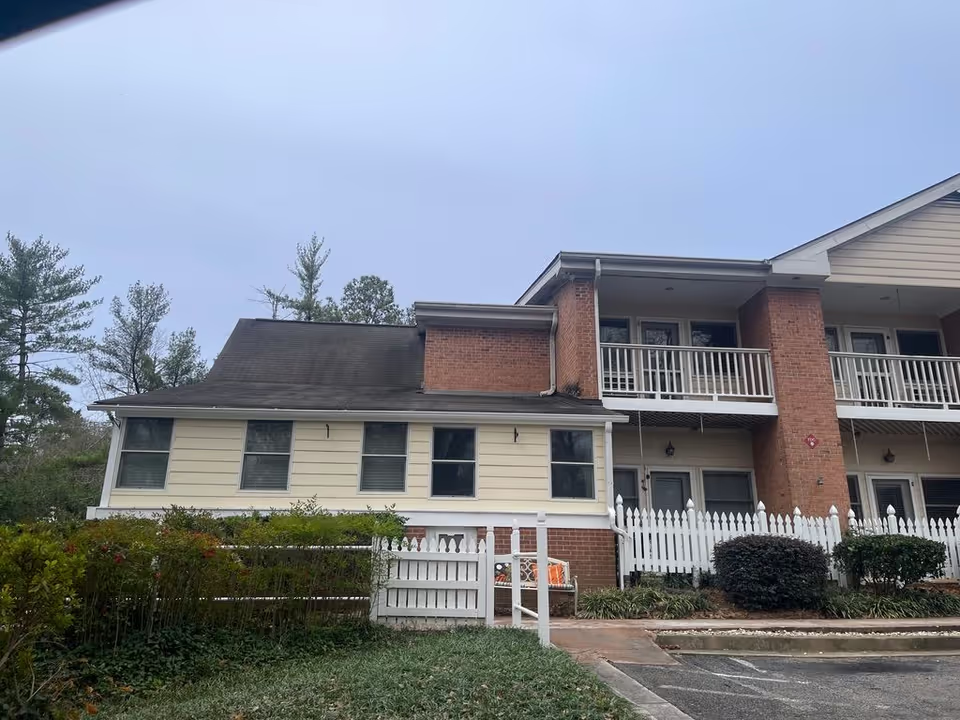
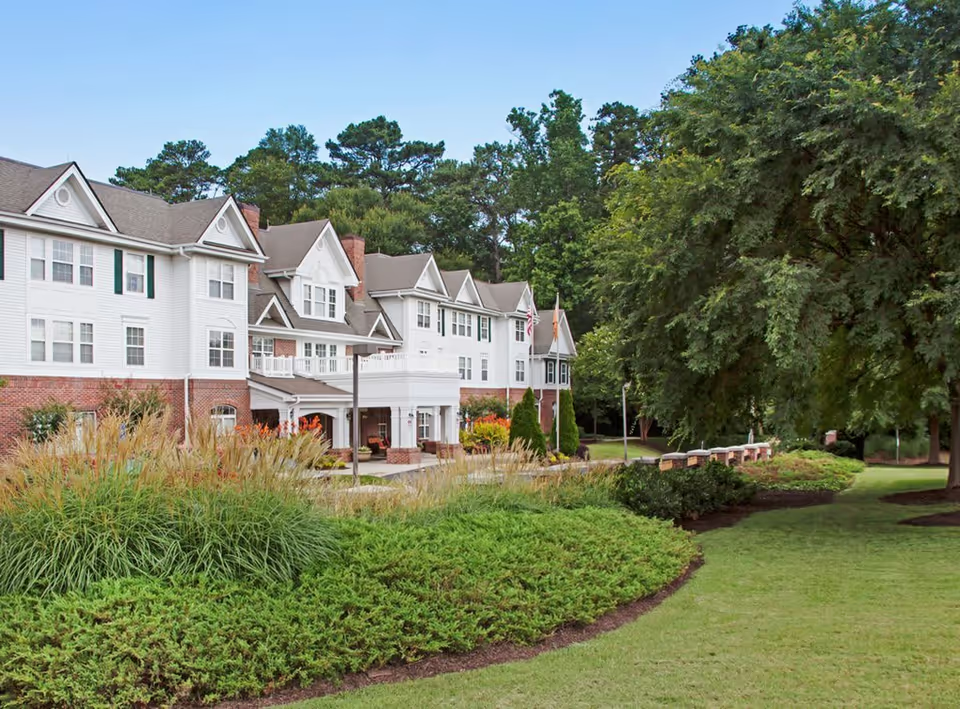
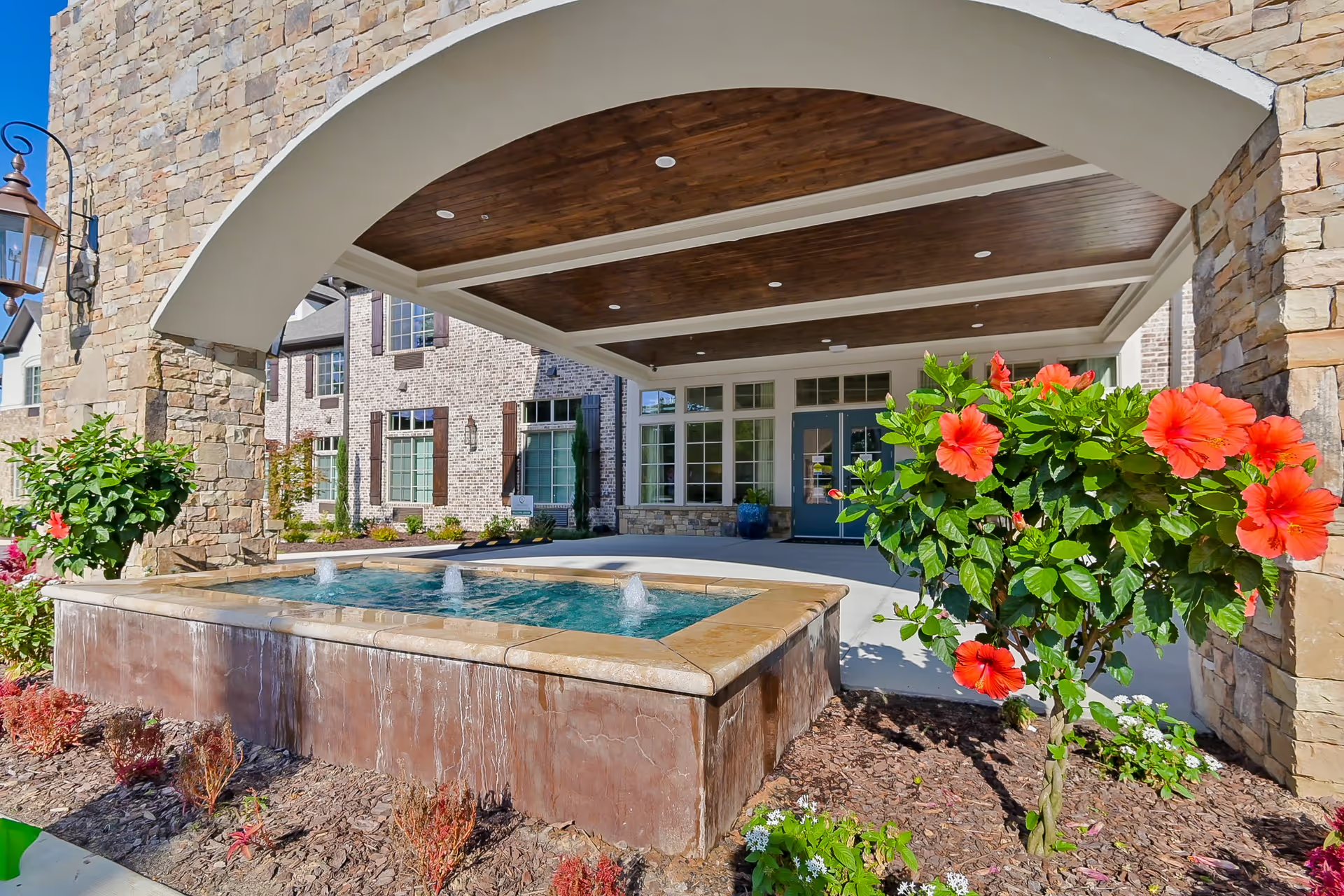
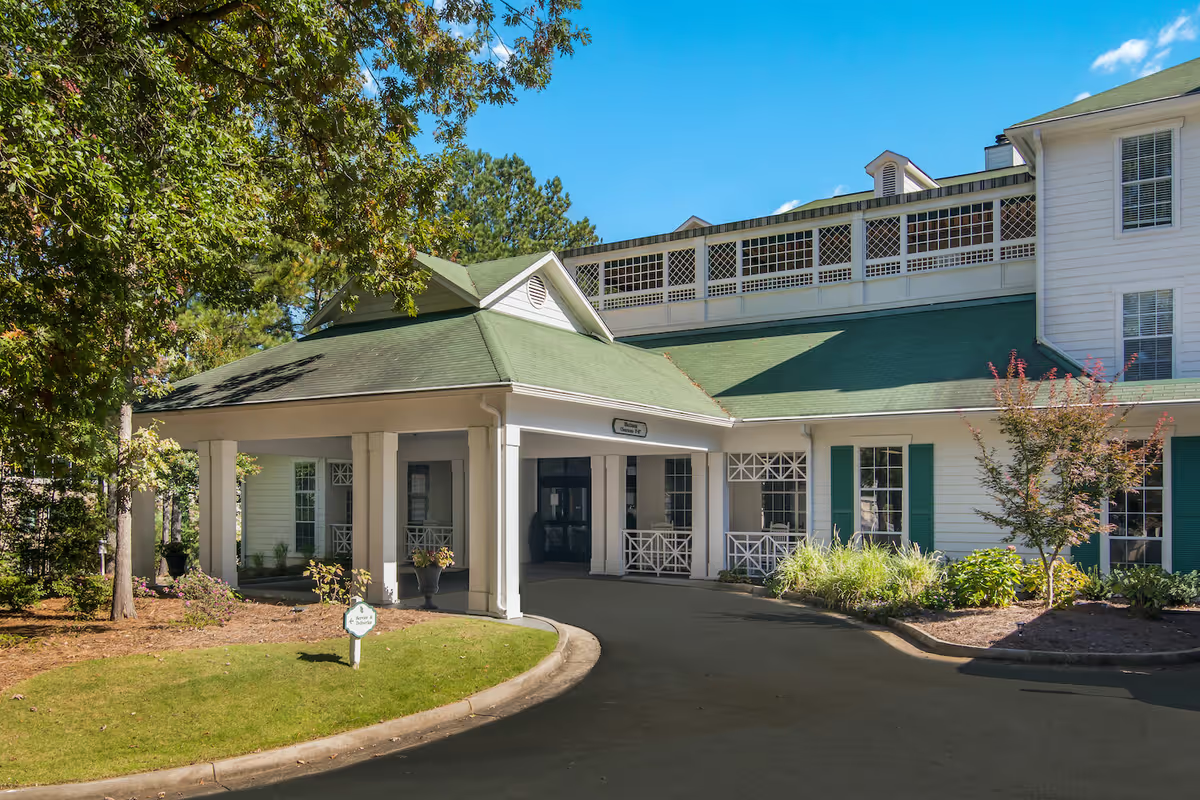
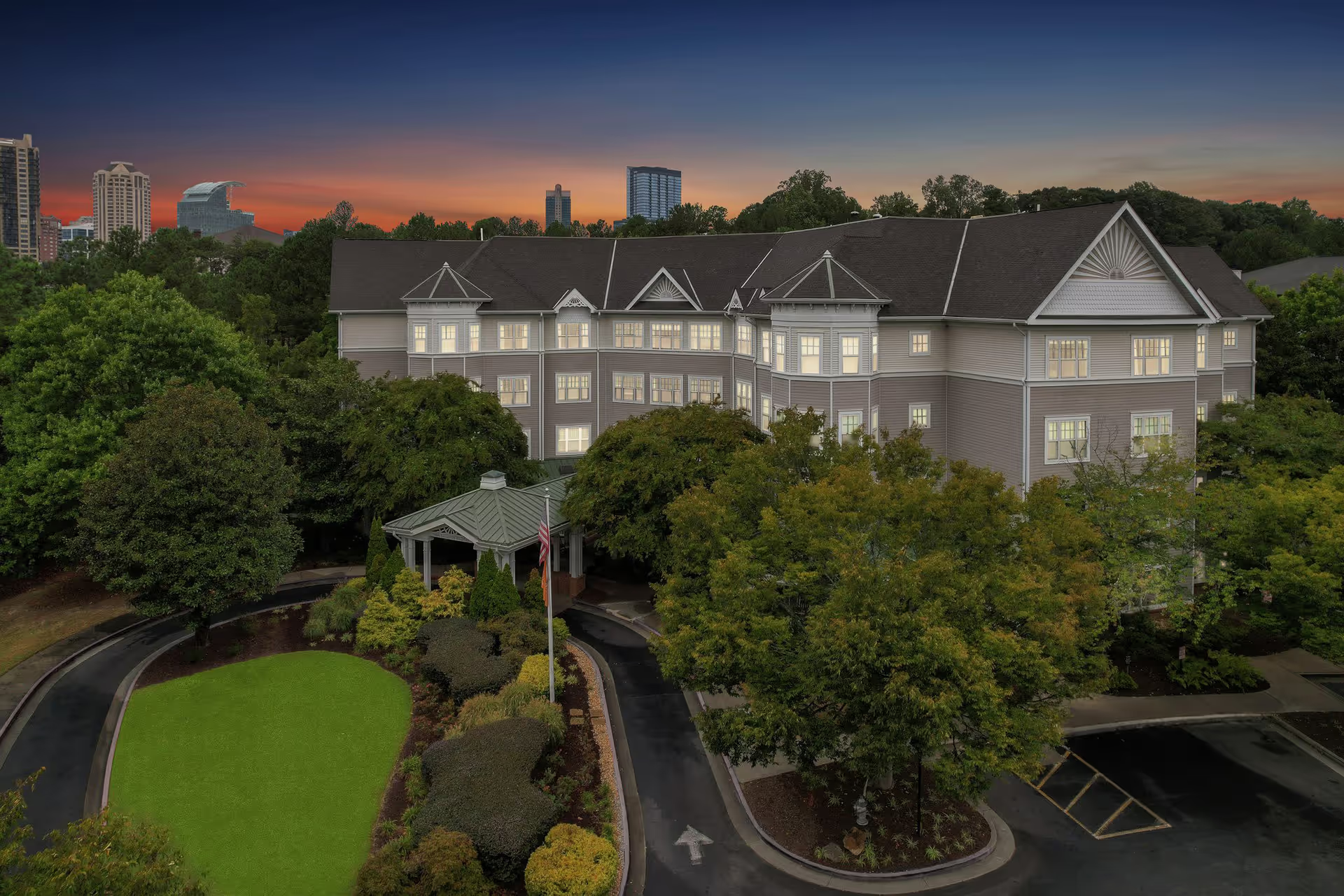
Facilities and location: Wesley Woods Towers benefits from a large, attractive wooded campus, walking trails, gardens, and proximity to Emory University Hospital with campus transportation. Amenities include a gym, library, bocce court, and pleasant courtyard views. At the same time, the physical plant is older: reviewers cite dated apartment interiors, angled or small studio units, aging HVAC/electrical systems, and occasional elevator outages. Maintenance responsiveness is generally praised for individual fixes, but systemic infrastructure upgrades appear needed.
Management and operations: Perceptions of management are mixed. Several reviewers commend clear, helpful tour and marketing staff and describe billing as straightforward; others cite turnover, amenity reductions, and rising fees as concerns. Security oversight and administrative responsiveness are sometimes described as inconsistent. Taken together, the pattern suggests an organization with solid resident-facing strengths (care, hospitality, social life) but with opportunities to improve operational reliability and communicate changes clearly to families.
Bottom line: Wesley Woods Towers is commonly seen as an affordable, community-oriented option with strong interpersonal care, robust social programming, and a desirable campus setting connected to Emory resources. Prospective residents and families should weigh those strengths against the trade-offs of an older building, variable service continuity (especially dining and front-desk coverage), and occasional management instability. For people prioritizing a social, service-oriented environment close to Emory, the community frequently represents good value; for those who require consistently modernized units or guaranteed meal-frequency and uninterrupted administrative coverage, it would be prudent to clarify current staffing and capital-improvement plans before committing.