Across the collected summaries, PruittPlace - Buckhead presents a mix of clear strengths and recurring operational concerns. Care quality is frequently described as compassionate and attentive: families and residents cite kind caregivers, engaged med‑techs, and strong rehabilitation outcomes from on‑site PT/OT teams. Reviewers also note on‑site medical visits (physician and nurse practitioner), supportive therapy staff, and positive short‑term rehab experiences that can be important for recovery. At its best this community delivers reliable, family‑oriented care and clinicians who can adapt to changing needs.
Staff and management impressions are generally positive in many accounts: reviewers praise welcoming front‑desk and concierge teams, a dedicated activities director, and executive leadership that has made visible improvements. However, multiple accounts describe elevated staff turnover and periods of understaffing that coincide with slower responses to family inquiries, reduced continuity of caregivers, and diminished operational oversight. Communication is uneven — some families report proactive outreach and helpful directors, while others describe difficulty getting timely clinical updates or consistent follow‑through from care managers.
Dining and activities are commonly cited as assets. The dining program receives frequent commendation for variety, flavor, and special holiday events; reviewers describe festive meals, themed entertainment, and a pleasant dining atmosphere. The activities calendar is active, with arts and crafts, exercise classes, holiday programming, outings, and social events that many residents enjoy. That said, continuity of programming can vary by day and unit; some families describe mornings or shifts when scheduled activities are curtailed due to staffing constraints.
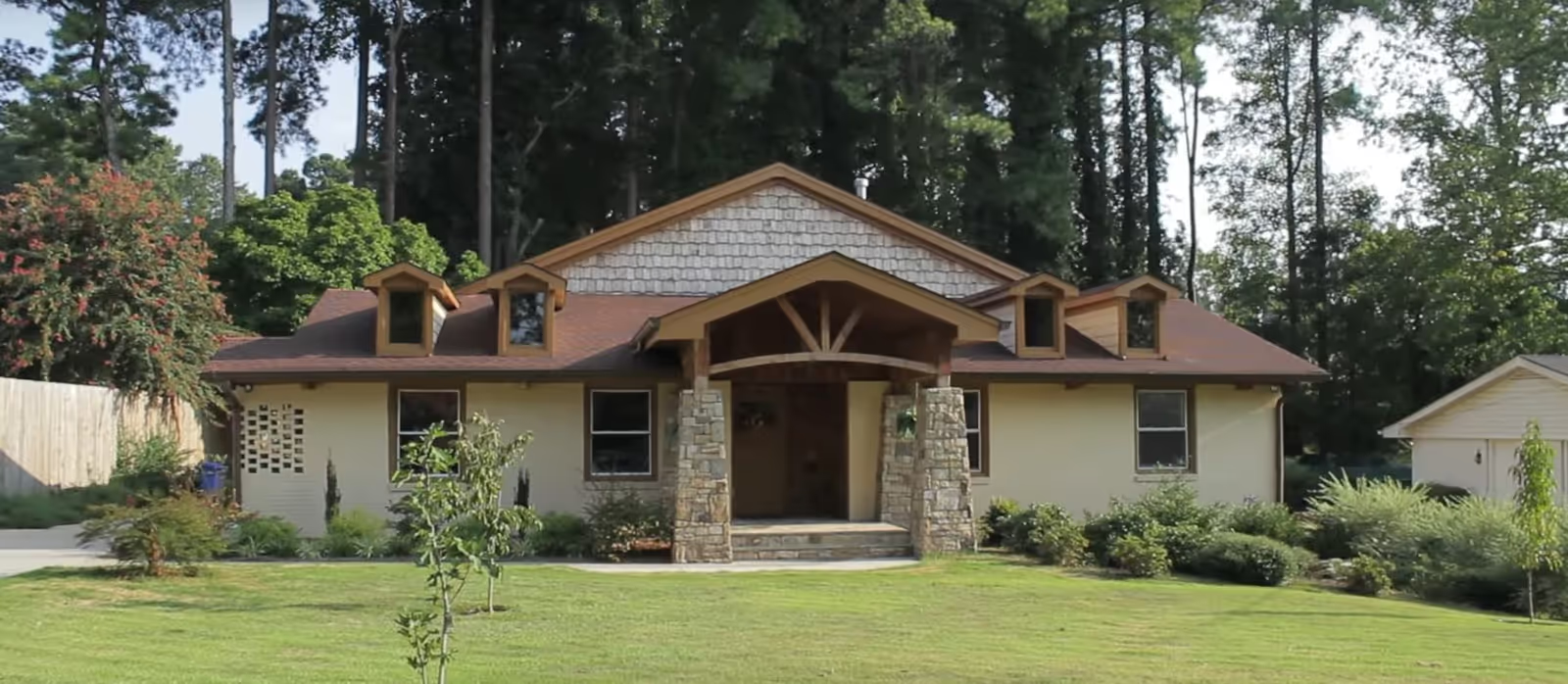
Facility condition and amenities show a dual picture. The property and public areas are often described as attractive, recently renovated, and well‑presented, with amenities such as a salon, library, social rooms, and secure memory‑care garden. Several reviewers emphasize an improved, homelike feeling after upgrades. Conversely, recurring maintenance issues are a notable concern: delayed carpet and fixture replacement, uneven room preparation, cleanliness and sanitation concerns in certain areas, and pest‑control issues have been raised. These operational maintenance backlogs have also been linked to safety concerns (for example, flooring and fixture repairs awaiting completion).
Clinical operations and logistics reveal areas for due diligence. Medication administration timing, pharmacy cost transparency, and billing complexity were called out as pain points; families should confirm pharmacy options, medication‑administration protocols, and how daily versus monthly rate variations are calculated. Some reviewers also identified gaps in memory‑care clinical expertise and variability in dementia‑specific programming, so families needing those services should verify staff training, supervision ratios, and activity adaptations for cognitive impairment. A few families referenced filing complaints with the state ombudsman during transitions, underscoring the importance of asking about recent regulatory history and corrective actions.
Overall pattern: many families and residents experience strong social programming, high‑quality meals, and compassionate caregiving in a pleasant Buckhead setting, especially where leadership and staffing are stable. At the same time, operational weaknesses — inconsistent housekeeping and room turnover, delayed maintenance, episodic understaffing, communication lapses, and medication/pharmacy and billing frustrations — recur enough to warrant careful pre‑move evaluation. Prospective residents and families should tour during different times of day, speak directly about staff‑to‑resident ratios and memory‑care training, review the pharmacy and billing arrangements, and ask for a maintenance schedule and recent quality or regulatory summaries before deciding.