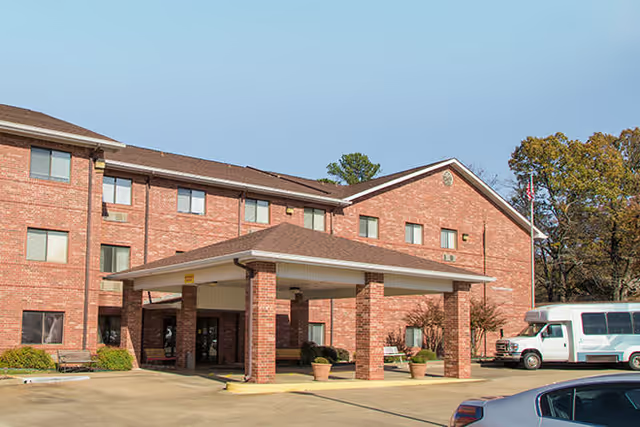
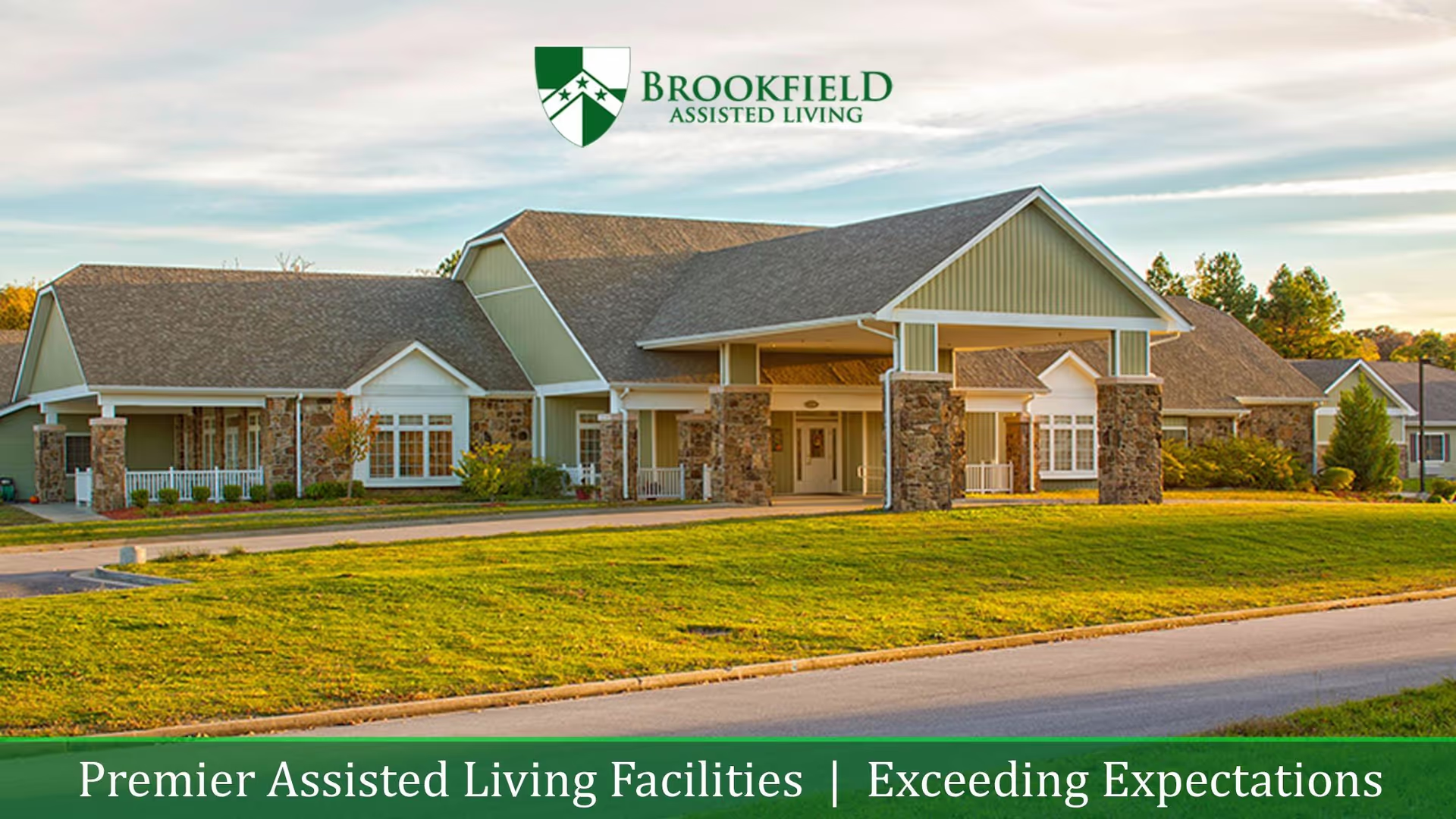
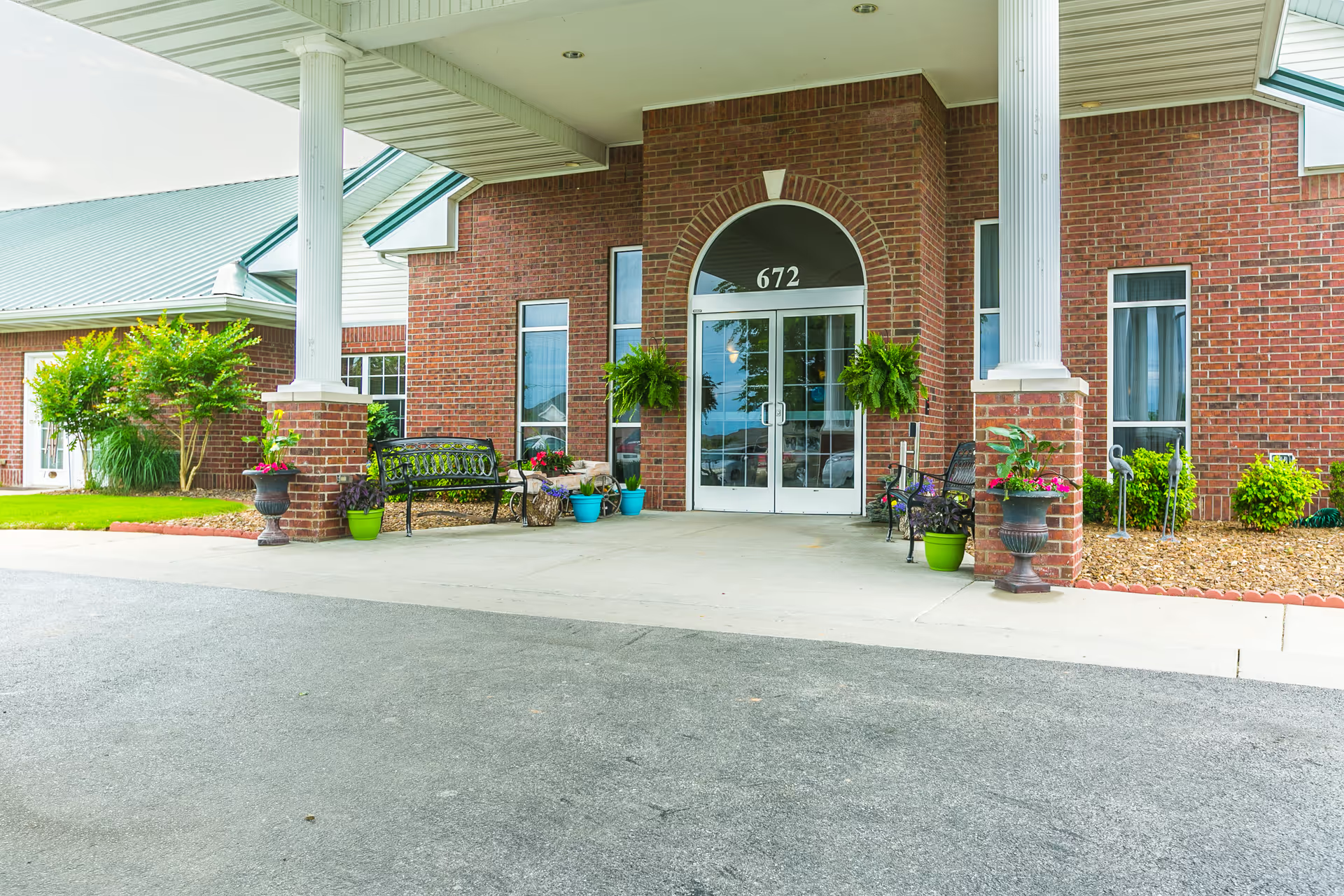
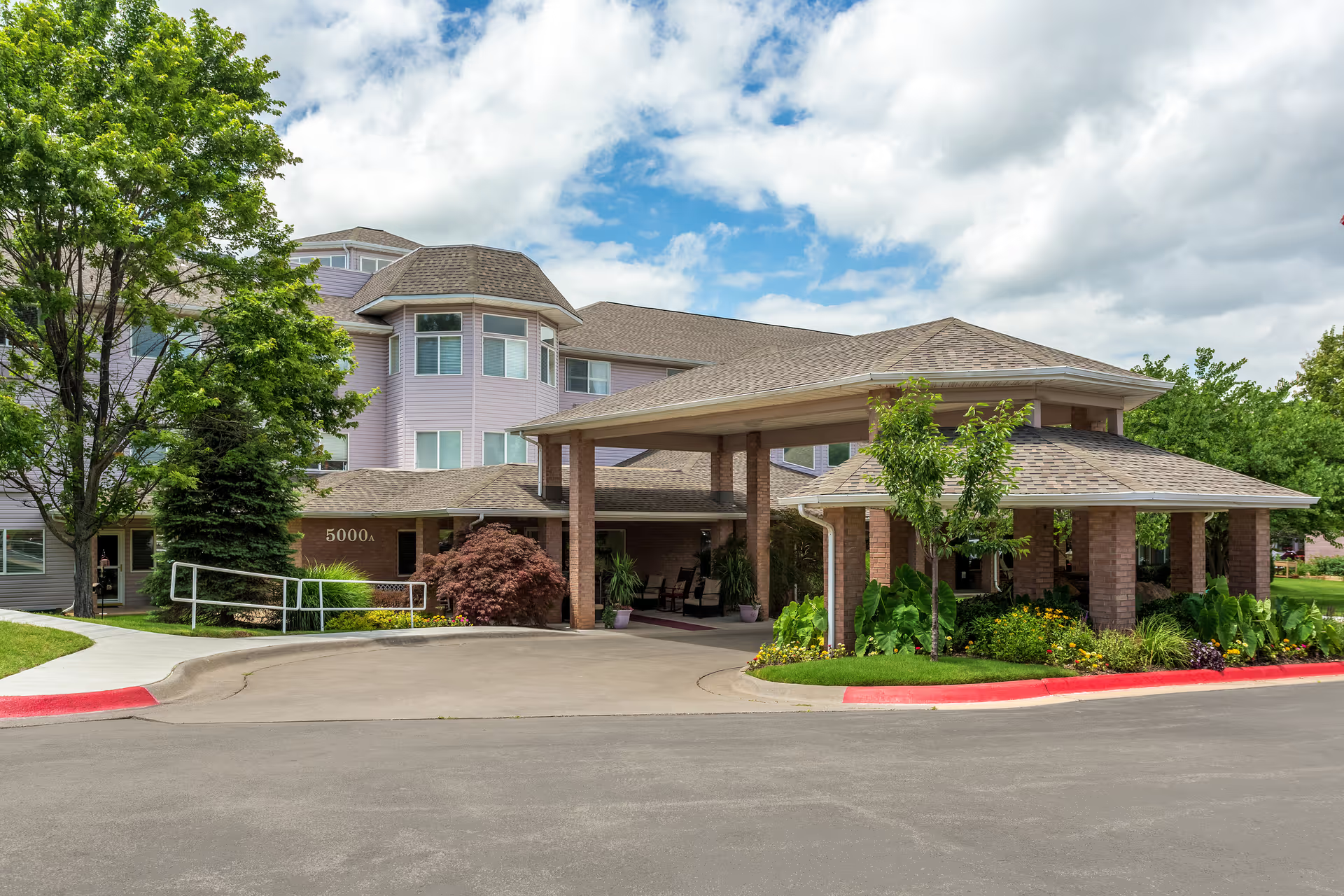
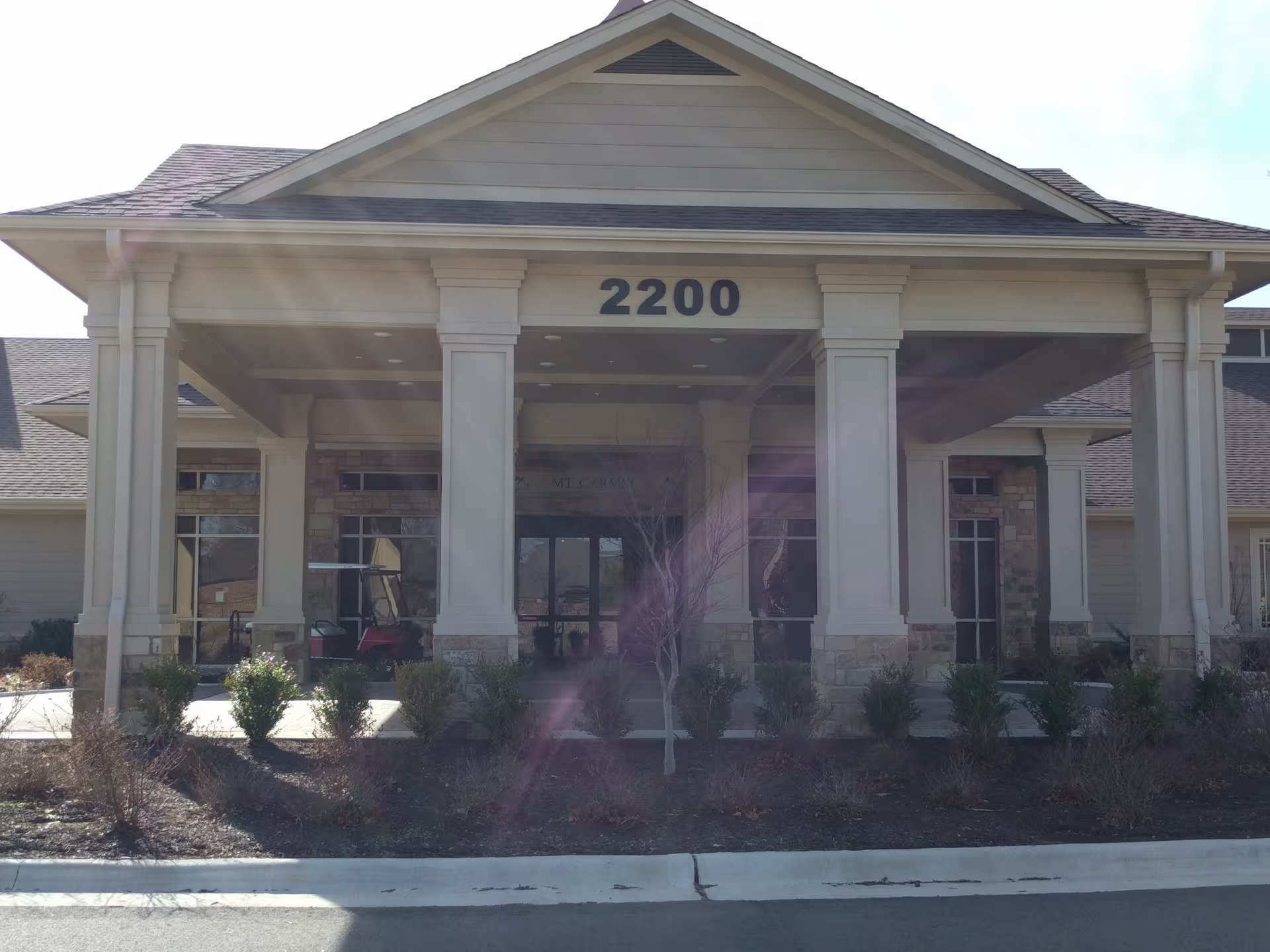
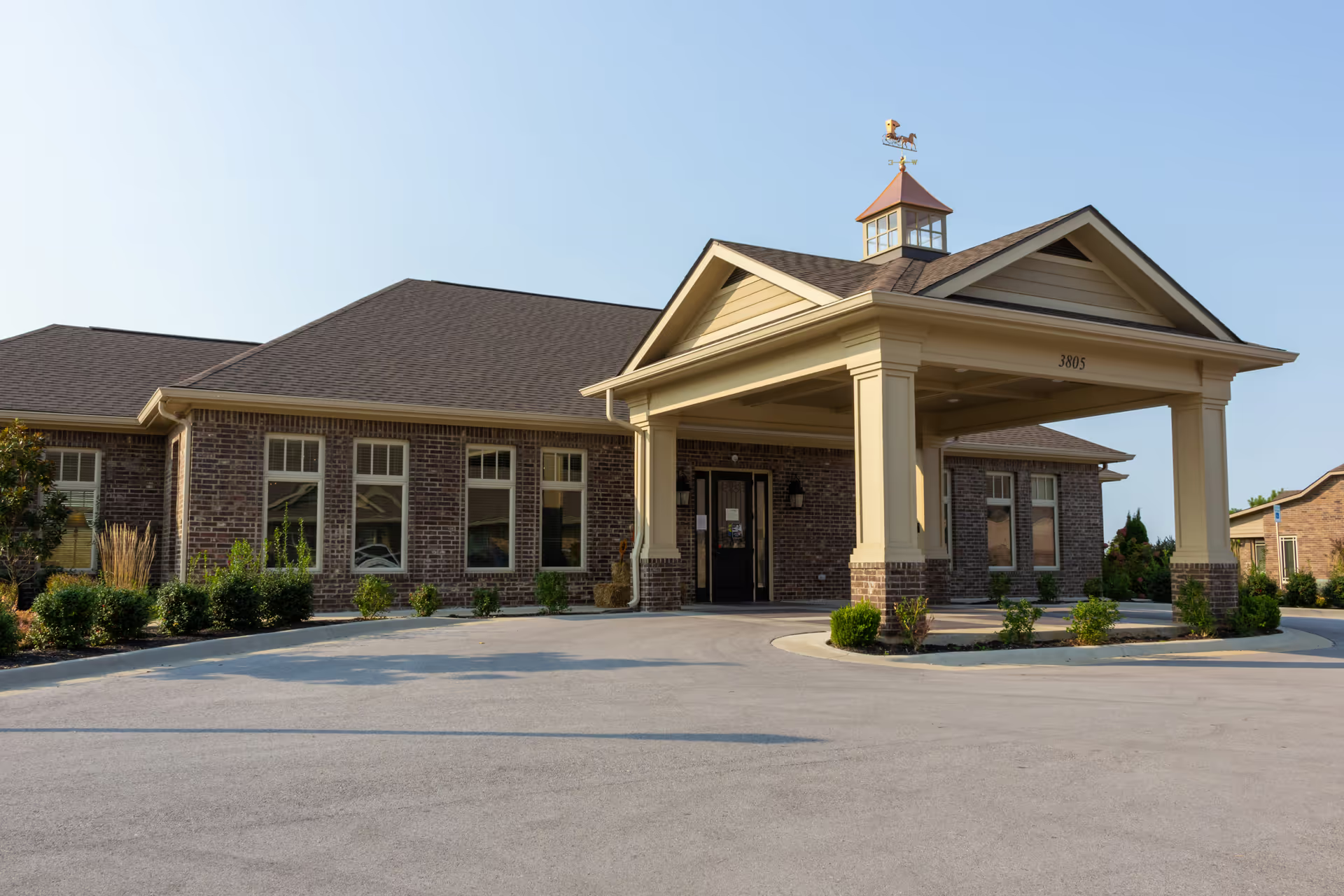
This collection of reviewer summaries conveys a facility with strong interpersonal strengths but notable operational inconsistencies. Many families and residents praise the staff as caring and friendly, highlight a clean, home-like environment, and value the range of communal amenities (library, craft room, salon, laundry). The campus and grounds are often described as well maintained and pet friendly, and apartment sizes and layouts are cited as attractive. Activity programming — including bingo, movies, shopping trips and museum outings — and an engaged activities director are frequent positives that contribute to resident satisfaction.
Care quality and staffing present a mixed picture. Reviewers describe attentive, compassionate caregivers and managers who know residents by name, but also point to persistent staffing shortages, high turnover, and limited weekend or after-hours coverage. Those operational gaps have been associated with delayed responses, concerns about safety and fall prevention, and family frustration when residents required higher-acuity support. Several families emphasized that the community functions primarily as independent living; promotion or expectations of assisted living-level services without clear contractual commitments created distress when additional clinical needs emerged.
Dining and nutrition show substantial variability. Prior to COVID and at times under different kitchen leadership, meals and service were praised (diverse menus, attentive servers, special events). However, numerous accounts describe a decline in food quality, limited dinner options on some days, slow meal service, and challenges meeting specialized dietary needs (diabetic or kosher preferences). Some reviewers also noted an inconsistent supply of snacks and refreshments. Prospective residents should sample meals and ask about current kitchen staff and dietary protocols.
Activities and social life are strong selling points when programming is active and staffed. Regular offerings such as bingo, arts classes, outings, and on‑site events create a vibrant atmosphere for many residents. At the same time, some families cited outdated calendars, canceled or reduced activities, and a mismatch between advertised programming and the actual activity mix. Transportation for shopping and outings exists but appears limited on schedule and not always reliably provided.
Facilities maintenance and housekeeping are generally described as adequate, with many remarks about clean interiors and attractive common areas. Nevertheless, recurring maintenance issues are reported: delayed repairs, water-damage remediation taking extended periods, stained carpeting, plumbing leaks, and intermittent sanitation or pest-control concerns. These operational weaknesses have affected resident experience in particular units and common areas.
Management and administrative practices receive mixed feedback. On-site managers are frequently described as responsive and caring, but reviewers also describe opaque billing practices, unexpected add-on charges for per‑task services, rent increases, and difficulties reaching corporate decision-makers. There are also isolated but serious allegations related to financial and mail-handling irregularities and concerns about how end‑of‑life events were handled and communicated to families. These items suggest the need for clear contractual review and documentation at move‑in.
Overall pattern: interpersonal culture and many day-to-day amenities are strengths, while operational consistency — especially around staffing, meals, maintenance, and billing — is uneven. For prospective residents and family members, recommended due diligence includes: confirm the facility’s care-level scope in writing (independent vs assisted), arrange an overnight visit with sample meals, review the contract for extra fees and billing procedures, ask for current staffing levels and weekend/after-hours coverage, and inspect the specific unit for past maintenance issues. Those steps will help balance the facility’s strong social environment against the operational risks documented by families.