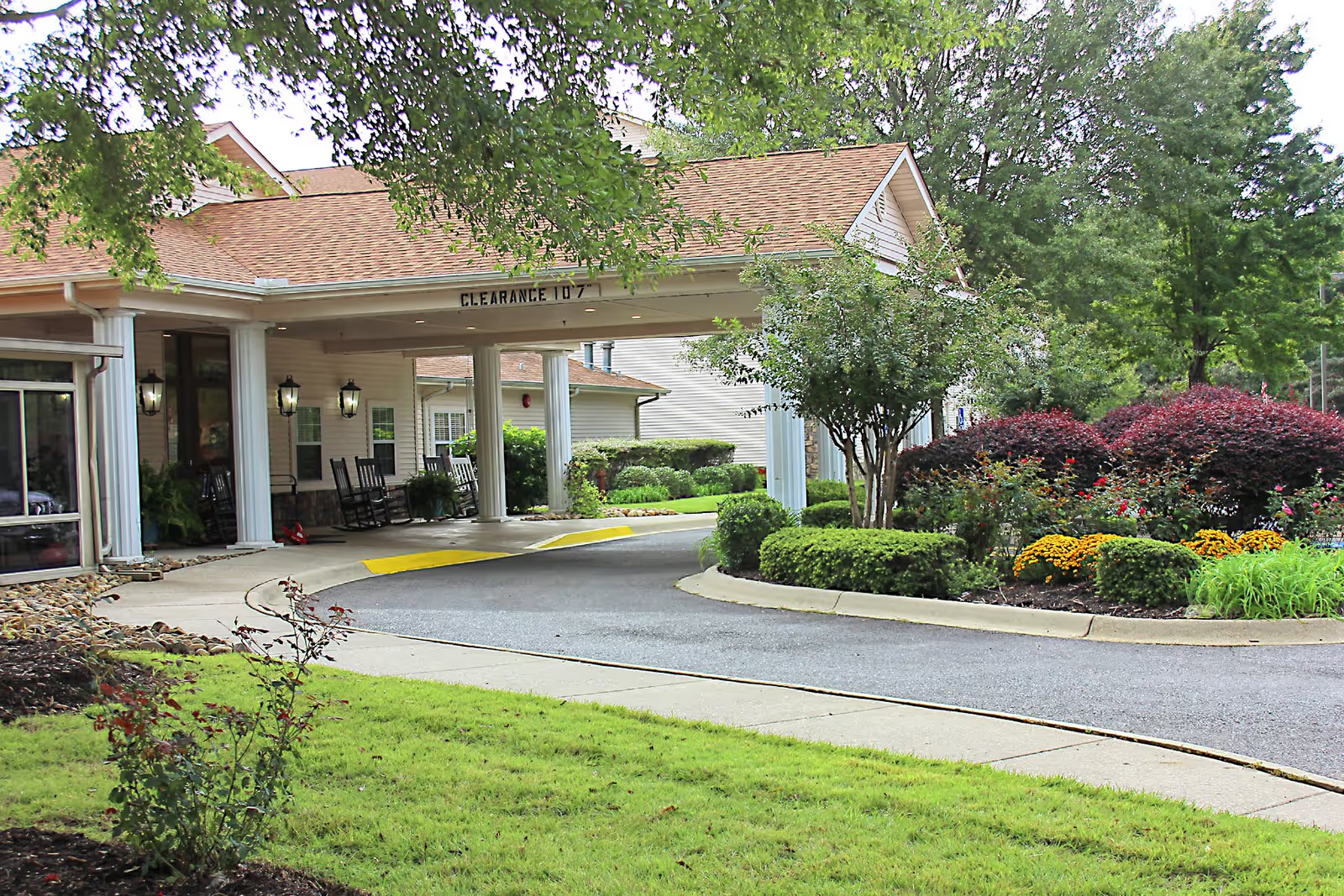
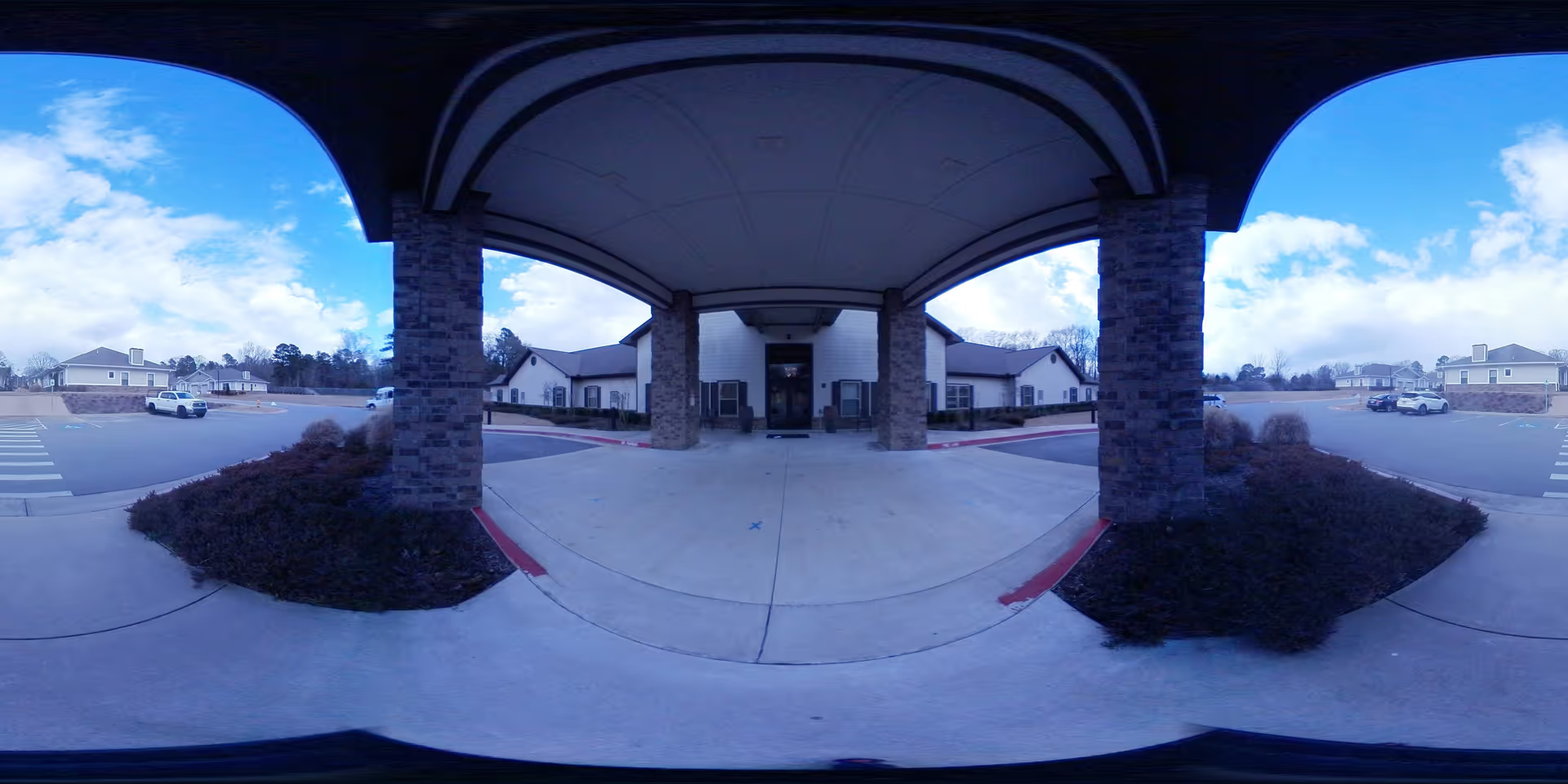
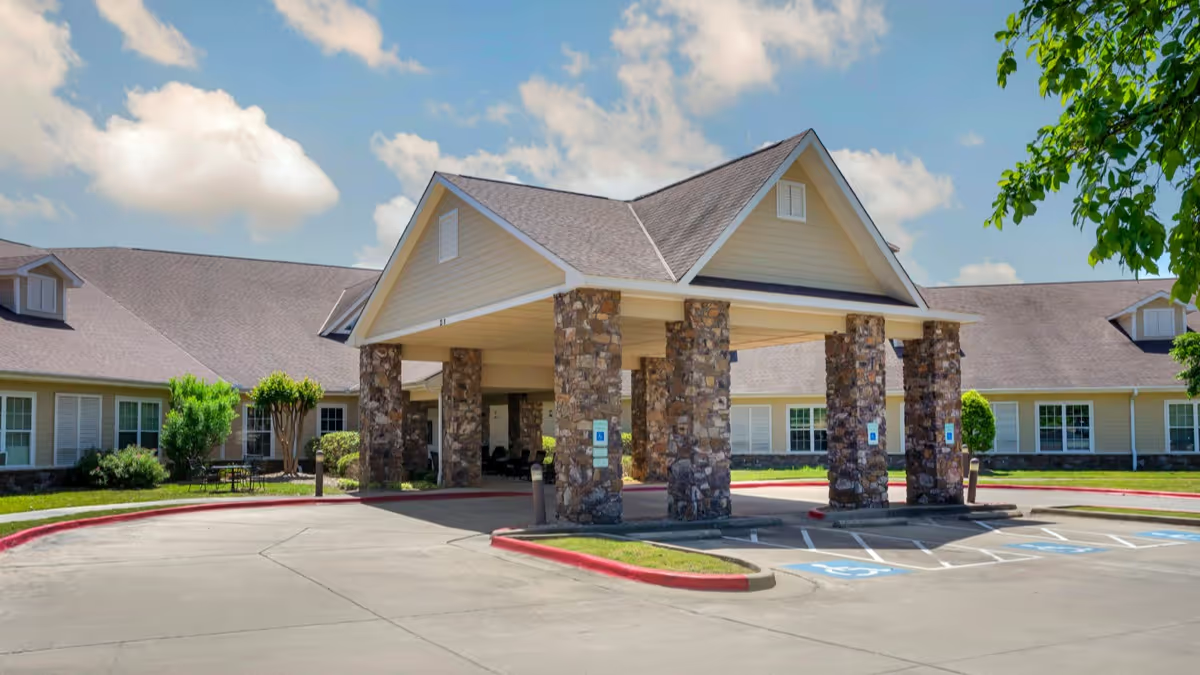
Overall impression: The Crossing at Malvern presents as a small, homelike community with several operational strengths alongside some notable operational gaps. Many accounts emphasize a professional, friendly leadership team and a caregiving staff described as compassionate and competent. The physical environment is frequently characterized as clean and well maintained, and the campus offers useful on-site amenities such as a beauty salon, laundromat, and scheduled transportation to medical appointments.
Care and staff: Reviews frequently praise hands-on caregiving, courteous interactions, and a knowledgeable staff that helps reduce family worry. Leadership visibility and approachability are recurrent positives. However, there is also clear variability in staff conduct and communication tone; isolated but strong criticisms describe abrupt or inappropriate interactions. These suggest unevenness in staff training or supervision rather than a uniform culture. For residents with memory impairment, several comments point to inconsistent supervision and safety practices, indicating a need for more reliable monitoring and wandering-risk mitigation.
Activities and social life: The community offers organized activities and a homey atmosphere that some residents find pleasant (bingo and similar programming are mentioned). At the same time, multiple accounts describe poor attendance at events, empty activities, or perceived staff indifference toward engagement. This pattern points to inconsistent programming uptake or staffing allocation for social activities rather than an absence of offered programs.
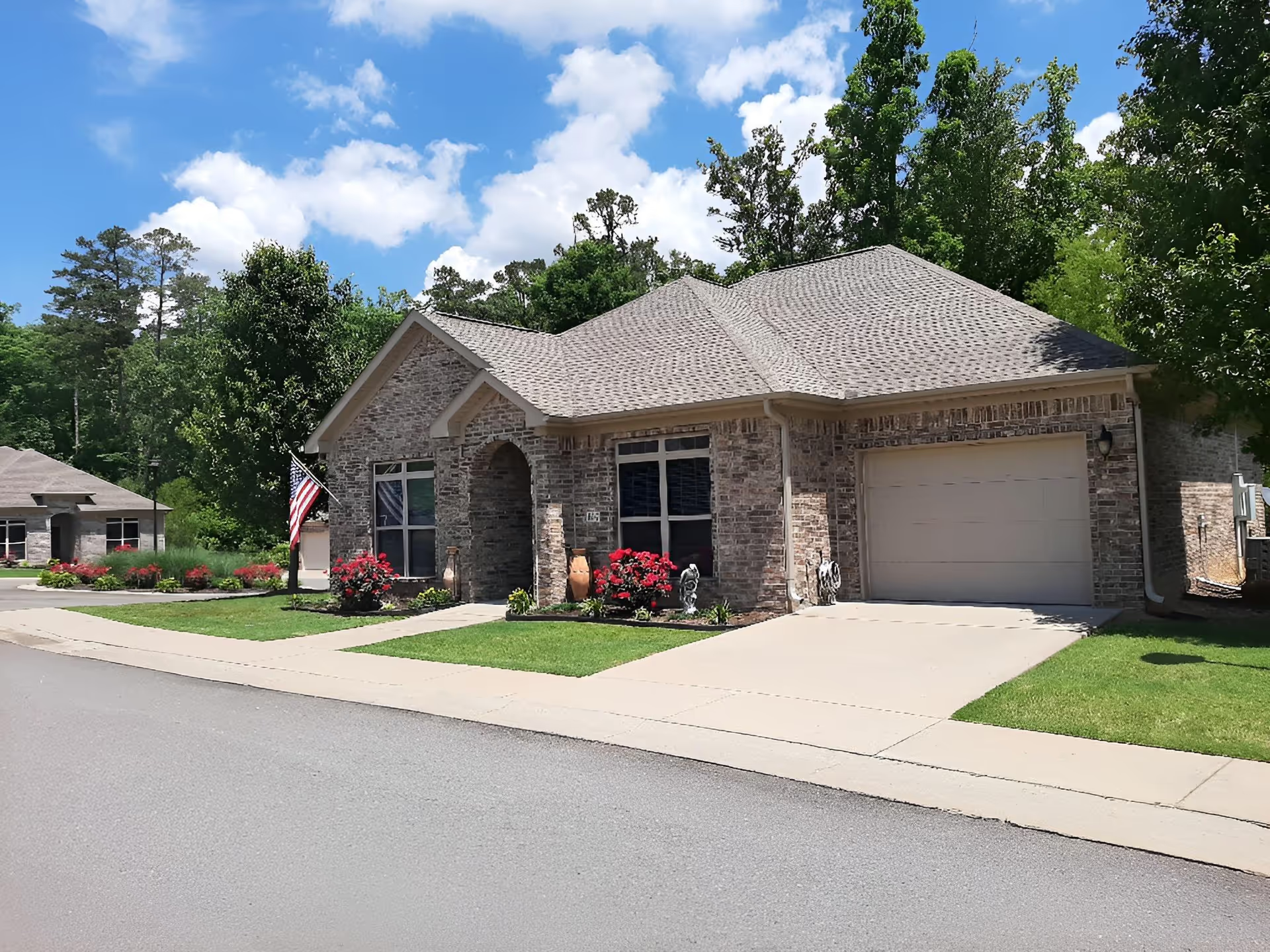
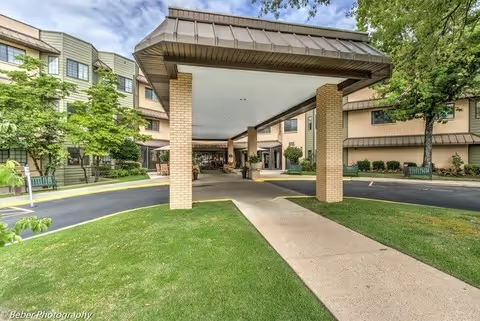
Facilities and amenities: Physical-space feedback is largely positive: small apartments with a home-like feel, clean common areas, and functioning safety systems. On-site conveniences such as a salon, laundromat, and regular housekeeping are strengths for day-to-day living. A facility-level limitation is accessibility: reviewers noted constraints that affect off-site shopping or errands for mobility-restricted residents (lack of lift/elevator access or limited transportation for social outings was mentioned), which may matter for active residents who wish to go off campus frequently.
Management, safety, and regulatory patterns: Management is generally described as friendly and professional, but there are intermittent concerns about responsiveness during critical events and about communication around serious incidents. References to an eviction notice, state inspection, and law-enforcement involvement point to episodic escalations; while these appear to be individual incidents, they highlight the importance of clear policies on incident management, family communication, and regulatory compliance. Taken together with the safety-related comments for memory-care residents, these items suggest opportunities for stronger incident-prevention protocols, enhanced staff training, and clearer family-facing communication pathways.
Bottom line: The Crossing at Malvern offers many attributes families and residents value: personable leadership, a professional caregiving team, cleanliness, and convenient on-site services. Prospective residents should weigh those strengths against reports of inconsistent staff conduct, supervision gaps for residents with memory issues, and limitations in off-site accessibility and activity engagement. For families of residents with memory impairment or high supervision needs, clarifying specific safety protocols, staffing levels, and off-site transportation/accessibility prior to move-in would be advisable. For other prospective residents, an in-person visit focusing on staff interactions, activity participation, and accessibility will help determine fit.