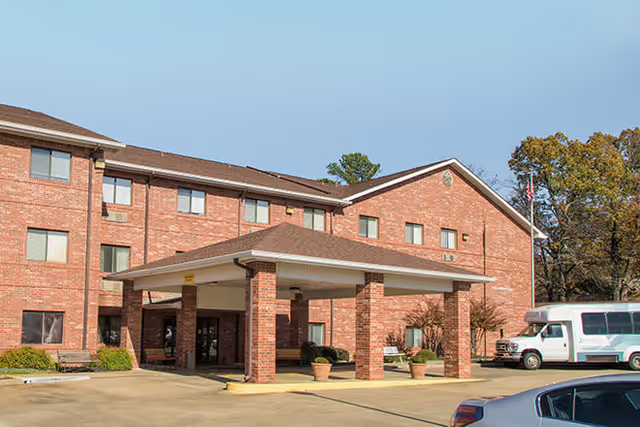
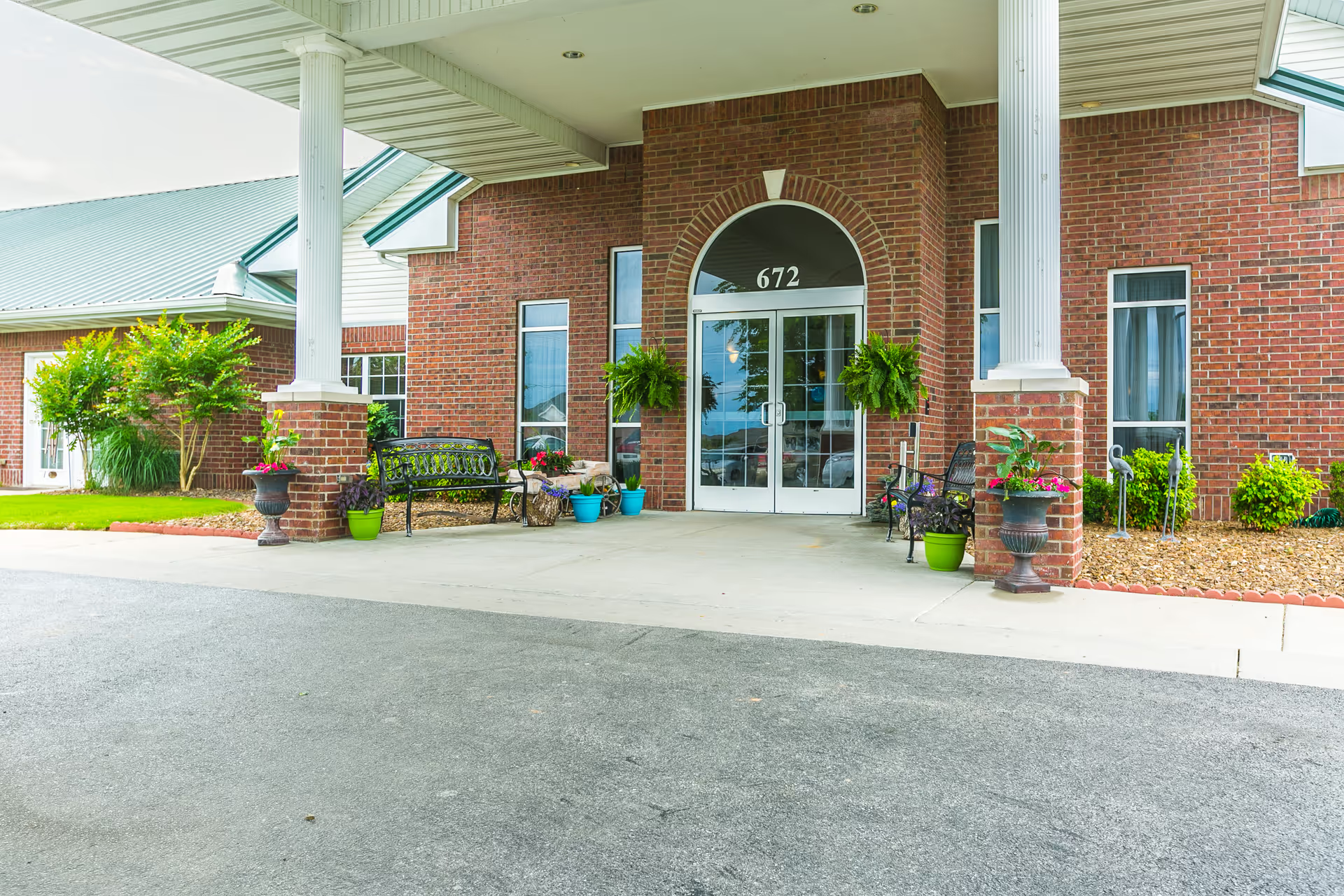
The reviews present a mixed but actionable picture of Valley Springs Rehabilitation and Health Center. Many families and former residents praise the clinical and caregiving strengths: nursing staff, CNAs, and rehabilitation therapists are frequently characterized as compassionate, attentive, and willing to go beyond assigned duties. Several accounts highlight successful short-term rehab outcomes and an engaged dietary team; some reviewers describe the facility culture as family-like and supportive, and common areas are often described as clean and well-maintained.
At the same time, recurring operational weaknesses are evident. Staffing levels and morale are described as strained, producing variability in how quickly and consistently staff respond to resident needs. Reviewers point to delays in personal-care tasks (including bathing assistance), slow call-button responses, and limited hallway supervision at times — all of which reflect gaps in day-to-day staffing coverage and task prioritization. There are also mentions of sanitation and odor-control inconsistencies and pest-control concerns, which suggest uneven housekeeping and environmental services performance across the building.
Facility infrastructure and programmatic capacity are additional areas of concern. The building is described as dated in places and in need of remodeling, with specific maintenance shortfalls noted. For residents with cognitive impairment, reviewers indicate that dementia-specific care and programming may not be consistently meeting expectations, which suggests a need for stronger, more specialized protocols and staff training in that area.
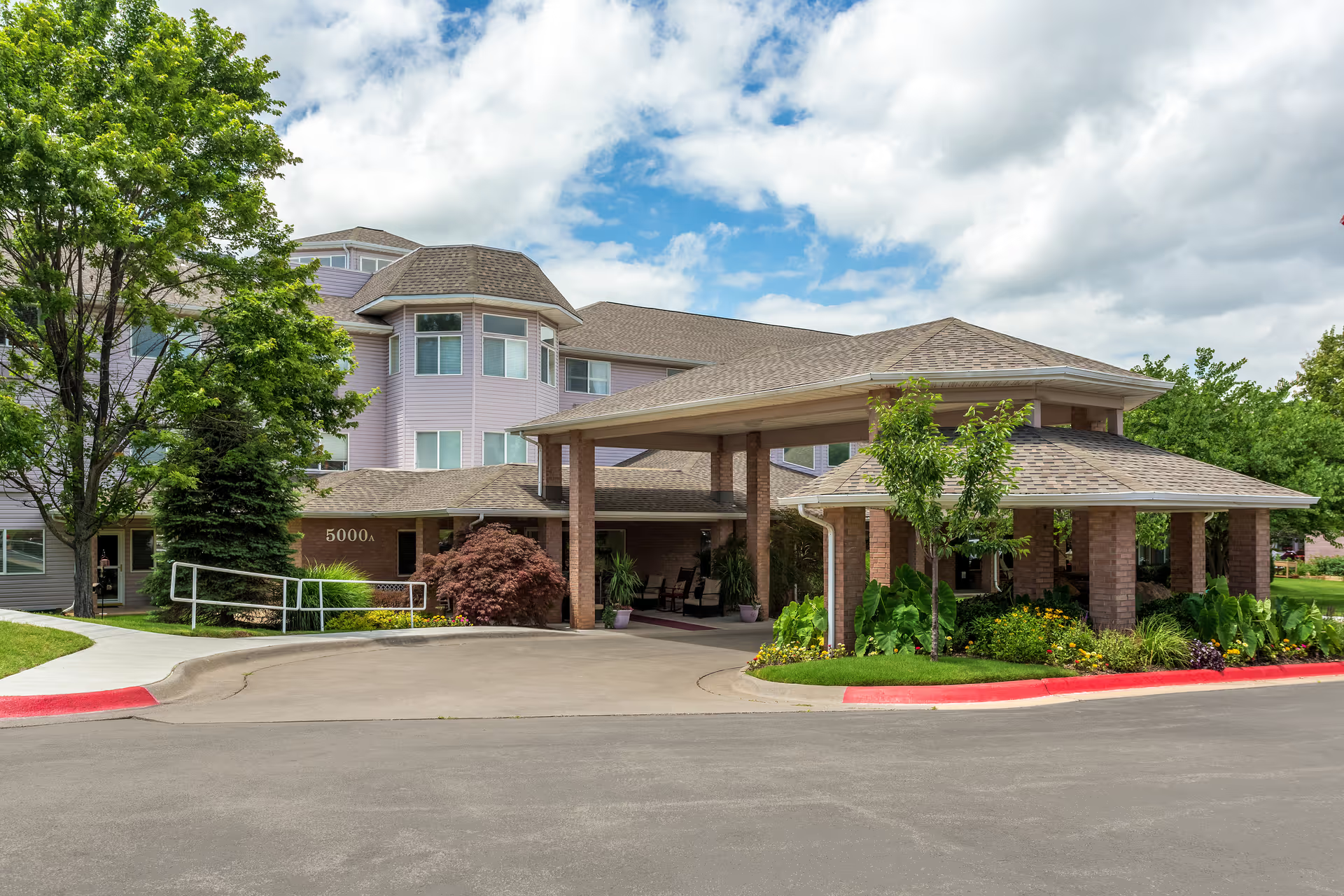
Management and leadership receive mixed but often positive comments: several reviewers commend the administration and note recent changes in ownership and cosmetic improvements to the building. Those positives coexist with operational issues, however, implying that administrative attention is present but that improvements in staffing models, maintenance planning, pest control, and dementia-care protocols would be required to align daily operations with the facility’s caregiving strengths.
For prospective residents and families, the pattern suggests trade-offs: strong, caring clinical staff and effective short-term rehab are important assets, but there are persistent operational challenges that could affect quality of life for longer-stay residents or those with advanced care needs. Recommended questions to ask during a tour include current staffing levels and turnover, average call-response times, specific dementia-care programming and training, recent pest-control and maintenance actions, and outcomes from recent inspections or quality reviews.