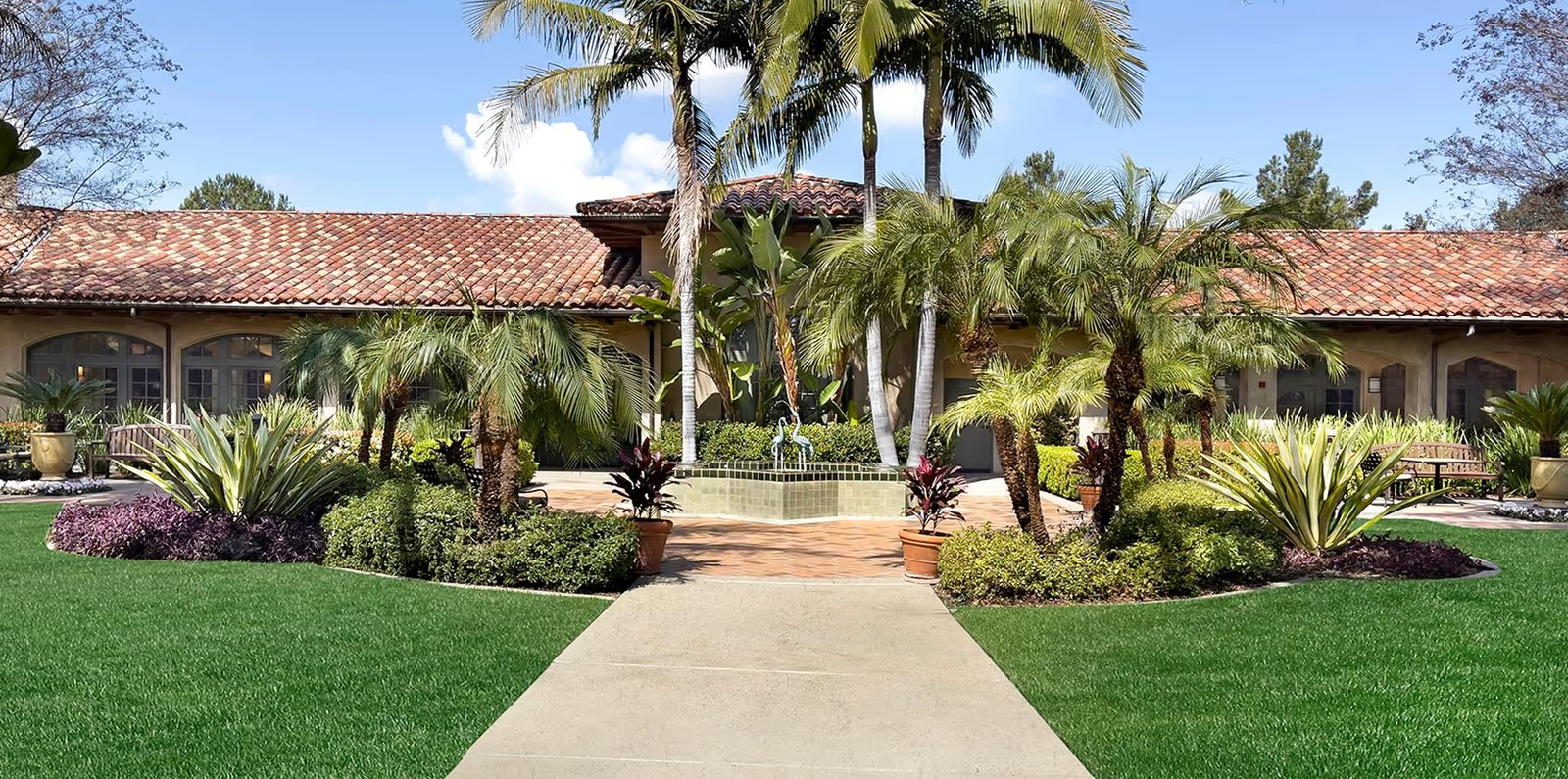
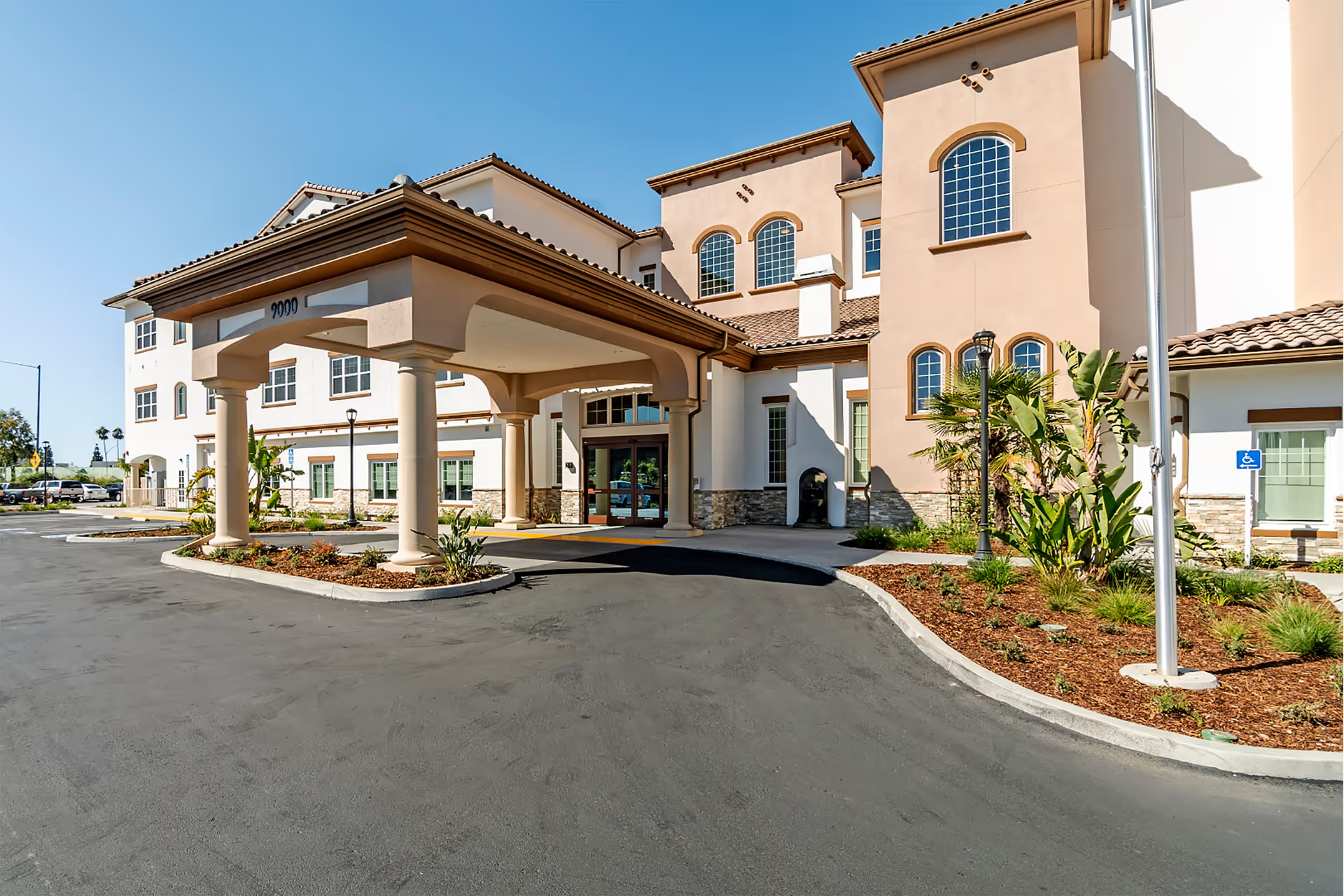
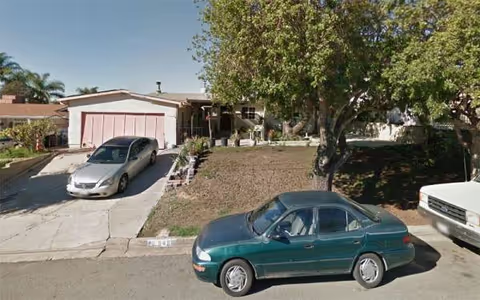
Rancho San Diego Board and Care II is presented as a small, home-like converted house with central heating and air and a more intimate three-bedroom layout. Reviewers consistently identify strengths in personalized, attentive interactions from caregivers and a generally warm, friendly tone among staff. The facility emphasizes social engagement — including board games and card groups — and encourages mobility through daily walks and walking routines, which may appeal to residents who value activity and regular movement.
Dining is a notable positive: portions are described as generous, menus are varied, and meals commonly include fresh fruits and salads with desserts provided. Transportation services are available, adding practical convenience for appointments and outings. These features suggest a communal, family-style environment with an emphasis on social dining and resident participation.
However, there are operational concerns to weigh. Several reviewers flagged inconsistent cleanliness and odor control in shared spaces, indicating housekeeping and maintenance may vary in effectiveness. A separate and important pattern is that the facility may not be equipped to meet higher-acuity care needs; at least one account notes an inability to provide required care levels. This suggests potential placement mismatches when residents’ clinical needs increase.
Additional patterns include uneven consistency in resident engagement and the overall atmosphere: while some residents are actively involved, others were described as passive or sitting idle, and families seeking a more consistently positive social climate may find variability. Reviewers also imply variability in caregiving reliability and service consistency, meaning day-to-day experience can depend on staffing and scheduling.
For prospective residents and families: the community offers a small, personable environment with solid social programming, mobility encouragement, and appealing meals. Before committing, arrange an in-person tour at different times of day to evaluate current cleanliness and odor management, review staffing ratios and schedules, confirm that the facility can meet the specific clinical needs anticipated (including any higher-acuity supports), and ask for details about activity frequency and transportation logistics. These steps will help determine whether the facility’s strengths align with the resident’s care requirements and lifestyle preferences.