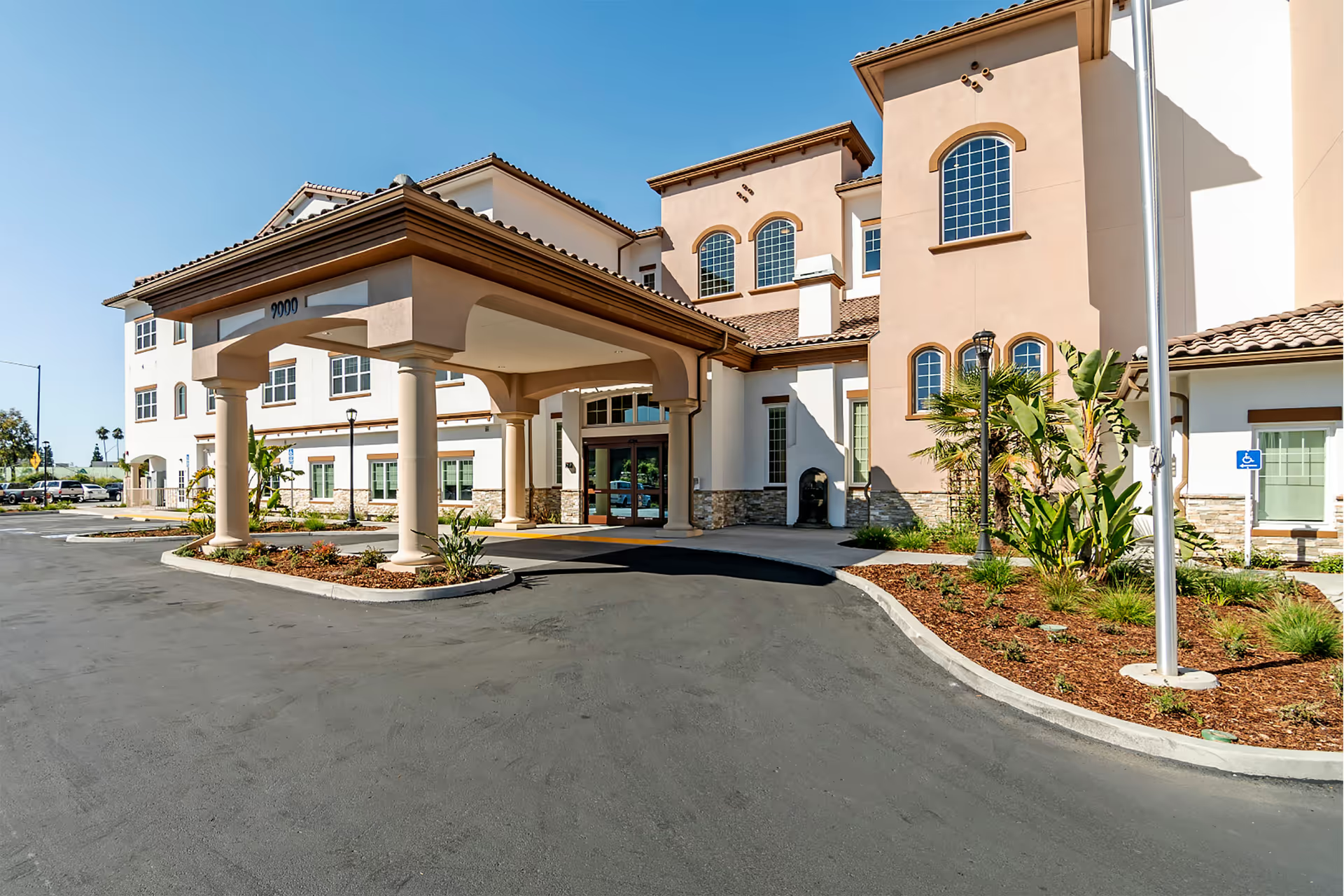
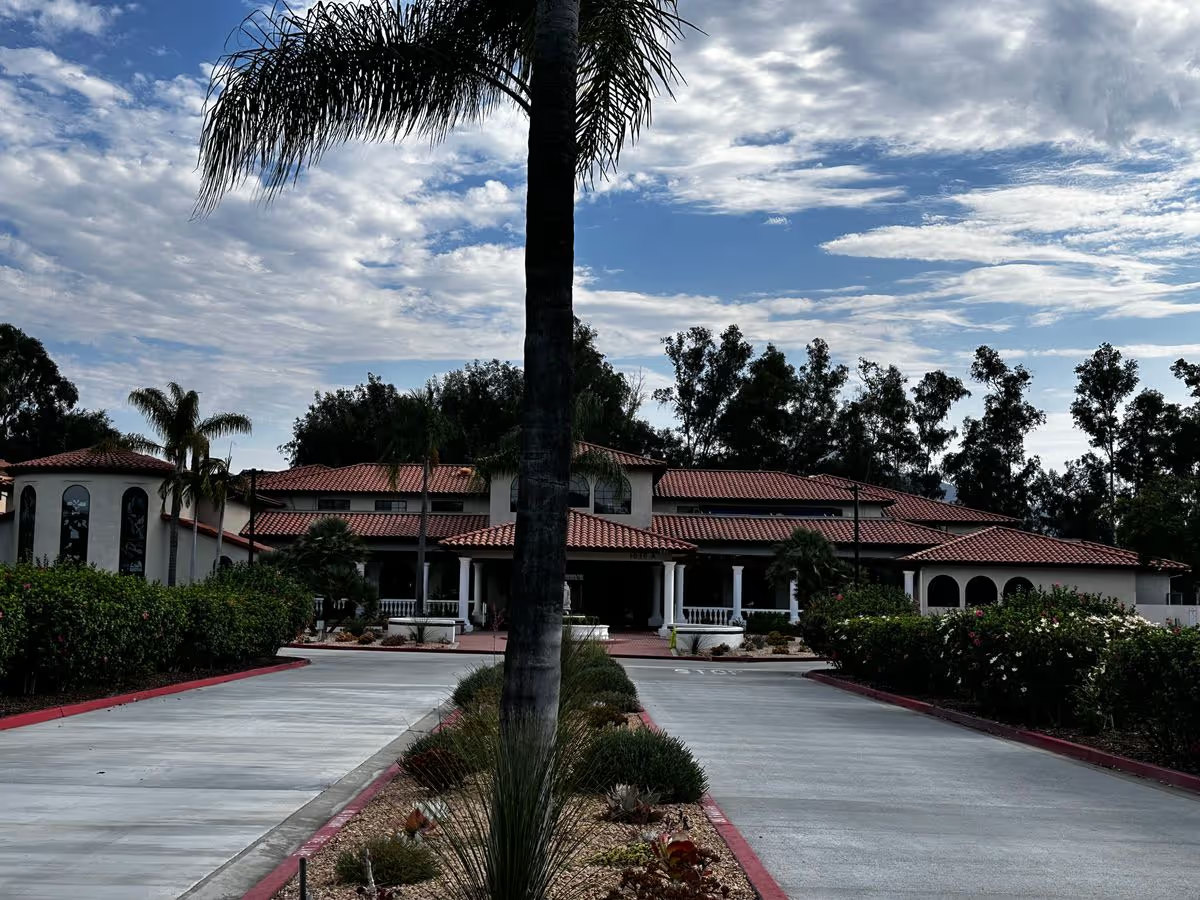
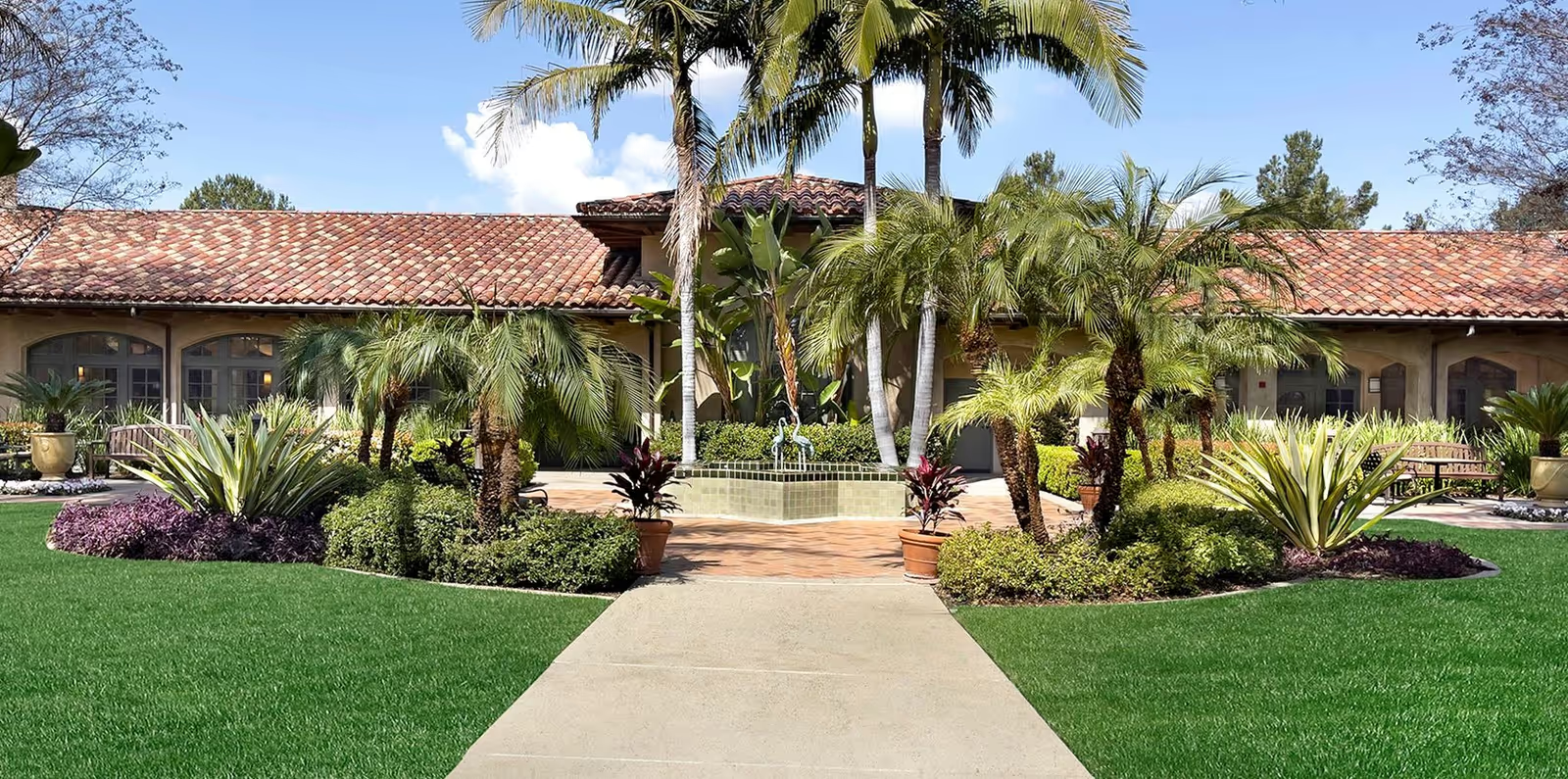
The reviews portray a facility with significant strengths alongside important and recurring operational weaknesses. Positive commentary centers on patient-facing teams: many families describe compassionate, attentive nurses and CNAs, an effective rehabilitation program (PT/OT/ST), engaging activities, and a capable dietary staff providing nutritious meals. The physical campus and recent renovations are frequently praised—clean, well-maintained common areas, private rooms in parts of the campus, courtyard/patio spaces, and a design that supports multiple levels of care and unit-based nurse stations. Administrative accessibility and certain elements of admissions and discharge coordination receive favorable mention when those teams are engaged.
At the same time, a pattern of inconsistent care emerges across units and shifts. Several reviews describe delays in attending to residents (long call-light response times, slow assistance with toileting and personal care) and variability in staff competence between day and night shifts. Medication-management concerns are prominent: delays, incorrect dosing or medication reconciliation problems, and questions about antipsychotic use and analgesic tapers. Relatedly, reviewers raise concerns about wound prevention and management, including gaps in repositioning and timely wound care, which have contributed to pressure-related skin injury in some cases.
Sanitation and environment assessments are mixed. While parts of the facility are described as clean and well-run, other unit-level accounts cite sanitation issues, odor concerns, broken equipment, and pest-control problems. Infection-control practices are similarly variable—some reviewers praise housekeeping and infection-control measures, whereas others describe incomplete wound-care follow-through and an instance of transmissible infection without timely family notification. These inconsistencies suggest that environmental and infection-prevention performance may differ by unit, shift, or leadership oversight.
Communication and administrative coordination are another clear theme. Positive experiences note accessible administrators, helpful social services, and smooth admissions; contrasting experiences describe unreturned calls, lost paperwork, billing confusion, difficulties obtaining post-discharge medication lists, limited resident phone access, and language barriers that impede family engagement. There are also serious procedural concerns raised around security and property control, including allegations of item loss and limited ability for families to locate or retrieve personal devices. Such claims elevate the need for clear property-security protocols and transparent incident response.
Overall, the facility appears to deliver strong rehabilitative and resident-centered programming in many instances, supported by dedicated frontline staff. However, the variability by unit and shift—manifested as staffing shortages, responsiveness failures, medication and wound-care gaps, and inconsistent sanitation—creates a mixed quality profile. Prospective residents and families should assess the specific unit and shift patterns they will be in, ask for current staffing ratios, review medication reconciliation and wound-prevention protocols, confirm infection-control and pest-management practices, verify language-service options, and request documentation of discharge and property-handling procedures before admission.