Overall impression: Reviews describe a facility with consistently strong strengths in caregiving, social engagement, and dining, creating a family-like environment for many residents. Staff at multiple levels—from caregivers and med techs to activity leaders and administrative staff—are frequently described as warm, attentive, and personalized in their approach. The community is praised for maintaining clean common areas and grounds, offering a wide range of on-site amenities (salon, chapel, movie theater, game room), and providing visible leadership and open communication with families.
Care and clinical services: Nursing and medication oversight are regularly noted as strengths, with on-site medication technicians, in-room lab services, and mobile imaging available. Hospice support and end-of-life services are also present and viewed positively. However, reviewers also flagged inconsistencies in medication-administration processes and described occasions when staffing levels or turnover affected continuity of clinical care. For families considering higher-dependency needs, there are recurring observations that clinical nursing coverage and supervision may be more limited than at higher-acuity sites.
Staff, communication, and management: The staff culture is a clear asset—reviewers emphasize compassionate, personalized interactions, staff knowing residents by name, and frequent family communication (photos, updates, and responsiveness to questions). Management and the facility director are generally portrayed as accessible and proactive. That said, there are operational gaps noted: intermittent communication challenges with the business office, occasional need for additional caregiver training or improved staff tone in some departments (for example, kitchen interactions), and variability tied to staff turnover.
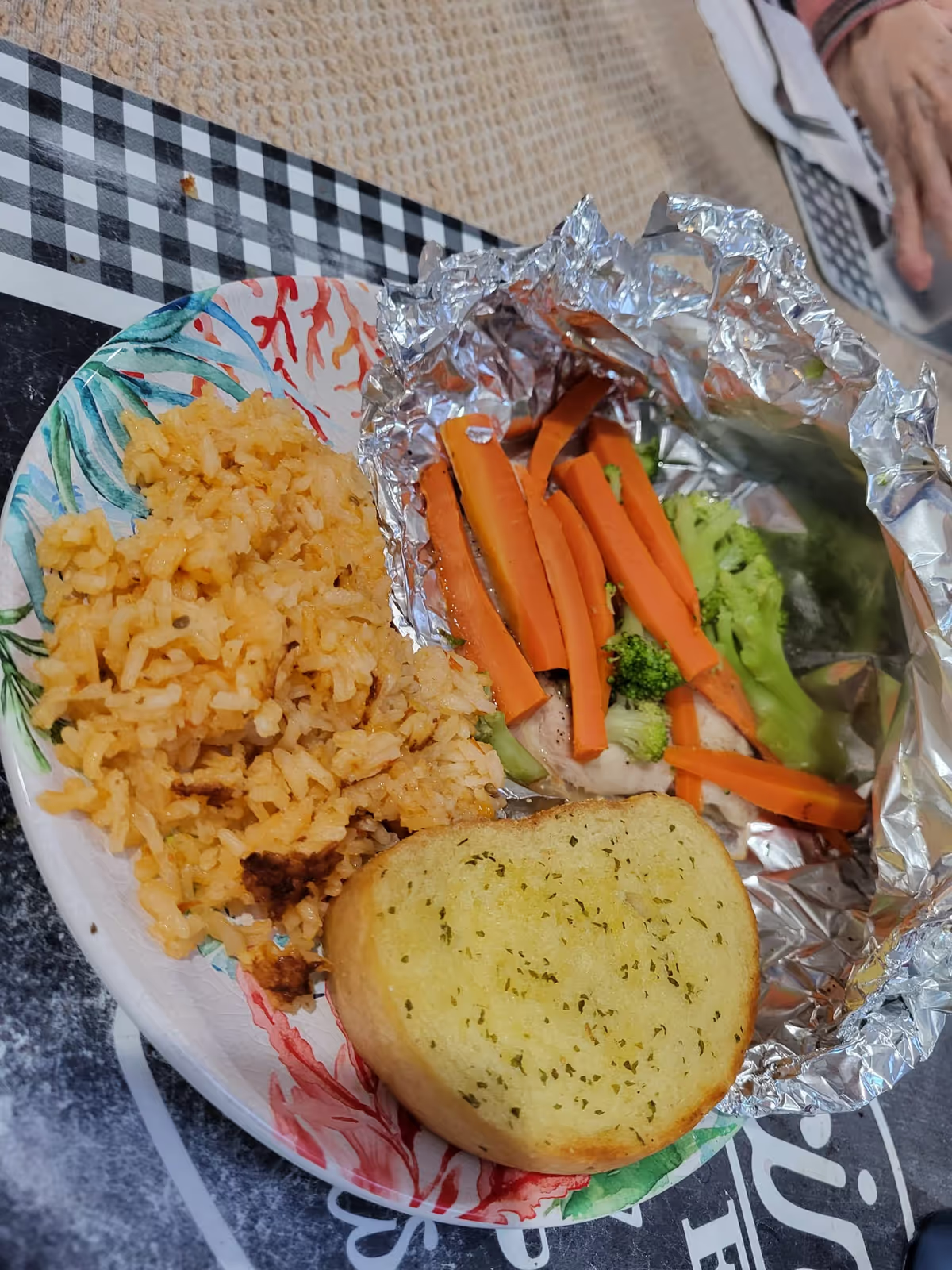
Dining and activities: Dining is commonly described as restaurant-style, nutritious, and varied, with accommodations for special diets and improvements in food quality in recent periods. Some reviewers suggested presentation or service improvements and described occasional continuity issues (kitchen closing times, menu adaptation challenges). The activities program is a pronounced strength—robust scheduling that includes games, music, exercise, outings, and family-oriented events—which supports social engagement and emotional well-being. Activity staff are frequently commended, though a few reviewers sought a broader balance of creative offerings versus sports-based programs.
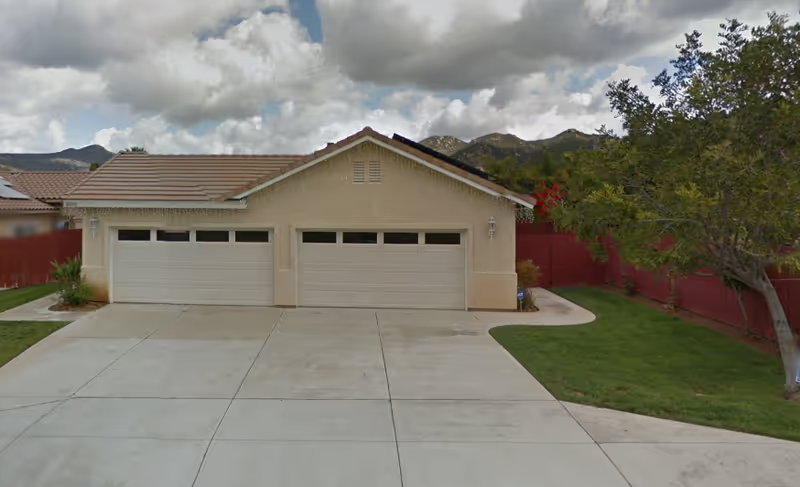
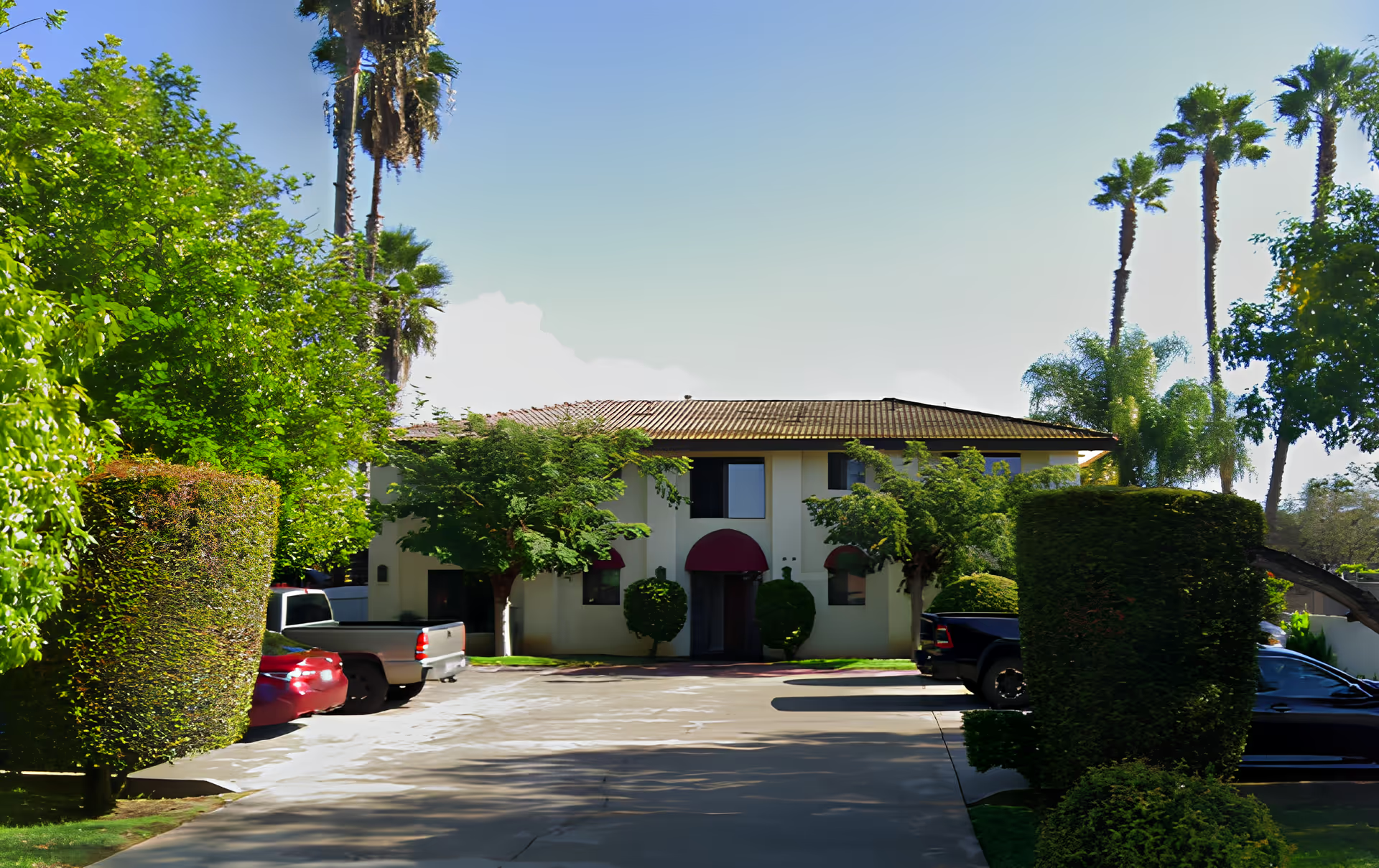
Facilities and accessibility: The campus and grounds receive favorable remarks for landscaping, outdoor seating, and a park-like setting. Many units are roomy, with one-bedroom options and patios; amenities such as a salon, chapel, and theater add to resident life. At the same time, portions of the physical plant are described as dated (carpet wear, darker interior areas, older finishes), and some layouts present mobility challenges—walking distances to dining or upstairs activity rooms can be difficult for less independent residents. Maintenance responsiveness is uneven in practice according to reviewers, and there are occasional laundry and personal-item management gaps.
Notable patterns for prospective families: The dominant theme across comments is strong person-centered daily care, hospitality, and social programming. Operational trade-offs to weigh include variable staffing consistency, episodic maintenance or service delays, and limitations for residents needing higher-level nursing care. Cost and waiver-related affordability are practical considerations for some families, as is limited availability of trial/respite stays. For those prioritizing social life, compassionate staff, and on-site amenities, the facility scores very well; for those requiring predictable clinical intensity or faster maintenance turnaround, these are areas to probe during a tour and contract discussion.