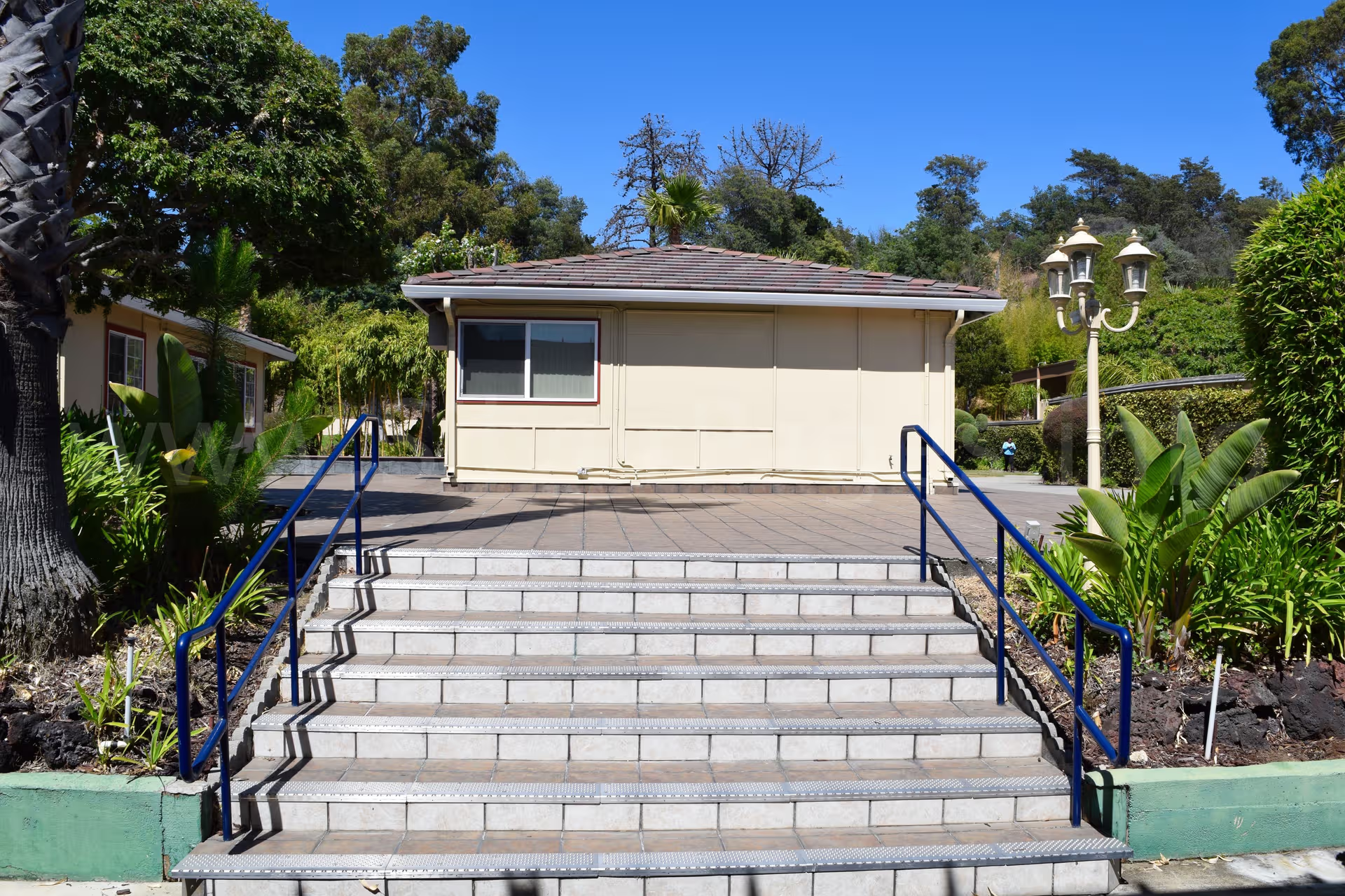
Bellara Senior Living is consistently described as a new, upscale community with a hotel-like aesthetic and extensive on-site amenities. Families and prospective residents frequently highlight bright, well-maintained spaces, spacious apartments with full kitchens and in-unit laundry, and multiple social venues including a movie theater, bistro/bar, wellness center, and landscaped outdoor areas. The physical plant and housekeeping/maintenance teams receive strong positive marks for cleanliness and responsiveness.
Care and staffing are prominent strengths in the reviews. Many families emphasize compassionate, attentive caregivers and an admissions team that provides patient, low-pressure tours and practical move-in assistance. Several accounts describe meaningful clinical attention in the memory care unit, with activities and individualized programming that families link to improved engagement and steadier emotional presentation for residents with cognitive impairment. Staff experience and skill with dementia care are noted as contributors to tailored activity plans and perceived slower cognitive decline in some residents.
Dining, activities, and wellness programming are other consistent positive themes. The community offers restaurant-style meals and a broad activity calendar that includes exercise classes for varying mobility levels, live music, organized games, walking clubs, and celebrations. Reviewers praise the social dining environment and a strong sense of community generated by communal meals and frequent social programming. The on-site fitness equipment and classes are noted as suitable for older adults, and opportunities for outdoor grilling, gardening, and pet-friendly walking contribute to resident quality of life.
At the same time, reviews reveal operational weaknesses prospective families should probe. Because Bellara is a recently opened community, reviewers describe growing pains: staffing patterns and off-hour responsiveness are sometimes inconsistent, and families have reported intermittent communication lapses during admissions, transitions, and after critical events. A few reviewers raised serious concerns about incident handling and outcomes; those reports prompted procedural changes in at least one case (for example, alarm adjustments and increased night staffing). While these appear to be isolated relative to the overall volume of positive commentary, they point to gaps in clinical-incident response and family notification practices that merit direct inquiry.
Dining quality is generally praised, but a minority of comments indicate variability in meal consistency. Prospective families may want to sample multiple meals and ask about menu cycles, dietary accommodations, and quality-assurance processes. Similarly, while safety features are present and memory care is described as secure, some reviewers cited a resident elopement event that led to protocol adjustments; prospective families should ask specifically about current elopement-prevention measures, alarm systems, and staffing ratios during nights and weekends.
In summary, Bellara presents as a well-appointed, activity-rich community with many strengths in staff engagement, amenities, and an intentionally social environment. The principal operational cautions relate to the transitional nature of a new facility—variable staffing consistency, episodic communication shortfalls, and the need for clear, documented incident-response procedures. Families considering Bellara would be well served to tour at meal and activity times, meet care staff and leadership, request recent staffing and incident-response policies, and ask for references from current residents or families to confirm the community’s current performance and improvements since opening.