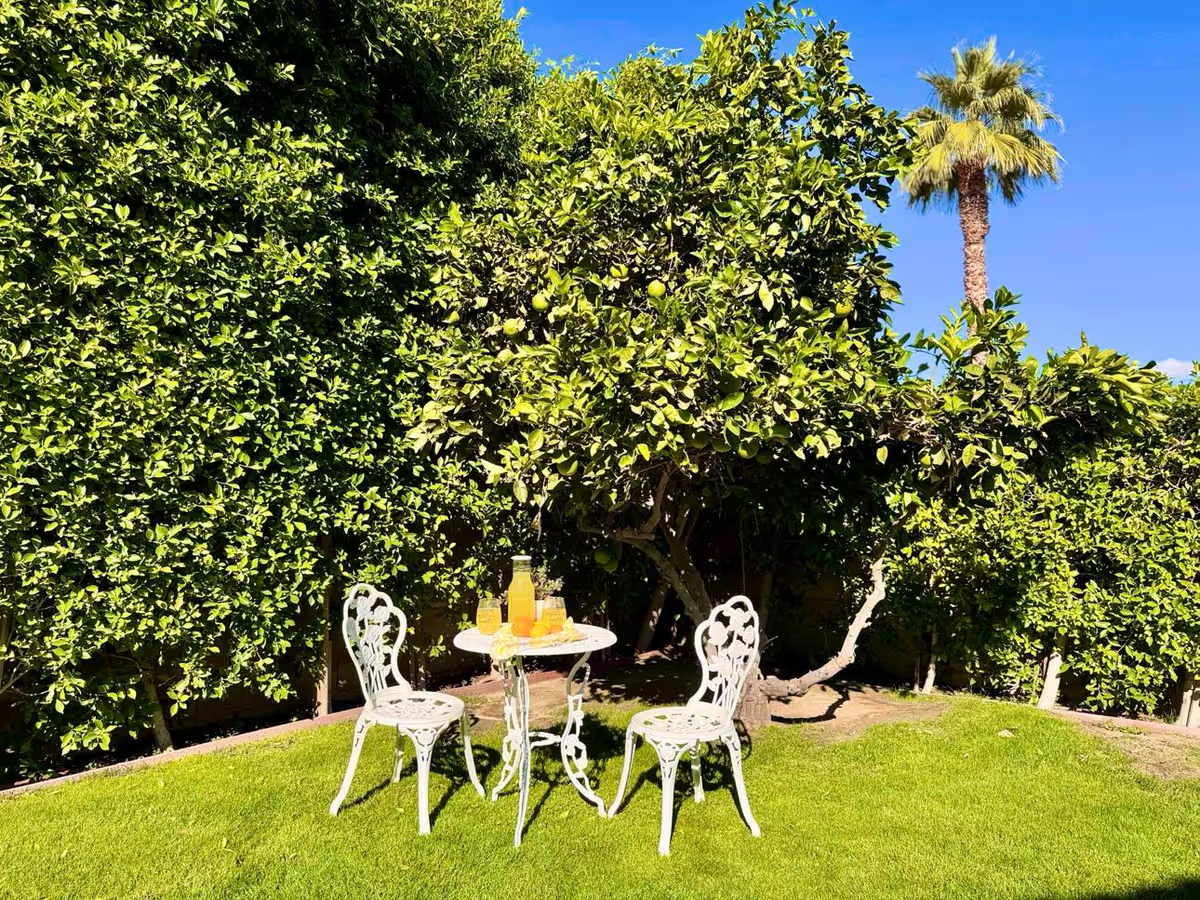
Desert Cove Boutique Assisted Living presents as a small, residential-style memory care/assisted-living option with several attributes that appeal to families seeking a home-like environment. The facility's 12-bed scale, comfortable private rooms, two dining areas, and well-kept outdoor spaces create a calm, intimate setting. Reviewers describe the grounds as pleasant and usable, with shaded patio furniture and walking paths that support light outdoor activity and visitation.
Care and staff are commonly described in positive terms: many accounts highlight friendly, caring, and competent caregivers who contribute to a relaxed atmosphere and visible resident contentment. The small size appears to allow for more individualized attention for some residents, and several families noted that their relatives seemed well cared for and comfortable in daily life.
Dining at Desert Cove receives mixed feedback. Some reviewers characterized meals as adequate and often tasty, fitting a homelike dining experience, while others indicated dissatisfaction and called for improved quality and menu variety. Overall, the meal program appears inconsistent across experiences; prospective families should ask for sample menus, meal schedules, and opportunities for resident taste trials.
Activity programming exists and includes crafts, visiting singers and children’s choirs, and interactive cooking events. However, accessibility and breadth are a concern: residents with limited mobility may have reduced ability to participate, and a small-facility model appears to limit the range and intensity of programming. A few accounts describe boredom or insufficient activities for certain residents, suggesting that activity plans may need tailoring to different levels of ability and interest.
Operationally, reviewers identified recurring management and staffing issues. Several comments describe irregular onsite leadership presence and caregiver turnover that can affect continuity of care. Related observations included communication and coordination gaps and instances raising concern about medication administration and documentation. These indicate potential weaknesses in clinical oversight and recordkeeping that families should explore when evaluating the community.
In summary, Desert Cove offers a homelike, small-community setting with personable staff, pleasant grounds, and a quiet atmosphere that many families find comforting. The primary operational considerations are inconsistent meal quality, limited program accessibility for less-mobile residents, and management/staffing stability and clinical-process gaps. Prospective residents and families would benefit from targeted questions about staffing ratios and continuity, on-site management hours, medication administration protocols, sample menus, and how activities are adapted for residents with mobility limitations.