Community Care Center elicits a mixed but distinct set of patterns. Many reviewers emphasize strong clinical capabilities in specific areas—particularly wound care and respiratory support—and consistent praise for the rehabilitative teams (physical, occupational and speech therapy). For families seeking active rehabilitative services, the facility's therapy staff and gym are frequently described as knowledgeable and effective, and several accounts cite successful recovery outcomes and meaningful improvement during stays.
Staff culture is a prominent strength: a large proportion of feedback highlights compassionate, attentive CNAs, nurses and activity personnel who create a welcoming, family-like atmosphere. Admissions and social-services personnel are frequently named as supportive, and the activities program (including specialty events) is consistently noted as robust and engaging. These interpersonal strengths appear to be central to positive family experiences and to residents' sense of being cared for.
At the same time, reviewers describe operational variability that affects day-to-day reliability. Understaffing and inconsistent shift coverage are linked to delayed responses to call lights, slower incontinence care, and occasional missed or late medications and appointments. There are repeated mentions of inconsistent staff conduct and variable training, which creates uneven experiences depending on assignment and shift. Communication gaps with families and external providers—and occasional difficulty reaching residents by phone—are recurring concerns that complicate care coordination and family reassurance.
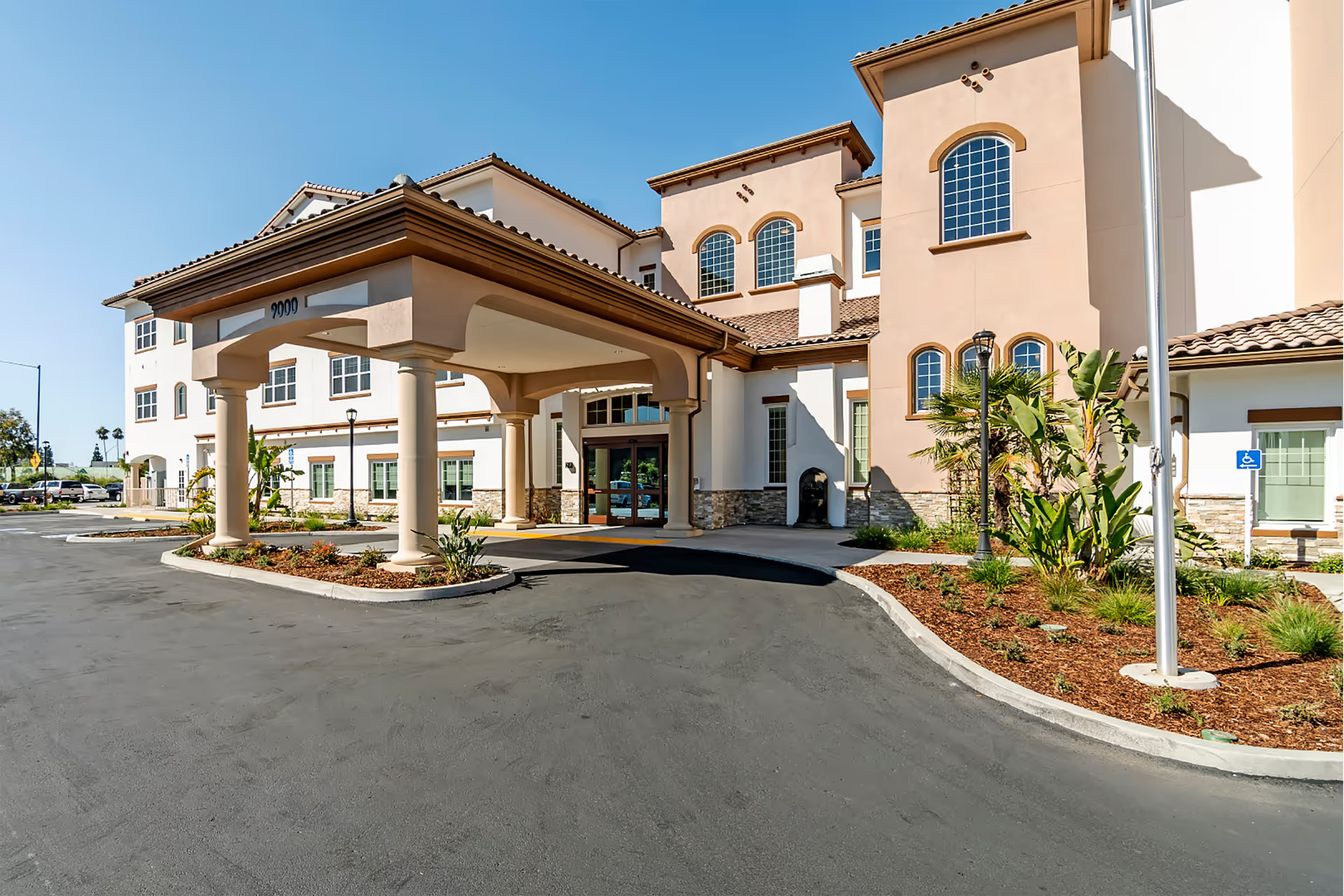
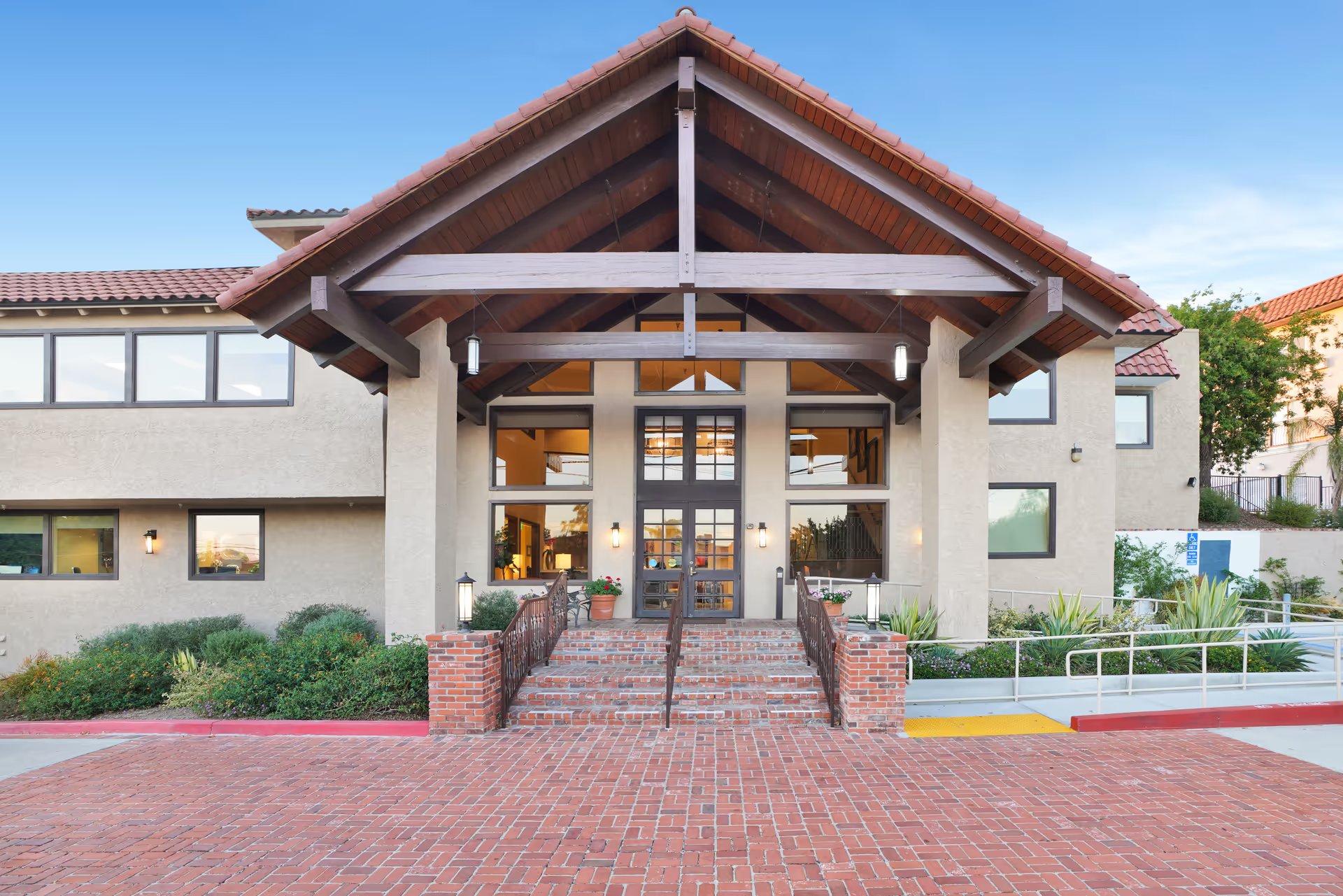
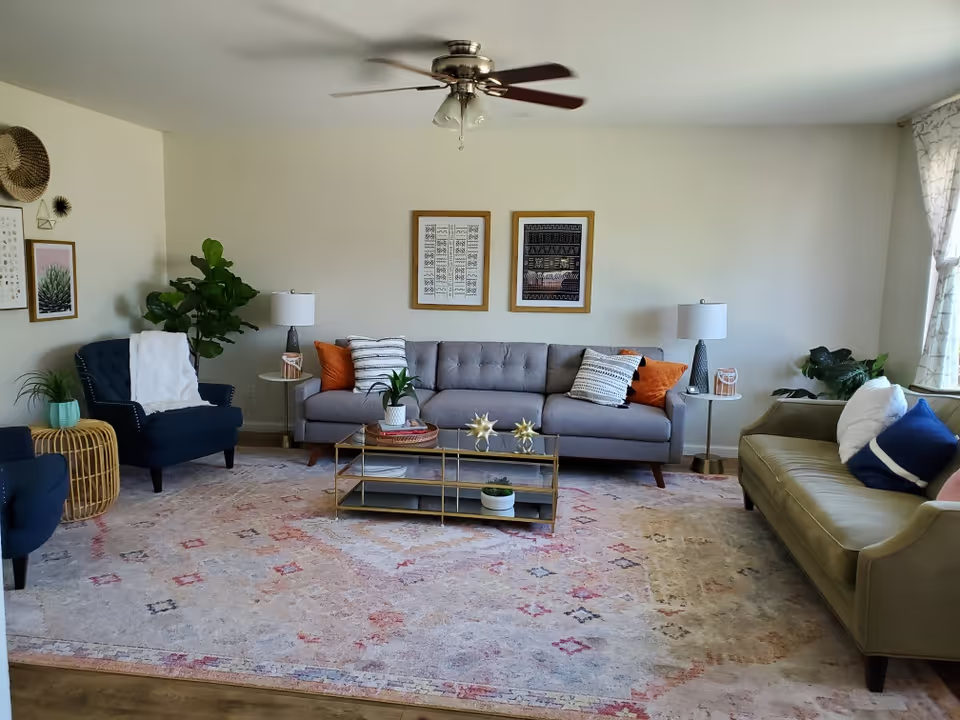
Dining and environmental impressions are mixed. Some reviewers praise meal variety and highlight positive offerings (for example, specialty bars and well-executed meals), while others describe inconsistent food quality and menu execution. Common areas and therapy spaces are often described as clean and well-maintained, but there are also notes of intermittent housekeeping and sanitation concerns as well as supply shortages (linens, wipes, pillows) that impact resident comfort. Multiple comments point to an older physical plant with maintenance needs, smaller shared rooms, and limited parking.
Safety and care-transition practices merit attention. Several reviewers raised concerns about discharge-planning, premature or poorly coordinated transfers home, and instances that led to hospital readmission; a subset also described delayed emergency responses or outcomes that families found troubling. Abstracted across accounts, these indicate opportunities to strengthen transfer-safety protocols, medication-administration timeliness, and formal discharge coordination with families and external care teams.
Overall, Community Care Center offers clear strengths in rehabilitative services, wound and respiratory care, and a compassionate frontline staff that many families find reassuring. Prospective residents and their families should weigh these strengths against operational variability: ask specific questions about current staffing levels and shift coverage, medication and discharge protocols, supply inventories, and recent corrective actions for maintenance and sanitation. An in-person tour that includes meeting therapy staff, inspecting room and common-area conditions, and clarifying communication channels will help determine whether the facility’s praised clinical and interpersonal strengths align with an individual resident's needs and safety expectations.