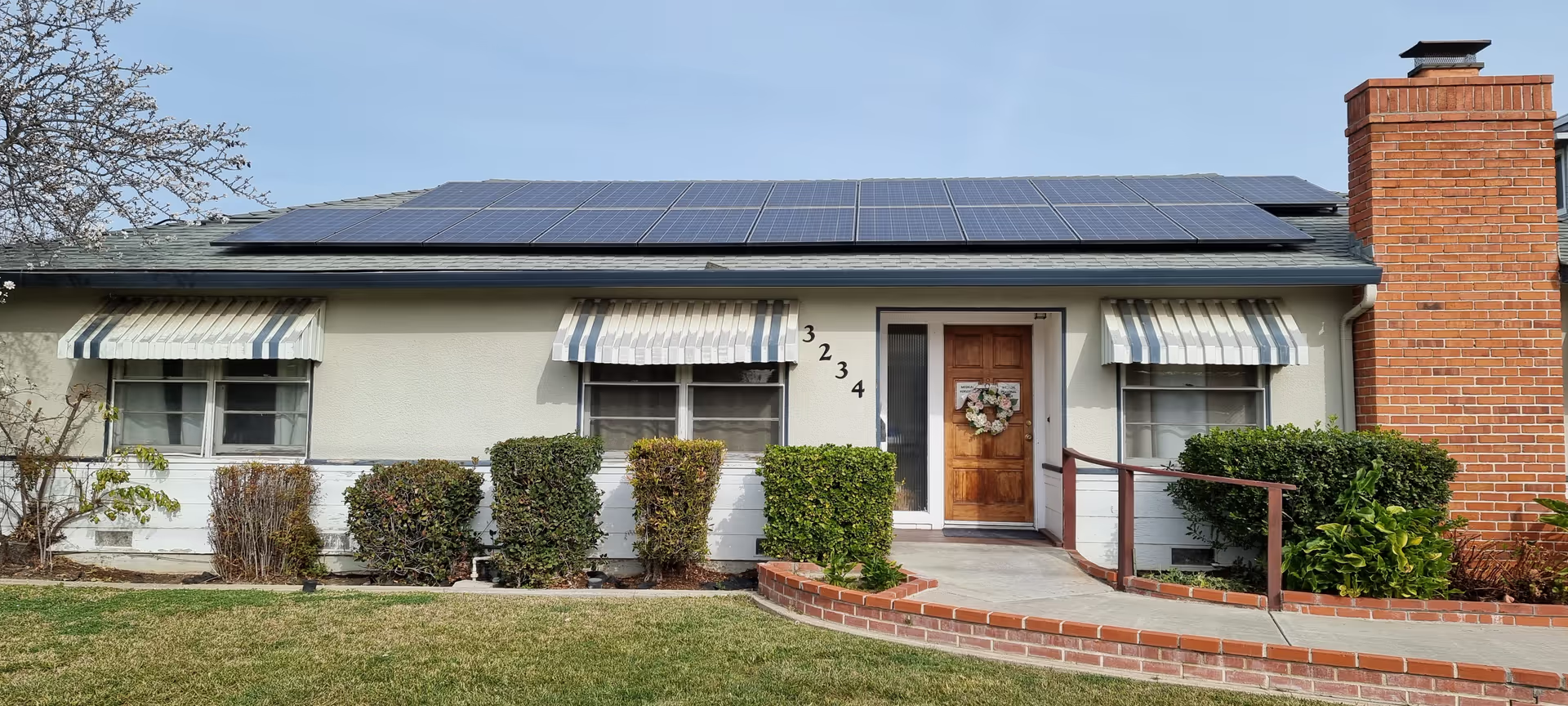
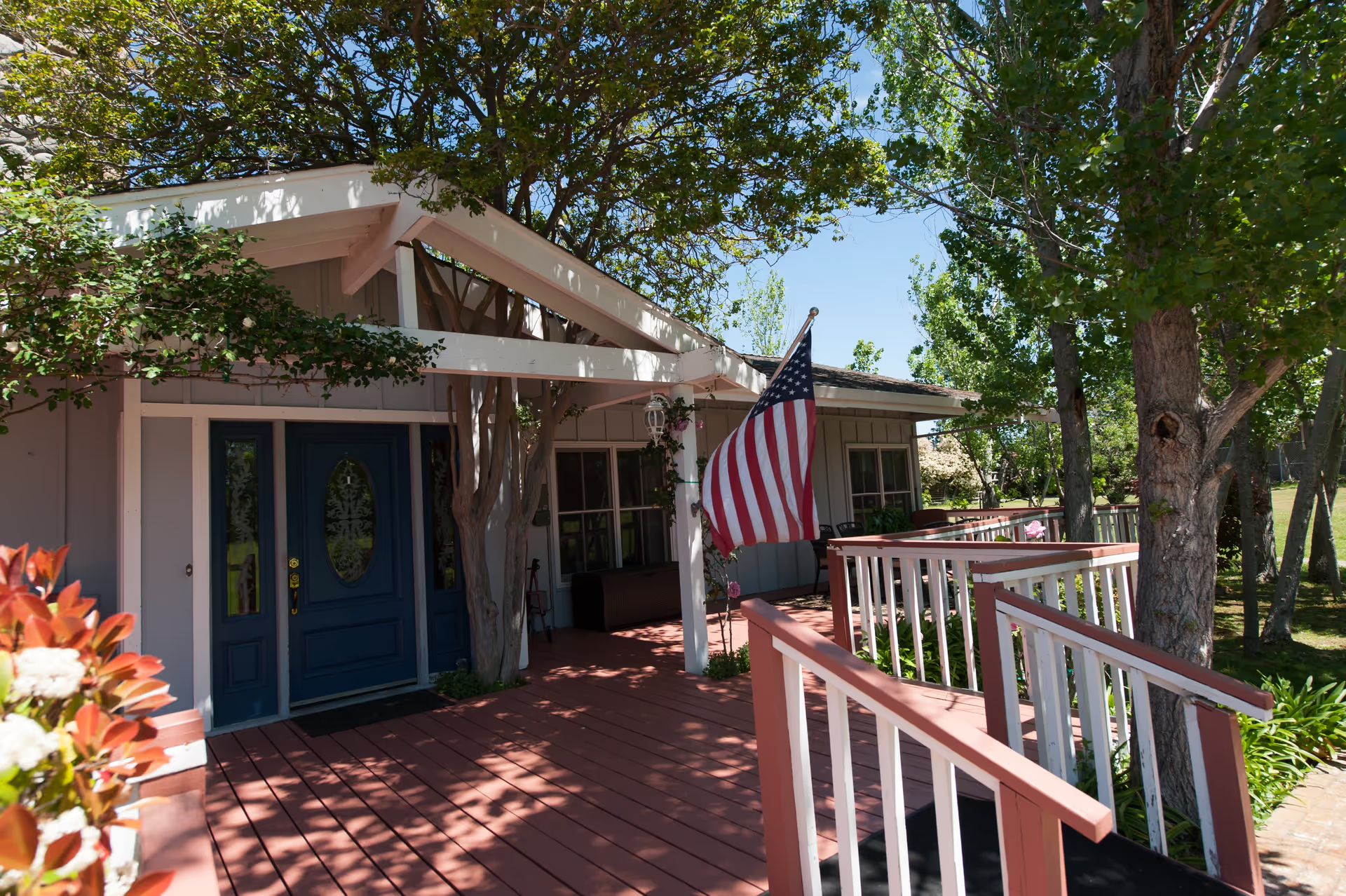
Overall impression: Livermore Valley Senior Living presents as a small, home-like facility with an emphasis on individualized attention and a caring culture. Families frequently describe attentive, compassionate caregivers and long-tenured staff who build personal relationships with residents. The community is generally characterized as clean, well maintained, and comforting, with an attractive outdoor area that contributes to a pleasant atmosphere and family-like social environment.
Care and staff: Reviewers consistently praise the staff’s compassion, respectful interactions, and routine health and behavioral monitoring. Communication from front-line caregivers and management is repeatedly described as clear and thorough, which families cite as a source of peace of mind. At the same time, there are operational concerns tied to staffing and scheduling: caregivers’ responsibilities sometimes create scheduling constraints that can affect service continuity. There are also isolated, more serious claims about staff conduct that families recommend investigating further; these suggest a need for clear supervision and documented corrective processes.
Dining and activities: Dining is a strong point — reviewers note well-prepared meals, healthy options, generous portions, and an engaged cook. Activity offerings exist and contribute to resident satisfaction, but several families expressed a desire for more or more physically focused programming. The small scale of the community supports personalized activities, though limited common-area space can constrain larger group programming.
Facilities and safety: The facility is generally clean and homelike, with well-maintained outdoor spaces that residents and families value. However, the building itself is older: furnishings and carpeting show wear in places, and some areas are described as darker or more cramped than modern alternatives. Reviewers raised operational safety concerns related to exit handling and fire-safety procedures; these indicate an area where prospective families should request documentation of emergency protocols, drills, and safety training.
Management and notable patterns: Management responsiveness and infection-control practices are highlighted positively, and families often report clear, timely communication about resident status. Value for cost is frequently mentioned. Patterns to watch include the facility’s small size, which enables personalized care but may limit specialized services such as dementia programming and certain physical-activity options. Prospective residents or families should balance the benefits of individualized attention and a familial atmosphere against limitations tied to an older facility footprint and constrained communal space.
Recommendations for prospects: Ask about current staffing ratios and scheduling practices, dementia-care training and available programming, recent safety audits and emergency-procedure reviews, and sample activity calendars. Also request references from current families and inquire how management documents and addresses conduct concerns to ensure the facility’s operating practices align with your relative’s needs.