Eldercare Villa is described as a small, home-style memory-care provider with clinical-level supervision and a management team that appears engaged in improving care. Reviewers emphasize a knowledgeable director and access to RN-level caregiving, which supports transitions such as post-hospital discharge. Several family accounts describe measurable improvement in resident mood and engagement after admission, and overall impressions skew positive with families recommending the community.
Care and staff: The facility's staffing model includes clinically trained personnel and a director perceived as competent. Caregivers are characterized as caring and responsive; families report prompt attention and improvements in residents' physical and social status over time. A recurring operational theme is an early adjustment period for some residents marked by reduced appetite, weakness, or low mood that subsequently improved with active clinical support and staff attention. Prospective families should expect an initial stabilization phase and confirm transition supports with management prior to move-in.
Dining and activities: Nutritional and engagement outcomes appear to have improved for residents after admission. Initial appetite or weakness was noted in some cases, but follow-up descriptions indicate better eating and greater participation in activities as residents acclimate. The small-group setting contributes to more individualized attention and opportunities for social interaction, which reviewers link to increased happiness and engagement.
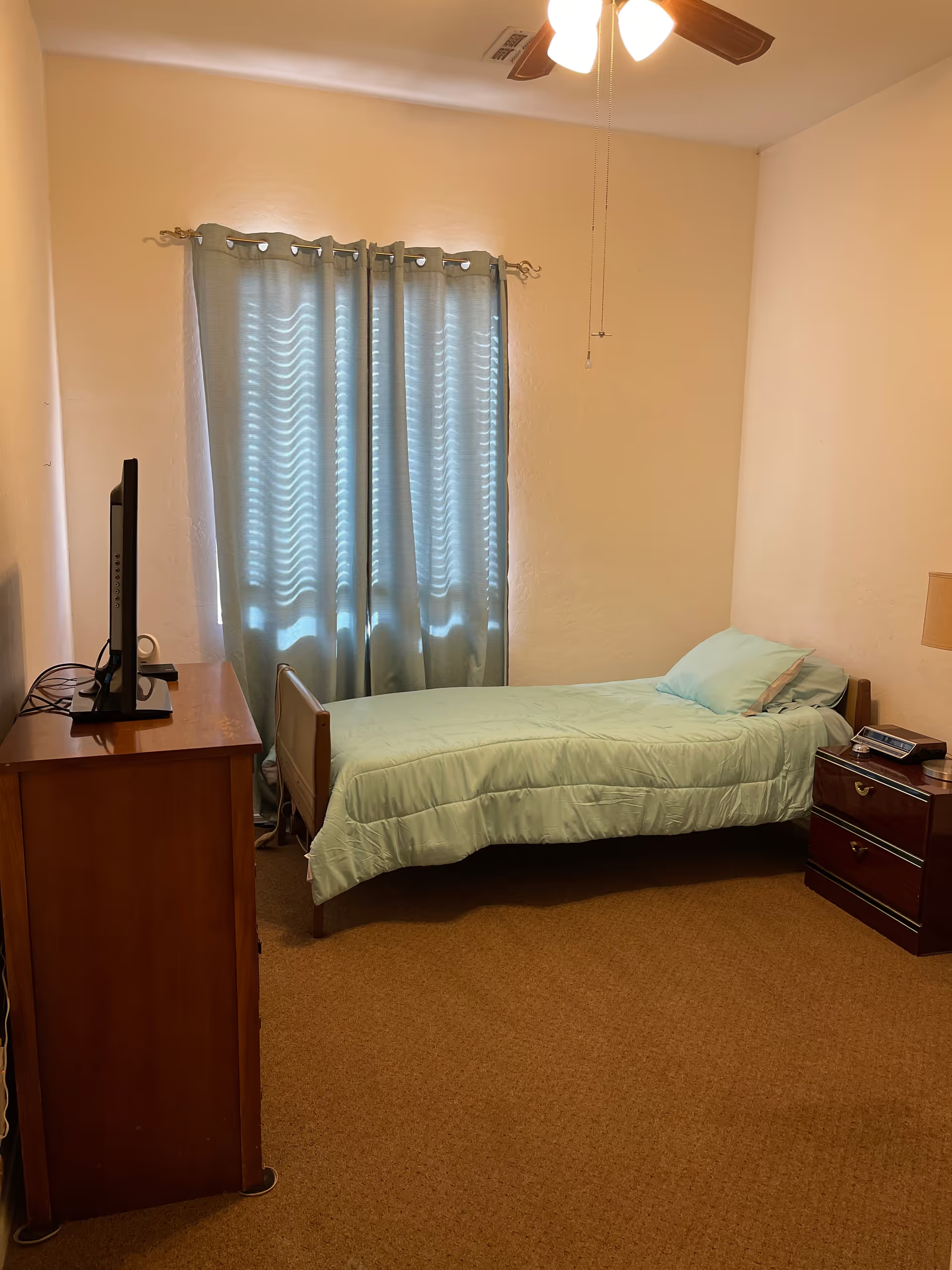
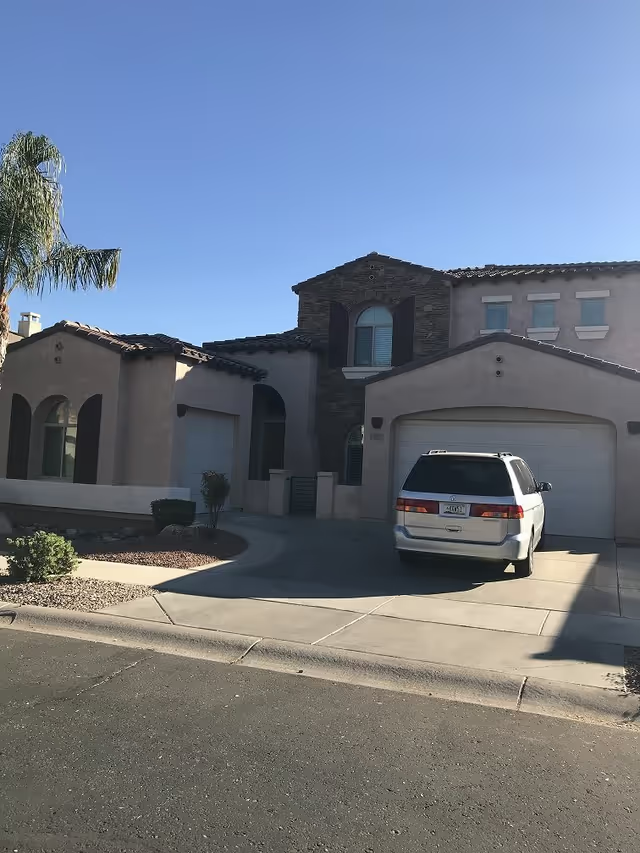
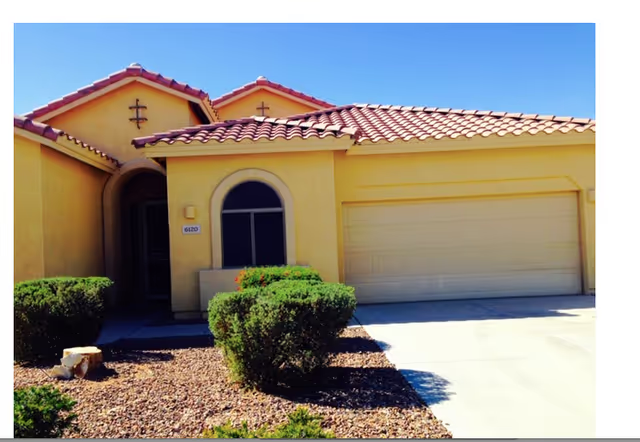
Facilities and management: The small-home model gives the community a residential feel and allows staff to provide individualized maintenance and housekeeping services; one reviewer mentioned on-site responsiveness for household repairs as an example. Management is portrayed as actively addressing issues and pursuing improvements. That said, the small-scale format also means limited bed capacity and fewer large-scale amenities compared with larger facilities—an expected trade-off for a more intimate environment.
Notable patterns and recommendations: Families praise the clinical oversight and staff responsiveness, and many would recommend the facility, particularly for memory-care needs and short-term post-hospital placements. Two operational considerations stand out: the community’s location is convenient for Burbank-area families but may be distant for others, and new residents commonly experience an initial adjustment period that requires close monitoring. Prospective residents and families should verify proximity, bed availability, and the facility’s transition plan to ensure it matches their logistical needs and initial-care expectations.