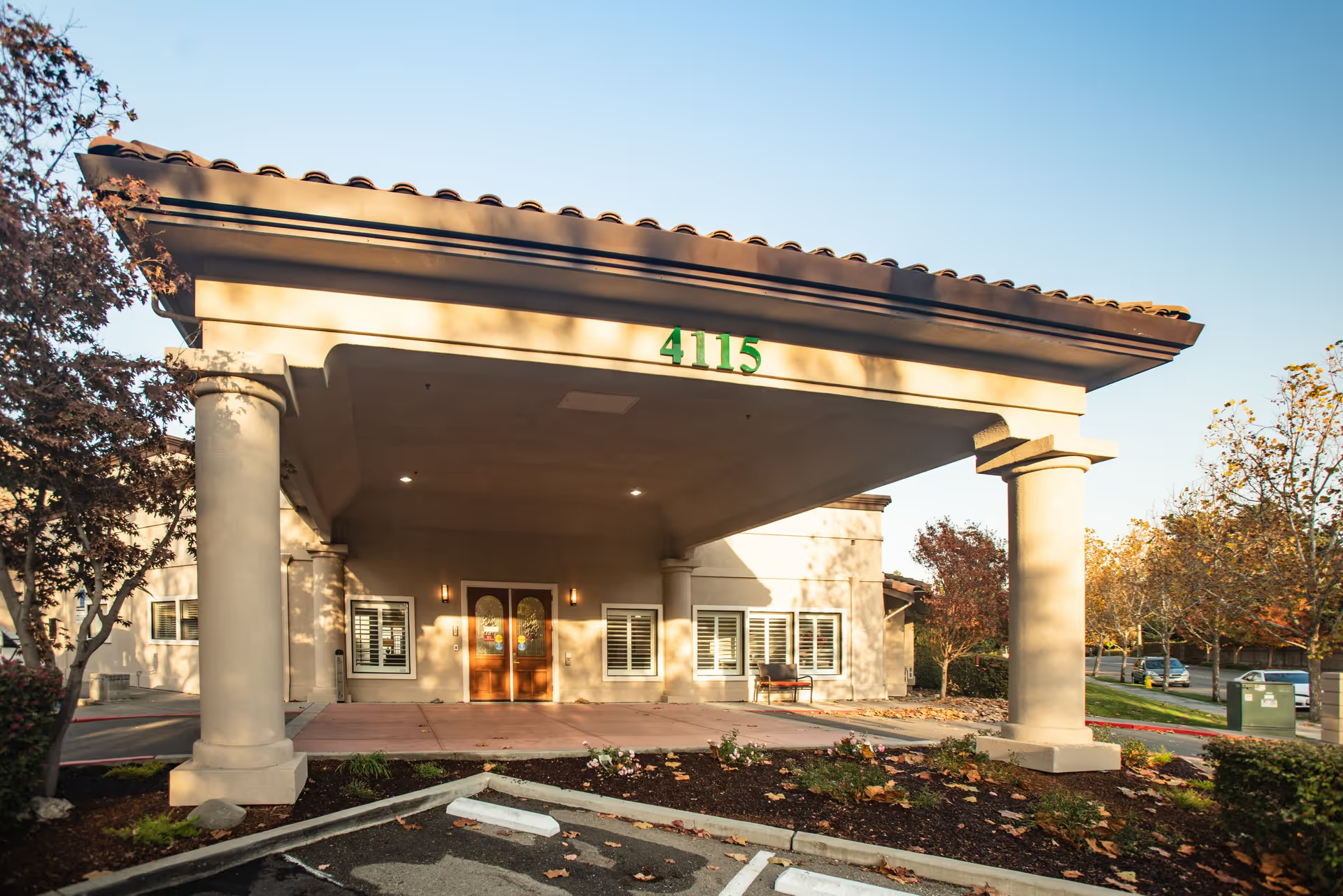
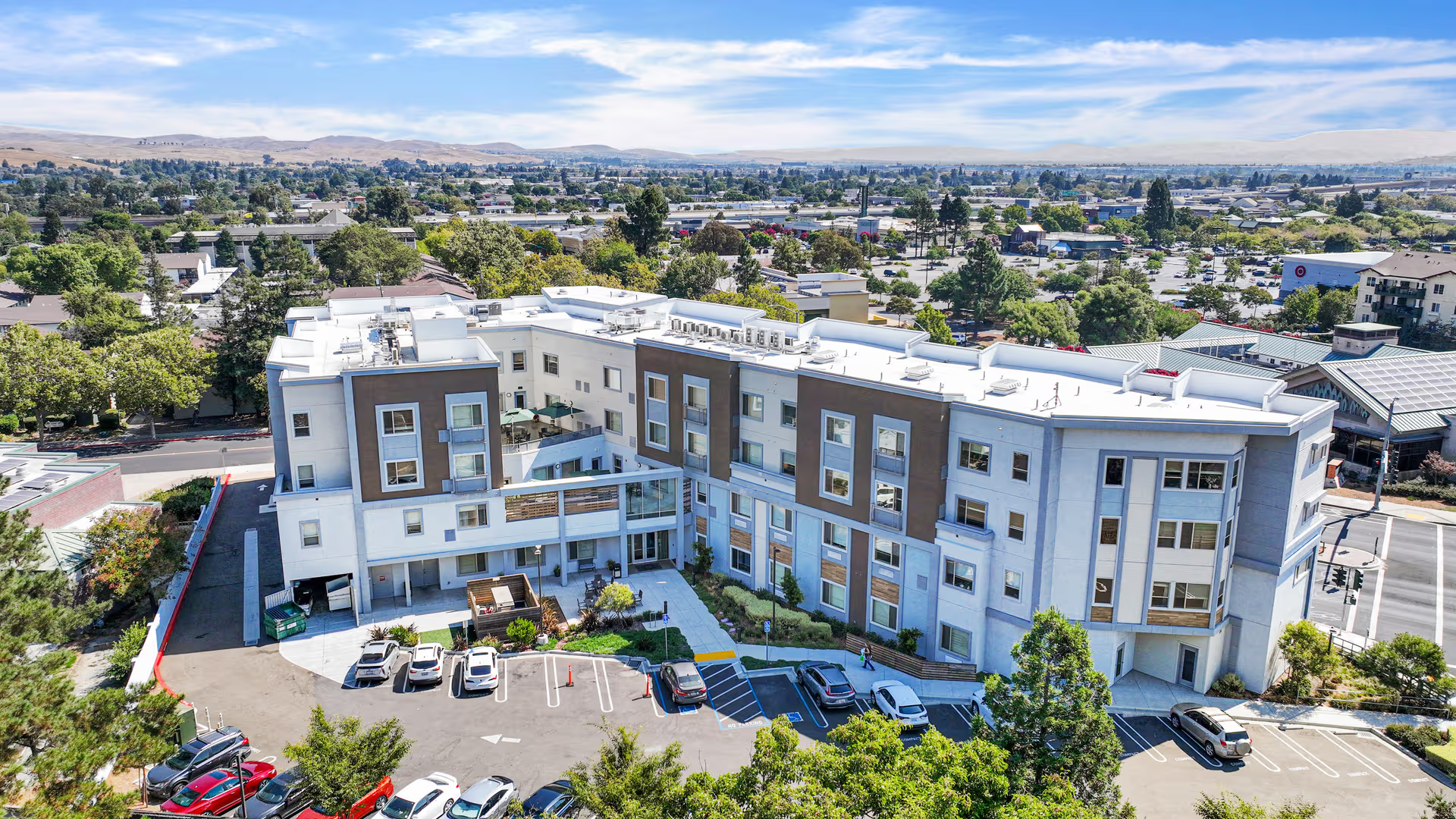
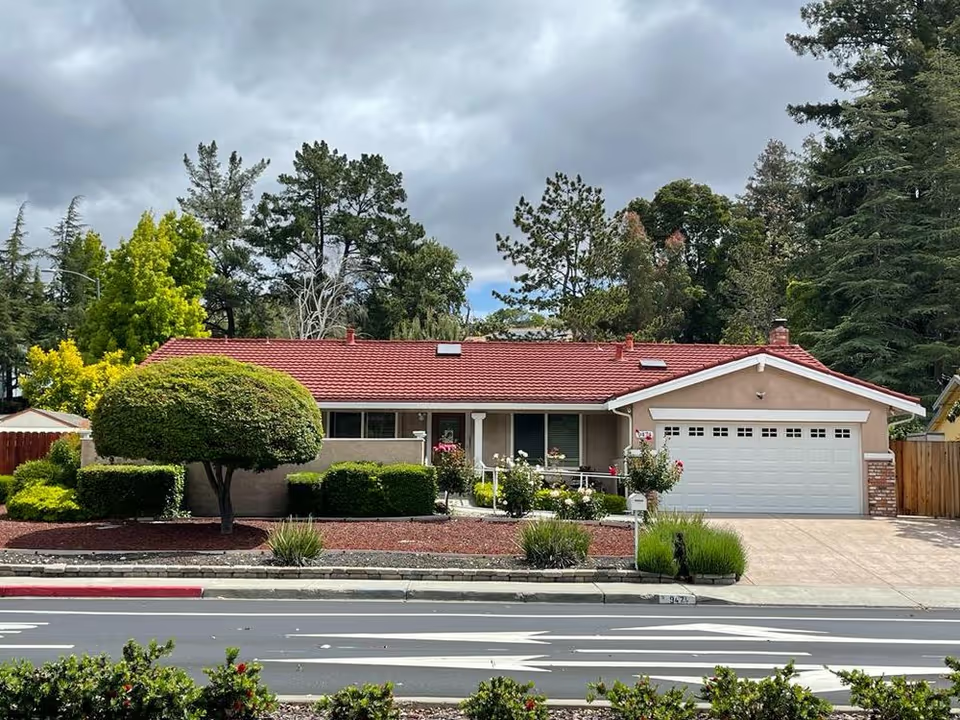
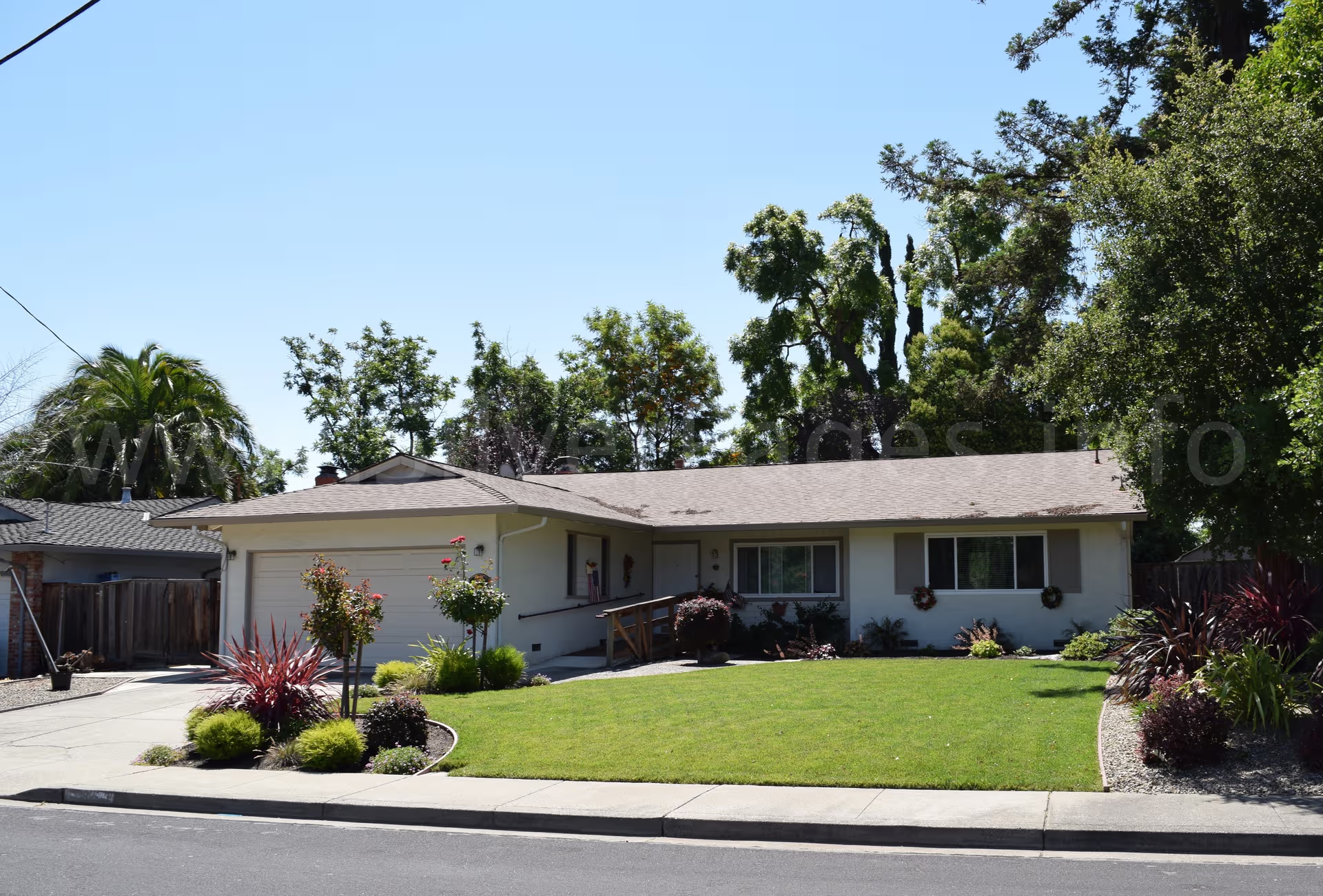
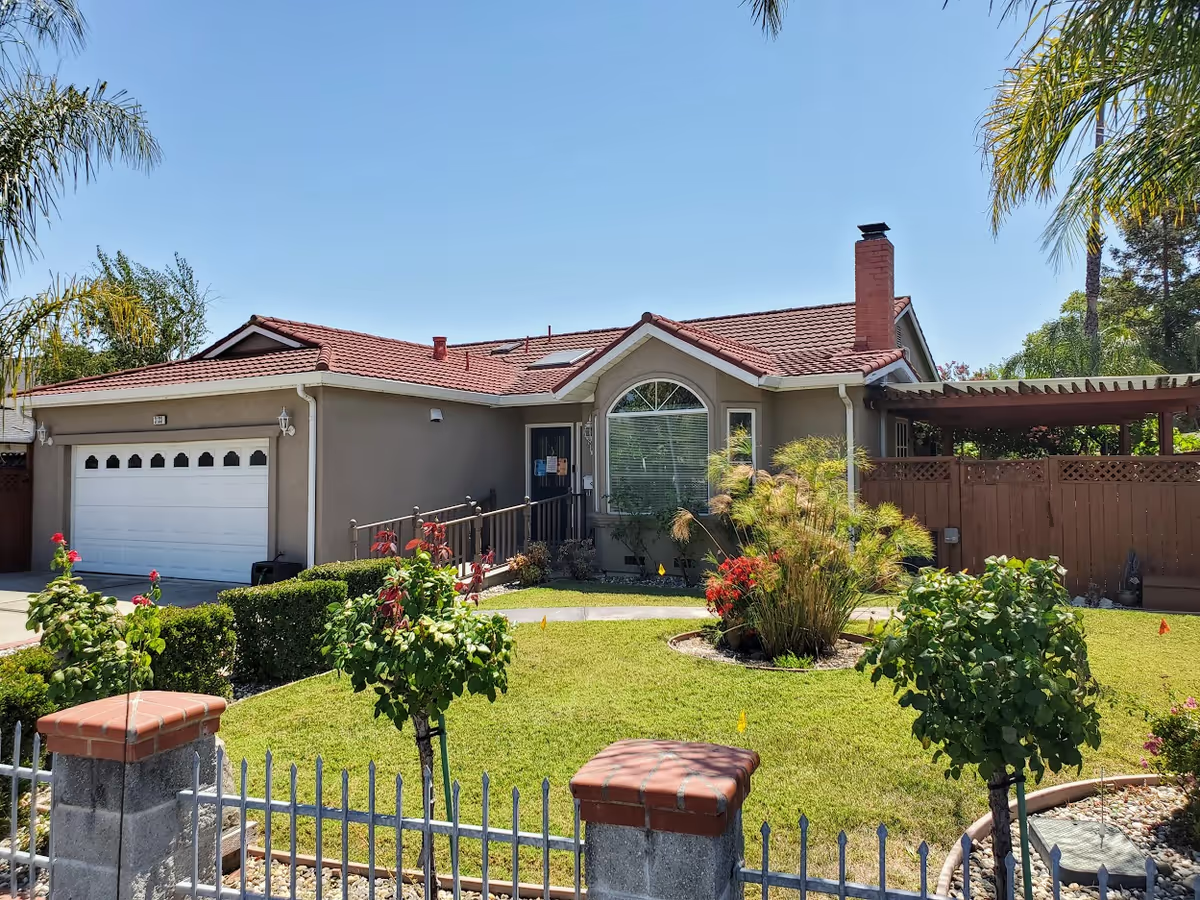
Pleasanton Senior Care Villa is described consistently as a small, home-like boarding environment that emphasizes compassionate, personalized caregiving. Reviewers highlight a family-style atmosphere in which residents receive close attention from a small caregiving team and a hands-on administrator who has a licensed nursing background. Continuity of care is emphasized: long stays, consistent caregivers, and individualized plans appear to be central to the facility’s approach. The home is also hospice-licensed and families reported coordinated end-of-life support when needed.
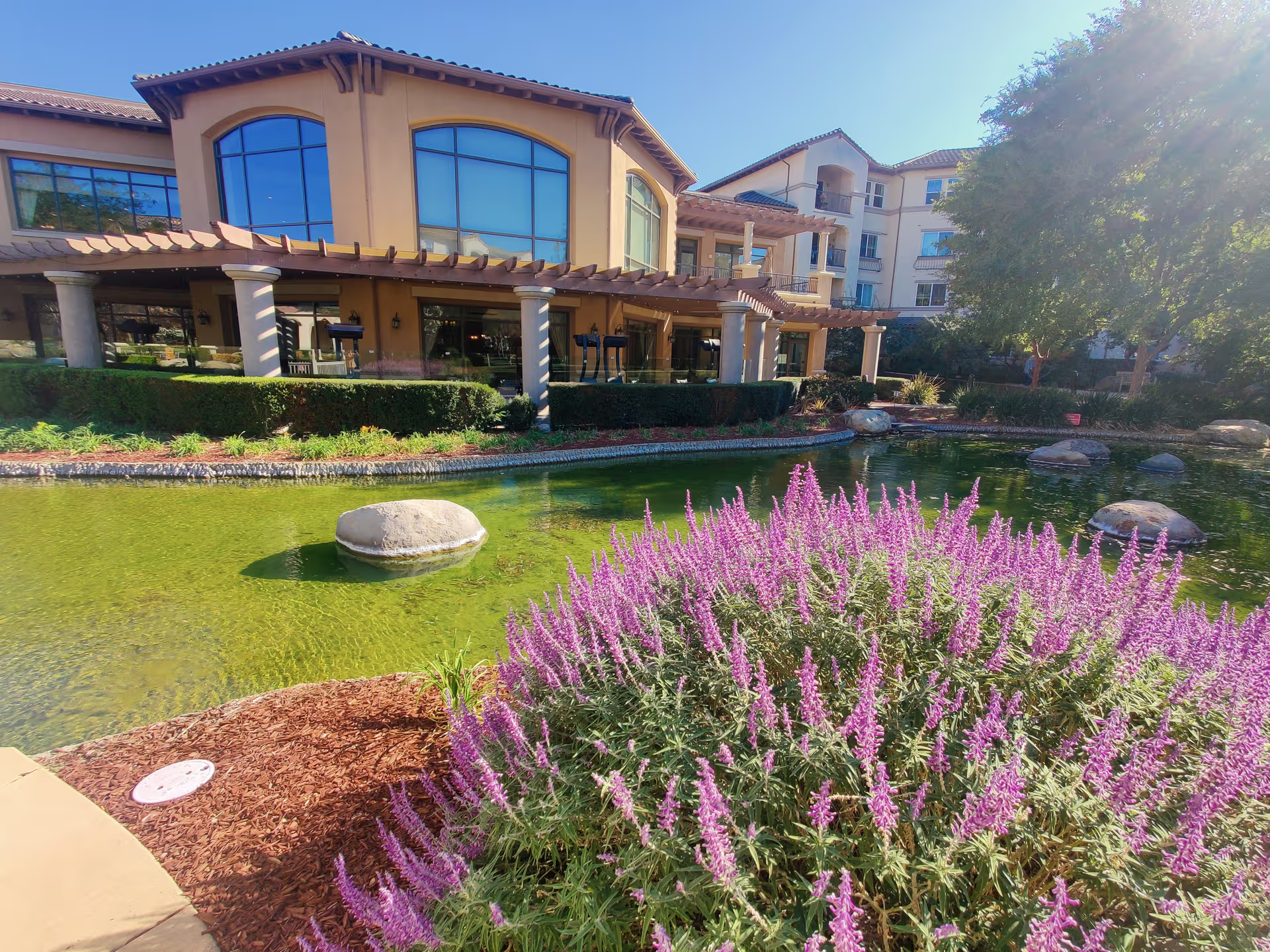
Staff qualities and day-to-day life are recurring strengths. Caregivers are portrayed as kind, patient, and engaged; the administrator is noted as present, involved in care, and active in advocacy with physicians. The small resident census (six residents) and the facility’s staffing model produce a high level of one-on-one attention and a family-like social environment. Dining is described positively — home-style meals, joyful table scenes, and good food — and the property includes a bright, remodeled interior plus an outdoor deck and yard that support social interaction and outdoor time. Multiple families described the home as clean and well-maintained, with effective infection-control practices during recent health events.
Operationally, the facility’s small size is both a defining strength and a constraint. The limited capacity can restrict availability for new residents and the staffing model provides less redundancy than larger facilities; this can be important for families to consider if a resident’s care needs fluctuate or require more intensive clinical coverage. Reviewers implied that 24-hour skilled nursing or higher-acuity clinical services may be limited, making the setting better suited to residents who need personal care and hospice support rather than continuous complex medical interventions. Overall, the pattern across accounts is of a tightly run, affectionate small-home setting with strong personal attention and hospice integration, balanced by trade-offs in capacity and around-the-clock clinical intensity.