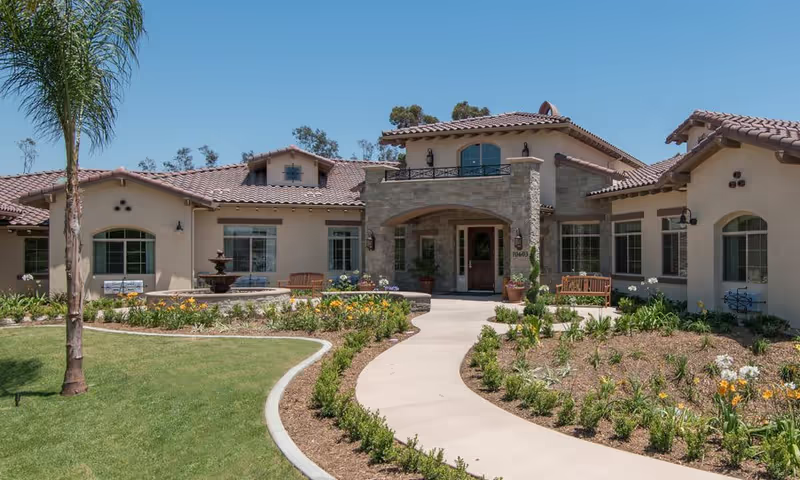
Mount Carmel Assisted Living receives substantial praise for its caregiving staff and owner involvement. Many families described staff as compassionate, hands-on, and knowledgeable; ownership is frequently noted as active and supportive in day-to-day operations. The facility is described as having a home-like, family atmosphere, with individualized care plans and staff willing to accommodate personalized dining requests. Cleanliness and tidy common areas, along with pleasant outdoor patios and garden access, are consistently cited as strengths.
Clinical care quality appears to be strong for residents who do not require specialized dementia services. Reviewers emphasized vigilant attention, attentive assistance, and thorough explanations from staff. At the same time, there are clear limitations in the facility’s suitability for advanced cognitive impairment; families seeking memory-care–level supports should verify programming and staff training before placement. There is a pattern of positive transition support (including during restrictive periods such as Covid) that suggests thoughtful admission practices for appropriate residents.
Dining and housekeeping are generally viewed positively. Multiple comments reference good food, customizable meal options, and a clean environment. Staff responsiveness around meals and individualized requests was noted, and the household scale supports a personalized dining experience rather than institutional service.
Activity offerings show mixed impressions. Some reviewers highlighted daily games, weekly excursions, and active social interaction including day‑care visits; others found activity levels insufficient. This variation suggests that programming may be intermittent or prioritized differently depending on staffing and resident mix. Prospective families should ask for a current weekly activity schedule and attendance patterns to assess fit with a particular resident’s social needs.
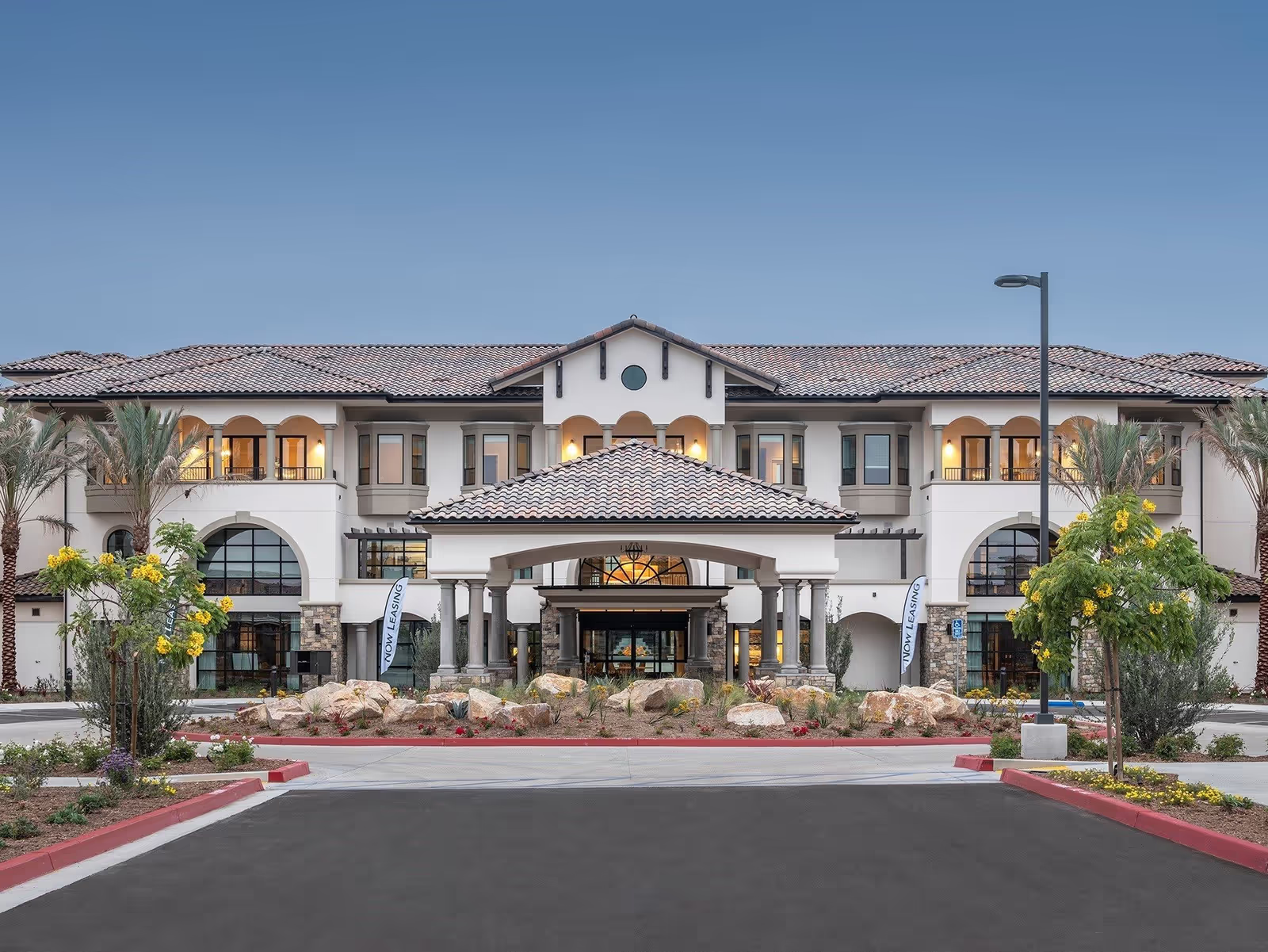
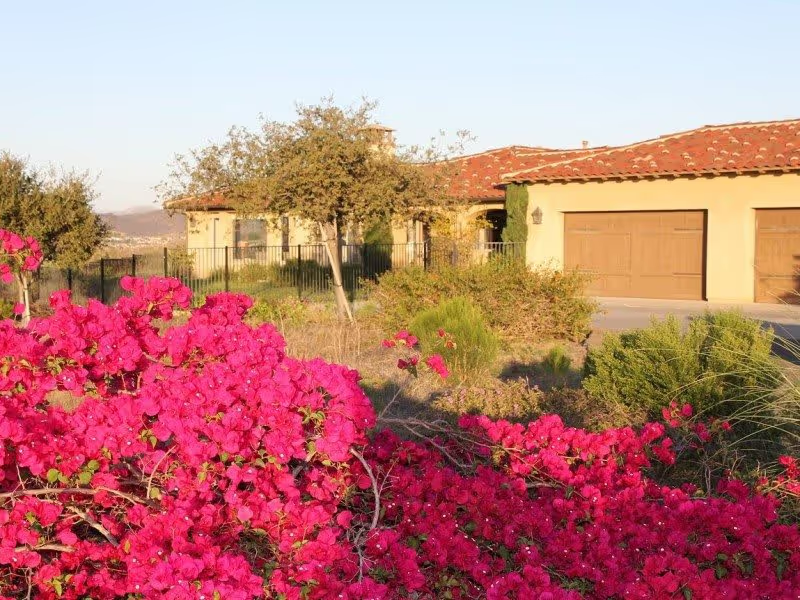
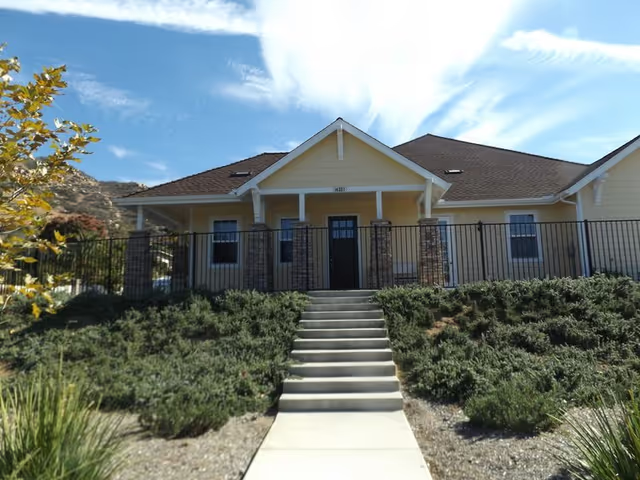
The physical plant is described as a pleasant, home-like house with attractive patios, but reviewers also referenced visible cosmetic wear and an older interior in places. On-site pets are part of the environment and have been associated with noise or disruption for some residents; prospective residents should review the pet policy and consider sensitivities to noise or allergies. Several reviewers also noted limited ambient or musical programming in common areas.
Management and operational responsiveness present a mixed picture. Many families praised active owner involvement and helpful staff (specific staff members were named positively), which was linked to good communication and support during transitions. Conversely, a number of concerns describe inconsistency in staff responsiveness, perceived gaps in compassion, and instances where management action was not timely. These contrasting impressions indicate variability in how resident concerns are handled; verifying current staffing levels, escalation procedures, and how family feedback is addressed will be important when evaluating the community.
Overall, Mount Carmel may be a strong option for older adults who value a small, home-like setting with attentive, individualized caregiving and active owner presence. It is less appropriate for residents requiring specialized memory-care programming or for those sensitive to pet‑related noise. Recommended next steps for families: schedule a tour during typical activity hours, review the current activity calendar, ask about dementia training and cohorting practices, confirm pet policies, and clarify channels and timelines for raising concerns with management.