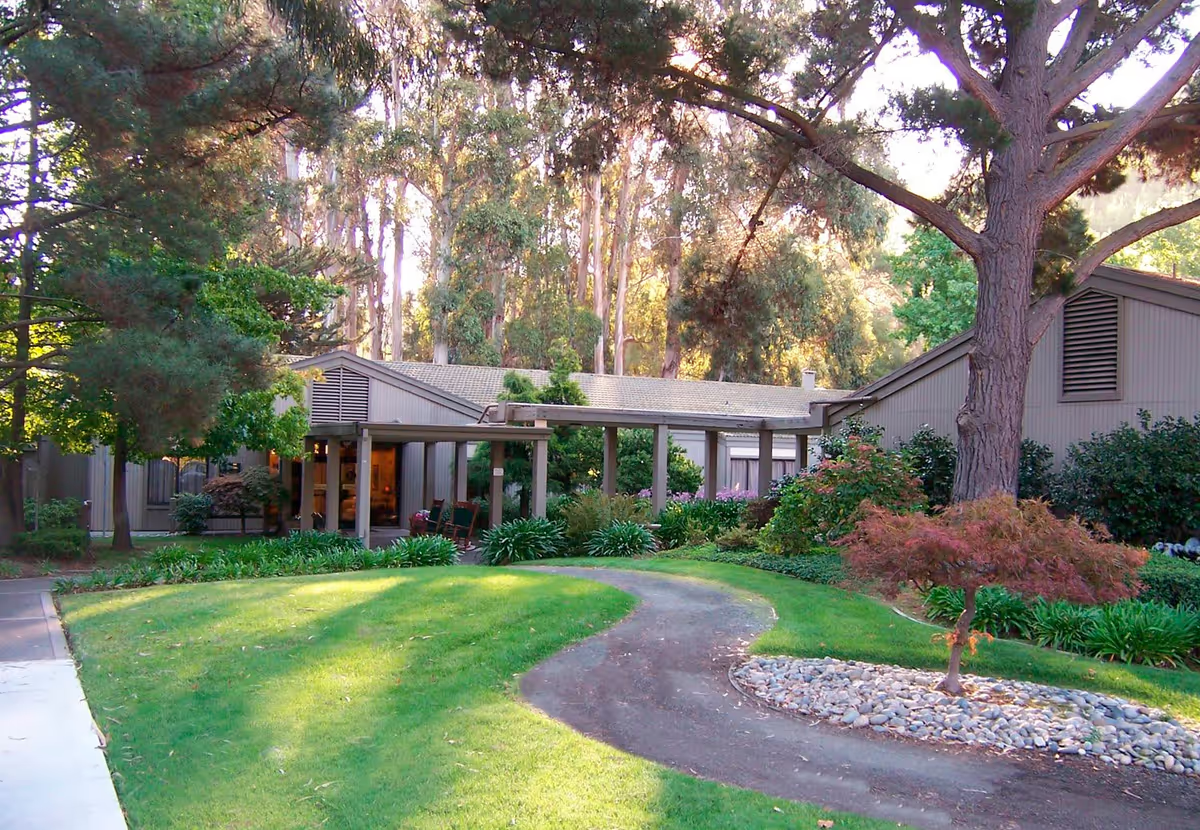
The reviews for Brookside Skilled Nursing Hospital are polarized: many families and patients describe positive experiences with hands-on care, rehabilitation outcomes, and facility amenities, while a substantial number of accounts identify operational inconsistencies and communication concerns. Positive comments commonly highlight compassionate nursing staff and CNAs, effective PT/OT/speech therapy, an active social calendar, and a clean, recently updated interior. Several reviewers praised the intake process, family communication, tech amenities (fast Wi‑Fi and a desktop PC), and small on-site conveniences such as haircuts and an interior plaza view.
Care and clinical oversight receive mixed feedback. Numerous reviewers describe attentive nursing, supportive CNAs, and good progress in rehabilitation or stroke recovery under therapy staff. At the same time, recurring clinical concerns include delayed pain medication, inconsistent medication selection and management, and gaps in post-procedure assistance (for example, after dialysis). There are also broader concerns about clinical coverage and oversight, including perceived shortfalls in continuous skilled-nursing and licensed social-work availability; these suggest variability in the facility’s ability to meet higher-acuity or complex needs consistently.
Staffing and staff conduct are themes across both positive and negative accounts. Many reviewers emphasize kind, patient, and helpful nurses and therapists, and several single out administrators who provide responsive communication. Conversely, other families report variable staff courtesy, rushed interactions, and evidence of workload strain or understaffing that can affect response times and resident comfort. Call-button delays, inconsistent supply availability (diapers/wipes), and sporadic lapses in basic assistance were cited as operational weaknesses.
Dining, activities, and resident engagement also show variability. The facility offers an active program of mental and social activities, a library, piano, and therapeutic programming that some residents find energizing. Several families credit staff for creative touches and engagement by students and activities staff. Food quality is inconsistent across reports: some reviewers commend meal presentation and variety, while others report cold meals or uneven quality. Activity engagement for less-mobile residents and those needing more hands-on encouragement appeared to be less consistent.
Facilities and maintenance comments reflect the recent redesign and also persistent infrastructure issues. Many reviews describe clean, refreshed rooms and attractive common areas; others highlight maintenance problems such as plumbing faults, pooling water, cracked flooring, a rusty outdoor air-handling unit, and odor concerns in specific areas. Accessibility concerns were raised in relation to a remodel that did not fully address accessible bathrooms and visitor facilities, which may affect families and residents with mobility limitations.
Management and administrative themes are notable for contrast. Some families find administrators organized, communicative, and responsive; others describe poor customer service, curt billing interactions, and difficulties around discharge or financial practices. There are a small number of serious claims about billing and discharge conduct; these are characterized here as allegations that warrant direct clarification with facility leadership and, if needed, external oversight. Concerns about handling of personal property and clarity of visitation/ infection-control policies (for example, application of isolation measures) were also raised.
Overall, Brookside appears to provide effective rehabilitative services and compassionate care in many cases, with a pleasant, updated environment and active programming. However, reviewers raise repeated operational issues — inconsistent clinical responsiveness, staffing strain, maintenance shortcomings, variable dining quality, accessibility gaps, and problematic administrative interactions — that could materially affect the experience for higher-acuity residents or families seeking consistent service levels. Prospective residents and families should verify current staffing levels, medication-management protocols, supply availability, accessibility adaptations, and billing/ discharge policies during tours and conversations with management to assess whether the facility’s current practices align with the resident’s needs.