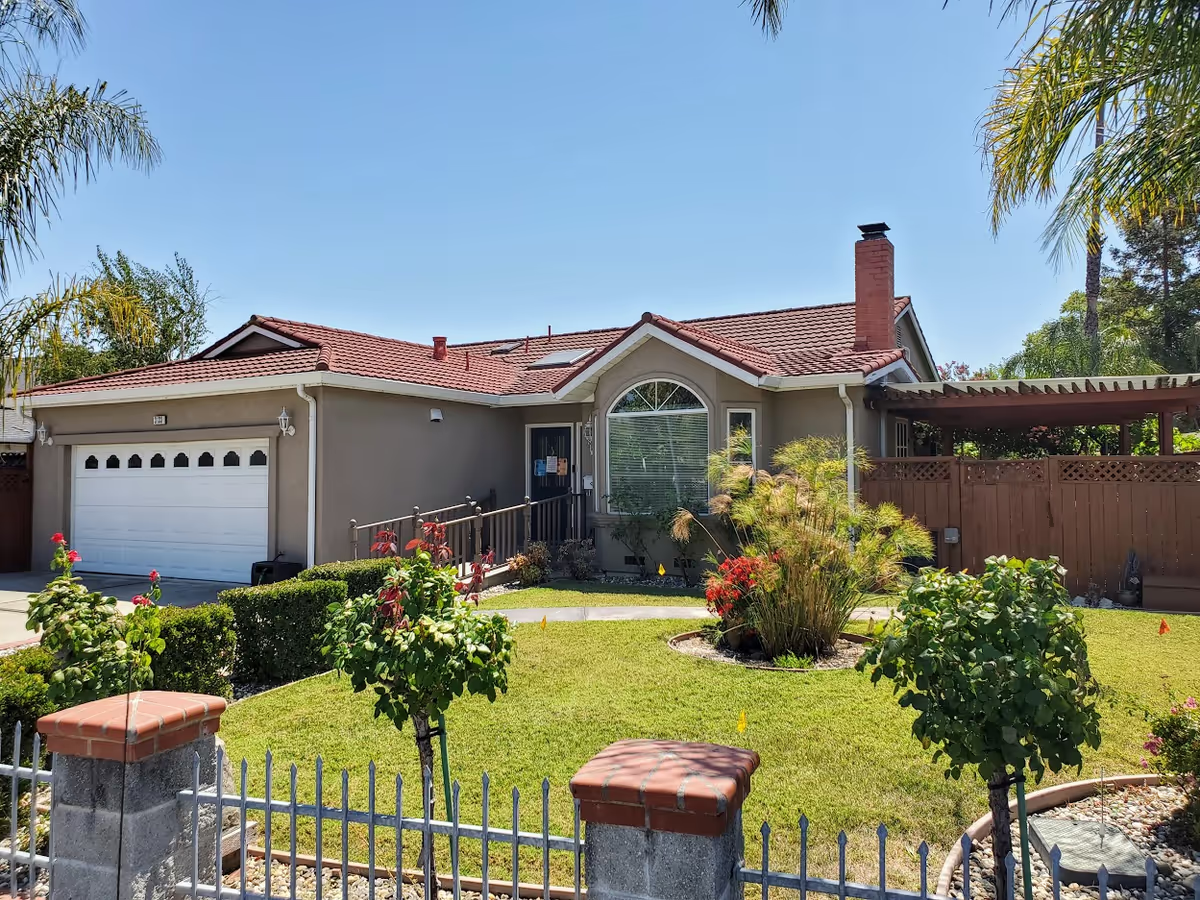
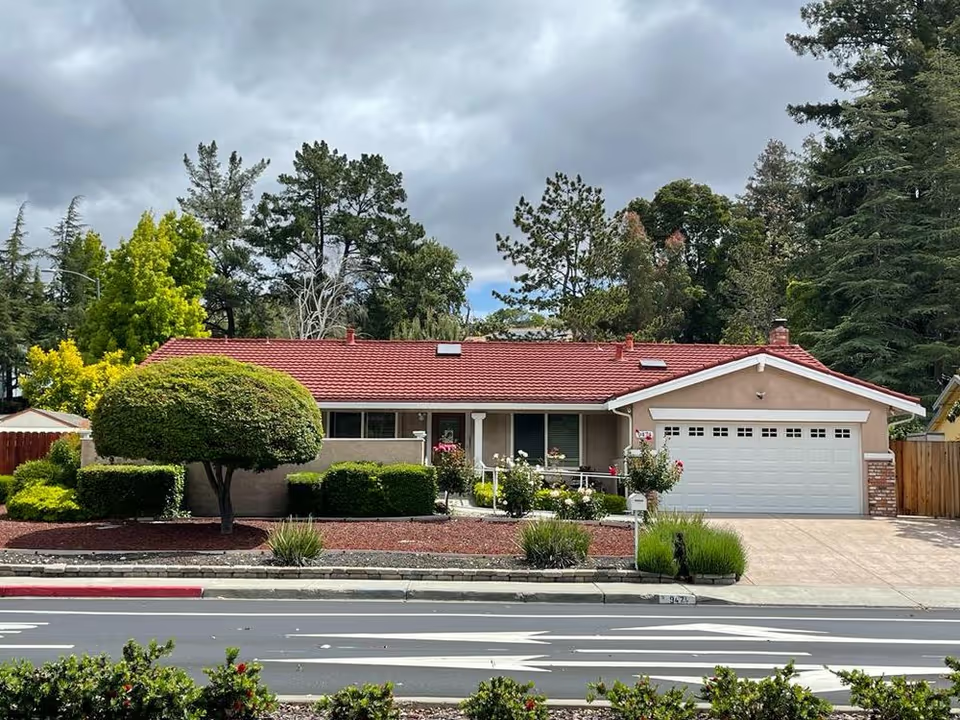
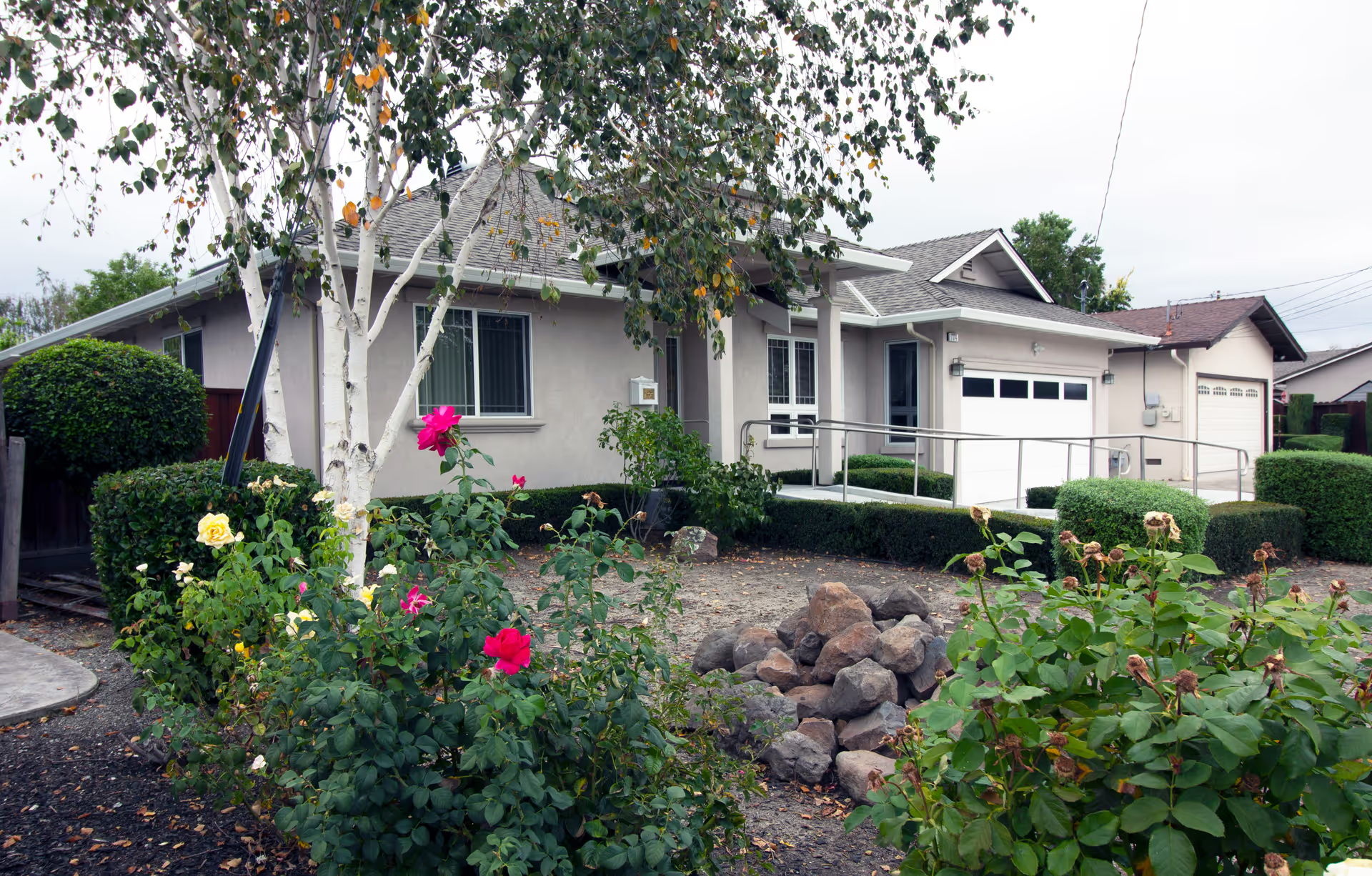
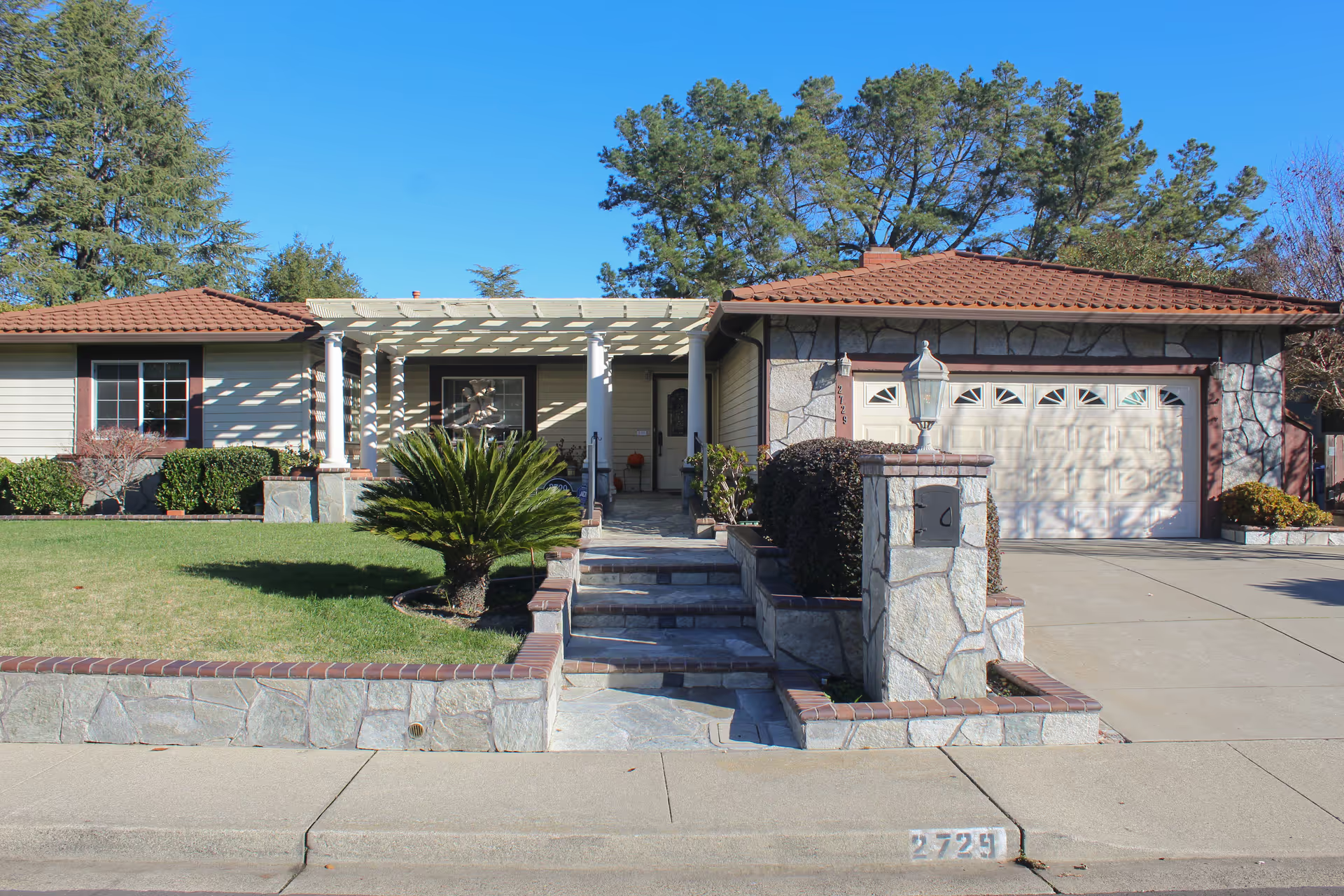
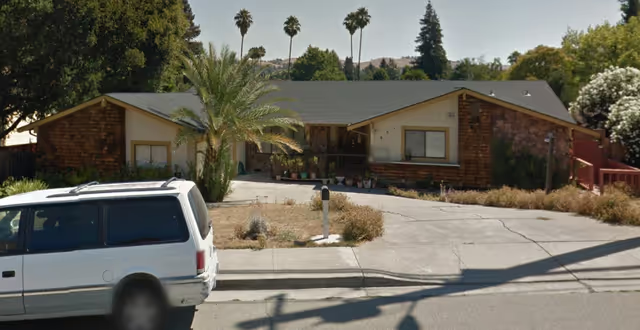
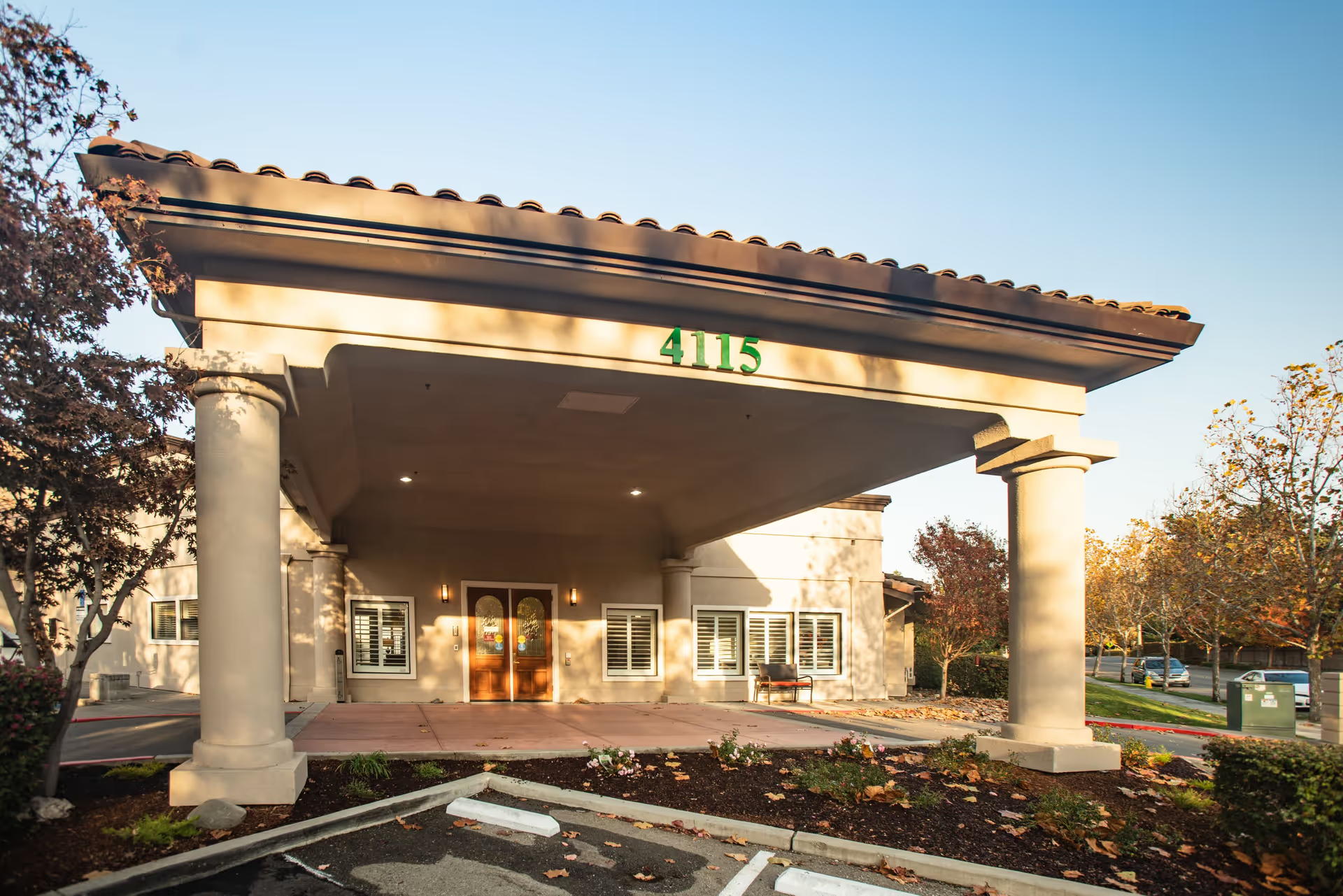
Karo Mina Care Home is described predominantly as a small, home-like assisted living option with hands-on owner involvement, a clean environment, and individualized attention. Many families highlight compassionate, familiar caregivers, long-term staff relationships, and strong owner communication. The facility’s setting—single rooms, an outdoor patio and garden, and a quiet neighborhood—combined with home-cooked, varied meals and dietary accommodations, contributes to a residential atmosphere that many residents and families find comforting.
Care quality is viewed positively by numerous families: 24/7 coverage, medication and appointment management, prompt family notification of health issues, and availability of video-chat contact are recurring strengths. Staff are frequently described as kind, attentive, and responsive, and several reviewers specifically praised grooming services and personalized help. The home’s size and owner involvement appear to enable personalized routines and a family-style approach to care, which produces peace of mind for many relatives.
At the same time, a set of operational concerns appears across reviews and should be explored during a tour and intake conversation. There are comments suggestive of inconsistent clinical assessment and gaps in acute-care oversight, along with specific concerns about how incidents are communicated to families. Reviewers also flag role overlap—for example, staff who simultaneously serve as primary caregiver and perform kitchen or other duties—which can create challenges for continuity and for arranging external medical visits. Questions about staff training, qualifications, and variability in clinical skills were raised and merit direct inquiry.
Dining and activities are generally praised: homemade meals, no processed-food emphasis, special dietary accommodations, and holiday or seasonal programming are positives. However, activity breadth can be limited by the small resident census and by external restrictions (noted historically during COVID), so families seeking an extensive activities calendar should discuss programming options and frequency. Facilities and environment receive consistent praise for cleanliness, spacious single rooms, and a neat interior; the small scale supports individualized attention but may reduce opportunities for large-group socialization.
Management practices also draw mixed feedback. Many families commend owner accessibility and quick responsiveness, but others cite unclear billing or add-on charges and describe perceived sales pressure at admission. Coordination of off-site physician visits has been cited as a practical challenge in some cases and is worth confirming when evaluating care needs. Given the combination of strong interpersonal care and the operational issues noted above, prospective residents and families will benefit from asking targeted questions about clinical training and oversight, incident-reporting procedures, staffing roles and back-up plans, the written fee schedule, and the activity calendar before making a placement decision.