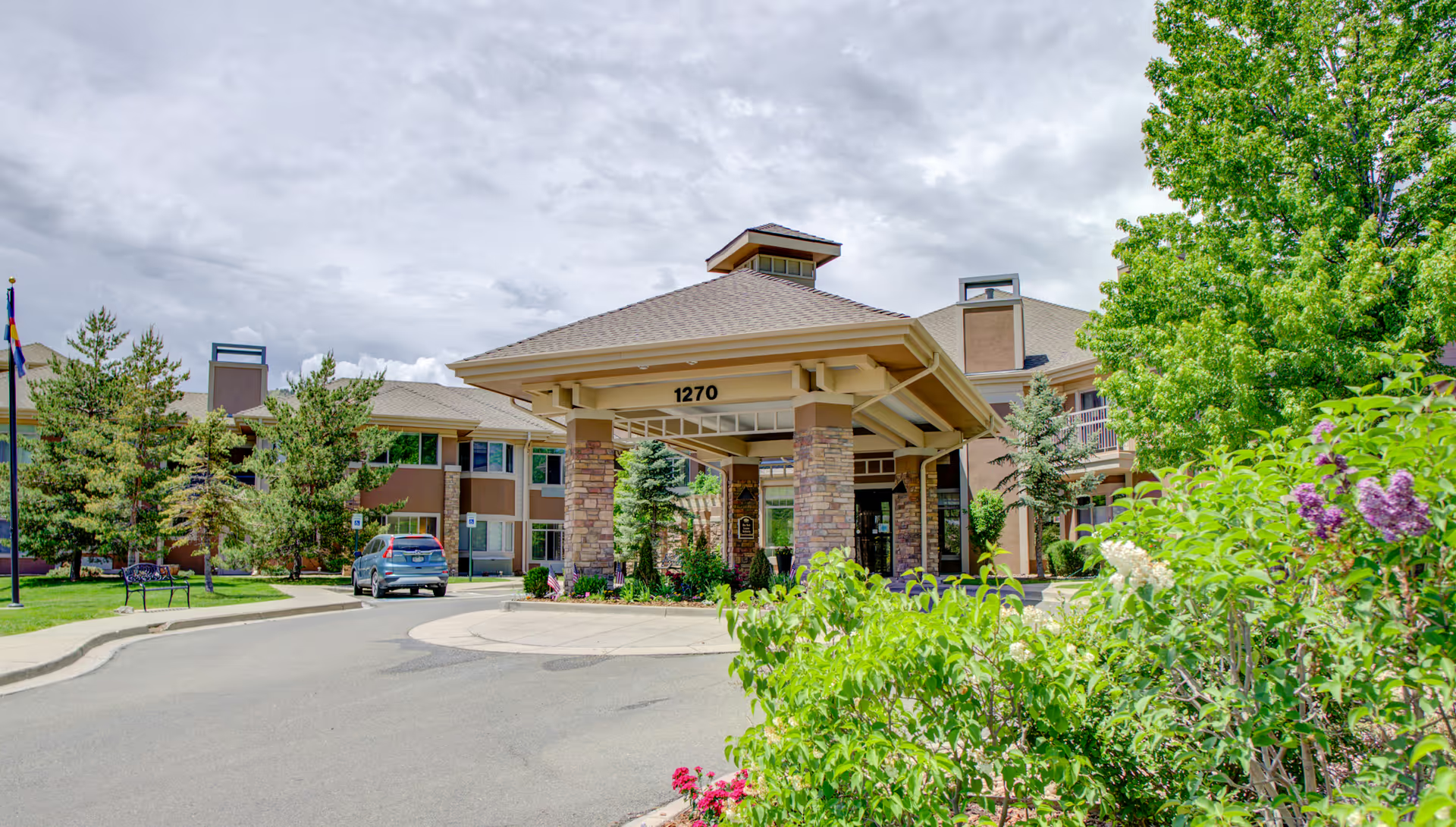
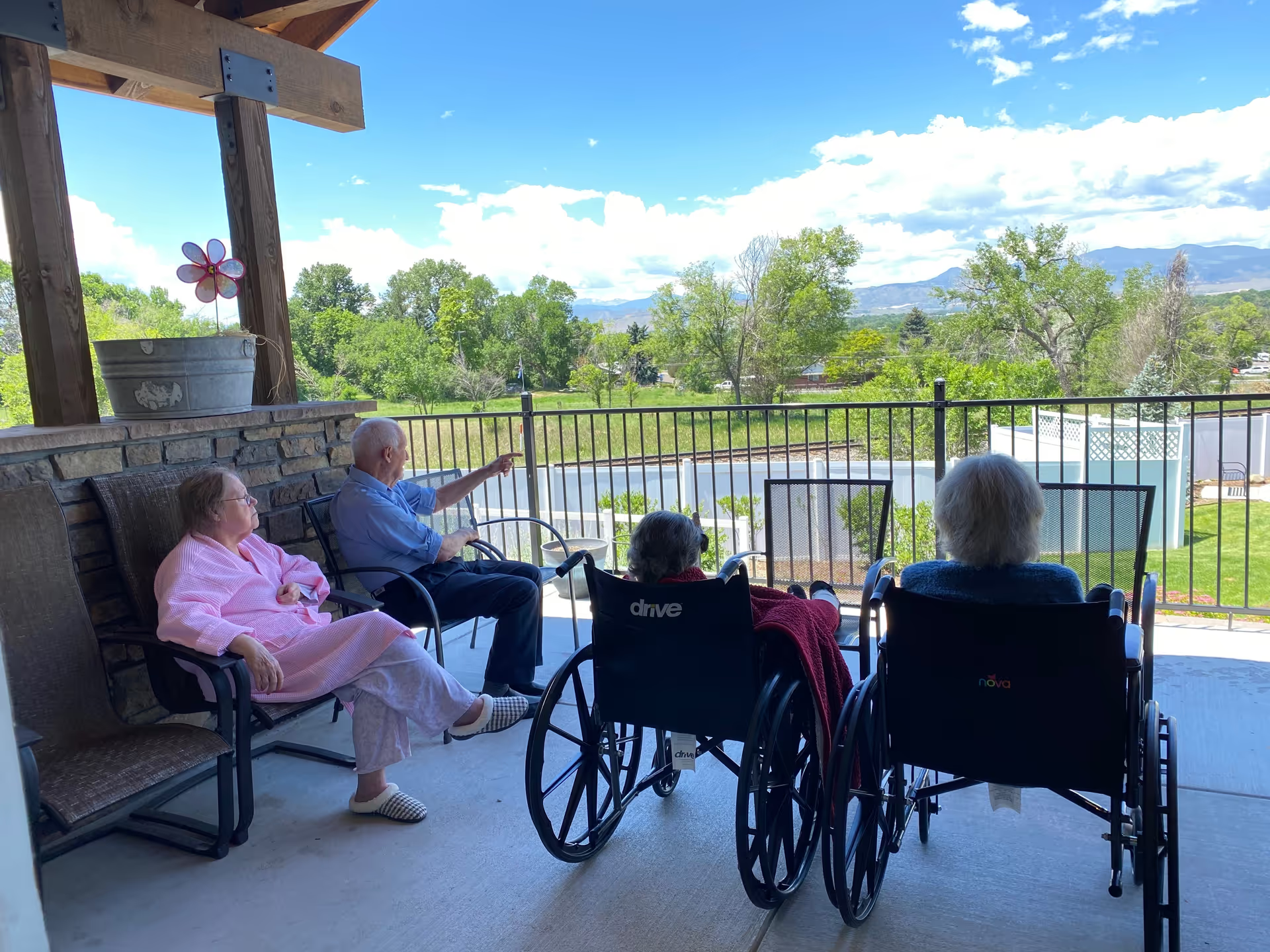
Amira Choice Arvada is described by reviewers as a new, well‑designed senior living community with a warm, welcoming atmosphere. The building and public spaces — including a bistro, cafe, movie theater and restaurant-style dining — draw consistent praise. Many comments highlight plush surroundings and contemporary amenities that support a range of social and leisure activities.
Staff and caregiving receive strong positive attention. Numerous reviewers emphasize attentive, compassionate care from caregivers, concierge support during move‑in, and a positive team culture among employees. The activities program and its leadership are repeatedly singled out as strengths: organized events, live music, happy hour and other social options contribute to an active resident community and frequent reports of companionship and engagement.
Dining and food service are a mixed picture. Several reviewers describe nutritious, flavorful dishes and attentive dining service, along with pleasant cafe offerings such as cappuccinos and cookies. At the same time, there are recurring operational concerns about inconsistent meal quality, limited choices at times, cold or insufficient to‑go portions, and menu items that do not match what is served. These inconsistencies appear more common during the community’s startup period and can affect the overall dining experience.
Administrative and operational patterns show both strengths and gaps. Positive remarks about a helpful sales director, concierge, and collaborative wellness team sit alongside consistent critiques of billing transparency, unexplained or higher charges, unclear processes for arranging extra services, and instances of poor communication or slow return calls. A few reviewers expressed concern about placement into higher‑acuity memory care and about perceived minimum levels of caregiving in some circumstances; these concerns point to a need for clearer assessment and family communication protocols. Additionally, opening‑phase supply or inventory issues have led to occasional shortages of items or menu options.
Other notable patterns include expressions of strong staff morale and residents’ satisfaction with social programming, contrasted with annoyance at frequent unsolicited marketing mailings. Prospective residents and families would benefit from touring the community, meeting caregiving and administrative leadership, sampling meals, and asking specific questions about billing practices, level‑of‑care assessment, and how the community manages startup supply challenges. Overall, the community appears to offer a welcoming environment with active programming and compassionate staff, while operational and communication processes would benefit from greater consistency and transparency as the facility moves beyond its opening phase.