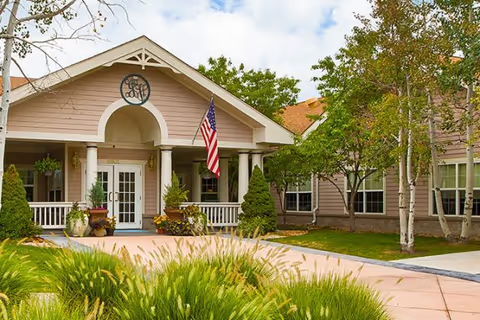
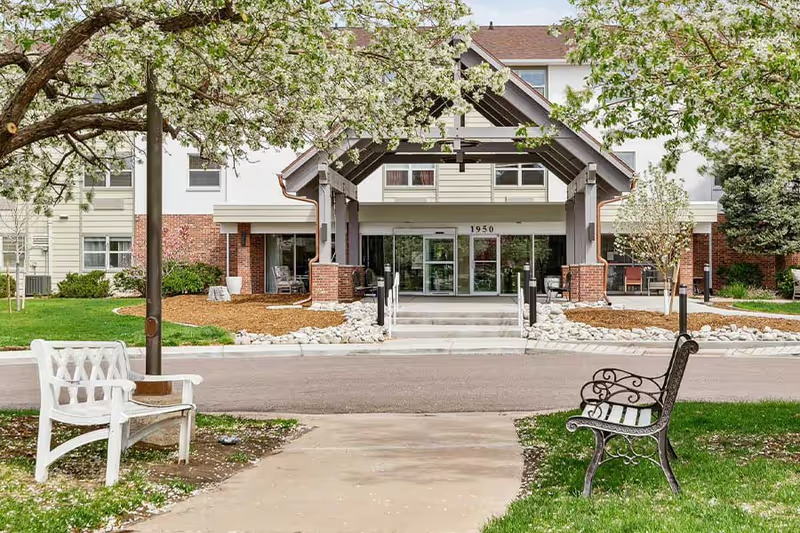
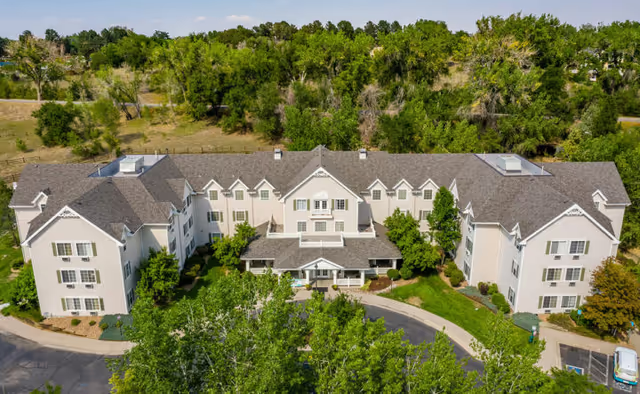
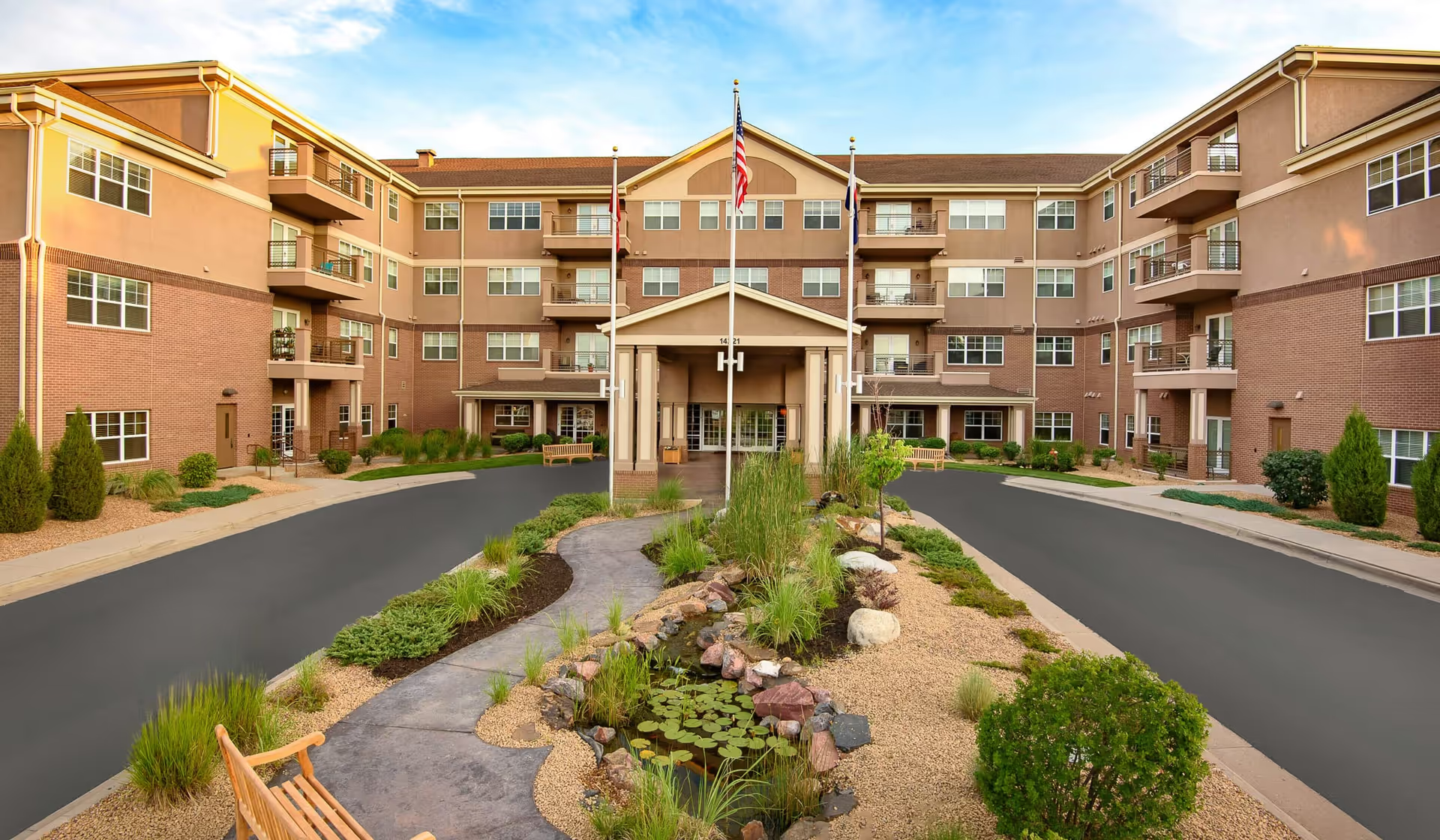
Frontier Valley presents a mixed but clarifiable picture: many families and residents describe a supportive, homelike environment with leaders and certain staff members who are highly engaged, while others report operational inconsistencies that materially affect care and family experience. Strengths that recur include an involved executive director and management team, attentive caregiving in many cases, a responsive maintenance group, and administrative staff who can be knowledgeable and helpful. The community’s physical layout — private, motel-style one-bedroom suites, multiple dining venues, transportation, and a gated courtyard with a pond and wildlife — is frequently described as an upgrade from smaller shared-room facilities and contributes to residents’ sense of independence and safety. The facility’s affordability and a stated priority for veterans are additional positives noted by families.
Care quality and clinical practices show variability. Positive accounts emphasize compassionate, round-the-clock attention and a caring nursing team; negative accounts describe delays in responsiveness, communication breakdowns with families, and concerns about medication or clinical oversight. These issues have been framed by reviewers as gaps in clinical communication and medication oversight and uneven nursing responsiveness. Prospective families should verify staffing patterns, on-shift clinical coverage, and protocols for clinical incidents and family notification.
Staffing and management present a contrast between strong leadership and inconsistent front-line conduct. Several accounts praise the executive director and specific employees for professionalism and resident focus; others describe rude or dismissive interactions (including at intake), inconsistent application of policies, and notable staff turnover that can undermine continuity of care. There is at least one allegation of discriminatory conduct during intake that led to a formal complaint, which prospective families may wish to review with management and via public records. Asking about admissions criteria, policy enforcement, and staff retention initiatives is advisable.
Facilities, dining, and activities are generally seen as assets when the operation is running smoothly: multiple dining halls, communal spaces such as a large cafeteria and recreational areas (pool table), and outdoor amenities are cited as enhancing daily life. Maintenance responsiveness is a common positive, though some reviewers described grounds and pond maintenance issues that merit inquiry during a visit. Cleanliness and outdoor upkeep should be checked in person.
Overall patterns point to a polarized resident experience: some long-term residents and families describe improved quality of life, safety, and attentive care, while others experienced significant communication and policy irregularities that affected admission decisions, care continuity, and family trust. For a prospective resident or family member, recommended next steps include an in-person tour of both independent and assisted living buildings, conversations with the executive director about admissions and clinical protocols, review of staffing ratios and turnover data, confirmation of maintenance and grounds-management practices, and a review of recent state complaints or inspection reports.