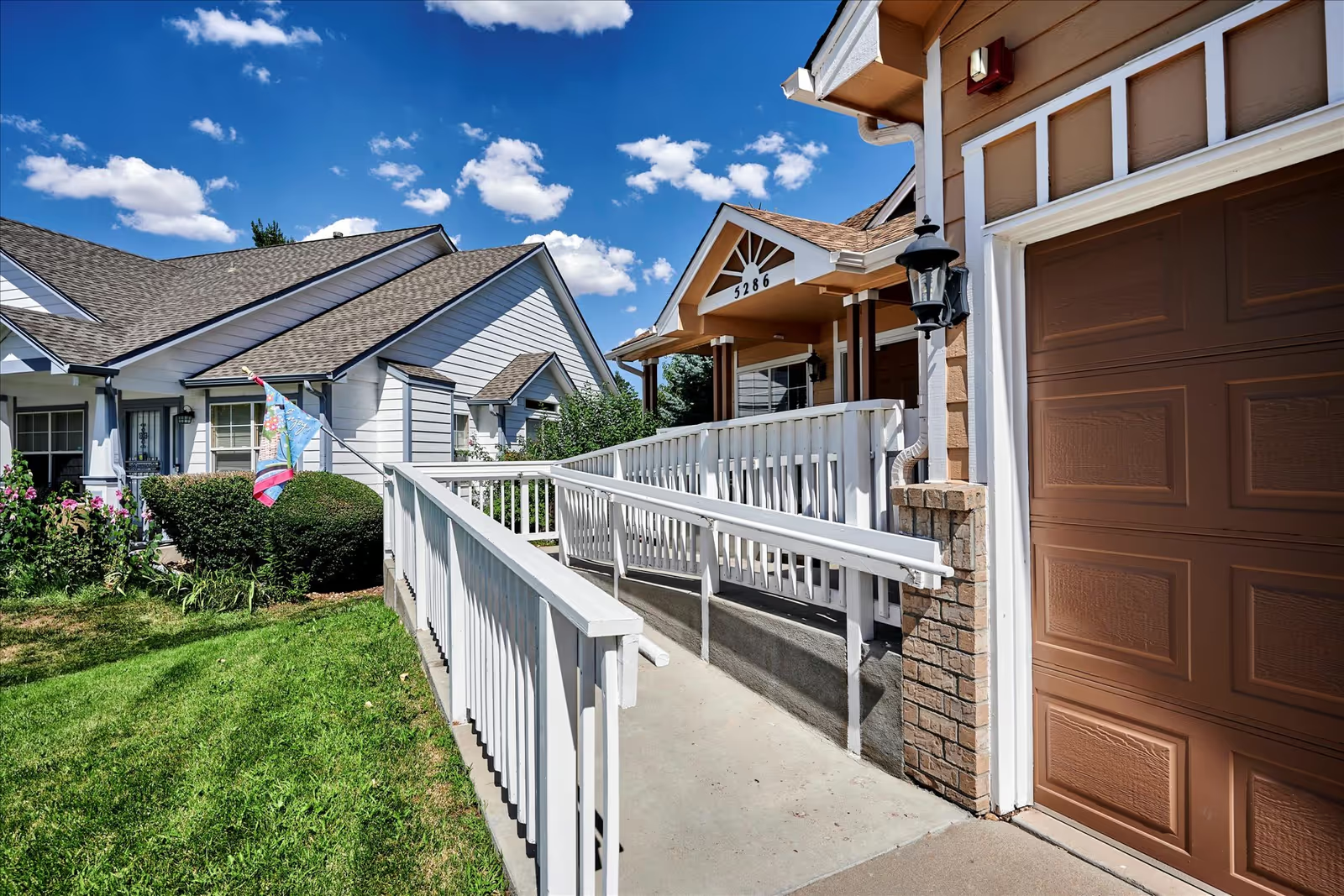
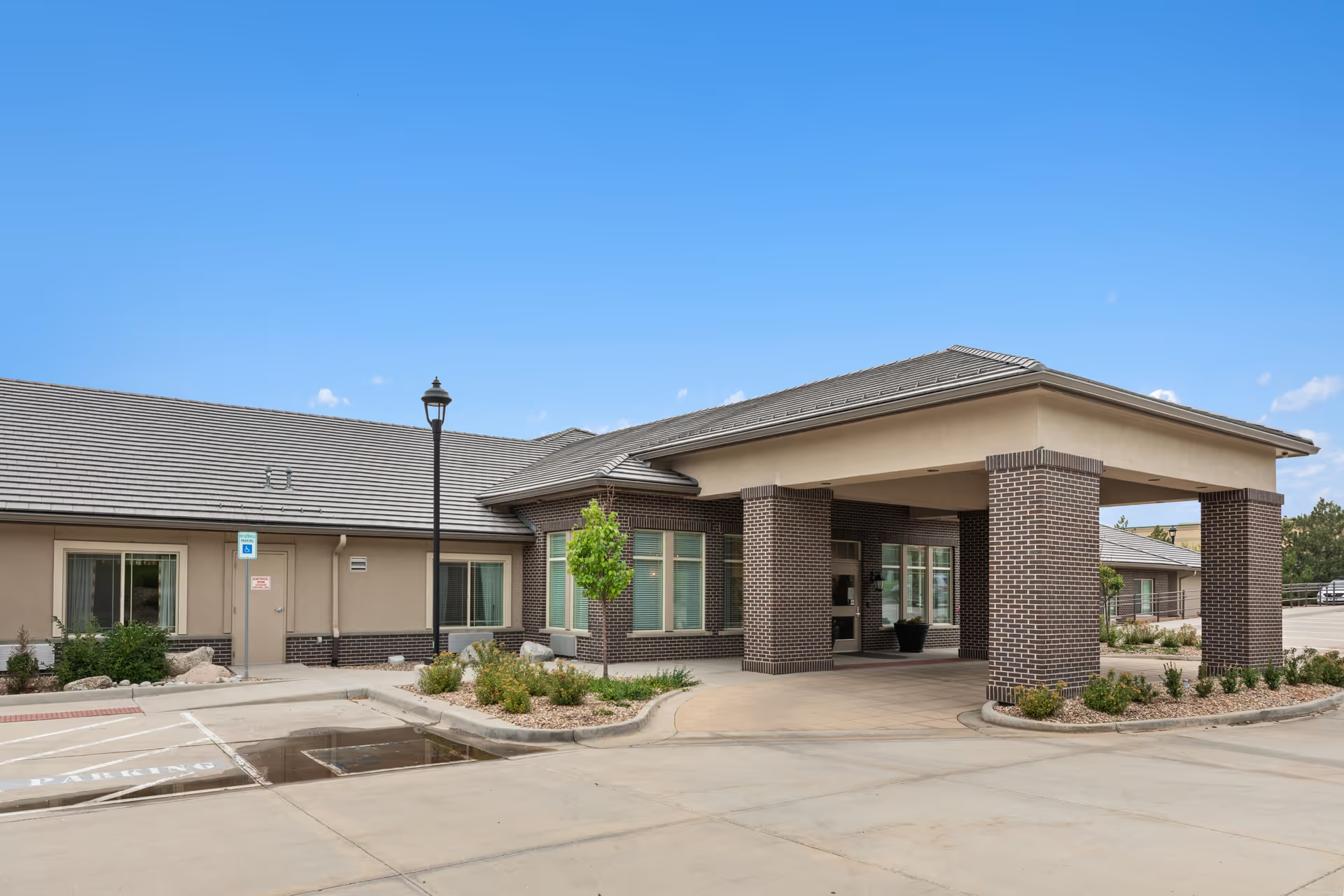
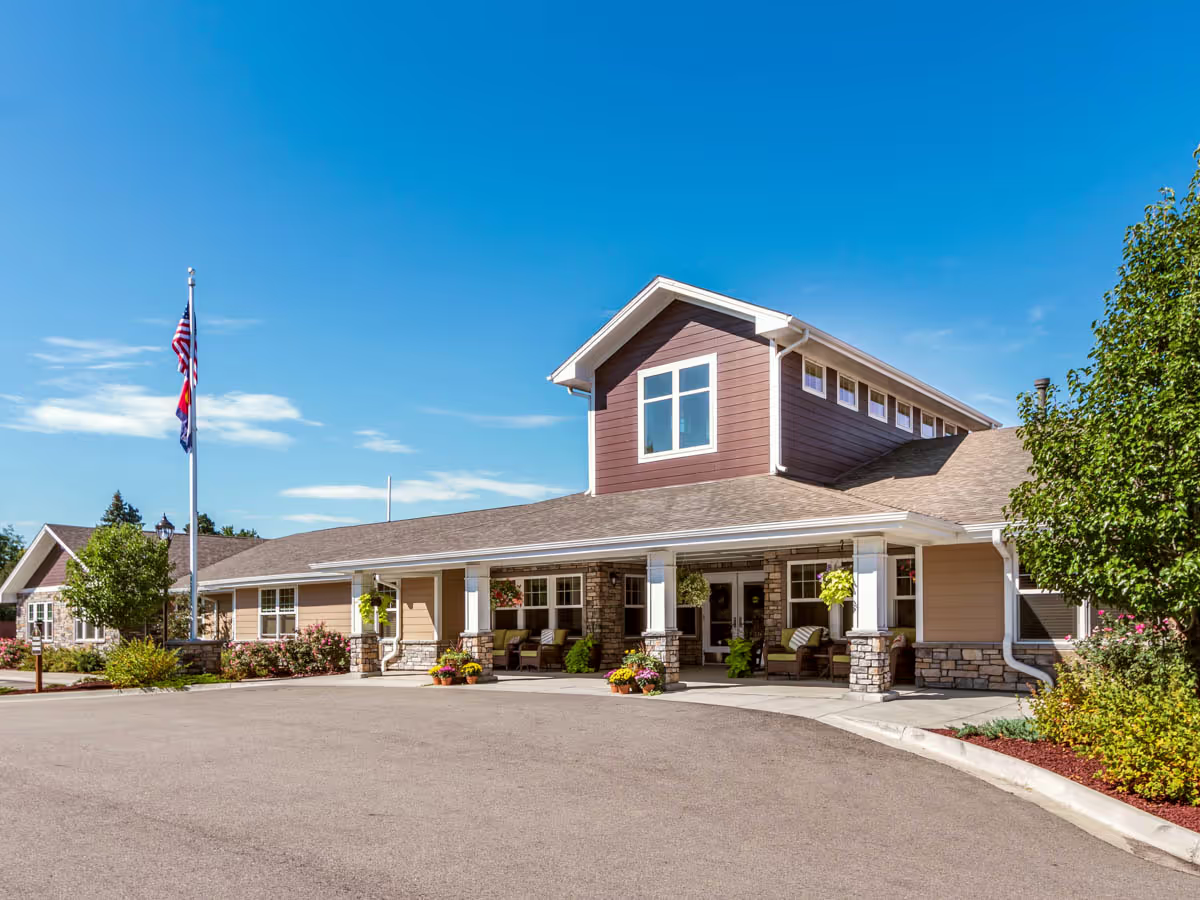
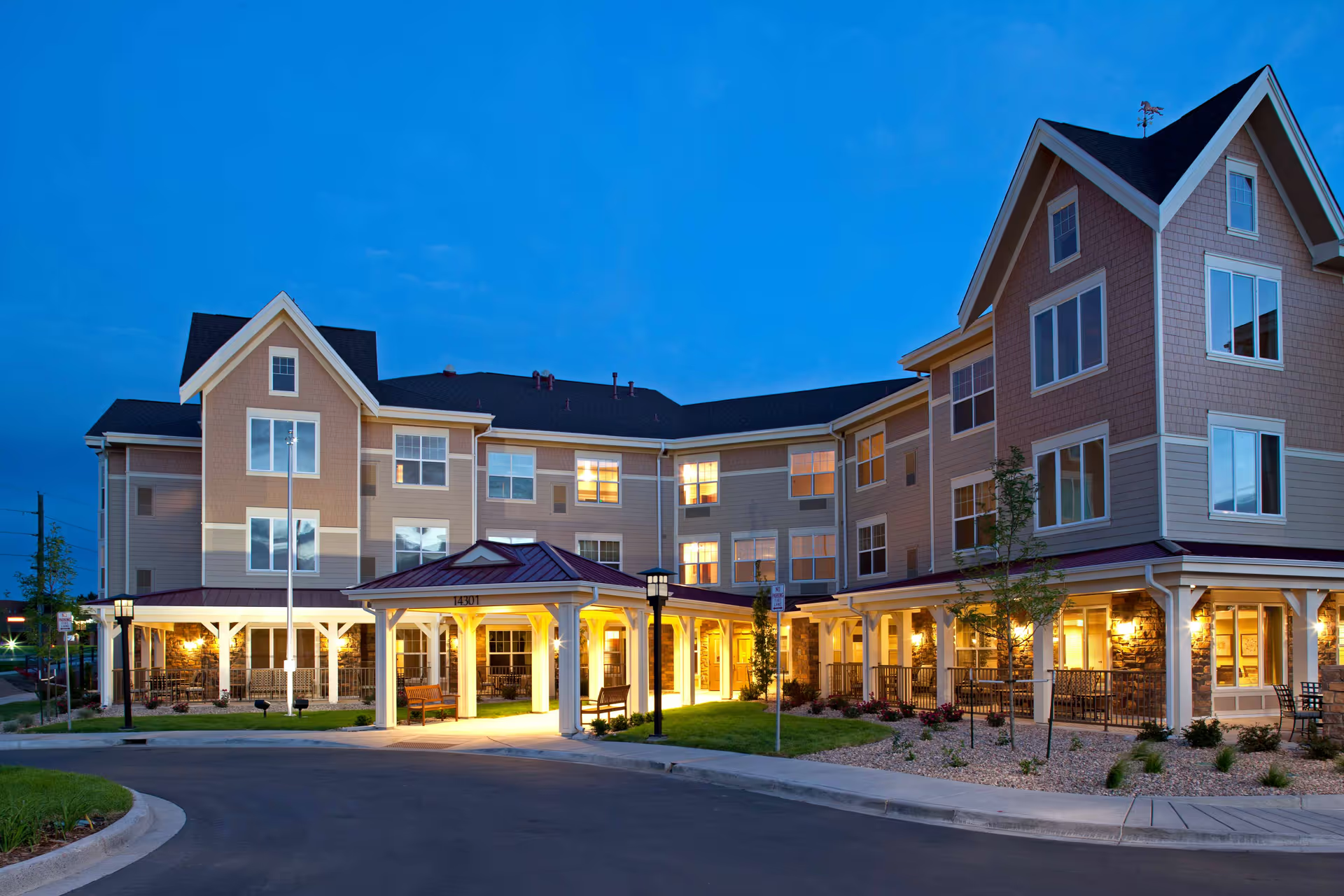
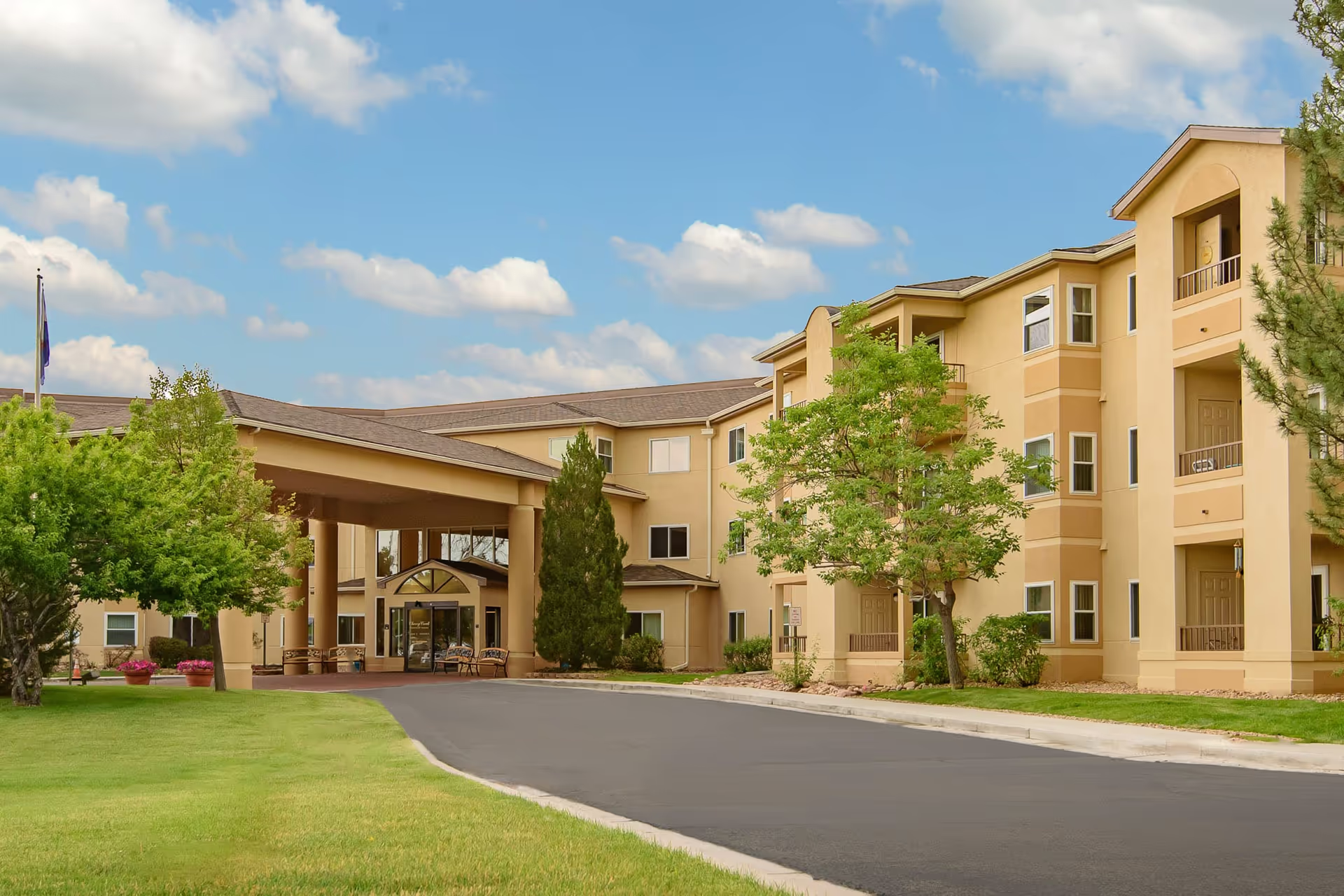
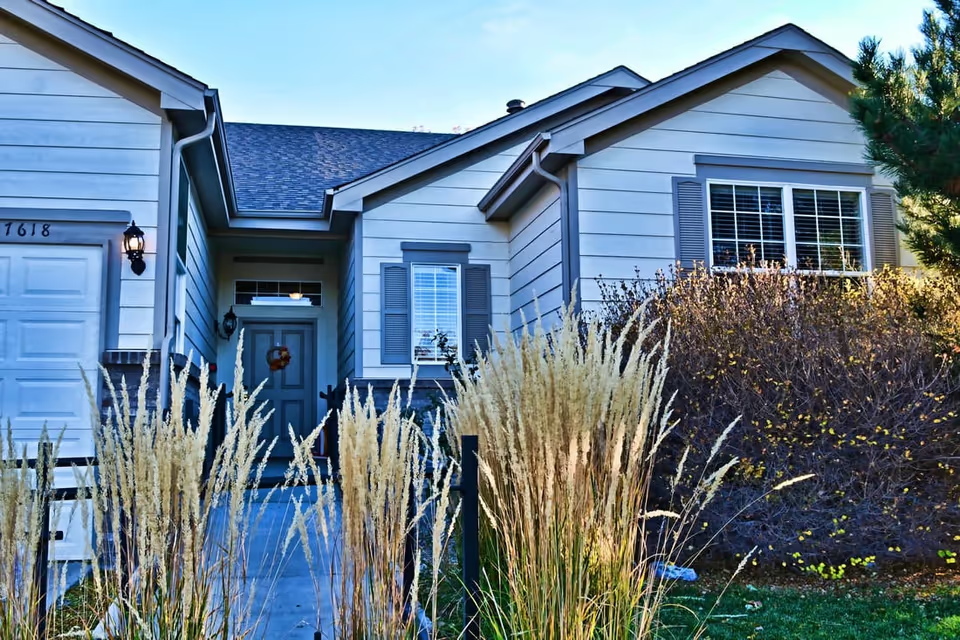
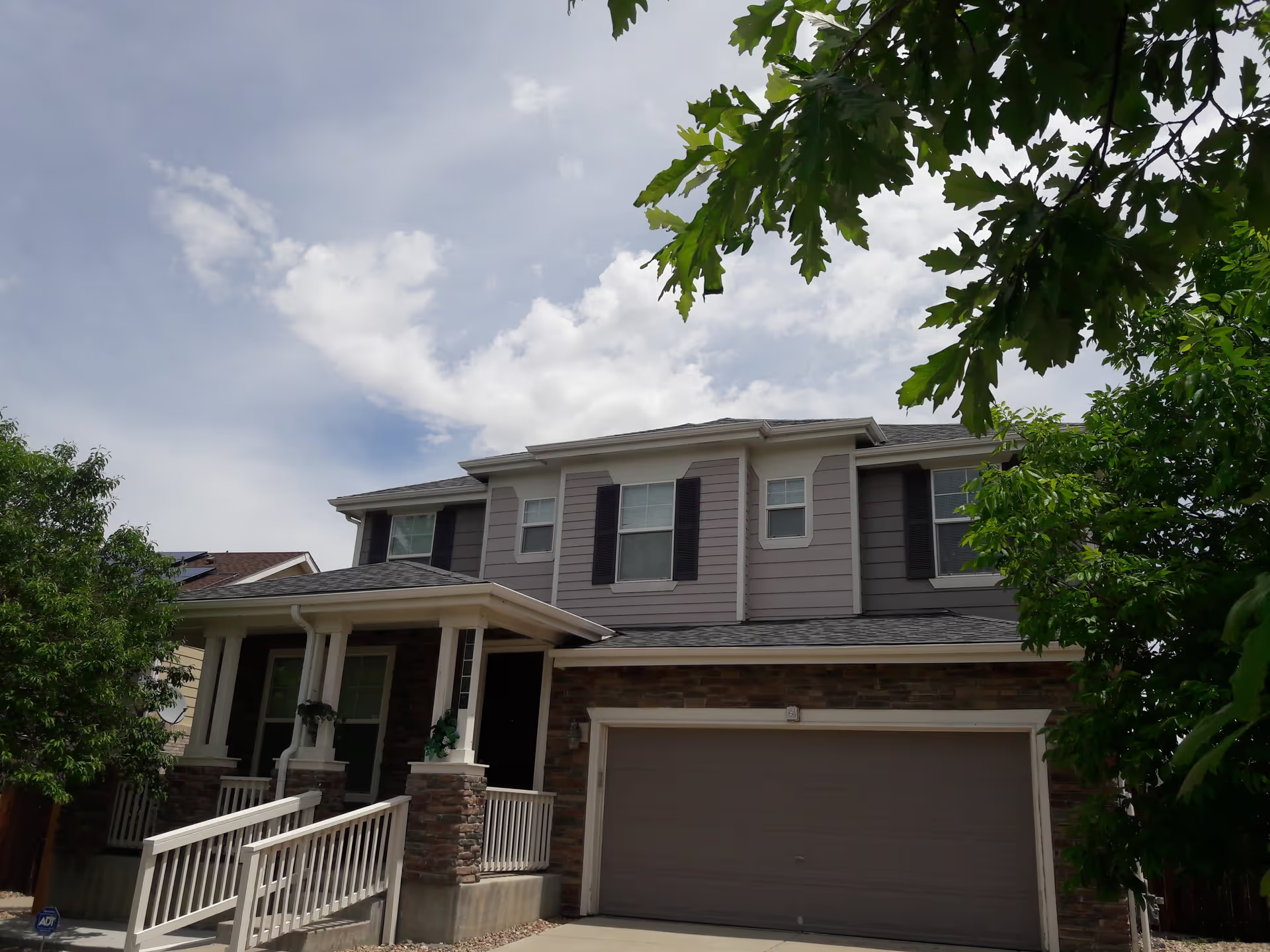
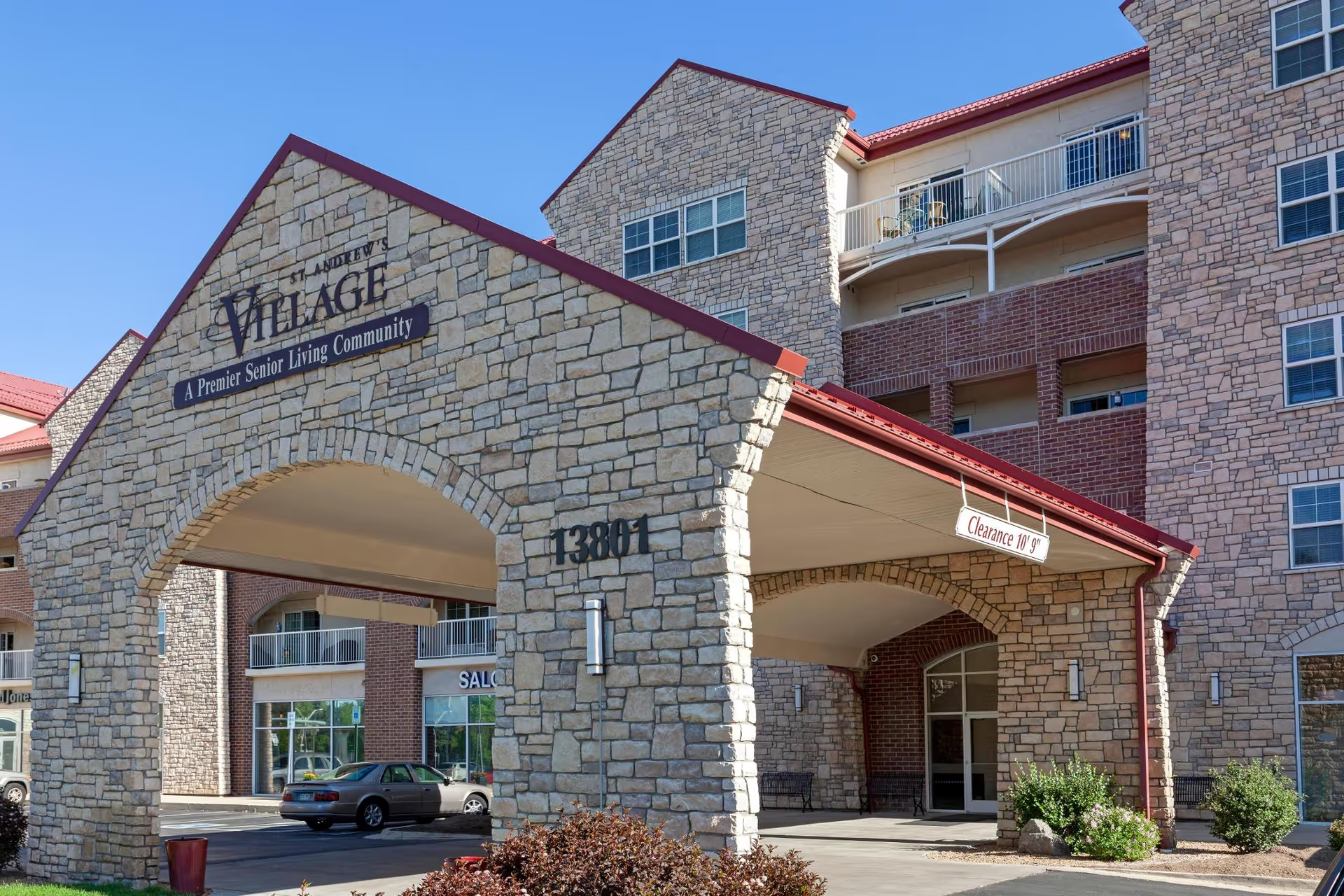
Gabriel Assisted Living presents as a small, home-like community with several consistent strengths alongside notable operational limitations. Positive commentary centers on staff behavior and the environment: many families describe staff as kind, patient, attentive and willing to accommodate residents’ needs, producing a family-like atmosphere and what reviewers characterize as personalized care. The facility is frequently described as clean, well kept, and comfortable, and many families commented that the move-in process and early impressions were smooth and reassuring.
Care quality appears mixed and highly dependent on resident acuity. For residents requiring primarily independent living support or low-level assistance, reviewers generally describe good interpersonal care and responsiveness. However, there are repeated concerns about the facility’s suitability for higher-dependency residents, especially those requiring consistent cueing or specialized memory care. Multiple comments point to gaps in memory-care training and supervision, and to safety- and transfer-related issues when more hands-on care is needed. Prospective families should verify staffing ratios, training credentials, and transfer protocols if a higher level of clinical support is required.
Dining and meal-service impressions are inconsistent. Some families praised the food and the home-like menu, while others described limited menu variety and unsatisfactory meals. This suggests variability in meal planning or execution that prospective residents should clarify—ask about sample menus, special-diet accommodations, and how meal quality is monitored.
Social and activity programming is another area of divergence. A number of reviewers noted the presence of low-key activities such as games and puzzles, but others described minimal or effectively absent programming and limited encouragement to participate. If regular social engagement or structured activities are important, families should ask for a current activity calendar and examples of participation rates.
Facility-level operations raise several practical concerns. Reviewers describe an ambiguous service model—some residents and families considered their unit fully independent with meals included, while others expected assisted living services and found those supports lacking. Transportation services are described as limited or unavailable. Communication issues were also mentioned, including difficulties understanding some staff due to language or accent, and instances where families felt management prioritized financial considerations or made inconsistent admissions representations. Pricing was characterized by some as not clearly aligned with the level of services provided.
In summary, Gabriel Assisted Living offers a small, personable environment with staff praised for warmth and individualized attention, and with clean, comfortable surroundings. At the same time, the facility appears better suited to residents who need minimal assistance rather than those requiring comprehensive assisted-living or specialized memory care. Prospective residents and families should clarify the facility’s stated level of care, staff training for memory-support needs, safety and transfer protocols, activity schedules, transportation availability, and actual costs versus included services before committing. Asking for a current staffing chart, sample menus, activity calendar, and references from current families will help determine whether the facility’s offerings match the prospective resident’s needs.