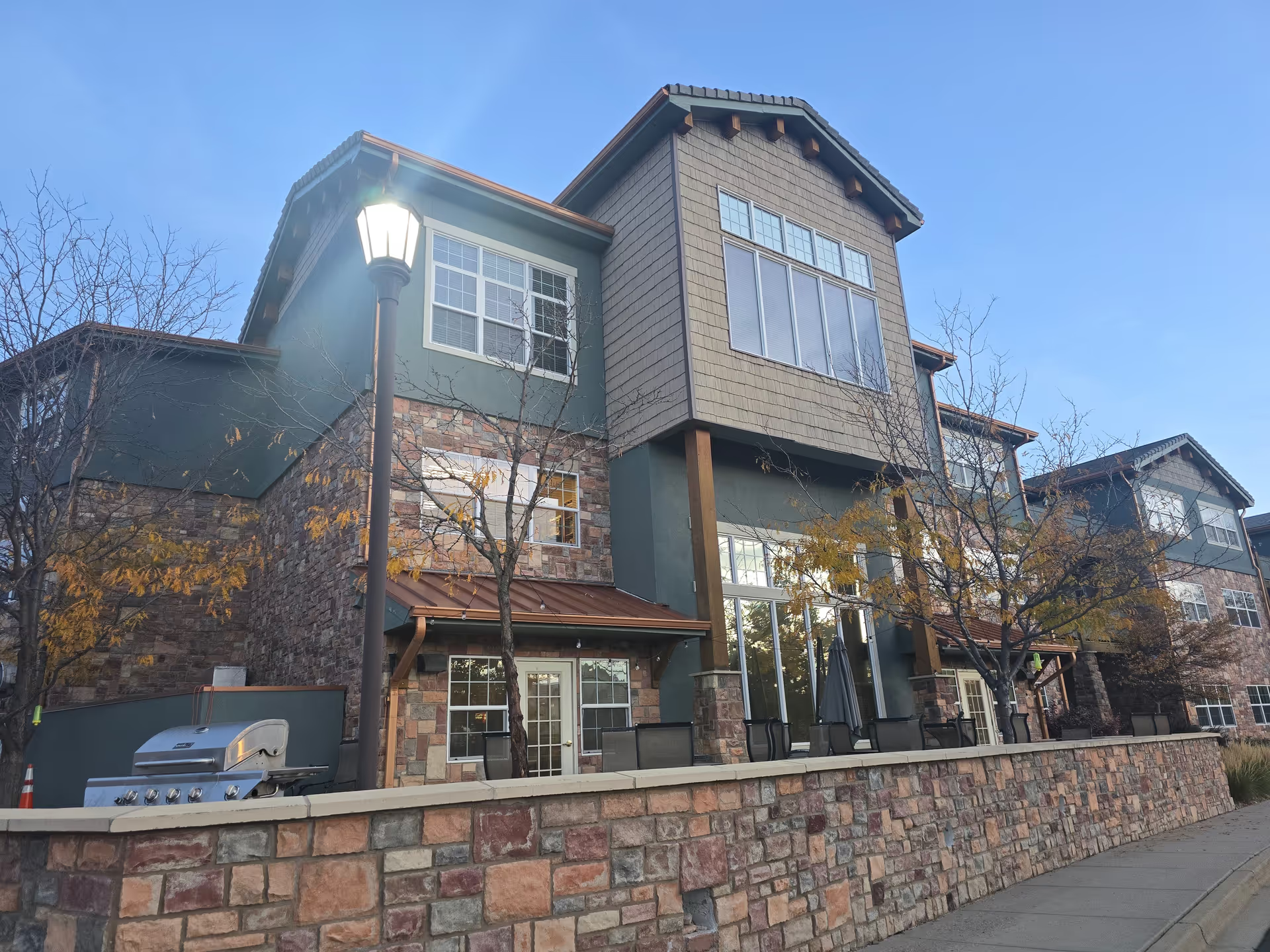
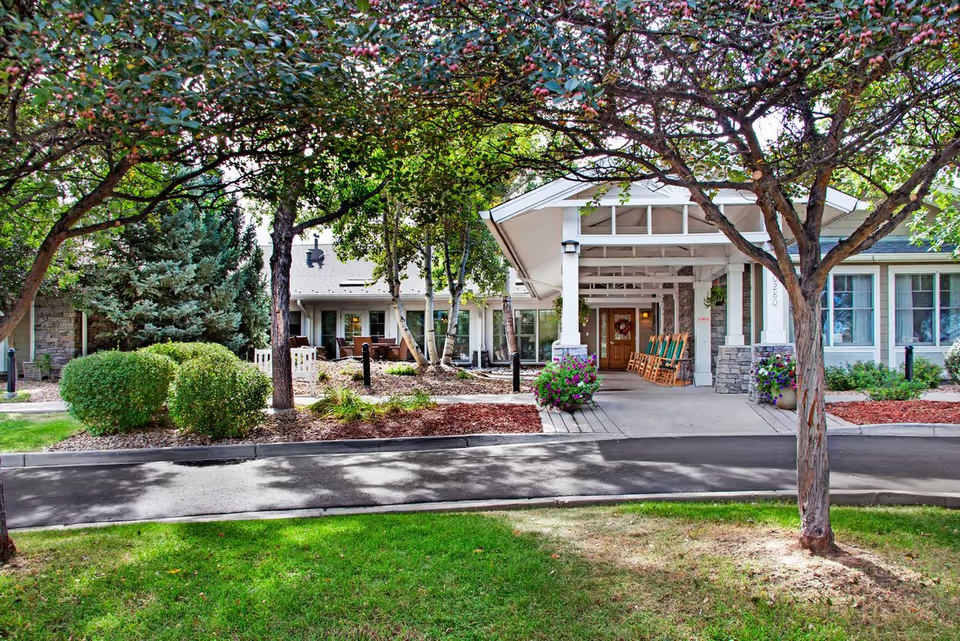
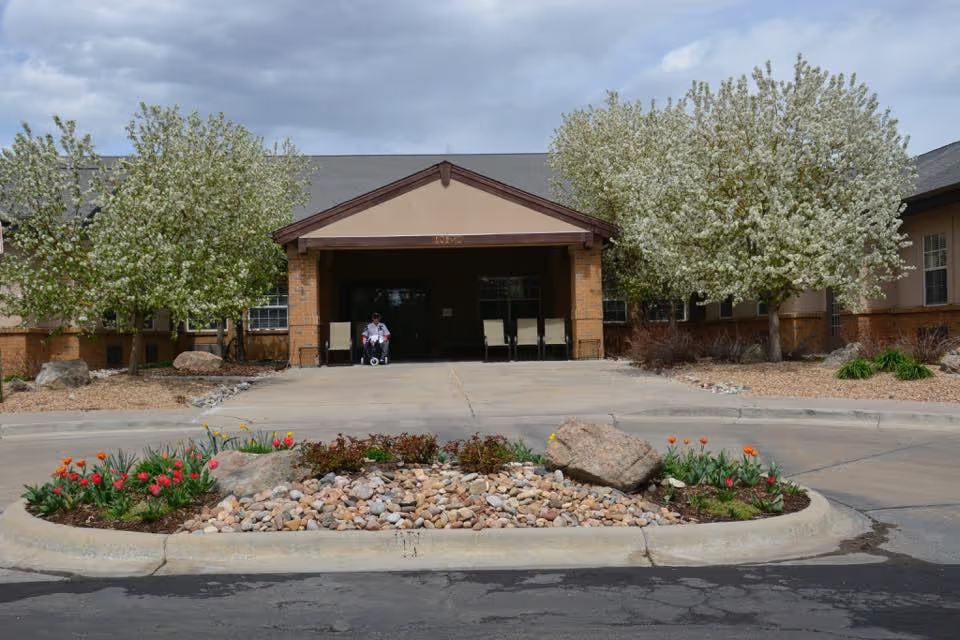
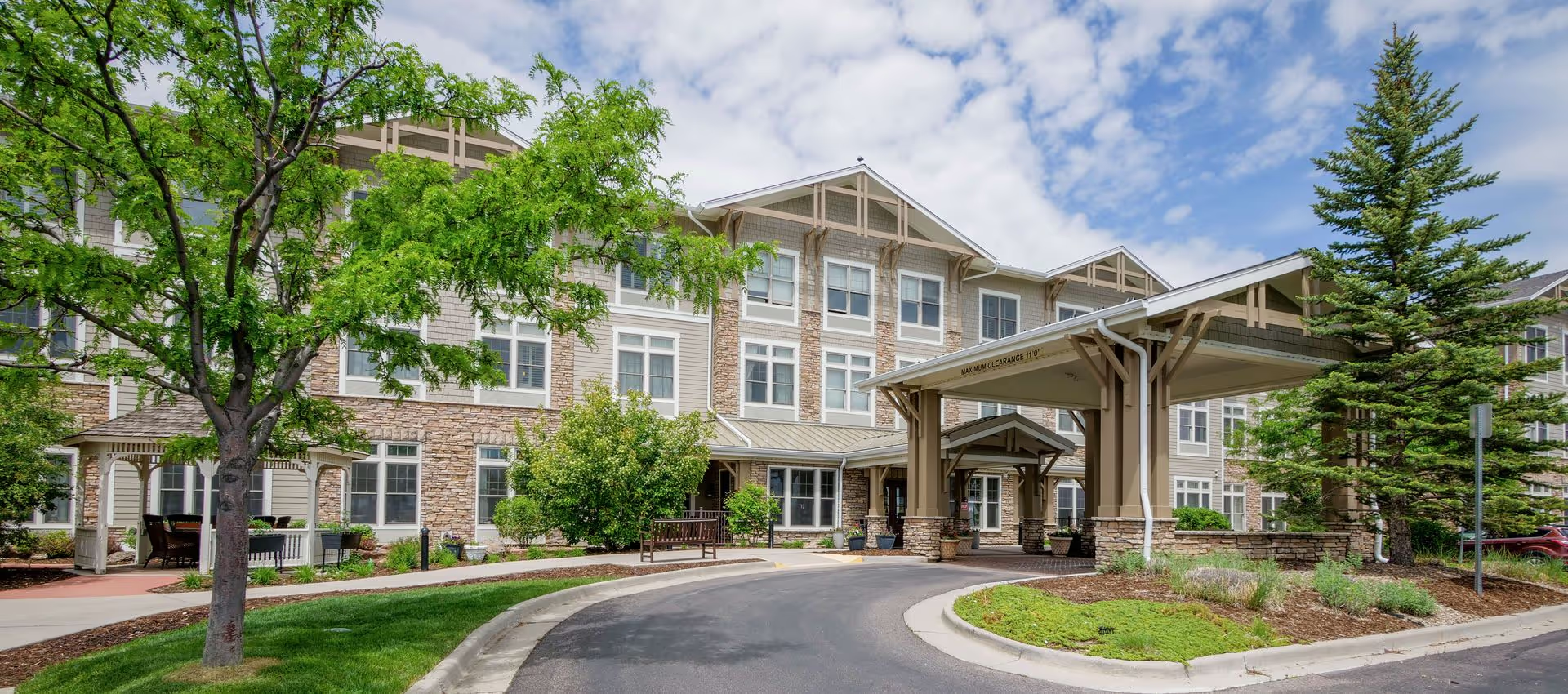
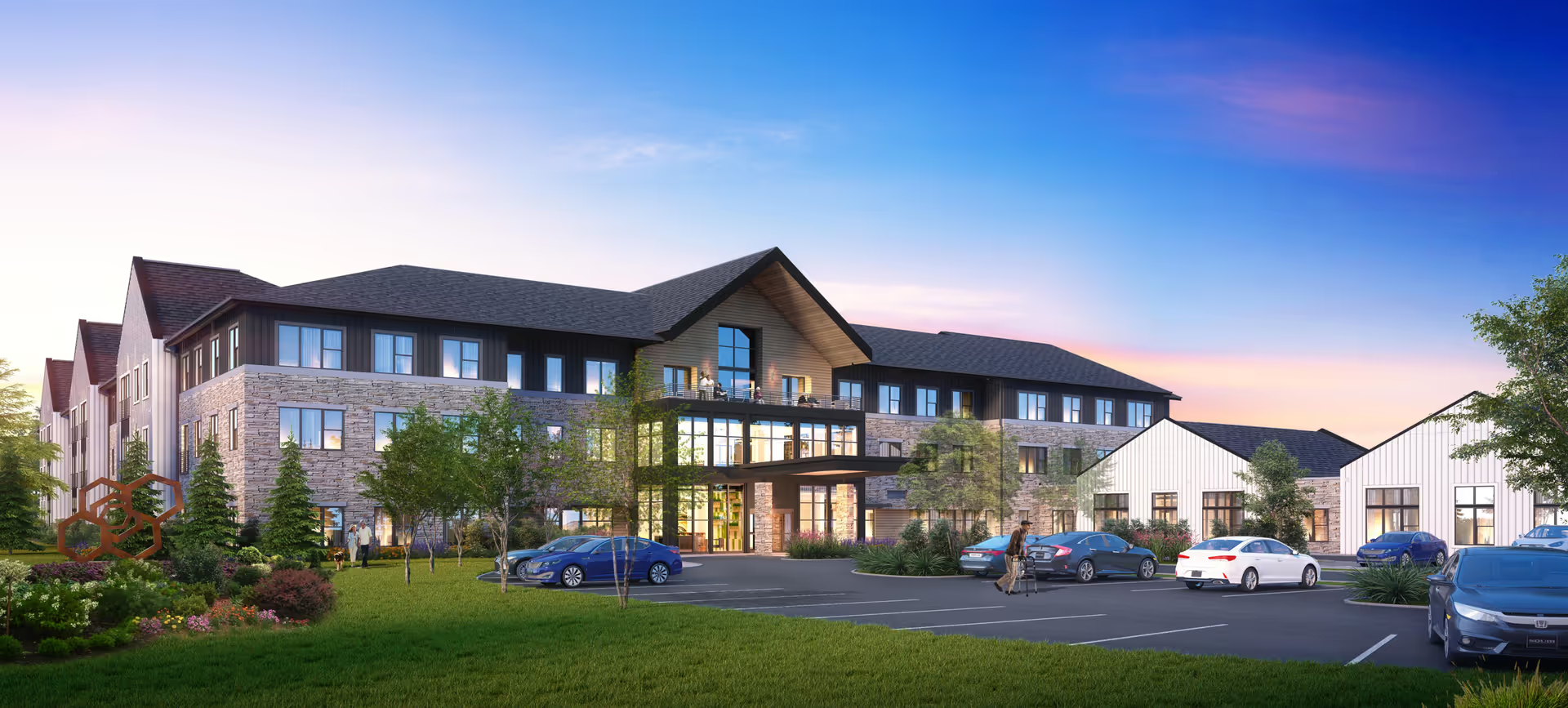
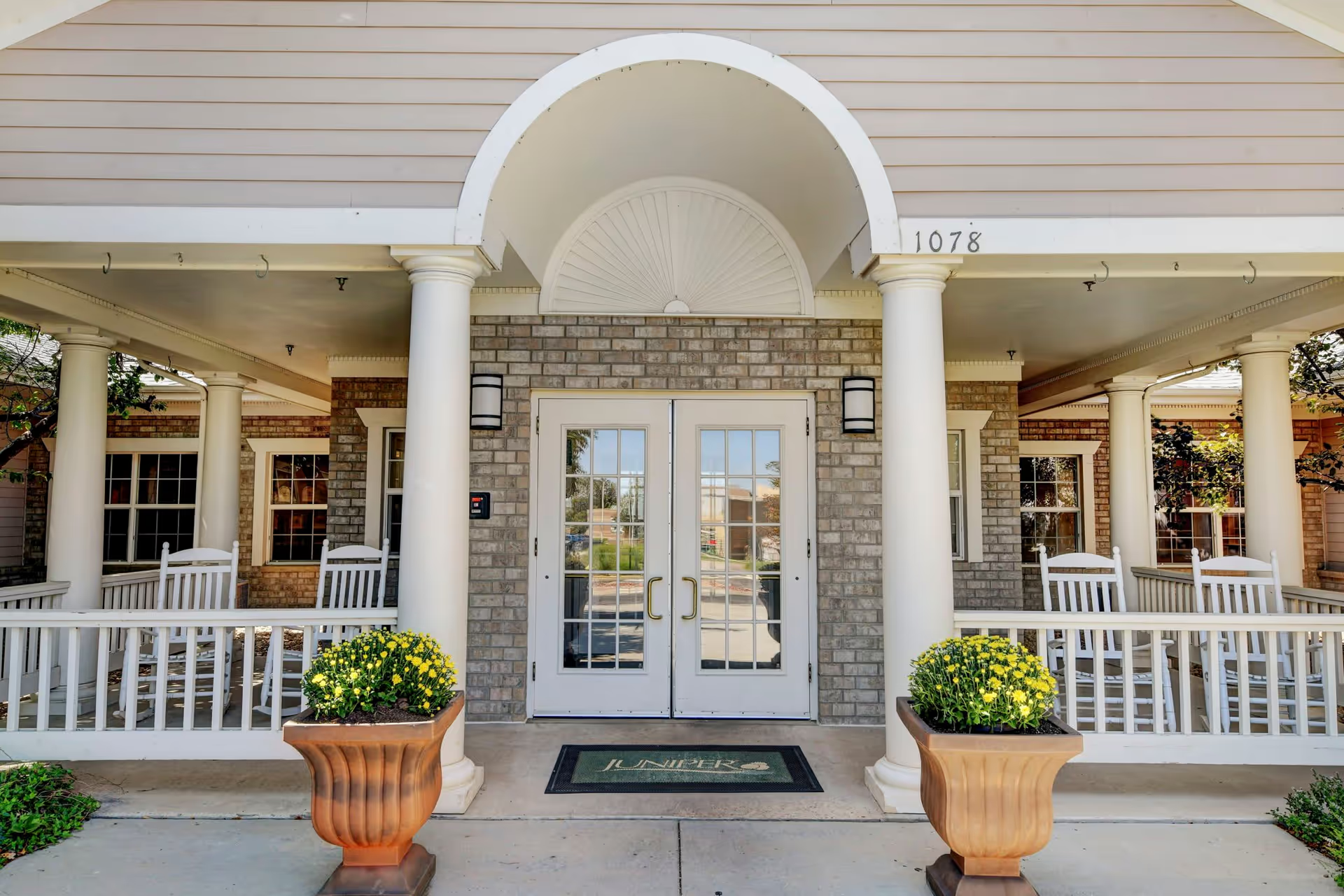
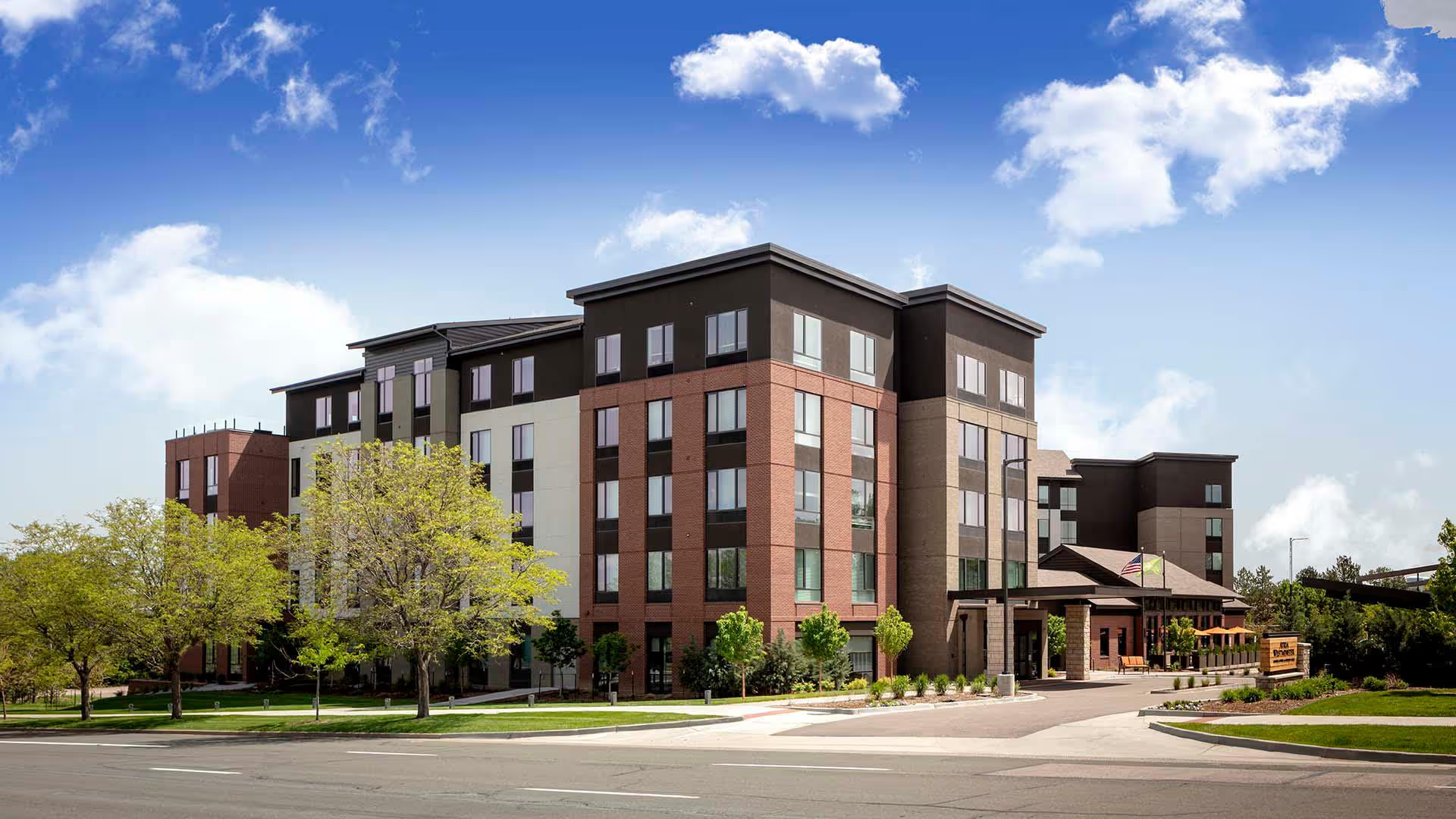
Highland Trail presents as an independent/assisted-style community with a clear strength in day-to-day resident life: staff interactions, social programming, and the built environment. Across reviews the caregiving and frontline teams are frequently described as welcoming, attentive, and familiar with residents by name. Many families and residents point to a warm, family‑like atmosphere, proactive safety checks, and positive hospice coordination where needed. Maintenance and housekeeping receive regular praise for responsiveness, and the property and common areas are often cited as clean, well maintained, and comfortably furnished. Apartment variety and size options are a consistent positive; reviewers mention studios through two-bedroom options, balconies, and some units with kitchens or kitchenettes that suit independent living needs.
Activities and social life are another clear strength. The community offers a broad calendar of events — bingo, live music, outings, holiday ceremonies, faith-based groups, and themed gatherings — and activity staff are commonly credited with keeping residents engaged. When activity leadership is stable, programming is described as well organized and responsive to resident input; however, changes in activity staff have led to occasional inconsistency in offerings and coordination until new staff are established.
Dining received sharply divergent feedback. Several reviewers praise the executive chef and particular menu items, note flexibility for special diets, and highlight generous portions and variety. At the same time, a substantial number of accounts describe inconsistent food quality, problems with preparation or presentation, and occasional issues with freshness and variety. Operational problems connected to meal service — delays, unanswered calls related to takeout/delivery coordination, and interruptions in service continuity — appear across reviews and represent a recurring concern families should evaluate in person.
Care scope and responsiveness warrant careful consideration depending on a prospective resident’s needs. Highland Trail functions primarily as an independent/assisted living community with limited on-site clinical staff; reviewers repeatedly emphasize that higher-acuity clinical oversight is not a core service. Some families appreciate assistance with activities of daily living and timely attention from staff, while others describe inconsistent responsiveness during high‑need moments (for example, during isolation/quarantine events or nights/weekends). Those seeking strong medical supervision or rapid clinical intervention should confirm available services and transfer pathways before committing.
Management, administration, and business processes show mixed signals. Long-standing frontline employees and named staff members receive strong, specific praise for responsiveness and follow-up. Conversely, many reviews note frequent turnover among managers and changes in ownership or regional oversight that have produced communication lapses, onboarding confusion, and what reviewers characterize as a more cosmetic-than-operational focus after transitions. Administrative weaknesses appear as billing errors, late fees, and disputes over charges in some accounts; there are also isolated allegations of theft and financial misconduct that families escalated to complaint channels. Prospective residents should request current leadership structure, turnover metrics, and documentation of any regulatory actions.
In summary, Highland Trail offers a community-oriented living environment with robust social programming, generally strong frontline staff, and a well-maintained campus that many residents and families find supportive and good value for independent living. Key caution areas are the facility’s inconsistent dining experience, variable management stability, periodic staffing coverage shortfalls, administrative/billing reliability, and limited clinical services for higher-acuity needs. Visitors should prioritize an in-person dining sample, a review of current staffing and clinical capabilities, clarity on billing and contract terms, and direct conversations about move‑in communication and transportation scheduling to ensure the community fits their practical and medical expectations.