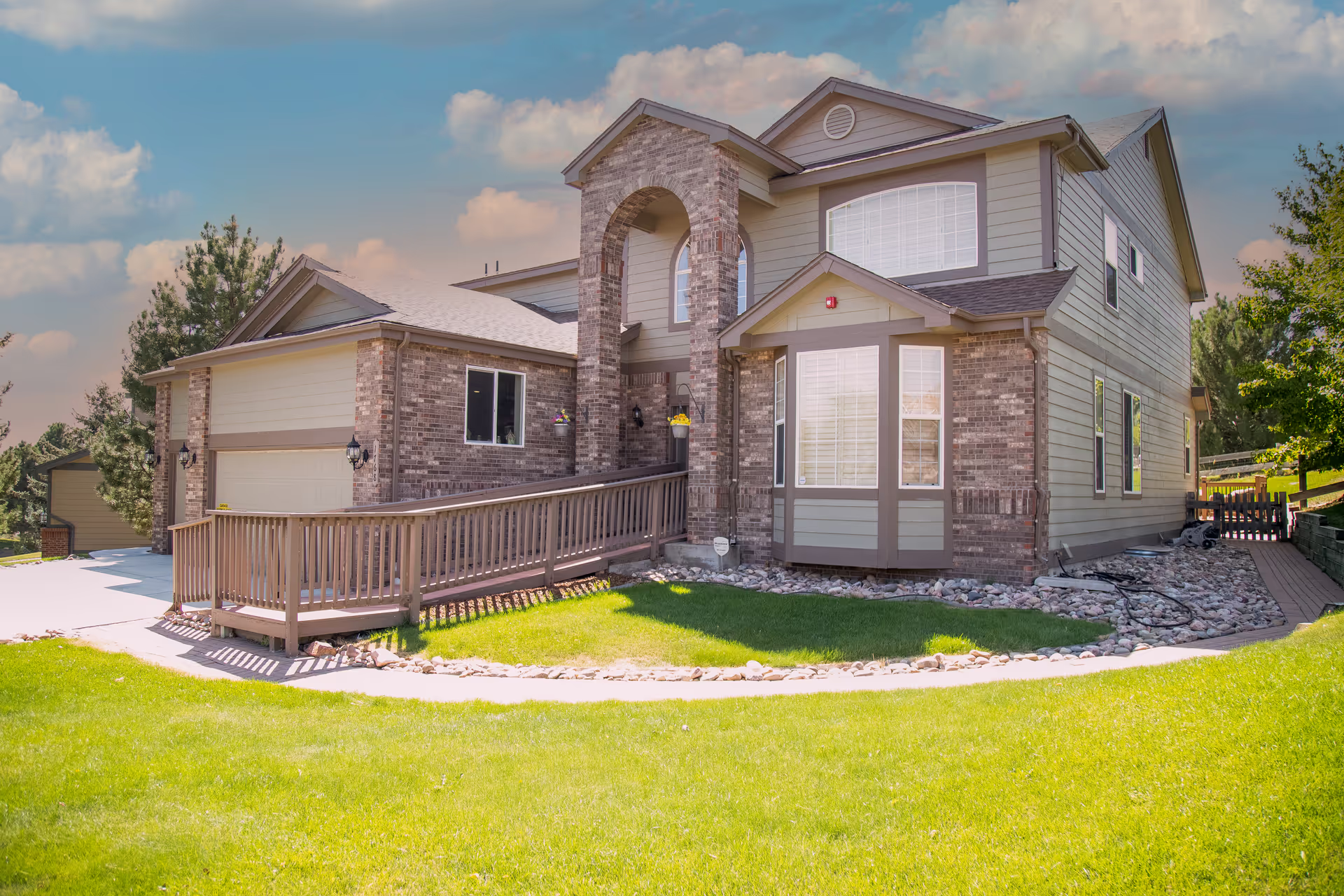
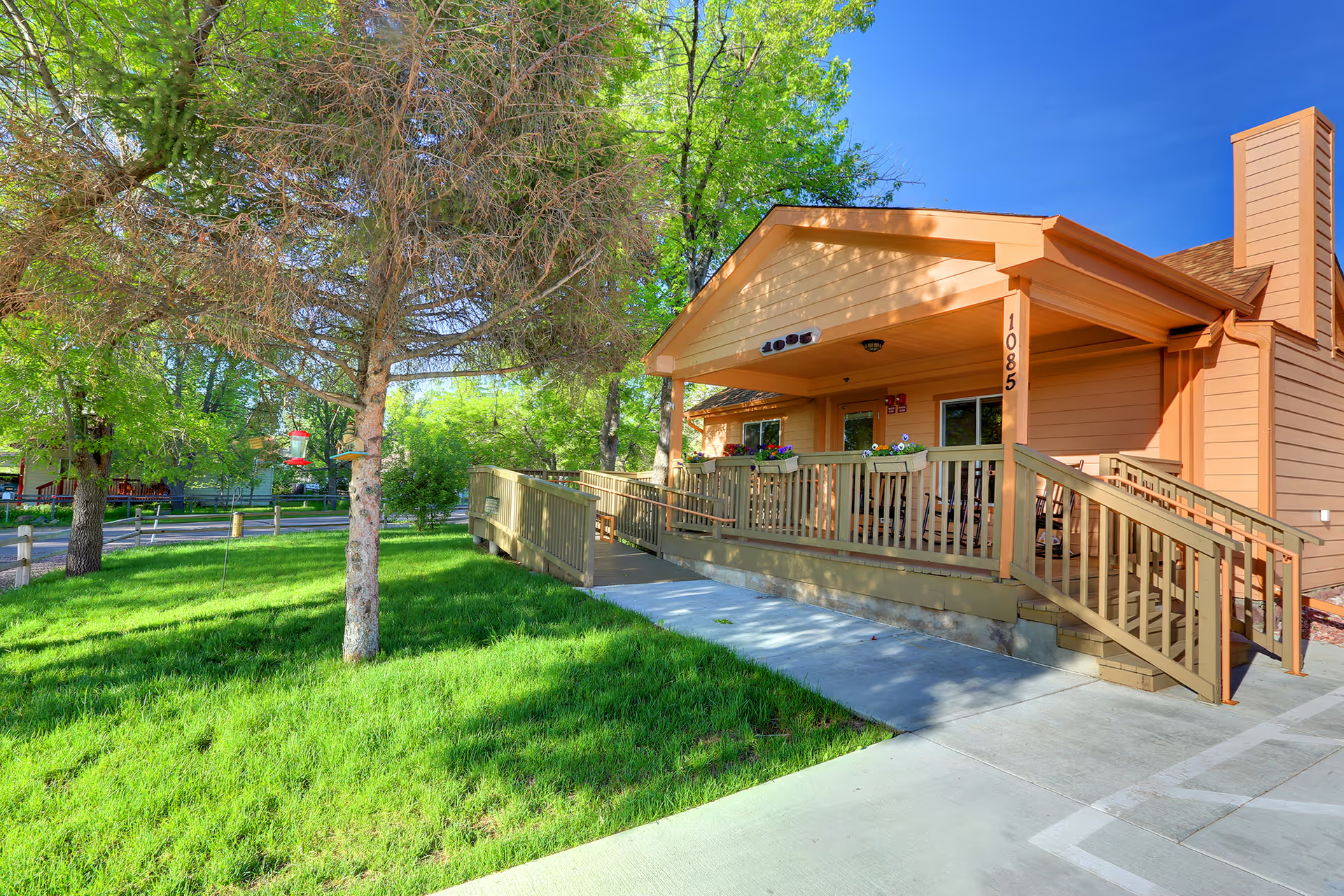
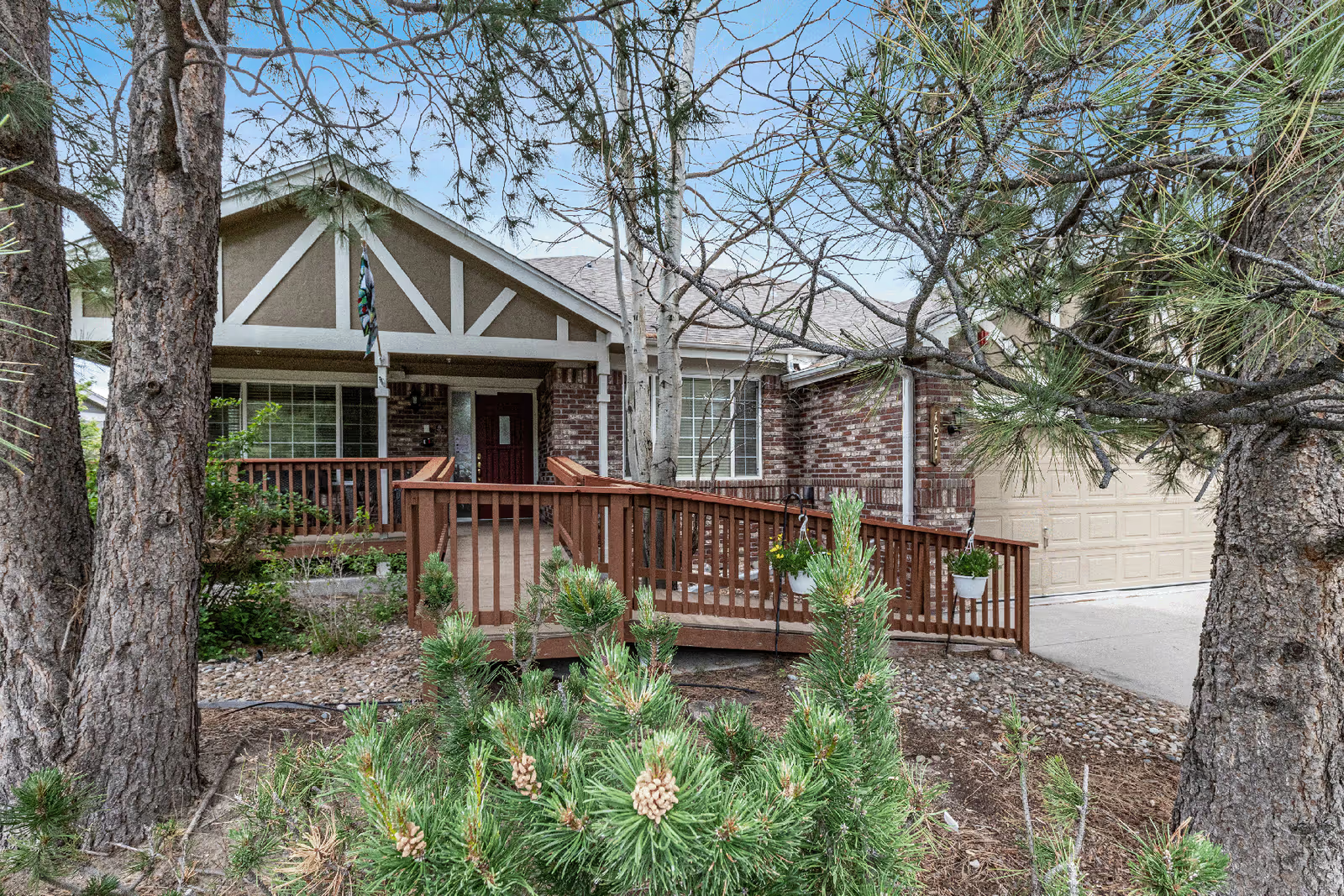
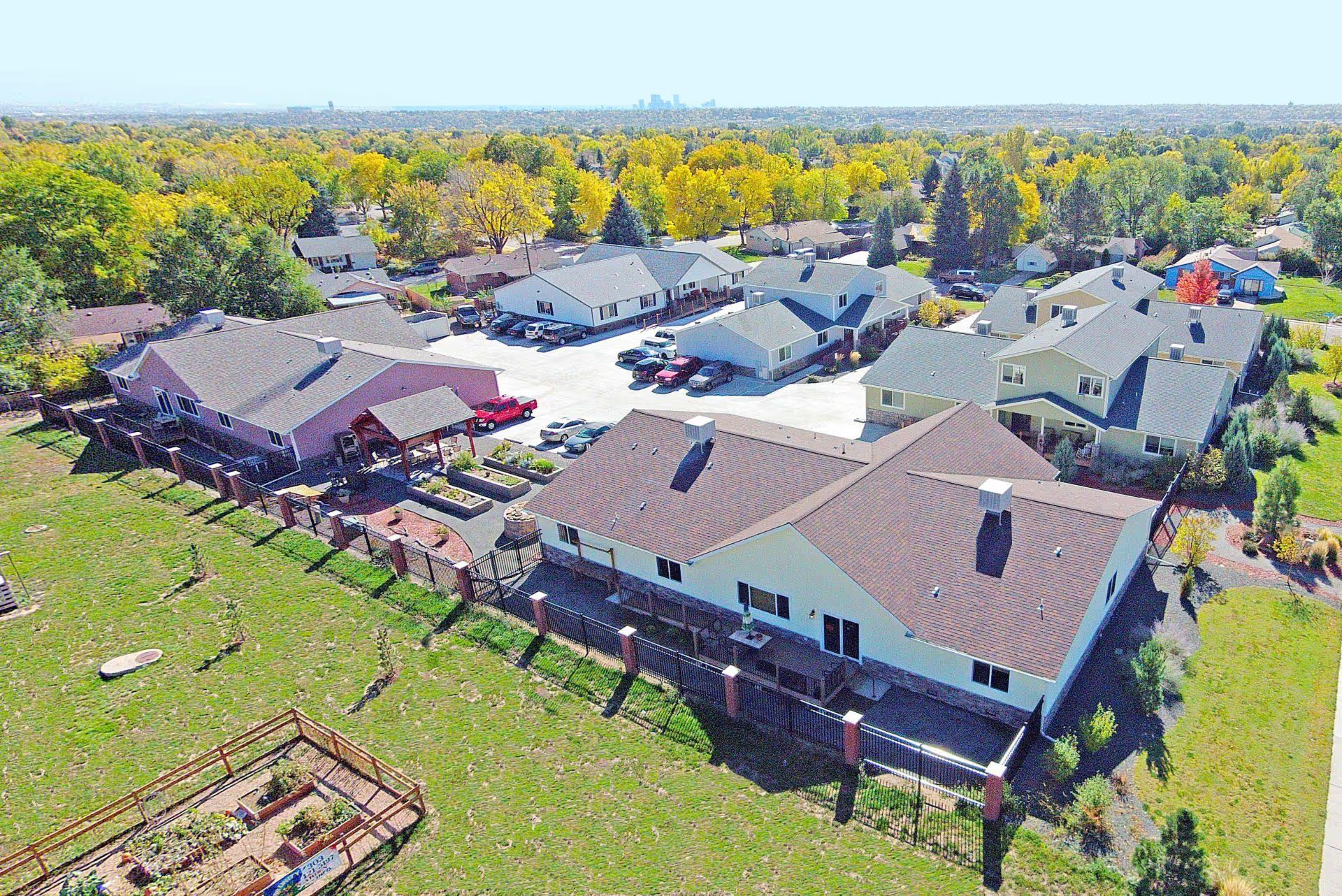
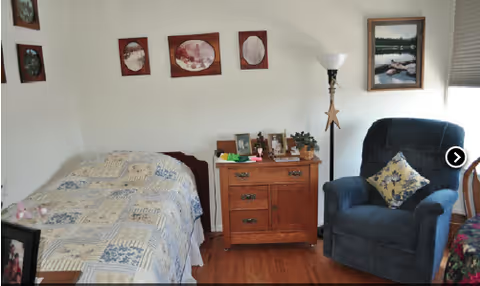
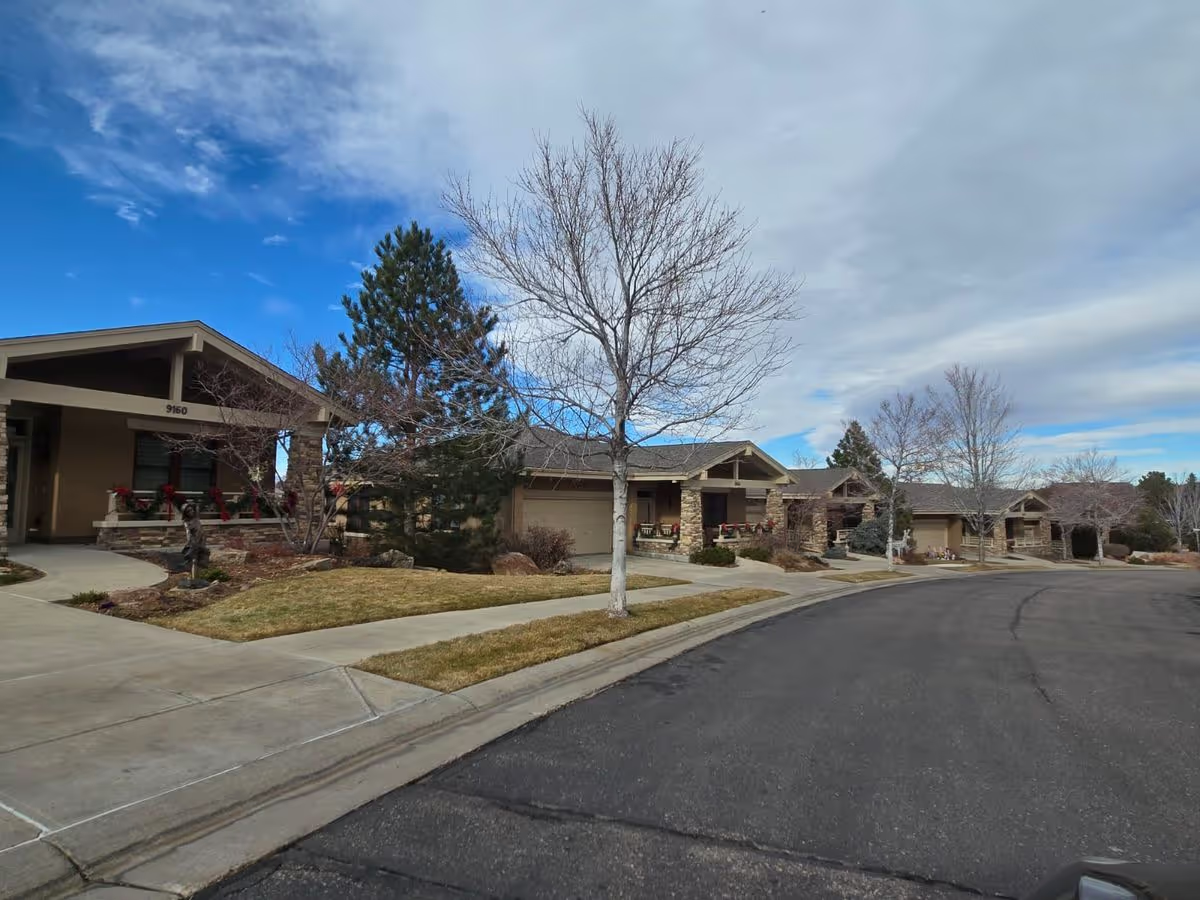
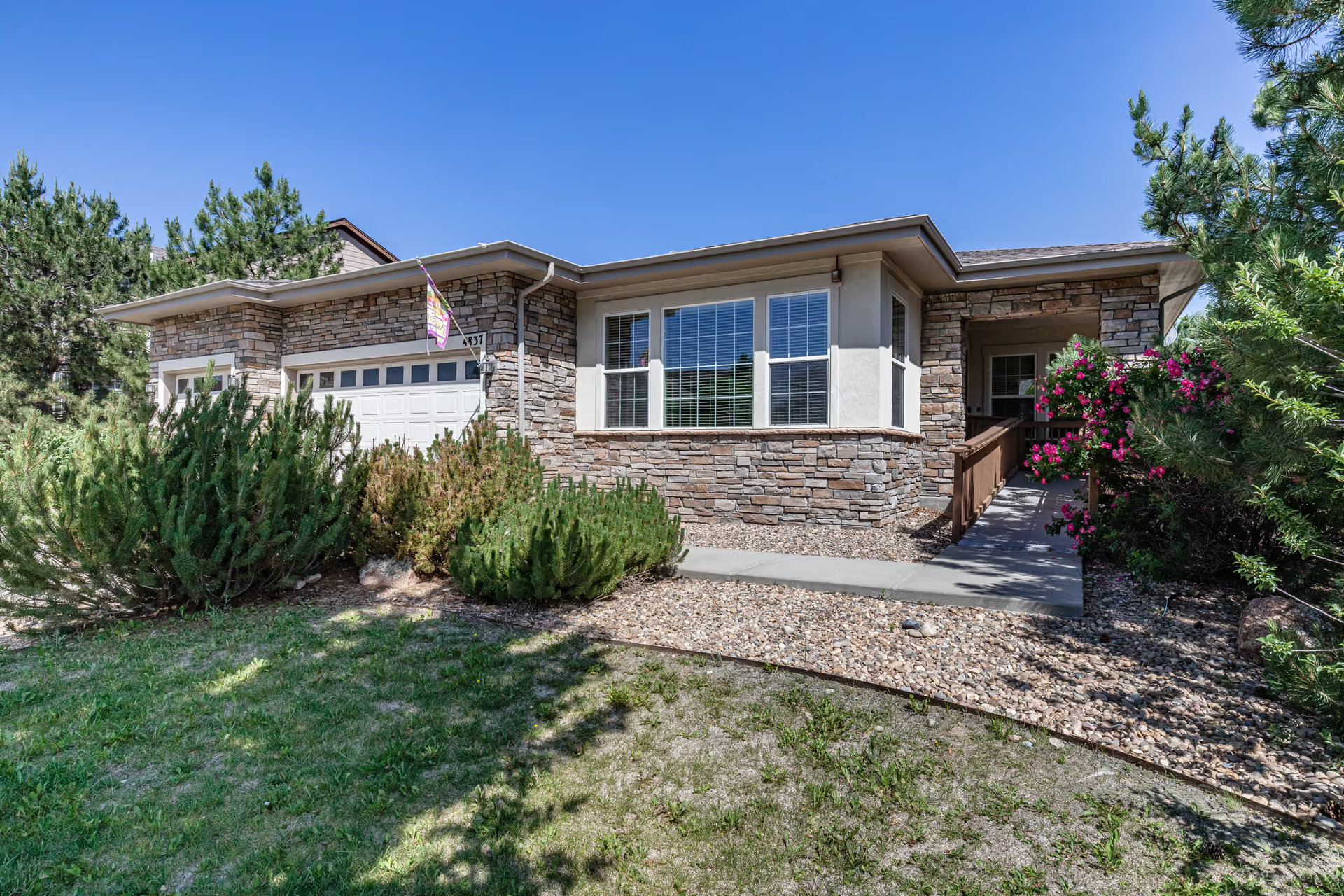
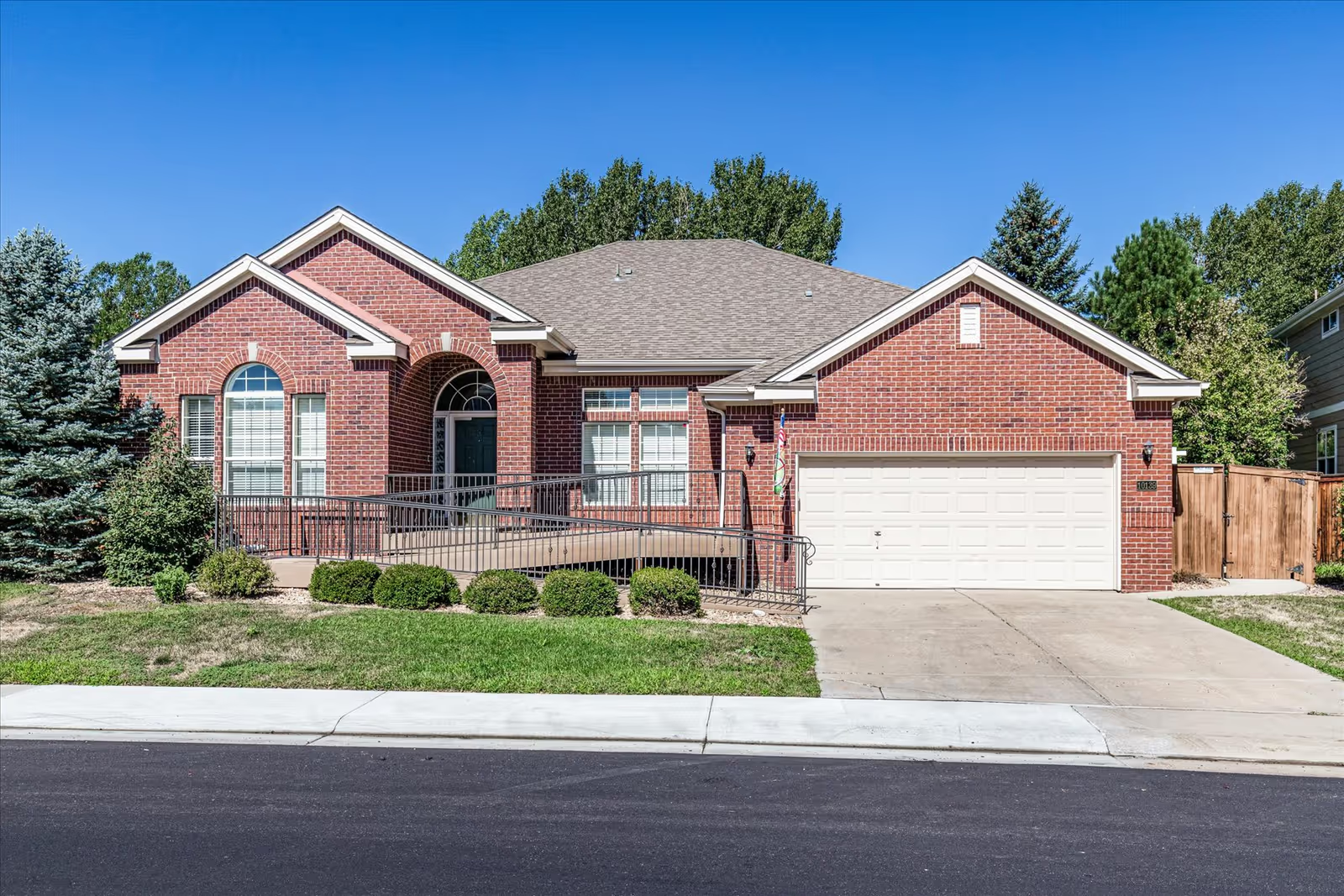
Legacy Village of Castle Pines presents as a modern, well‑appointed senior living community with many physical strengths. The campus is new and thoughtfully laid out, with dedicated neighborhoods for independent living, assisted living, and a secured memory‑care courtyard. Common areas receive frequent praise for natural light, attractive design, and maintenance; amenities include a movie theater, salon, library, multiple fitness spaces, underground parking, and laundry facilities on each residential floor. Many families highlight private apartment features (large windows, patios/balconies, kitchenettes) and landscaped grounds that contribute to a home‑like feel.
Activity programming and social life are consistent strengths. Reviewers mention a broad calendar of offerings — bingo, book clubs, crafts, music, holiday events, and outings — as well as separate dining rooms and frequent special events that support resident engagement. Several accounts describe staff who go beyond routine duties: attentive caregivers, a strong concierge function, and on‑site clinical access through an on‑site nurse and visiting medical providers. For many families this combination translated to a clear sense of safety and peace of mind.
At the same time, reviews show notable variability in operational performance. Staffing levels and turnover are recurrent themes: families described periods when nursing and therapy coverage were limited, prompting reliance on private therapists or supplemental staffing. Relatedly, reviewers raised concerns about inconsistent medication administration and uneven clinical oversight; these comments suggest variability in care processes rather than uniform clinical practice. Dining service quality also appears uneven — while some praise the meals and elegant dining rooms, others report inconsistent food temperature, portion sizes, and staff turnover in the kitchen impact meal continuity.
Management and staff culture present a mixed picture. Numerous reviews commend specific caregivers and highlight responsive managers who handled move‑ins and isolated issues effectively. Conversely, other accounts describe opaque management practices, low staff morale, and instances of unprofessional conduct or privacy‑practice lapses. There are also references to serious allegations that have drawn regulatory attention; these items represent outlier yet significant concerns that families should explicitly inquire about during tours and intake conversations.
Practical considerations for prospective residents and families: the community is positioned at a premium price point and can have waitlists; some apartments are smaller than visitors expect; transportation and therapy availability may require clarification in advance. Given the polarized feedback — many strongly positive experiences alongside several serious operational concerns — an in‑person assessment is advisable. Recommended questions include current staffing ratios (nursing and therapy), medication‑administration protocols, dining staffing and menu consistency, privacy policies and staff training, and any active regulatory inquiries or corrective action plans. These checks will help determine whether the community’s physical and programmatic strengths align with a prospective resident’s clinical and social needs.