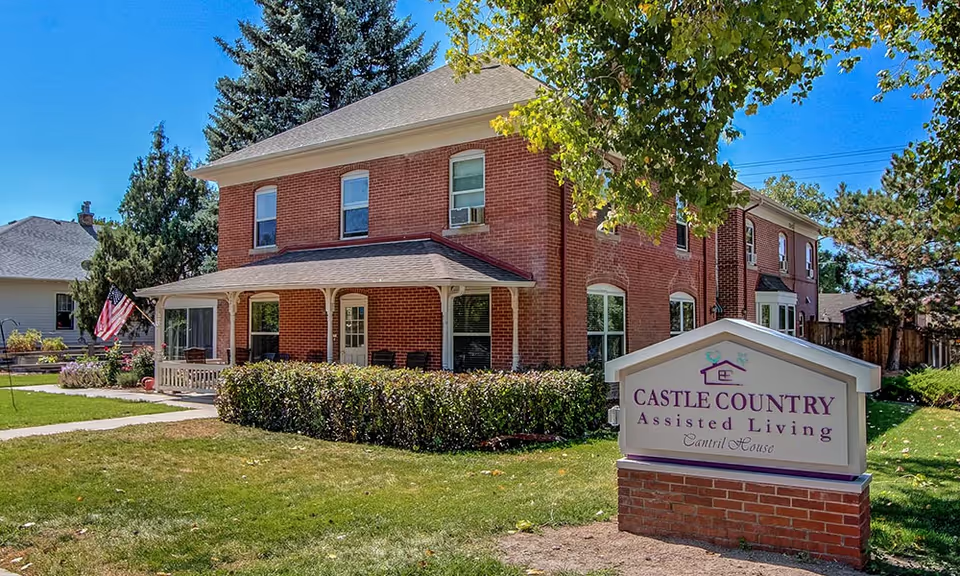
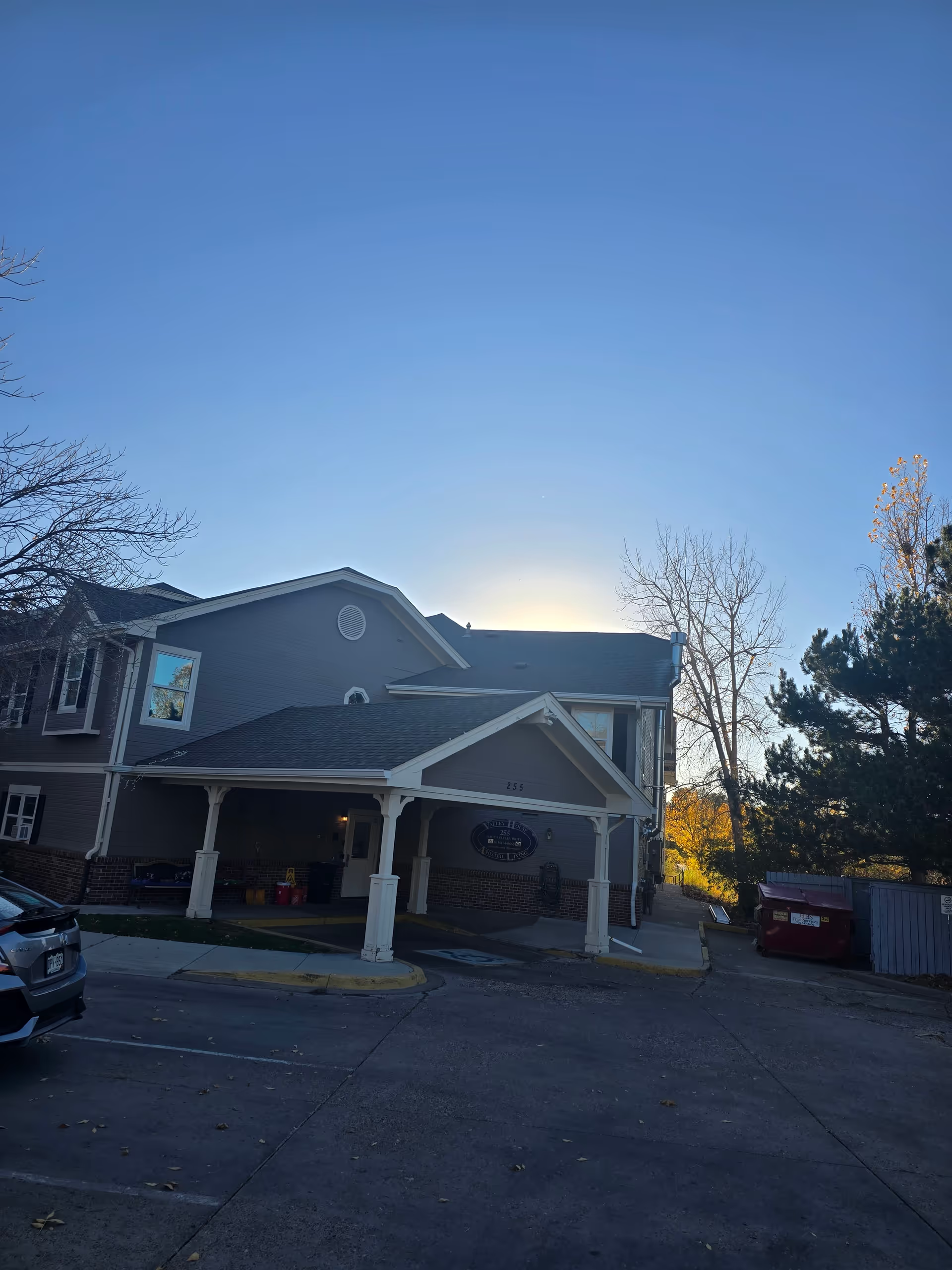
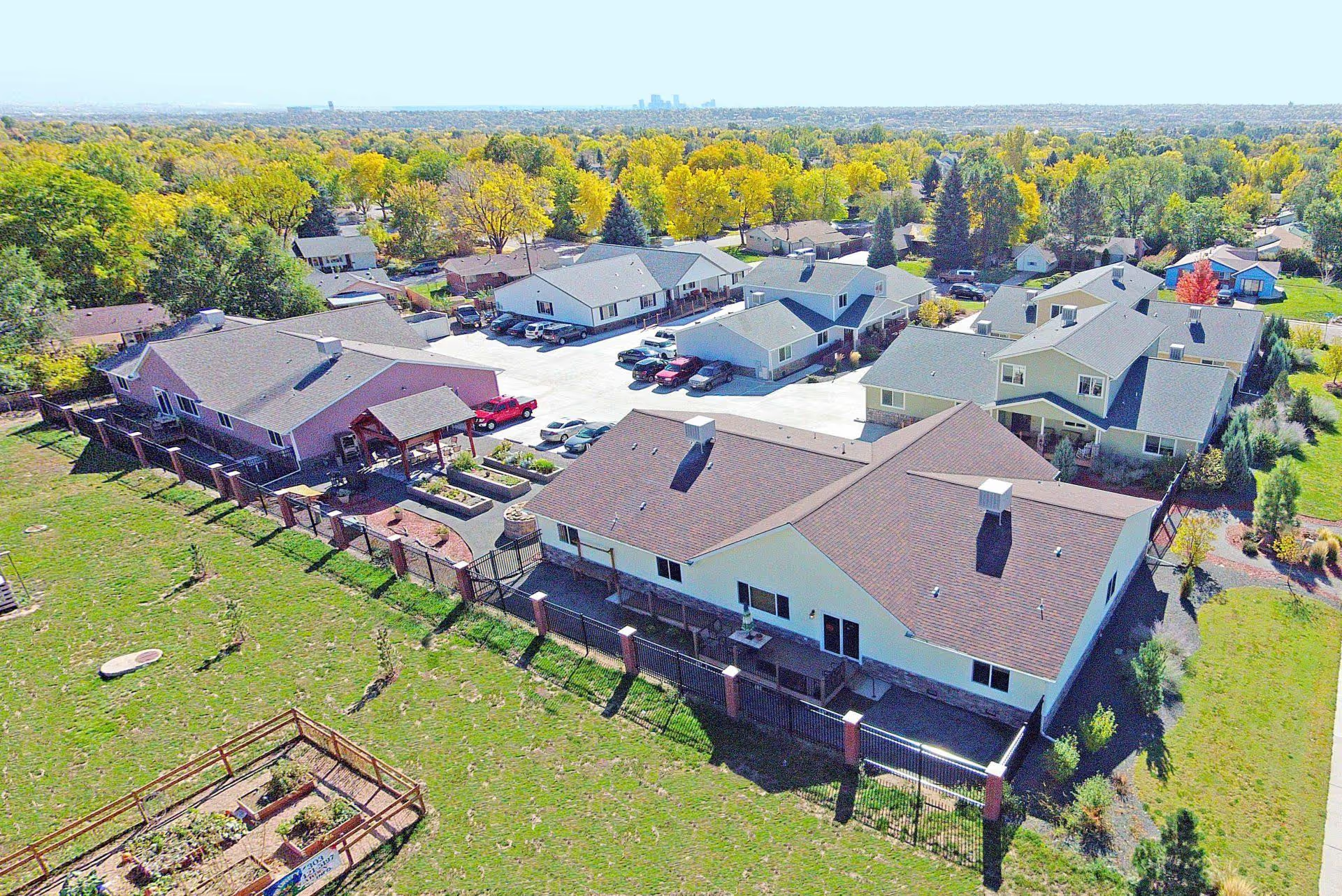
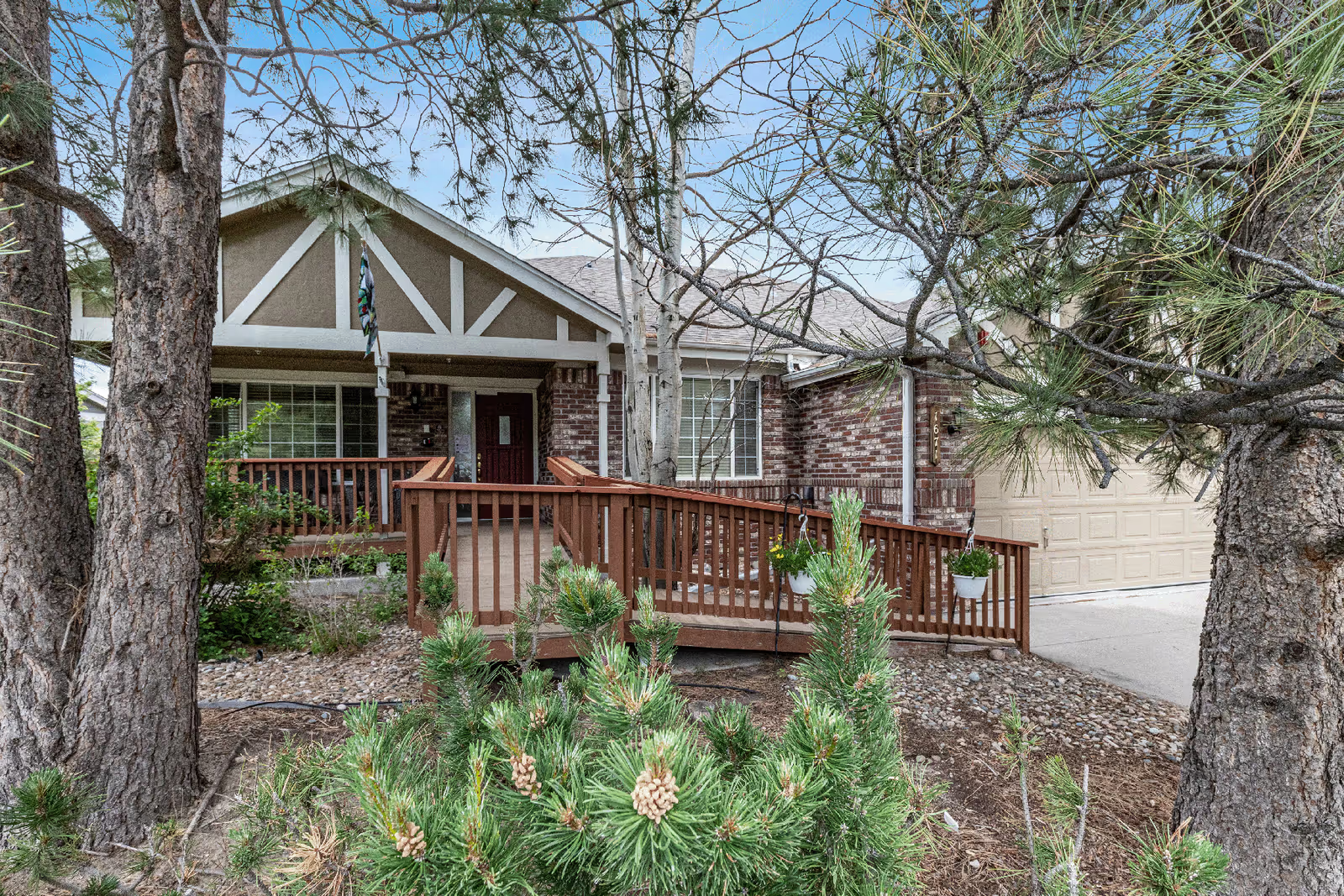
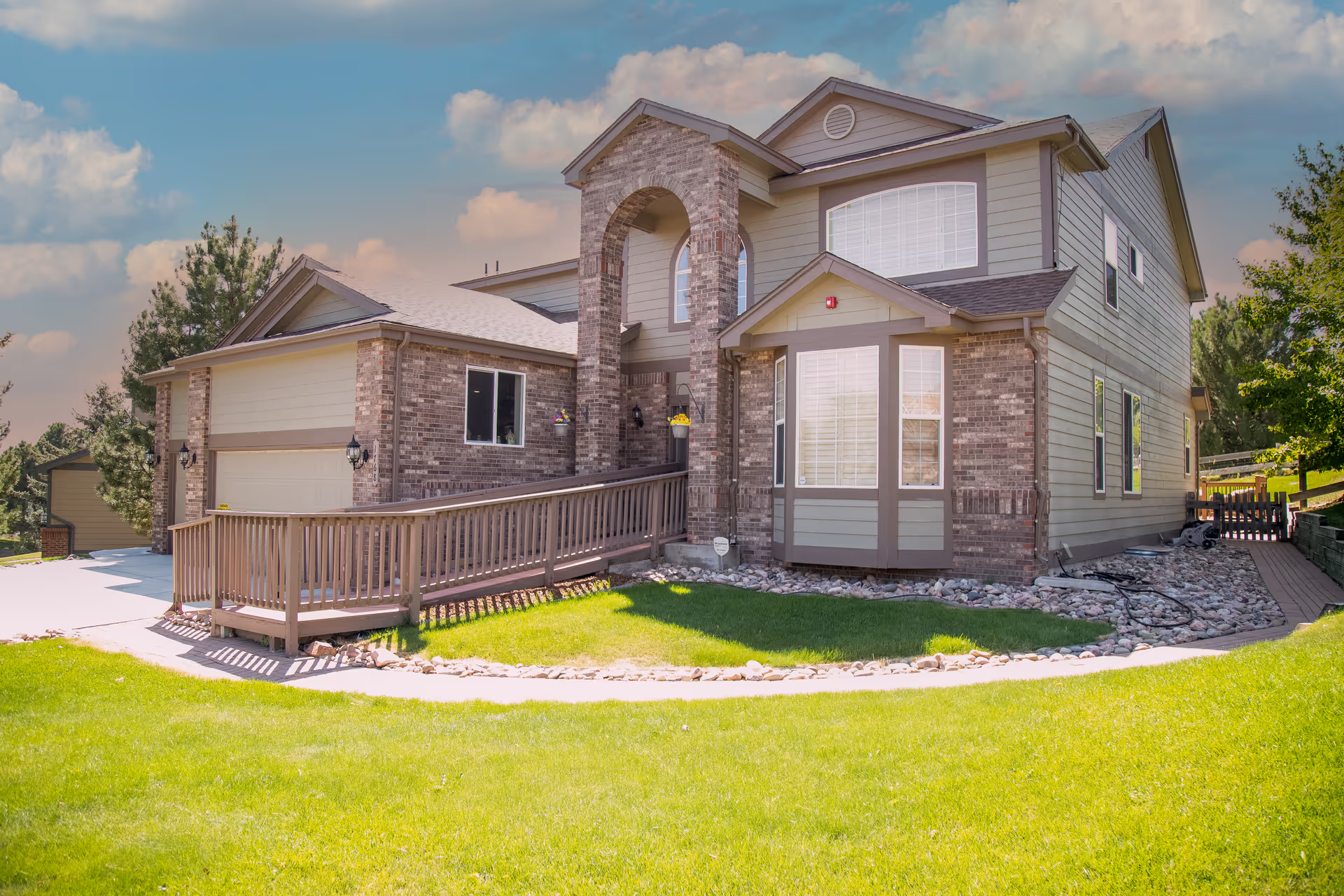
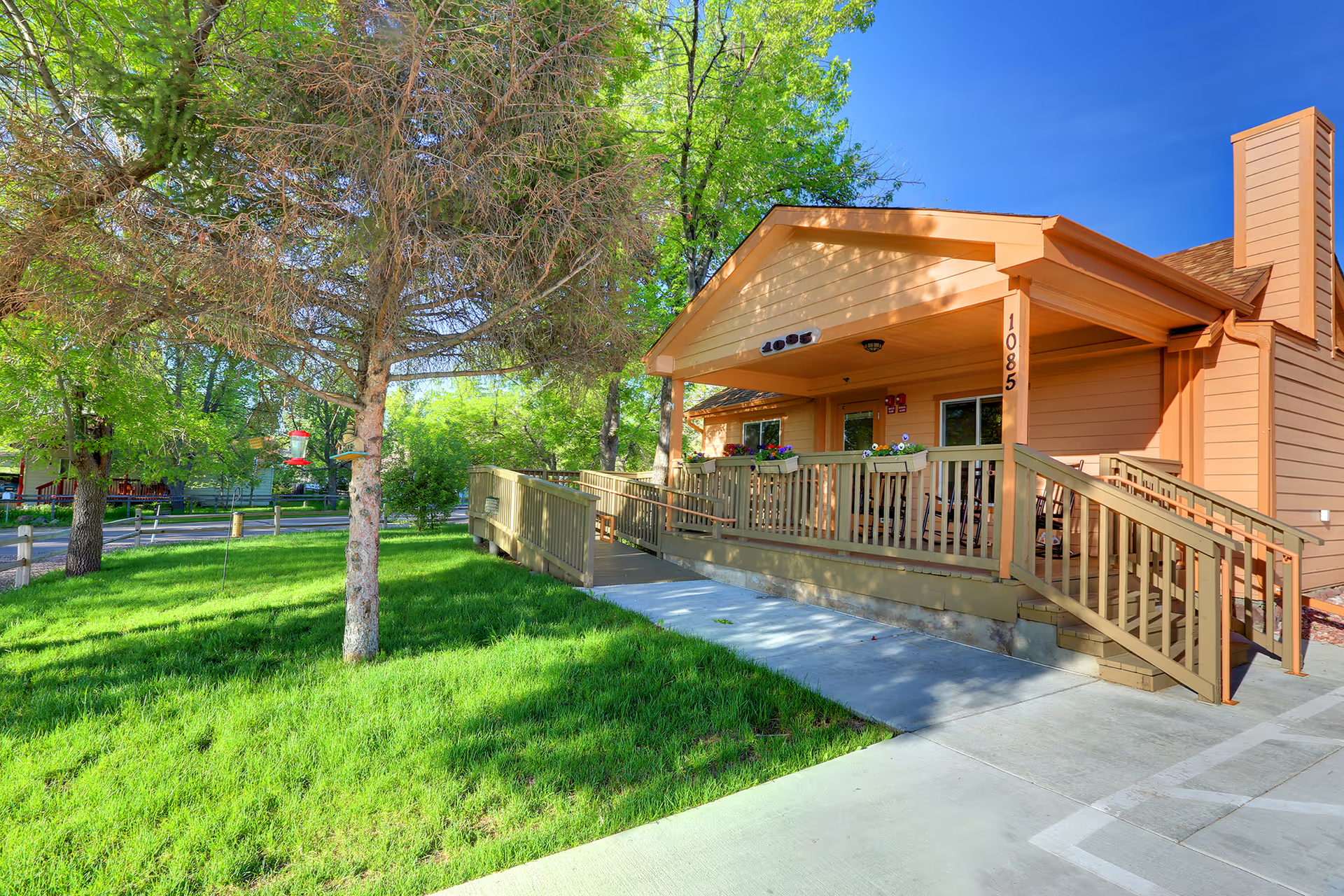
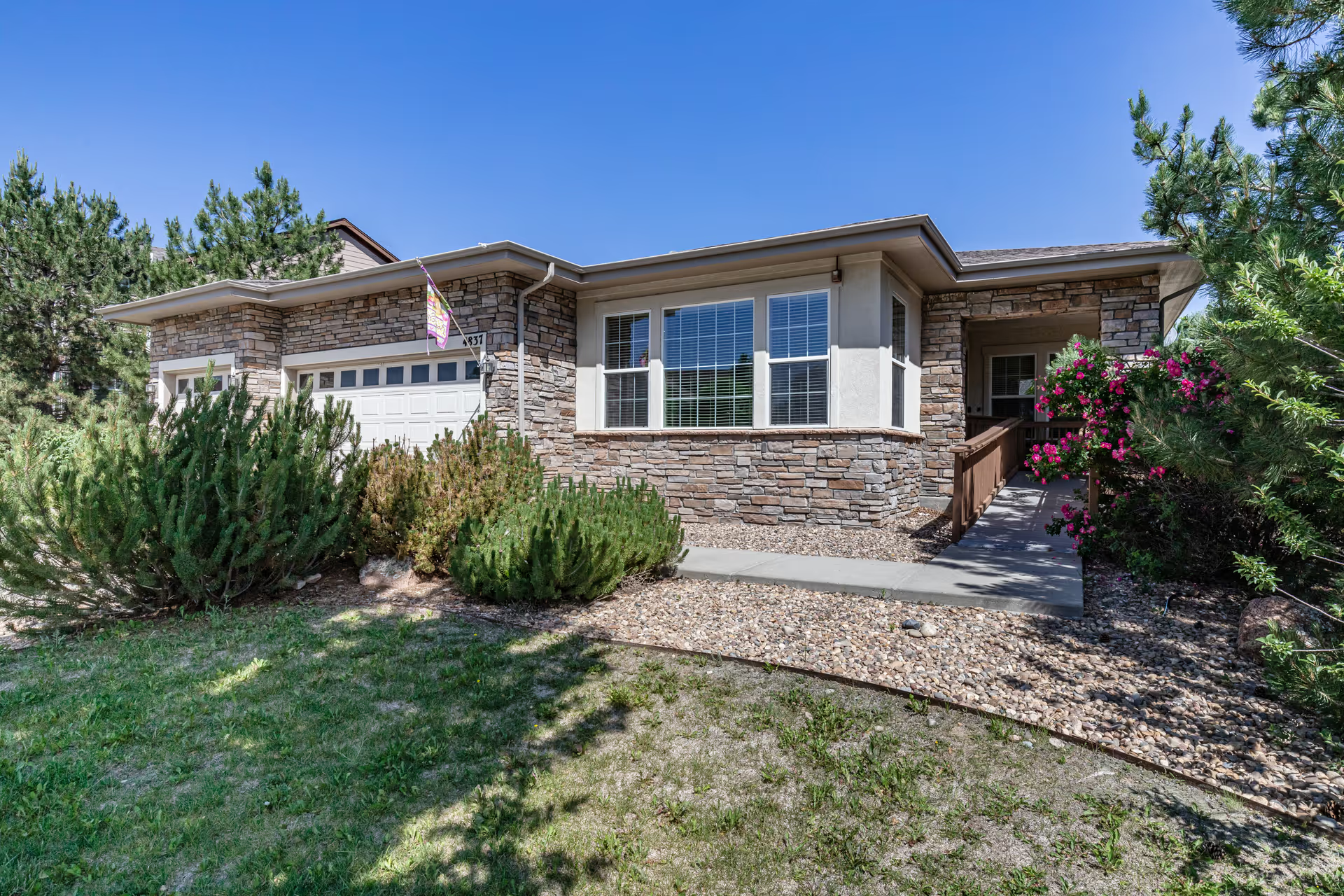
Overall impression: Families generally describe Solange at Woodlands as a small, homelike alternative to larger institutions with a caring frontline team and personalized attention. Many families praised direct care staff by name and emphasized compassionate, individualized care that improved quality of life for their loved ones compared with prior larger facilities. The residence is frequently described as tidy and sunny, with home-cooked meals that guests find appealing.
Care and staff: Caregivers are consistently highlighted as a strength — attentive, willing to provide one-on-one support, and effective at building rapport with residents. Several families noted that hospice and end-of-life services were coordinated when needed, and that staff worked constructively with outside providers. However, reviewers also identified operational staffing limits: shifts are often covered by a single caregiver with only two people during changeover, and weekend coverage can be particularly thin. These staffing constraints contribute to reports of overworked staff and variability in response times.
Dining and activities: Dining is a positive area, with multiple mentions of home-cooked meals and favorable impressions of food quality and aroma. Social atmosphere and companionship are also cited as benefits, with a lively, homelike feel and frequent 1:1 interactions. At the same time, families pointed to limited formal daytime activity programming; activity offerings appear to be more informal and individualized rather than a robust group schedule.
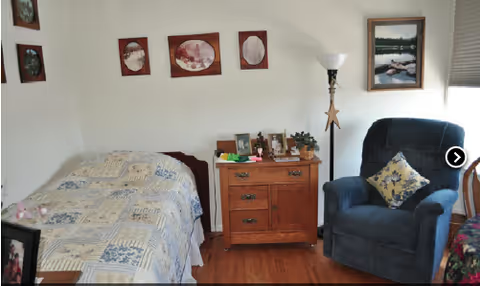
Facilities and cleanliness: The physical home is described as attractive — large, sunny rooms and a well-kept common area. Some rooms may be unfurnished or minimally furnished, which families should confirm when touring. There are also noted inconsistencies in sanitation and in personal-care routines for some residents; these represent operational areas that families flagged as affecting resident comfort and dignity.
Management and operations: Management is frequently described as accessible and responsive, with instances of owners and staff helping with placement logistics and being reachable for questions. At the same time, a recurring theme is uneven administrative follow-through and limited on-site administrative presence, which has contributed to perceptions of priorities and occasional unmet promises. Management has taken steps to address concerns — hiring a staff supervisor and working on staffing and training improvements — indicating active remediation efforts.
Notable patterns and guidance for prospective families: The dominant pattern is a facility with strong, compassionate direct care and a homelike environment but operational strains around staffing, memory-care training, and structured activities. Prospective residents and families should ask about current staffing ratios (including weekend coverage), dementia-specific training curricula, the typical furnishing status of rooms, the activity calendar, and recent steps management has taken to address staffing and sanitation issues. Those seeking individualized attention in a smaller setting will likely appreciate the strengths here, but should confirm that operational improvements are ongoing and sustained.