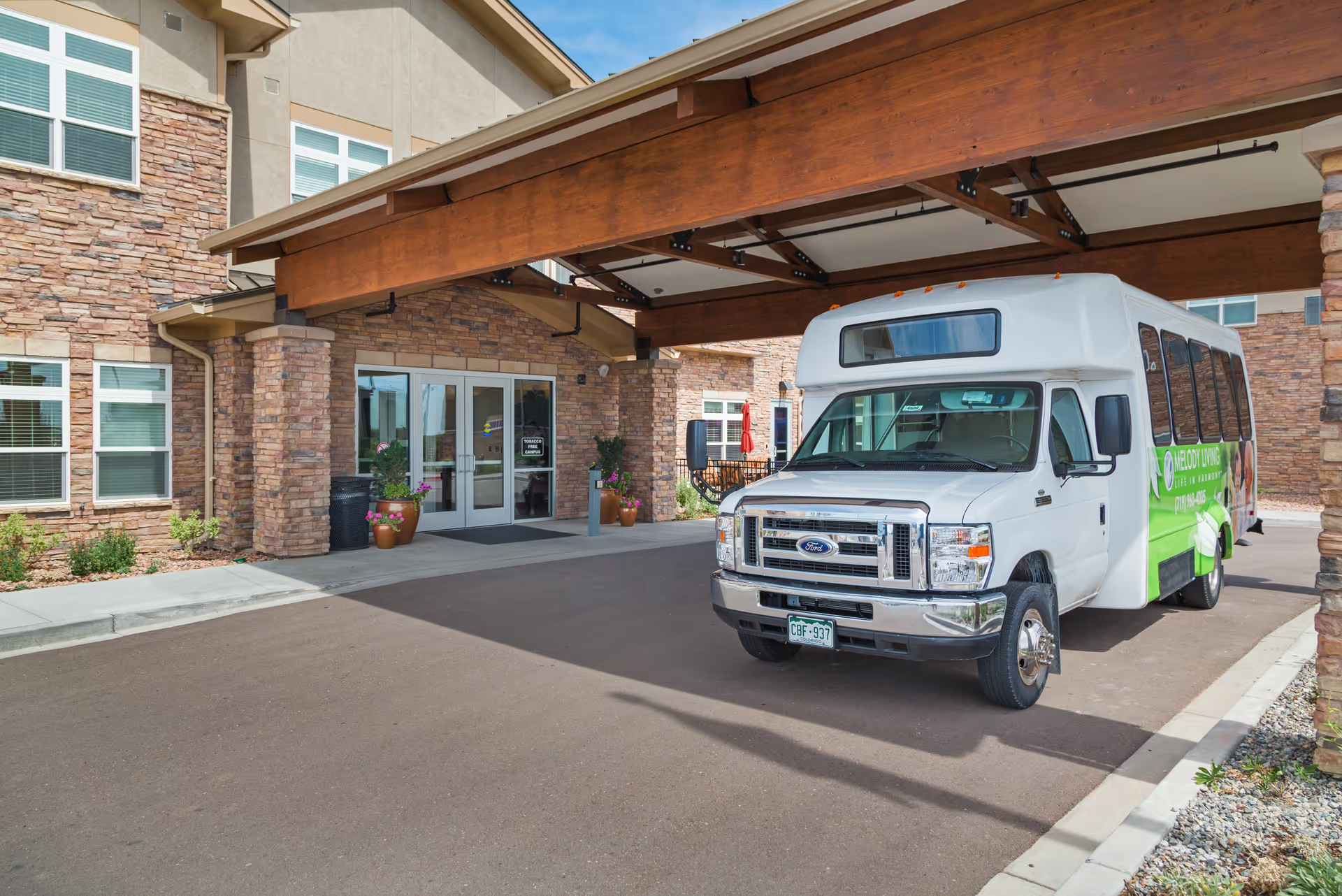
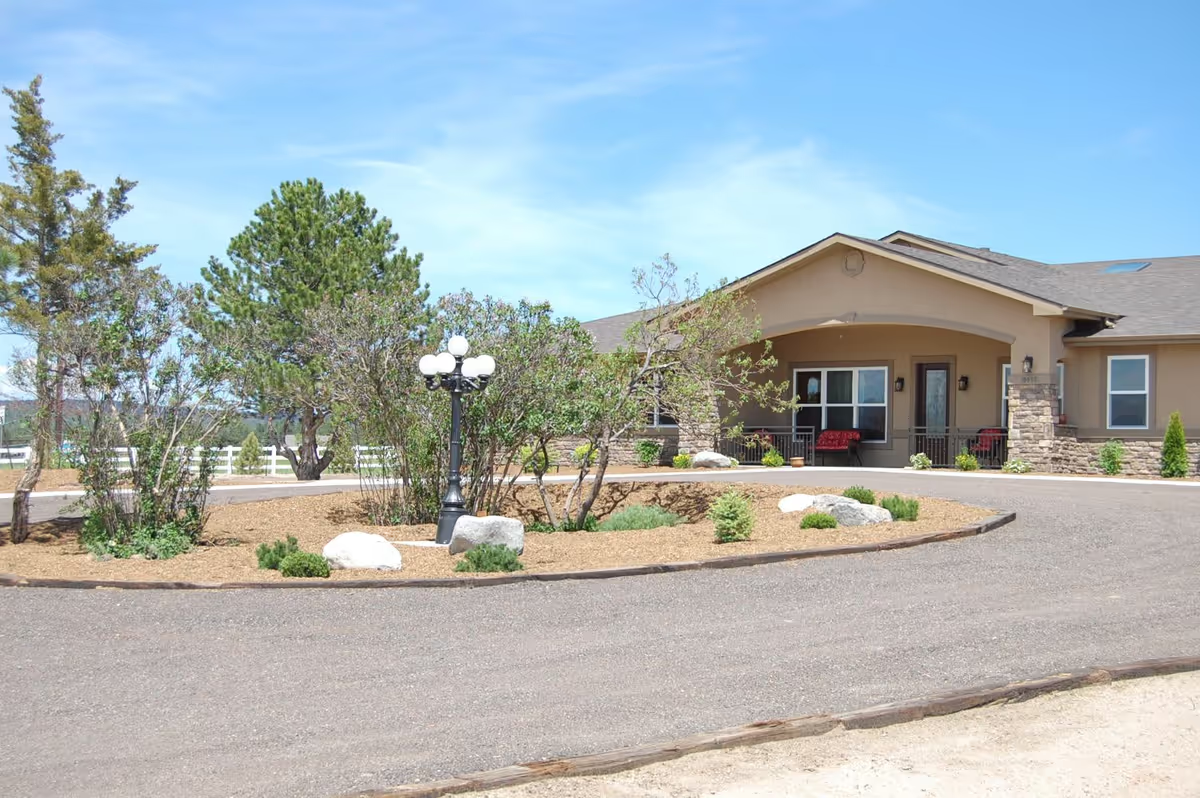
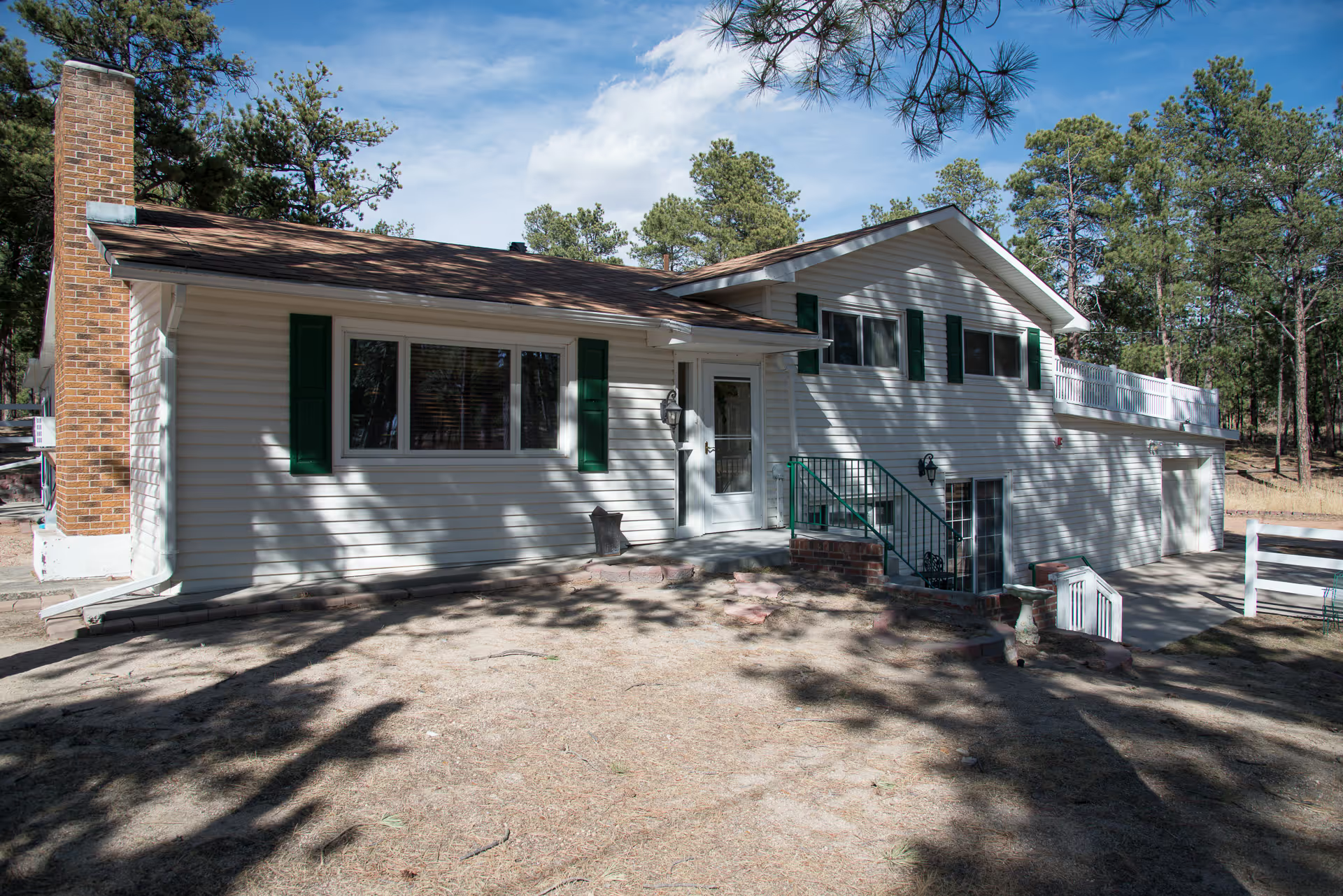
Reviewer accounts are polarized: many describe strong, personalized care in a small cottage setting, while others raise facility-level concerns following a change in ownership. Positive comments emphasize a family-style environment where experienced caregivers and the on-site owner provide attentive, above‑and‑beyond support at a price point families found reasonable and straightforward. This setting is portrayed as smaller and more familiar than larger institutional alternatives, which some families preferred for its individualized attention and frequent family visits.
Care quality is described in two contrasting ways. Supporters highlight compassionate, experienced staff who prioritize residents and deliver individualized assistance. Conversely, several accounts indicate inconsistency tied to staffing and operational changes: families noted that staffing levels and responsiveness can vary, and that higher-acuity or non‑ambulatory residents may face increased risk when caregiver coverage is thin.
Staffing and workforce issues are a recurring theme. Many comments praise particular caregivers and name‑level leadership for hands-on involvement, but others point to high turnover, heavy workloads, and concerns about caregiver compensation. These workforce pressures are reported to affect both continuity of care and the tone of day-to-day interactions, producing variability in staff communication and responsiveness.
There is limited detailed information about dining and activities in the reviews provided. Reviewers did note a home-like atmosphere that can support personalized engagement and frequent family contact; however, specifics about meal quality, menus, or organized activity programming were not consistently described. The facility’s small scale suggests opportunities for individualized activity plans, but prospective families should confirm the presence and regularity of structured programming during a tour.
Facility and safety considerations reflect the mix of feedback. The cottage-style layout is perceived as comforting and less institutional, yet concerns about insufficient staffing for certain resident mixes (for example, several non‑mobile residents under one caregiver) indicate potential safety and transfer‑assistance gaps. Families should evaluate current staffing ratios, transfer protocols, and emergency-response practices relative to a prospective resident’s acuity.
Management and operational patterns are a prominent concern. Several reviewers associated declines in consistency and staff morale with a recent ownership change, noting leadership and administrative stability as areas for scrutiny. Given the polarized experiences, prospective residents and families are advised to ask specific questions about current staffing levels, turnover rates, staff training, and how the facility matches services to residents who require higher levels of clinical support.
Overall, the facility is described by many as offering warm, personalized care in a small, reasonable-cost environment, but there are clear and repeated operational concerns that merit careful review. The most important considerations for families are current staffing practices, the facility’s ability to serve the resident’s clinical needs, and direct observation of staff–resident interactions during a visit.