Overall impression: Reviews present a mixed but specific picture. Many families described a warm, home-like memory-care environment with compassionate, attentive staff and several on-site amenities. At the same time, a subset of accounts raises substantial operational concerns about staff conduct, clinical oversight, and the facility’s ability to manage complex or specialized medical needs. Prospective residents should weigh the facility’s strengths in social and environmental supports against those operational limitations.
Care quality: Several reviewers praised individualized attention, compassion, and instances of meaningful clinical improvement (for example, appetite recovery and transitions off hospice-level care). The facility appears able to meet routine memory-care needs and provide supportive daily assistance. However, reviews also indicate gaps in clinical oversight for higher-acuity needs: families described limited rehabilitation capacity, uneven responses to medical concerns, questions about medication management (including possible sedative use), and observed weight changes during stays. These observations suggest the facility may be better suited to residents whose needs are primarily custodial and memory-focused rather than those requiring intensive, specialized rehabilitation or complex medical management.
Staff and management: Admissions experiences were frequently described as welcoming; reviewers noted a personable admissions process and staff who present as caring and family-oriented. Many families found communication to be clear and staff to be flexible and attentive. Conversely, some accounts raised concerns about staff professionalism and boundary management, including one serious allegation involving reporting to external authorities and inappropriate involvement in personal matters. Paperwork and processing delays were also mentioned. Prospective families should directly inquire about staff training, conduct policies, complaint/appeal procedures, and expected timelines for admission paperwork.
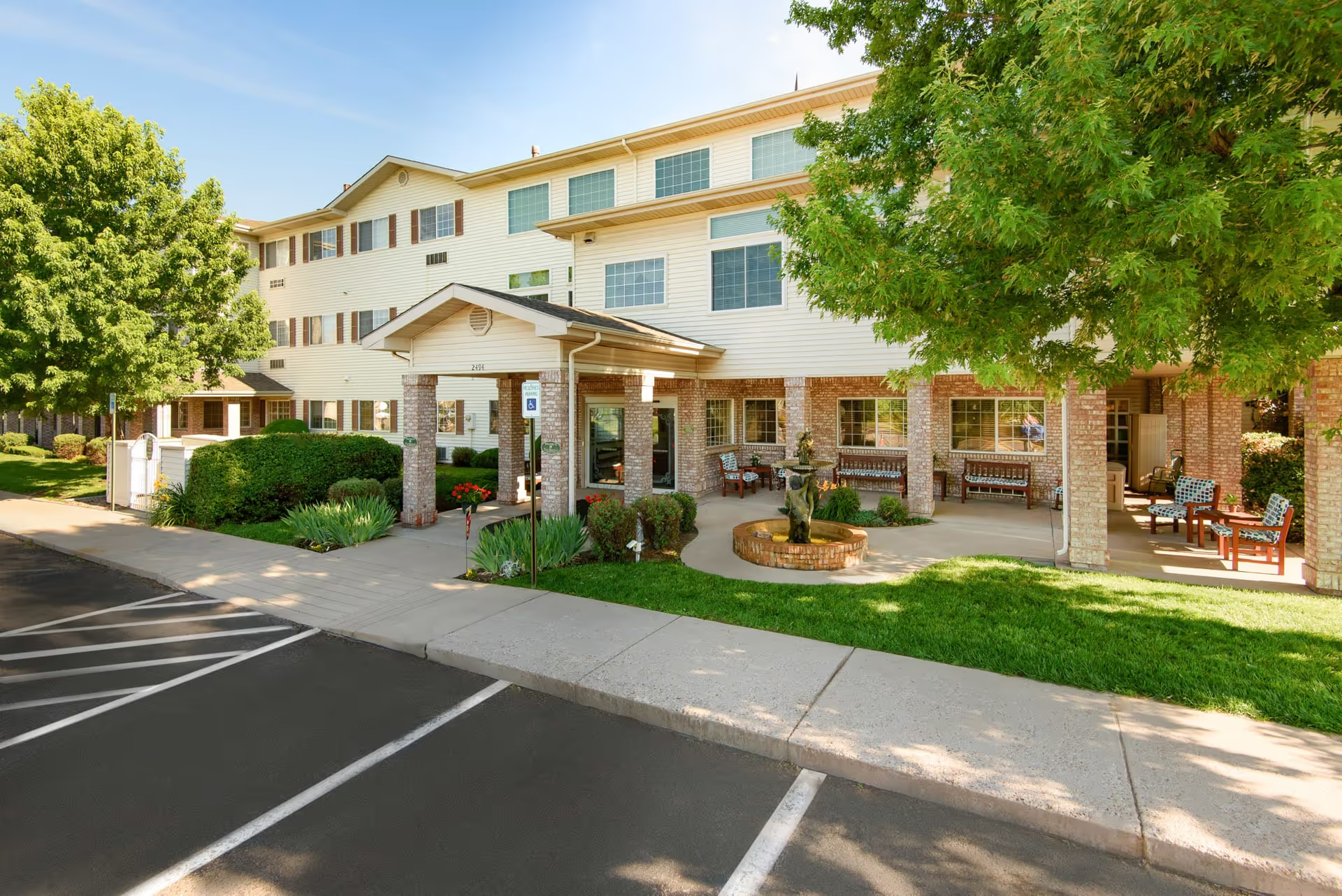
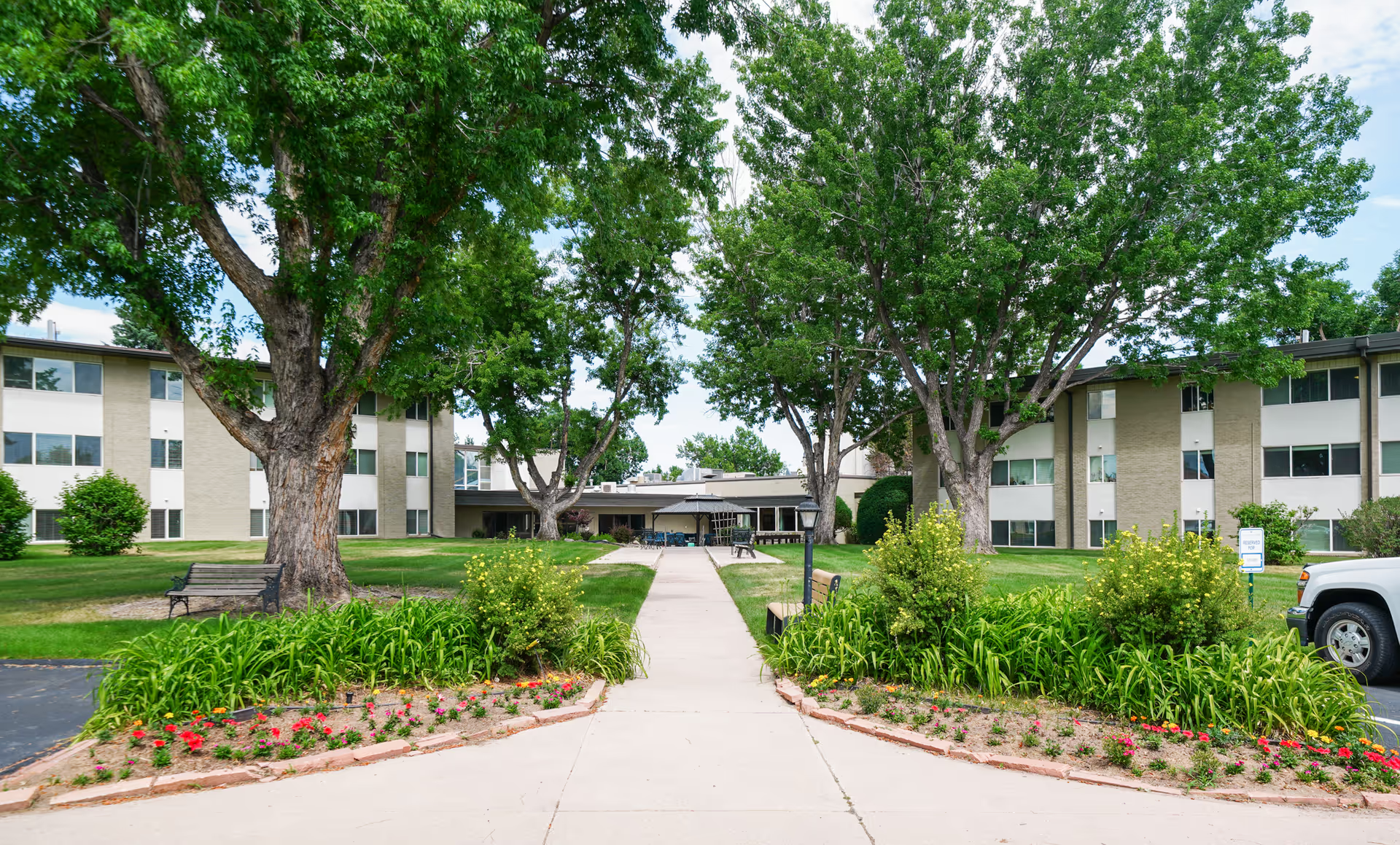
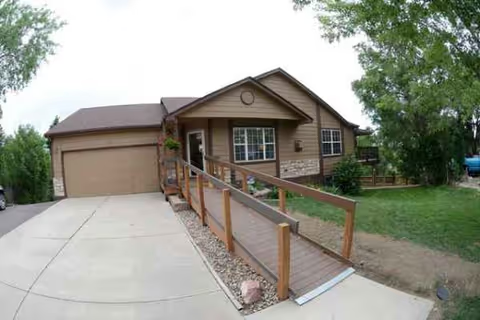
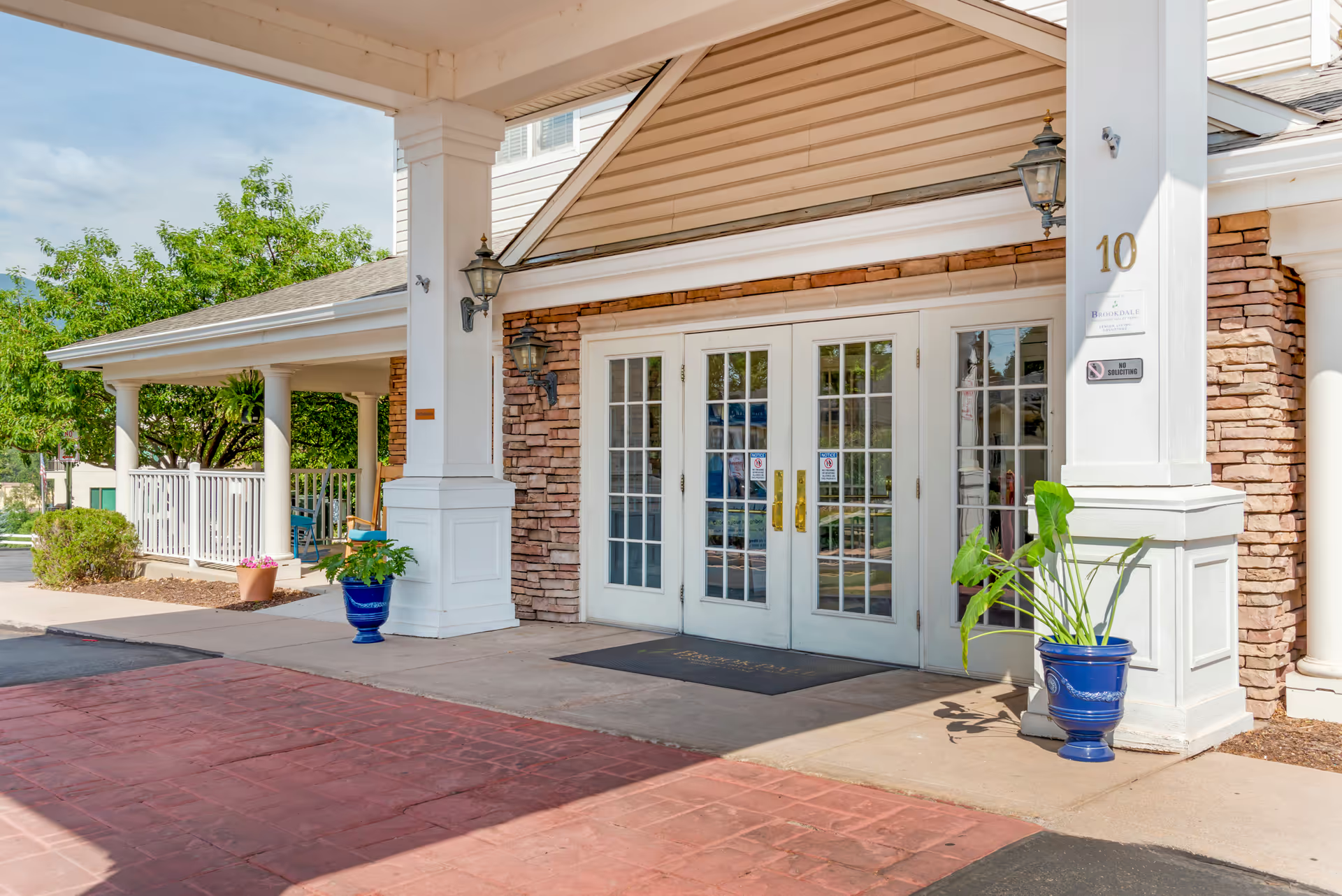
Dining and activities: The facility’s environment and activities received positive notes: a home-like interior, pet therapy, garden and gazebo access, and a fenced outdoor area were highlighted as meaningful quality-of-life features. Meal service was described as adequate by multiple families, with some residents regaining appetite. That said, there were also references to inconsistency in meal quality and service continuity, so families may wish to sample meals and ask about menu rotation and special-diet accommodations.
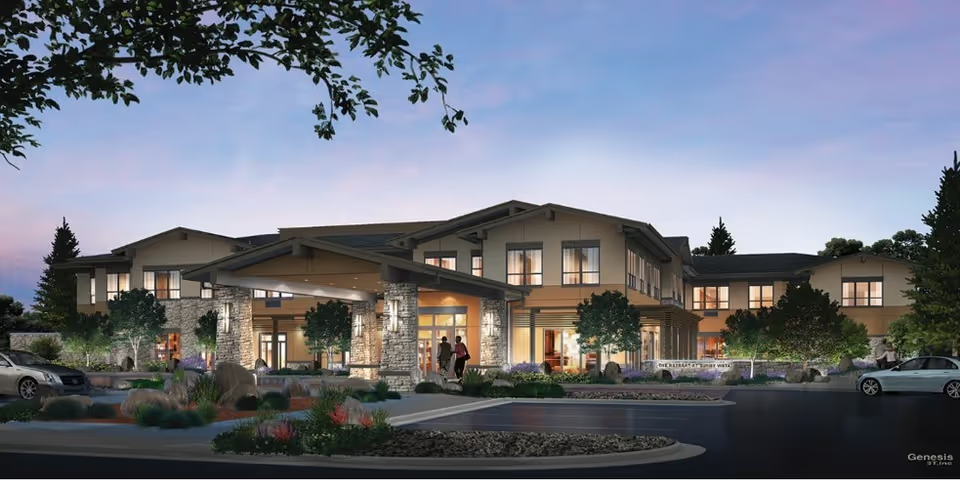
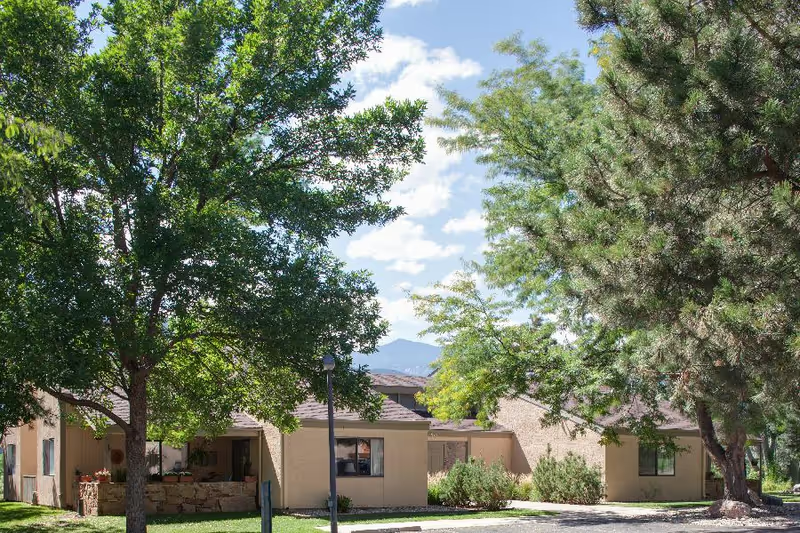
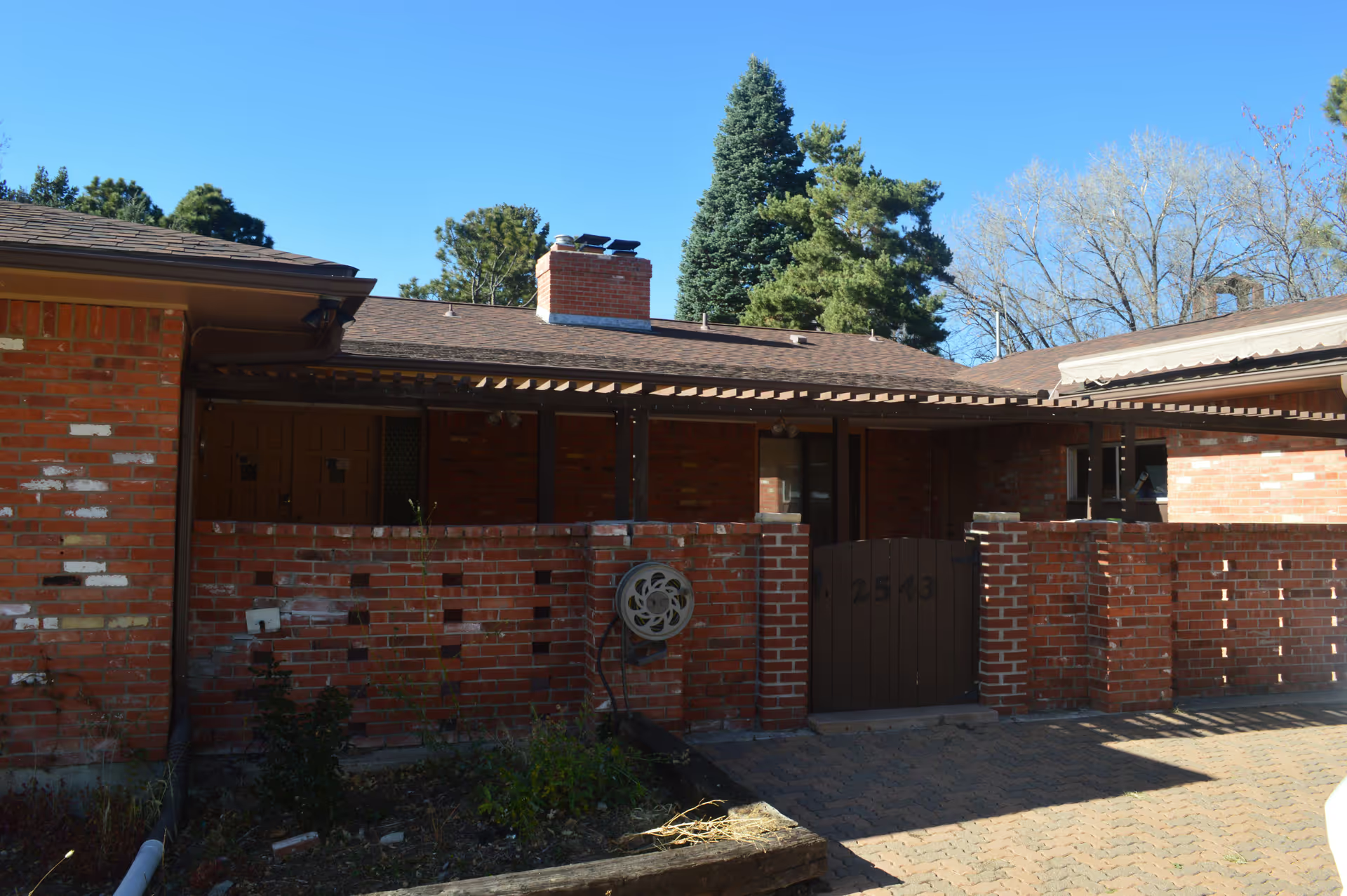
Facilities and safety: The site includes a secured dementia unit and controlled-exit features, plus outdoor space designed for safe access. These elements support a secure setting for residents with memory impairment. Reviewers also described the facility as somewhat dated in decor and furnishings, which could be a consideration depending on preferences for modern finishes. Given the safety-related concerns raised by a subset of families, ask administrators about incident reporting, supervision ratios, and how safety issues are escalated and resolved.
Notable patterns and recommendations: Strengths cluster around personal warmth, family communication, social programming, and a secure, home-like memory-care environment. Recurring operational concerns center on professionalism and boundaries, clinical oversight for higher-acuity needs, paperwork timeliness, and some variability in meal and rehab services. For families considering this facility, recommended due diligence includes: confirming current staffing levels and training credentials, reviewing medication-management and restraint/sedation policies, asking for examples of rehabilitation plans and their outcomes, inspecting living areas for maintenance or updates, sampling meals, and clarifying admission timelines and complaint resolution procedures. These targeted questions can help determine whether the facility’s strengths align with an individual resident’s clinical and social needs.