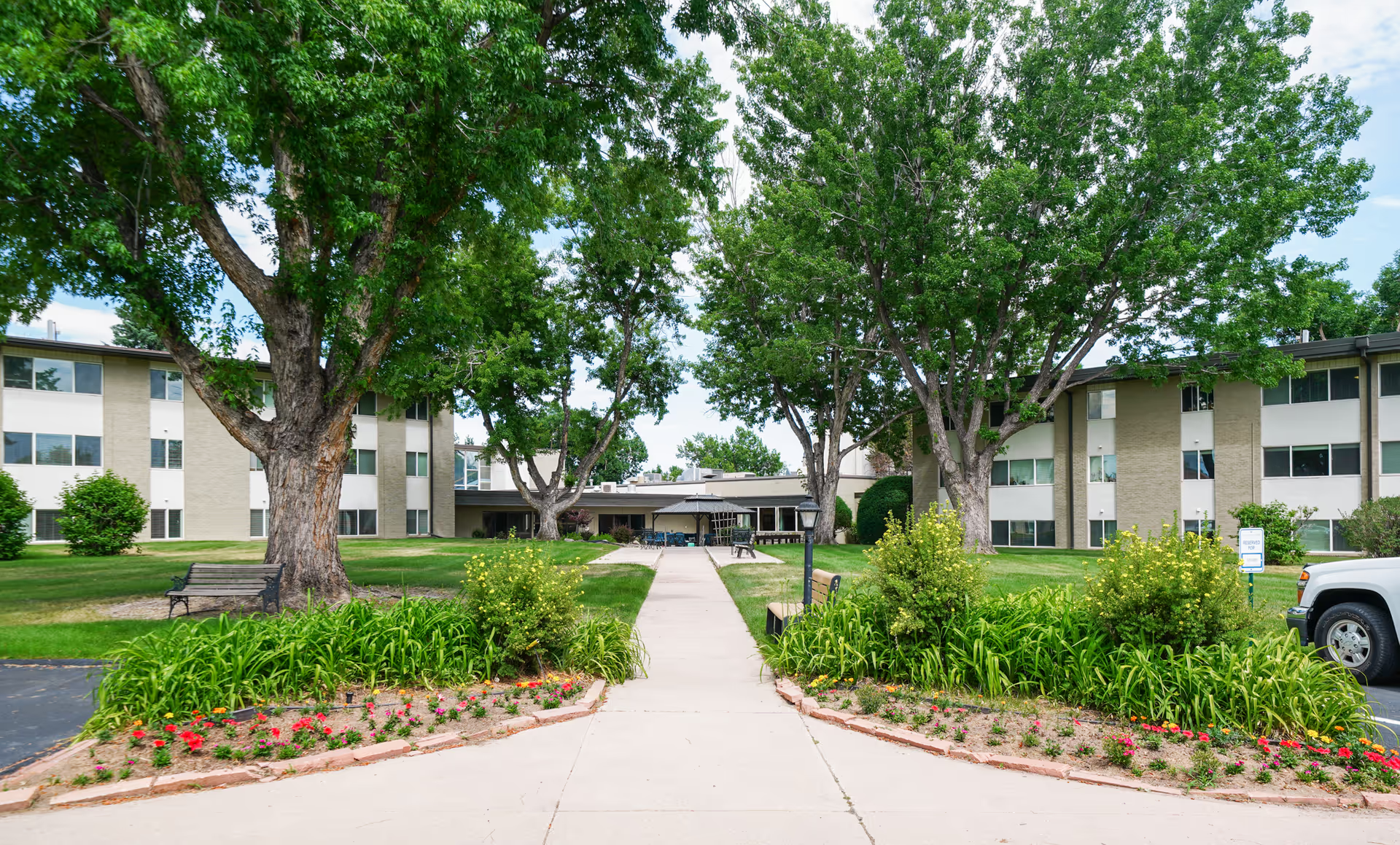
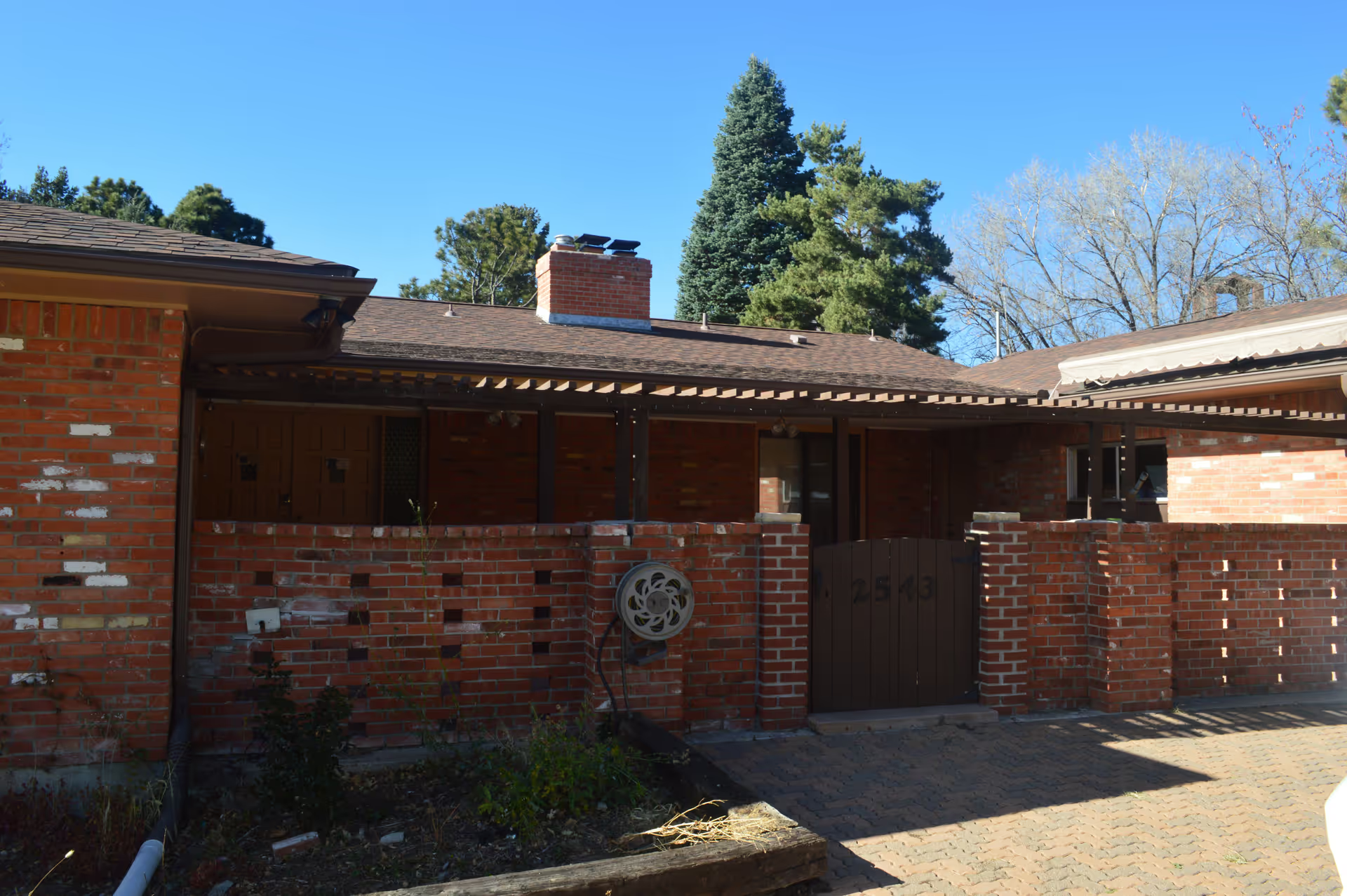
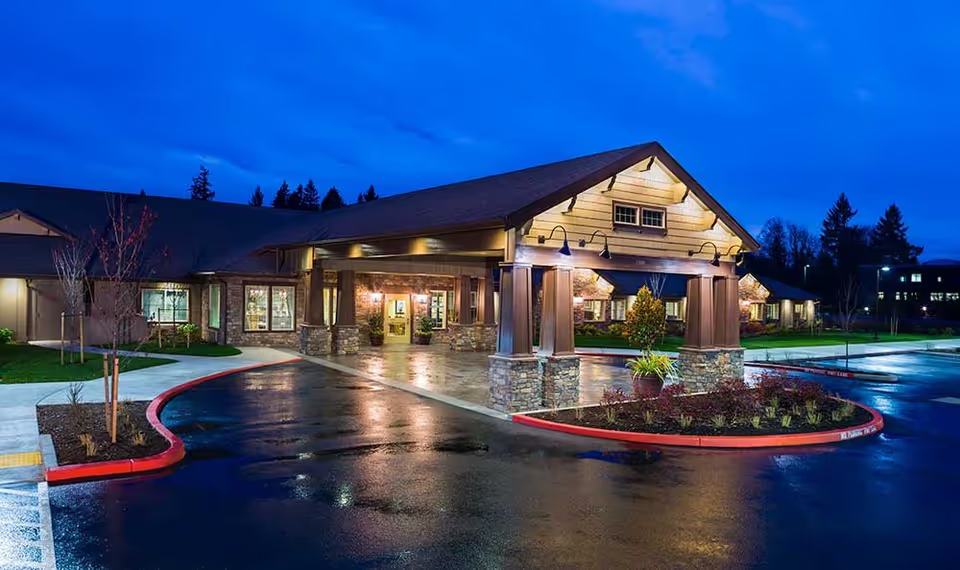
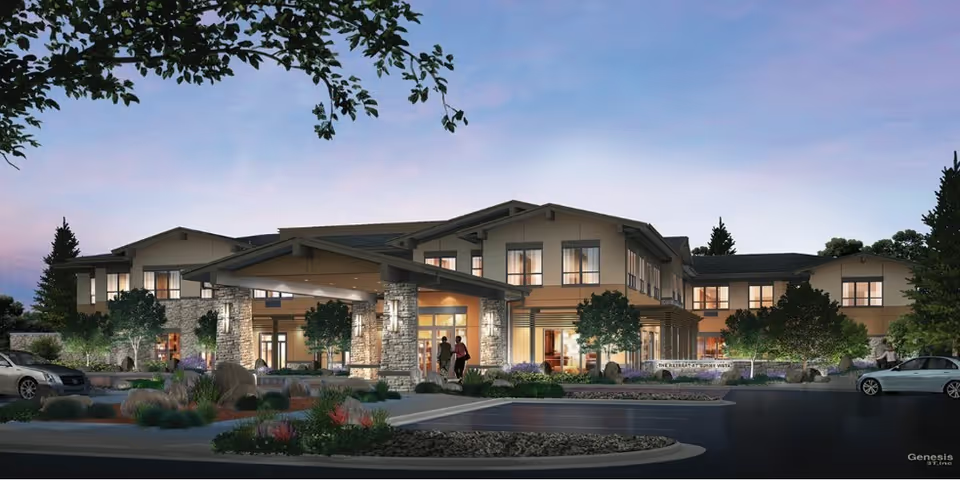
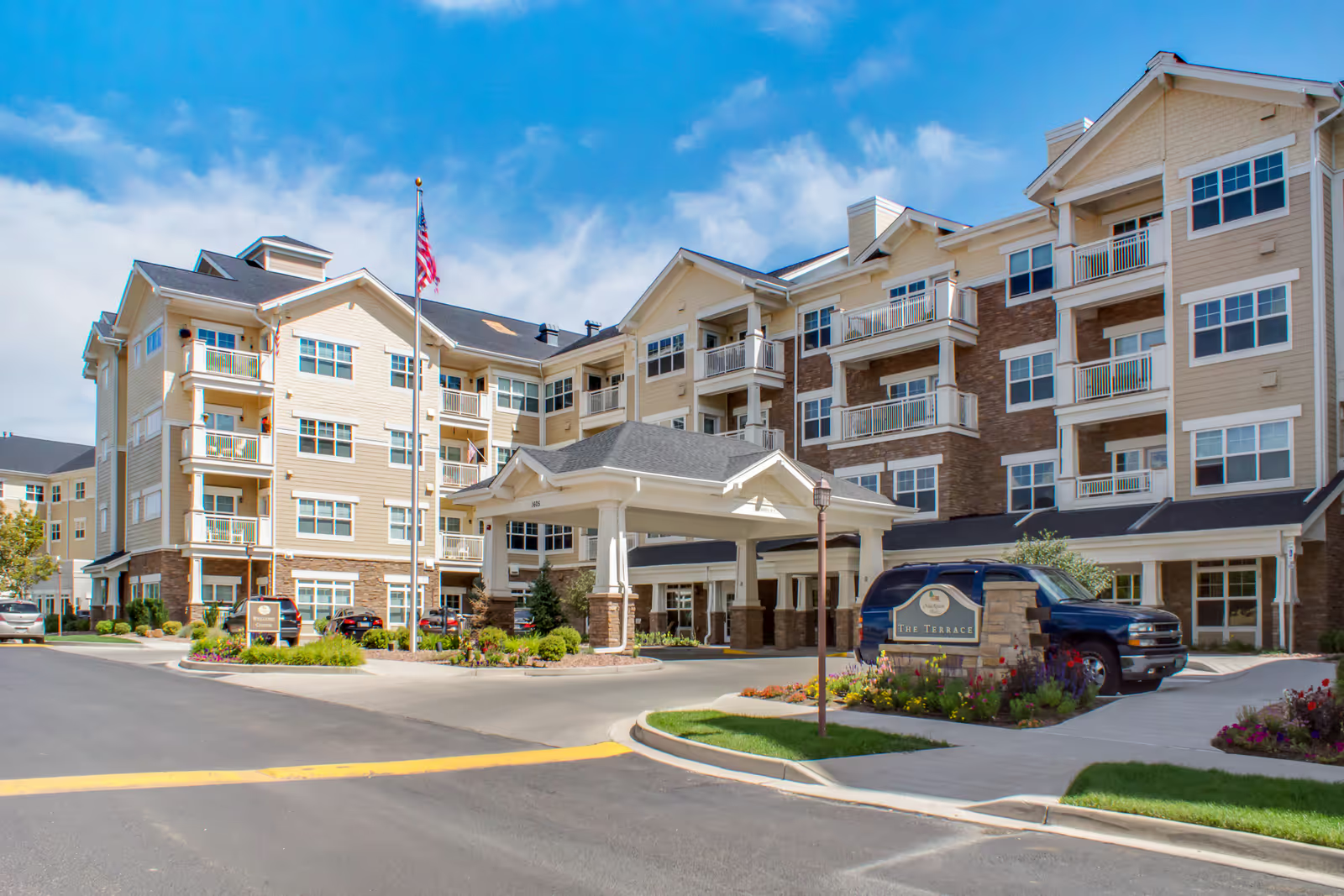
Life Quality Homes I Oakridge House elicits a mixed set of impressions. Positive feedback highlights a warm, home-like environment with staff who are frequently described as compassionate and attentive. Many families praised the activity program and craft offerings, and several reviewers indicated satisfaction with the dining menu and food variety. Cleanliness and a welcoming community atmosphere were also emphasized by those with favorable experiences.
Care quality appears uneven across accounts. On the positive side, reviewers who were satisfied described attentive day-to-day care. Conversely, other accounts point to operational gaps that affect care continuity—most notably delays in medication ordering/administration and instances where scheduled meals or services were not delivered as expected. There are also indications that the facility may not consistently meet the needs of residents with higher acuity requirements.
Staff performance and morale show a similar split. Numerous comments praise individual caregivers and frontline staff for their dedication and interpersonal skill. At the same time, reviewers referenced low employee morale and a perception that staff feel underappreciated, which can correlate with retention concerns. Administrative staffing is described as uneven: some administrators received positive mention for responsiveness, while others were associated with inconsistent or unclear administrative practices.
Dining and activities are often cited as strengths when they are executed as planned. The menu variety and meal quality were satisfactory to many families, and organized activities and craft programs contributed to resident engagement. However, recurring operational issues—such as missed meal service or activities that are scheduled but not consistently carried out—undermine those positive elements for some families.
Facility presentation and management raise additional considerations. Several reviewers characterized tours as highly staged, creating a discrepancy between the tour experience and routine operations. Combined with concerns about transparency and perceived value for cost, these patterns suggest prospective residents and families should verify operational practices beyond a formal tour. Cleanliness and upkeep were generally viewed positively, but the facility's suitability for residents with greater care needs was questioned by some reviewers.
Notable patterns: experiences appear polarized—some families are very satisfied, while others identify persistent operational issues in medication management, meal continuity, activity reliability, and leadership consistency. Prospective residents and families may wish to observe meal and activity times, ask specific questions about medication-ordering processes and staff turnover, and clarify the facility's ability to support higher-acuity needs before making a placement decision.