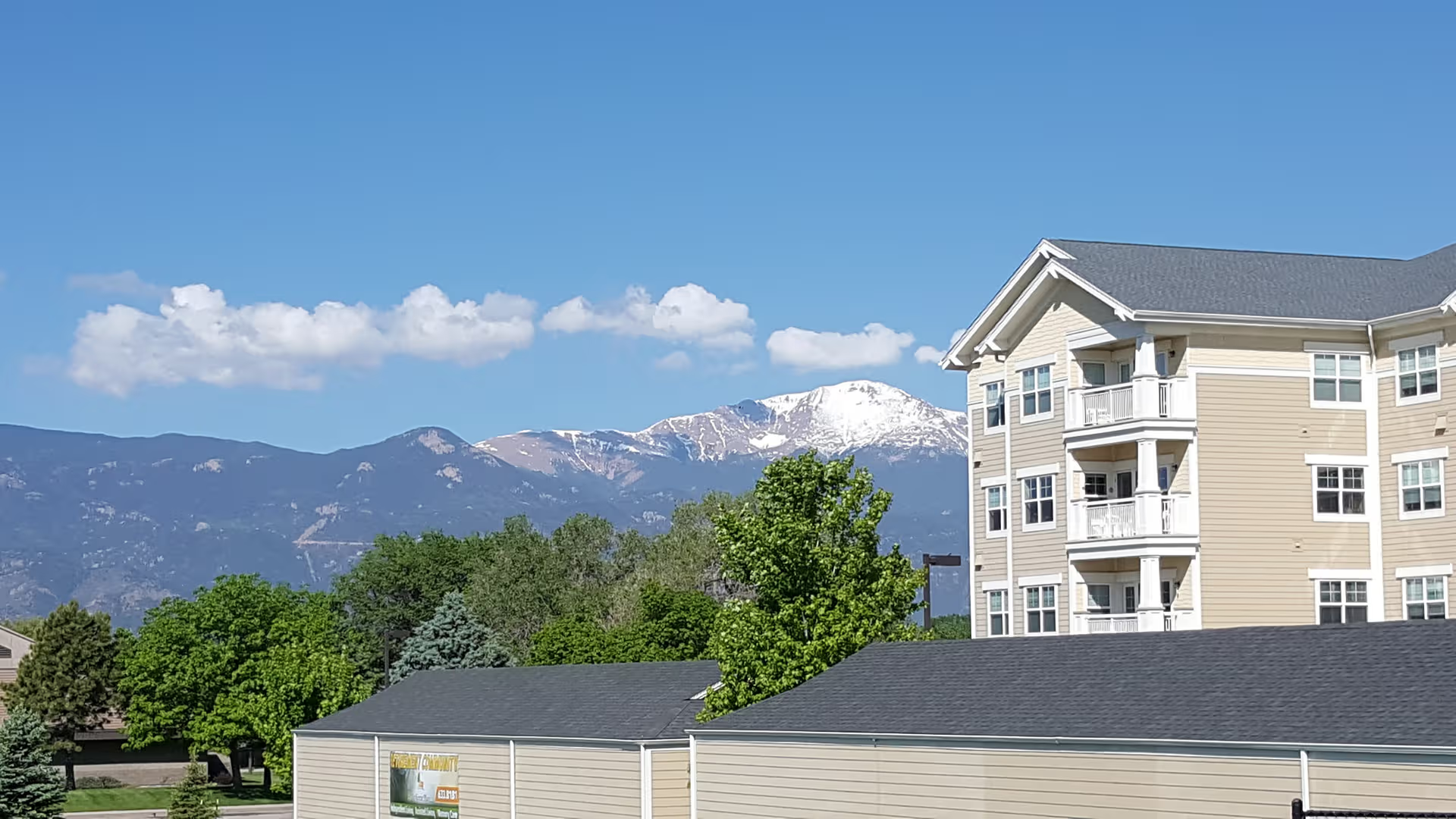
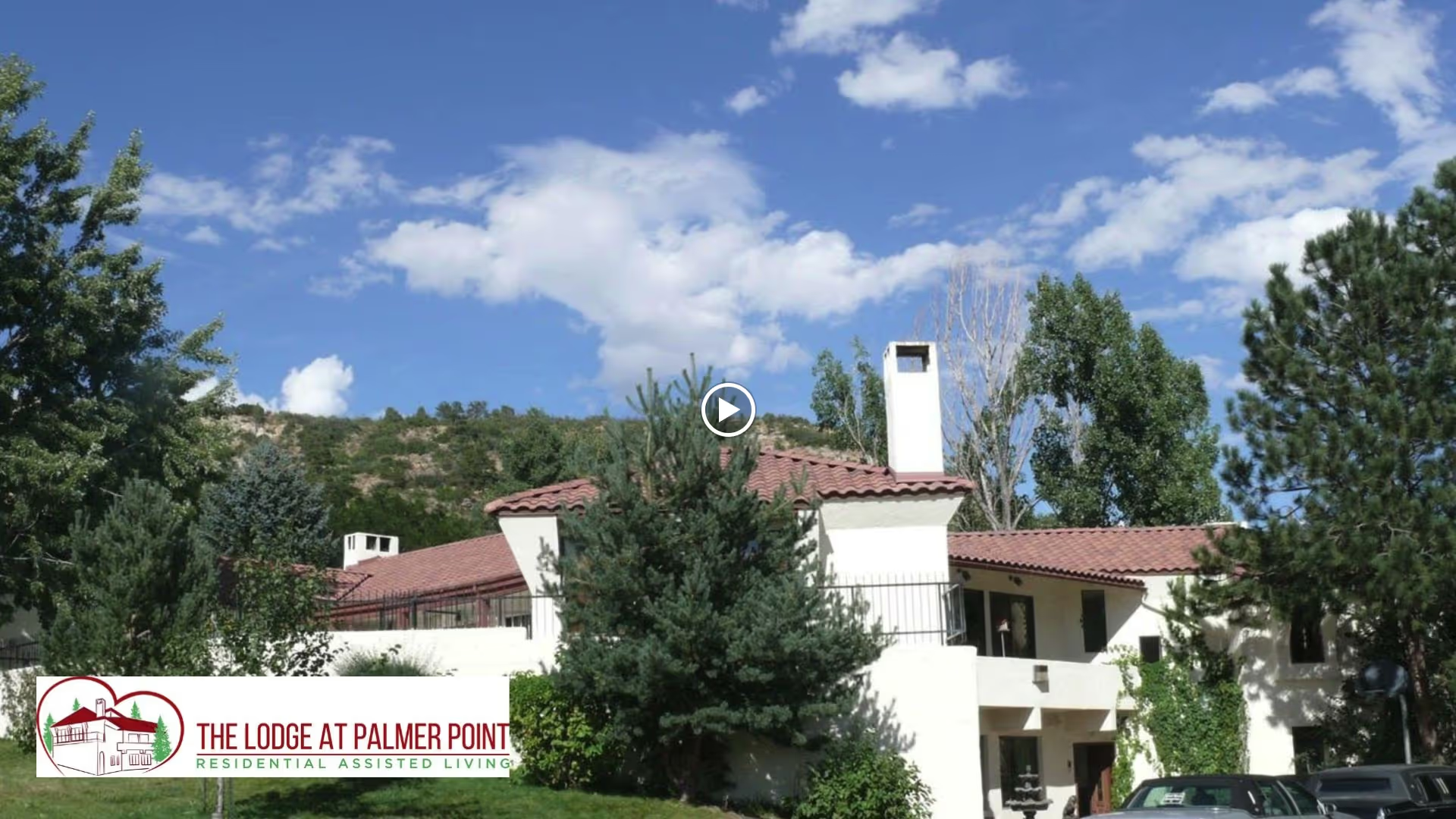
Mount St Francis Nursing Center is consistently described as an attractive, serene facility with well-maintained grounds and a convent-like setting. Many families highlight clean private rooms, a strong sense of community among residents, and thorough personal-care services (including grooming and regular attention to appearance). Rehabilitation and physical-therapy services receive positive mentions, and the facility provides 24/7 nursing coverage and accepts Medicaid. For many families the environment, attentive end-of-life care, and helpful admissions staff contribute to a sense of peace of mind.
Care quality and staffing present a mixed picture. Numerous accounts praise compassionate, respectful CNAs and nurses who provide attentive, family‑oriented care; however, others describe inconsistent staffing levels that have led to delayed assistance, missed feeding help, and the need for frequent family monitoring. There are also serious concerns about medication oversight: at least one allegation points to medication-management failure with significant consequences. Taken together, these items suggest variability in clinical oversight and care coordination that prospective families should clarify during intake.
Dining and activities likewise show divergence. Several reviewers compliment generous, well-prepared meals and adequate meal portions, while other accounts indicate interruptions to meal service and insufficient assistance for some residents. Activities include typical recreational offerings (bingo, communal events), but daytime programming for residents with dementia is described as limited or unstimulating in some observations. Rehabilitation and therapy services are frequently highlighted as strong points for short-term or restorative stays.
Facility condition and management feedback are mixed. The property, veranda, and many interior areas are described as peaceful and clean, yet there are sanitation concerns noted in some shared bathrooms and mentions of aging infrastructure in portions of the building. Administrative experiences vary: some families praise helpful admissions coordinators and regular care meetings, whereas others report poor responsiveness, front-desk miscommunication, cancelled tours, and perceived lapses in professional conduct. These management and communication patterns appear to correlate with the uneven care experiences described across units.
Notable patterns are polarization and variability: many families describe excellent, attentive care that improved quality of life, while others recount operational weaknesses that affected safety, communication, and daily living. For prospective residents and families, recommended due diligence includes touring the specific unit under consideration, observing staffing and meal service during peak times, asking about medication‑management protocols and staffing ratios, reviewing cleaning and bathroom maintenance practices, and verifying payer/financial arrangements. These steps can help clarify whether the facility’s strengths align with a prospective resident’s clinical and psychosocial needs.