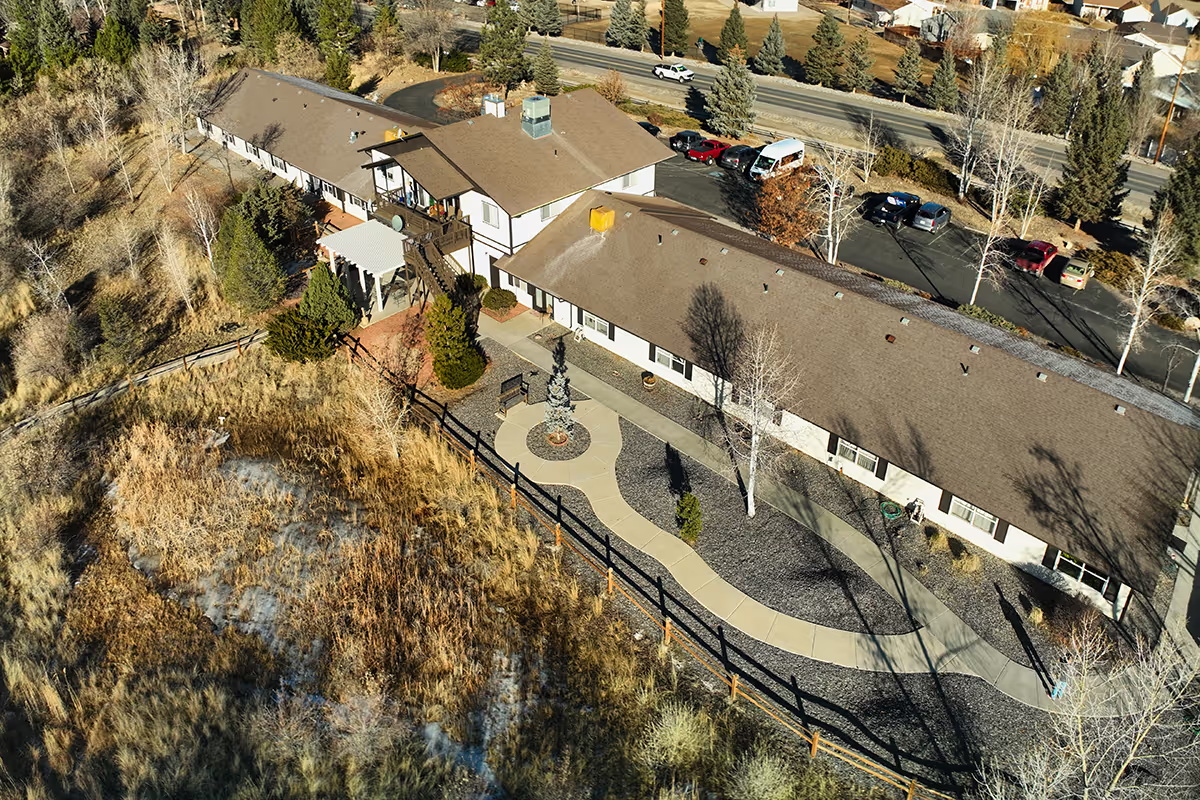
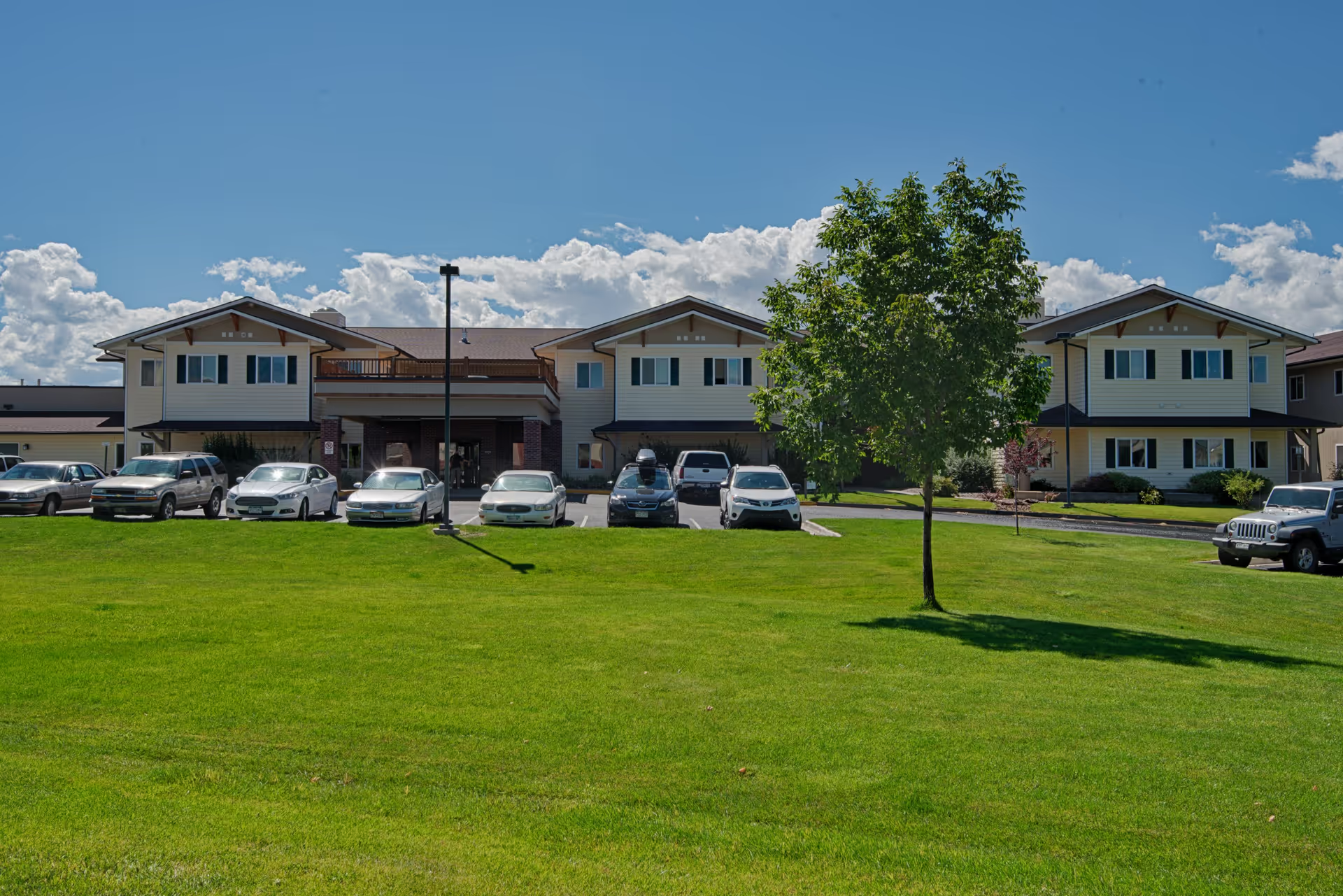
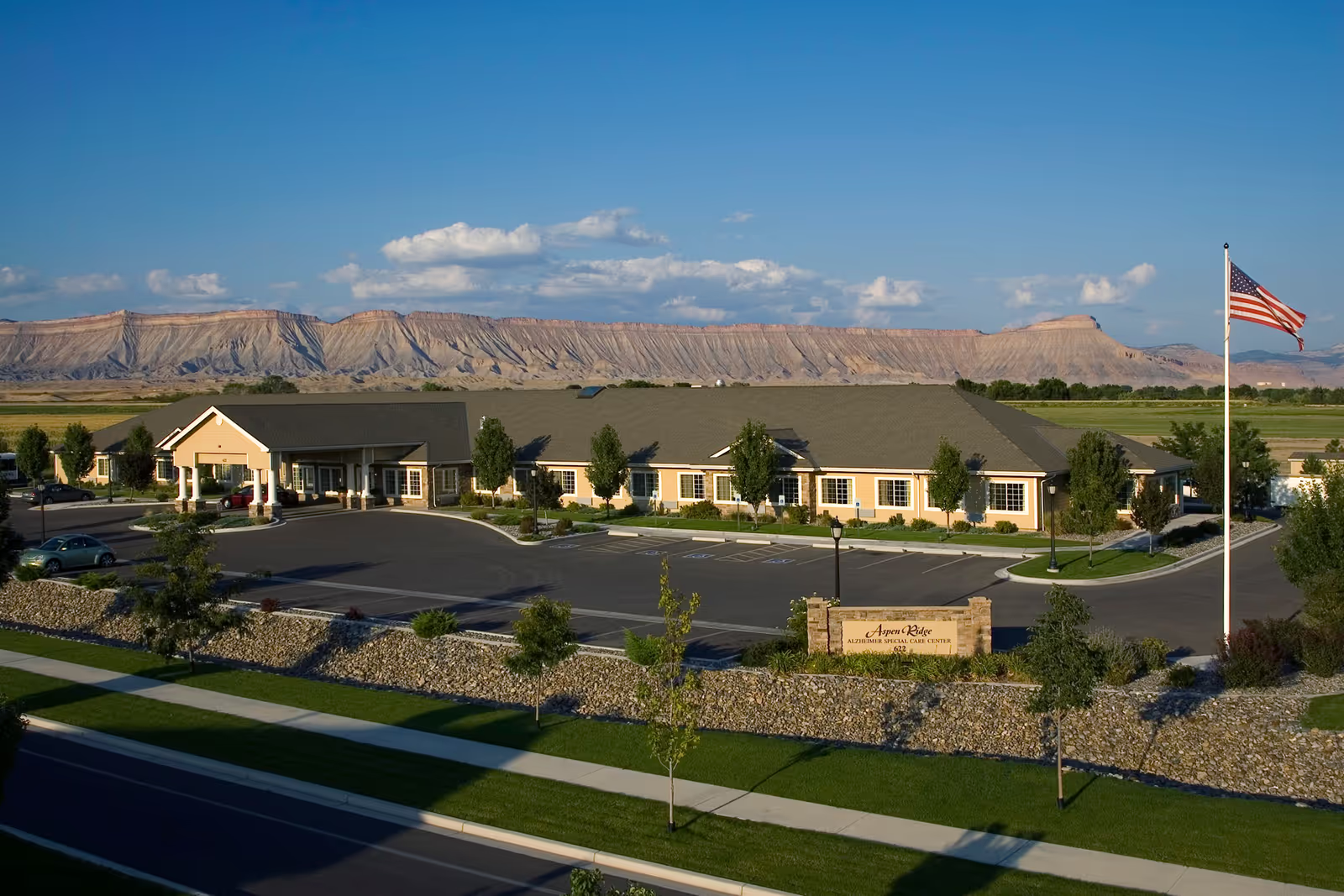
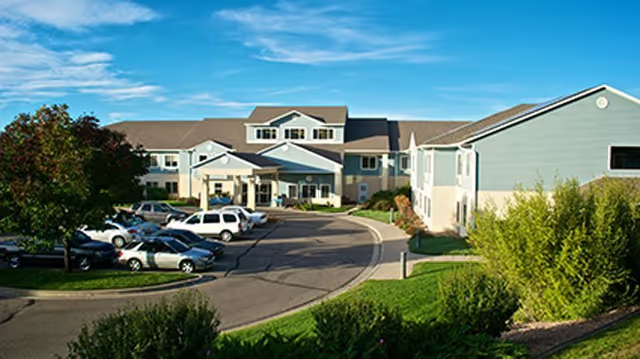
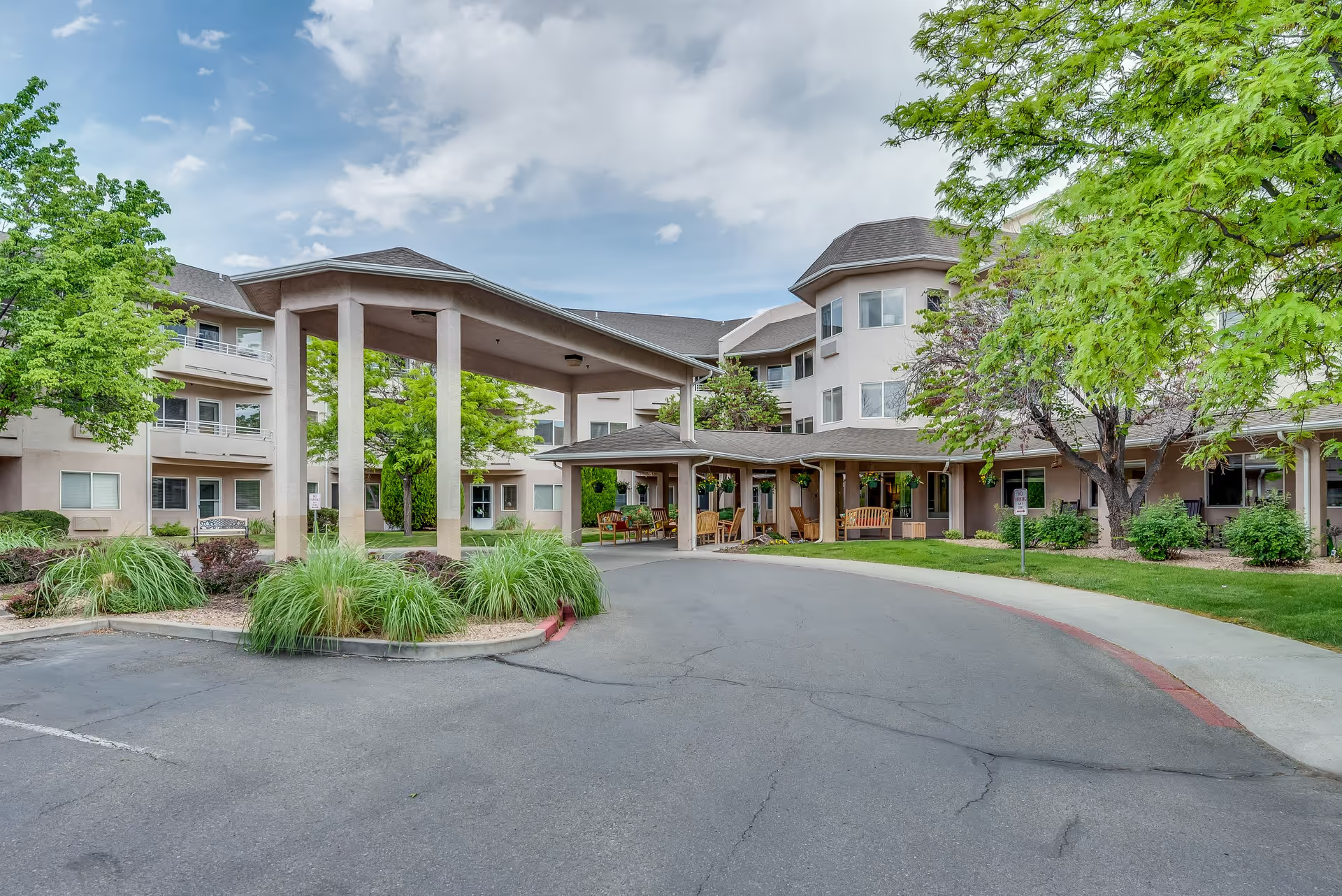
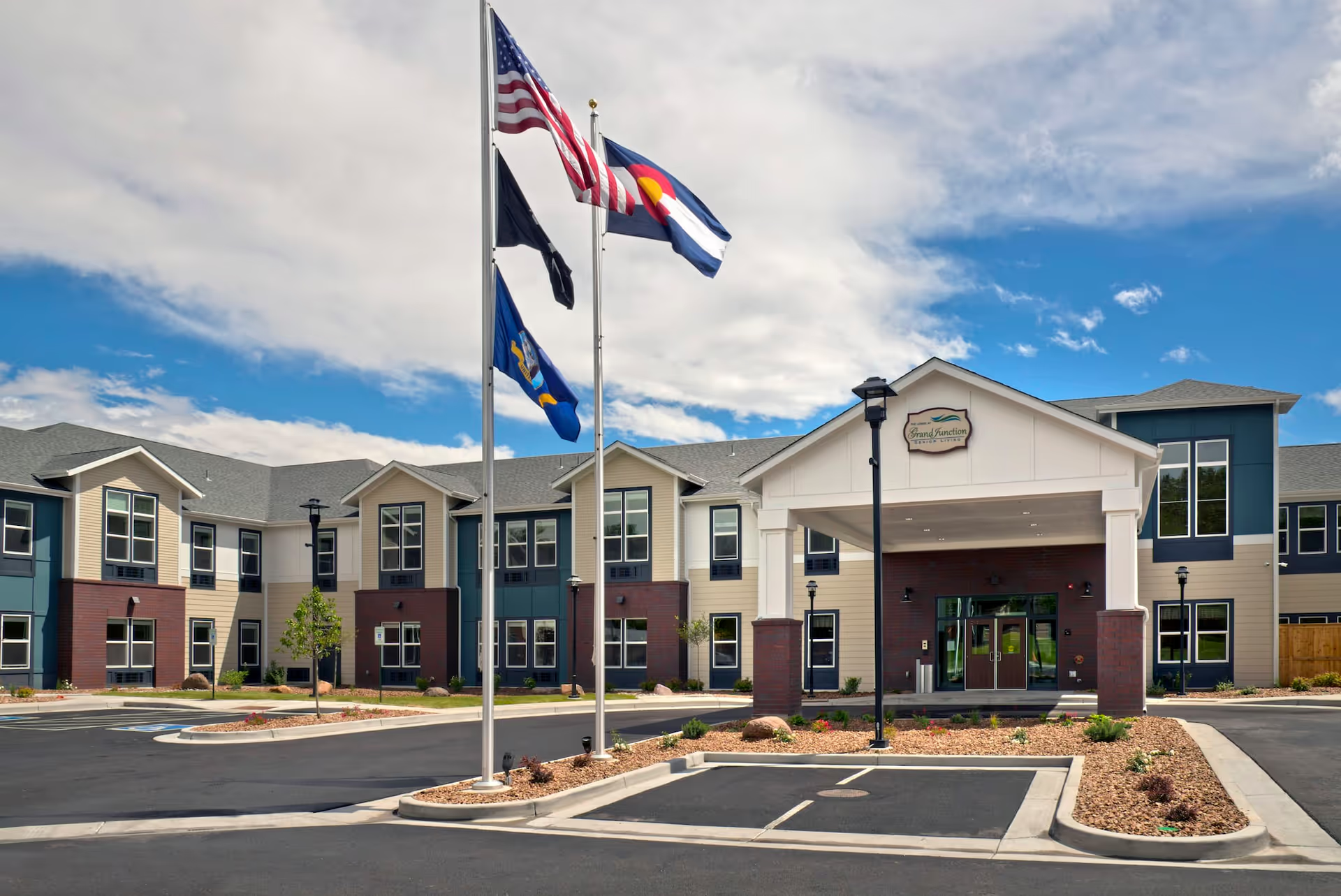
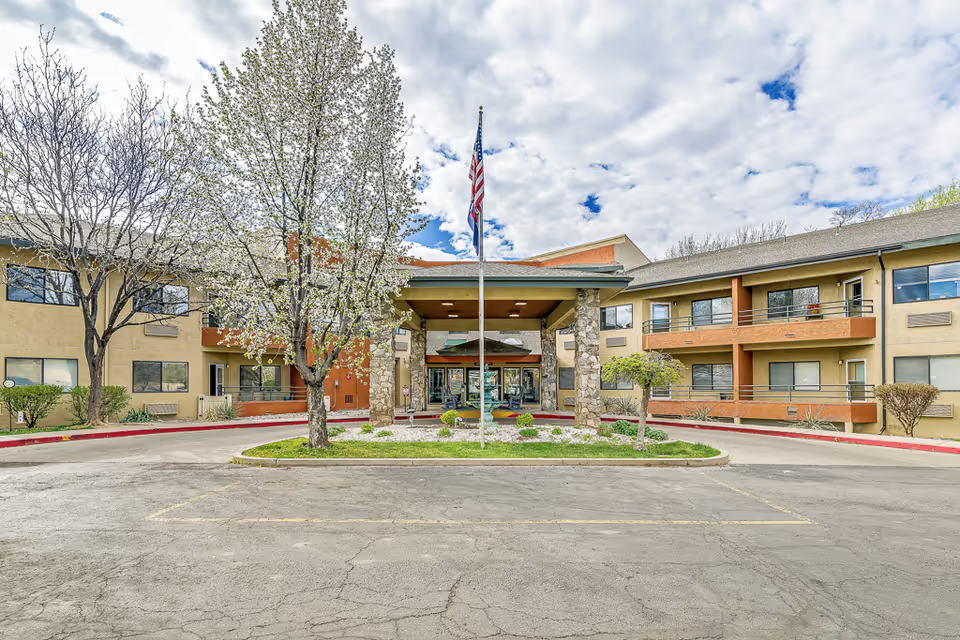
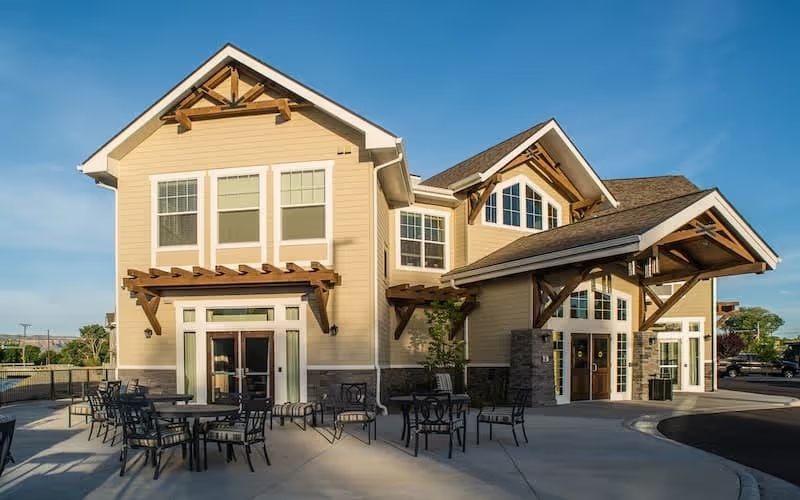
Crossroads at Delta presents as a newer, well-kept senior living community with several consistent strengths. The physical environment is frequently described as clean and spotless, with well-maintained grounds, a bright courtyard and large windows, spacious hallways, and a mix of private apartments and cottages. The facility's memory-care areas are noted for personalization and a homelike atmosphere. Proximity to a hospital and on-site conveniences (transportation to local stores, weekly housekeeping) are additional practical advantages for families evaluating placement.
Care and staffing attract predominantly positive commentary: many families describe staff as compassionate, professional, and attentive, with frequent text/photo updates that provide peace of mind. Reviewers emphasize individualized attention in memory care and active, caring interactions that help residents adapt. That said, there are operational concerns that prospective families should investigate. Several comments point to inconsistent staffing levels and specific medication-handling problems; these reflect potential gaps in clinical operations rather than the overall tenor of interpersonal care. Families should ask for current staffing ratios, medication-administration protocols, and examples of how clinical inventory and medication reconciliation are managed.
Dining and amenities are commonly highlighted as strengths. The community offers three meals per day plus snacks, with multiple notes about high-quality food, holiday and special-occasion menus, and an upscale dining feel. At the same time, some families raised issues around billing and meal-credit practices; clarity about how meal charges are handled and what constitutes deductions would be advisable before committing. Programming-wise, the community runs activities, walks, and outings and has a TV room and other common areas; however, a number of comments request a broader or more varied activity schedule, indicating that programming may be inconsistent in variety or frequency.
Management and community climate show mixed feedback. Many families express gratitude for responsiveness and caregiving, and several describe residents thriving in the environment. Conversely, there are notes about a secured-unit feel that some find restrictive and about community dynamics that can be tense at times. Cost is mentioned repeatedly as relatively high; prospective residents should weigh the facility's amenities and level of service against pricing and clarify what is included in fees. Finally, communication experiences vary: while many families praise timely updates, a subset reports difficulty with dispute resolution or inconsistent responsiveness.
Overall, Crossroads at Delta appears to offer a clean, modern living environment with strong interpersonal caregiving, quality dining, and effective memory-care personalization. Prospective residents and families should schedule an in-person visit, review clinical and medication-management procedures, request recent staffing metrics, ask for a sample activity calendar, and obtain written details on billing and meal-credit policies. Those steps will help determine whether the facility’s strengths align with a prospective resident’s priorities and whether the operational concerns are being actively managed by leadership.