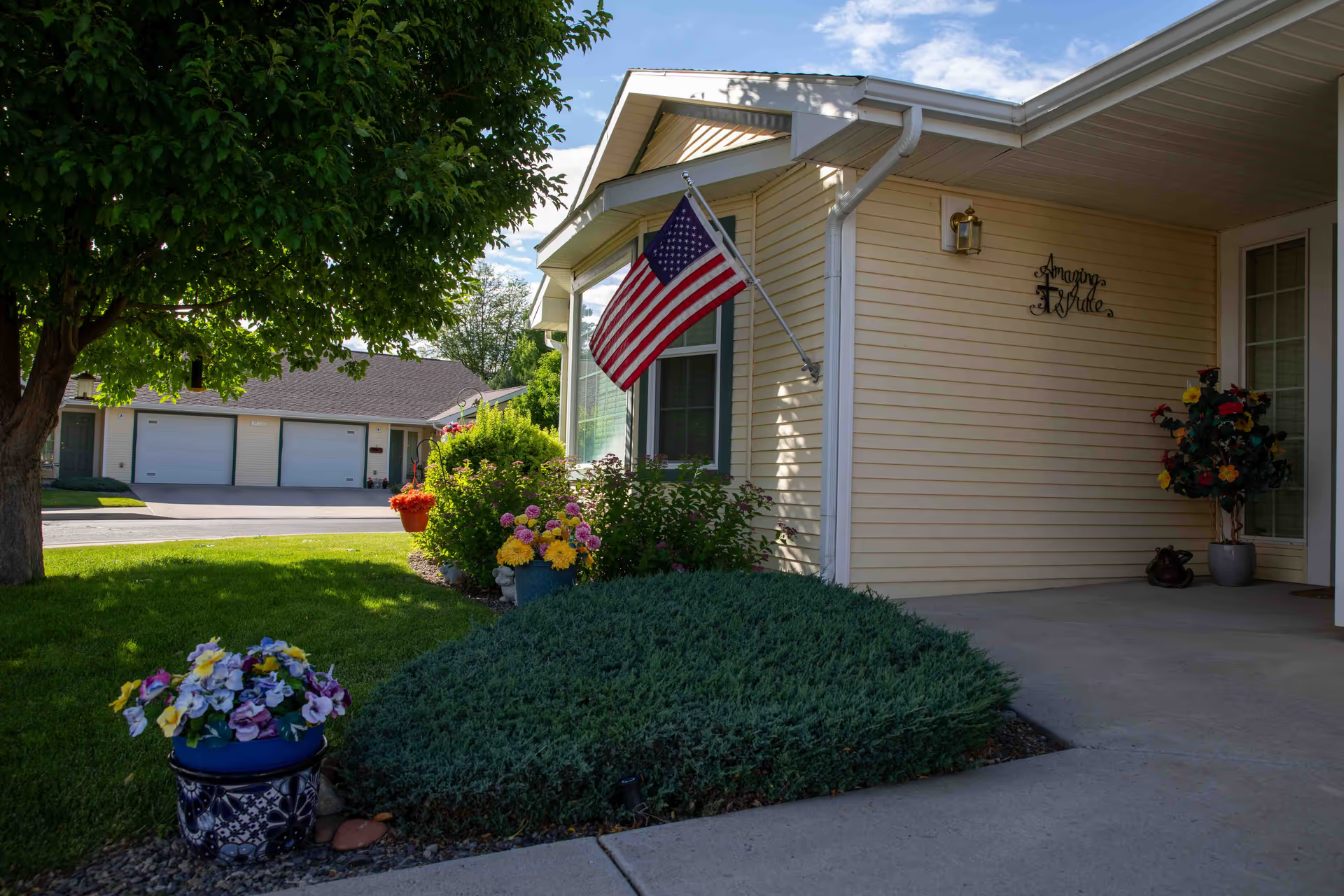
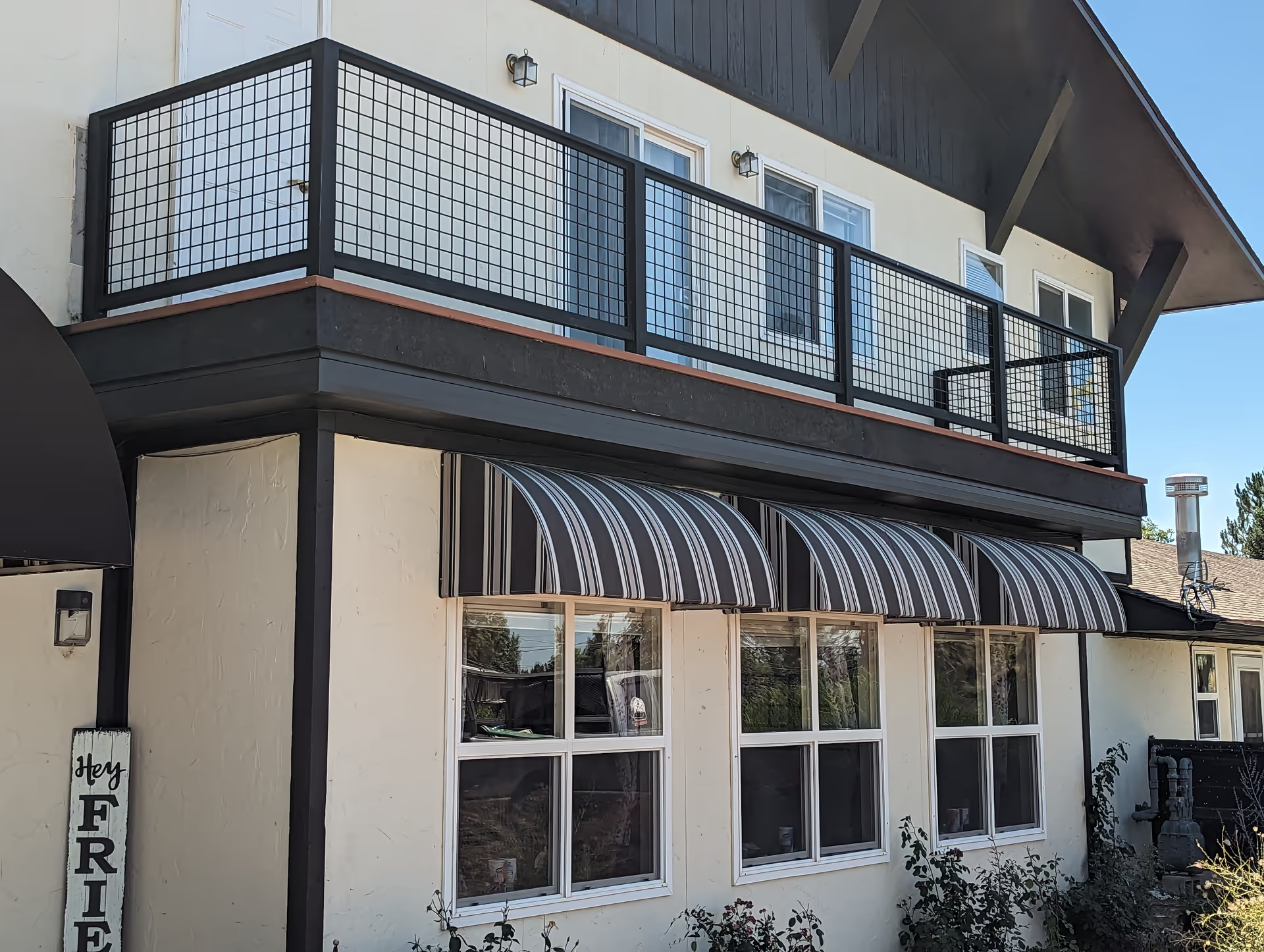
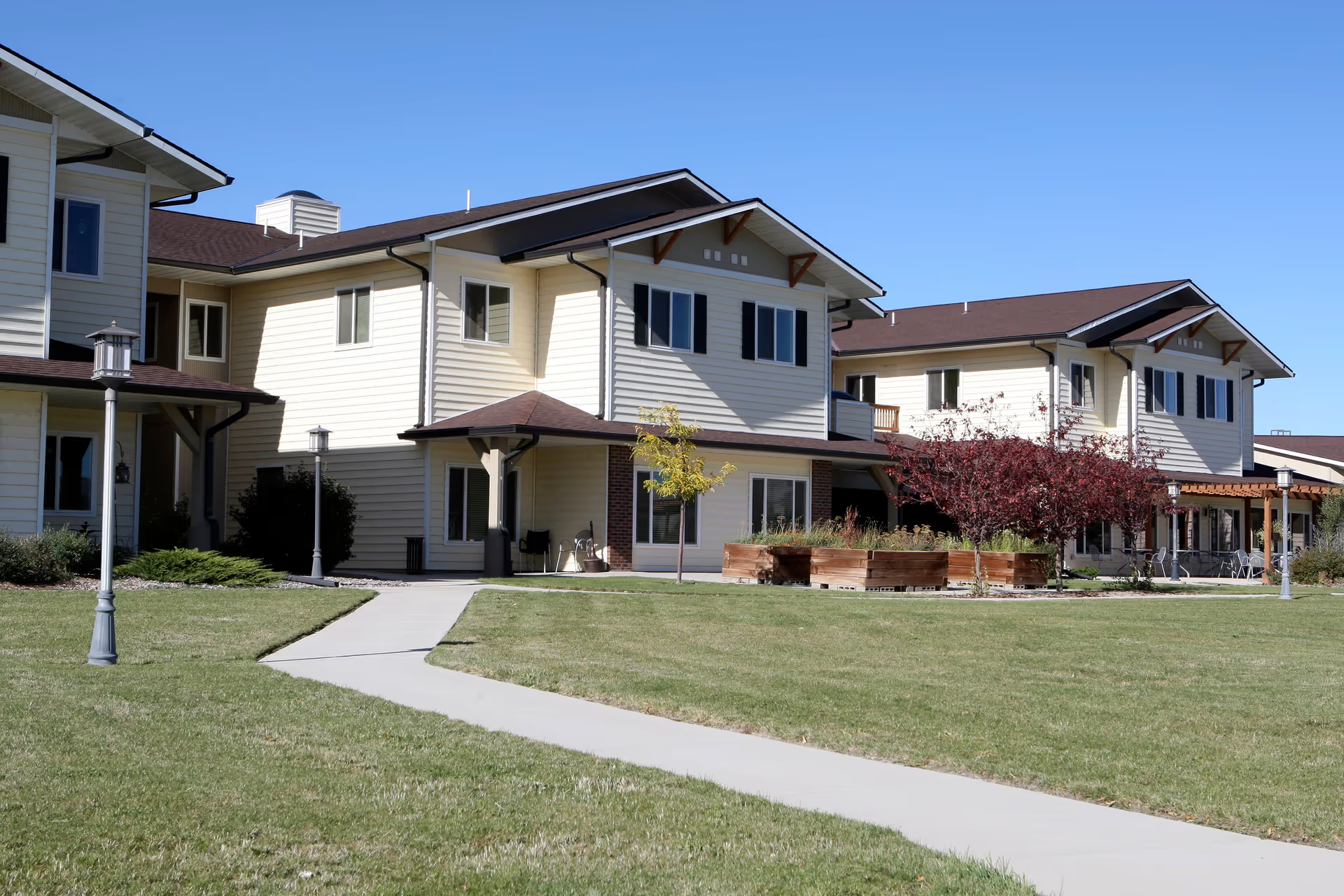
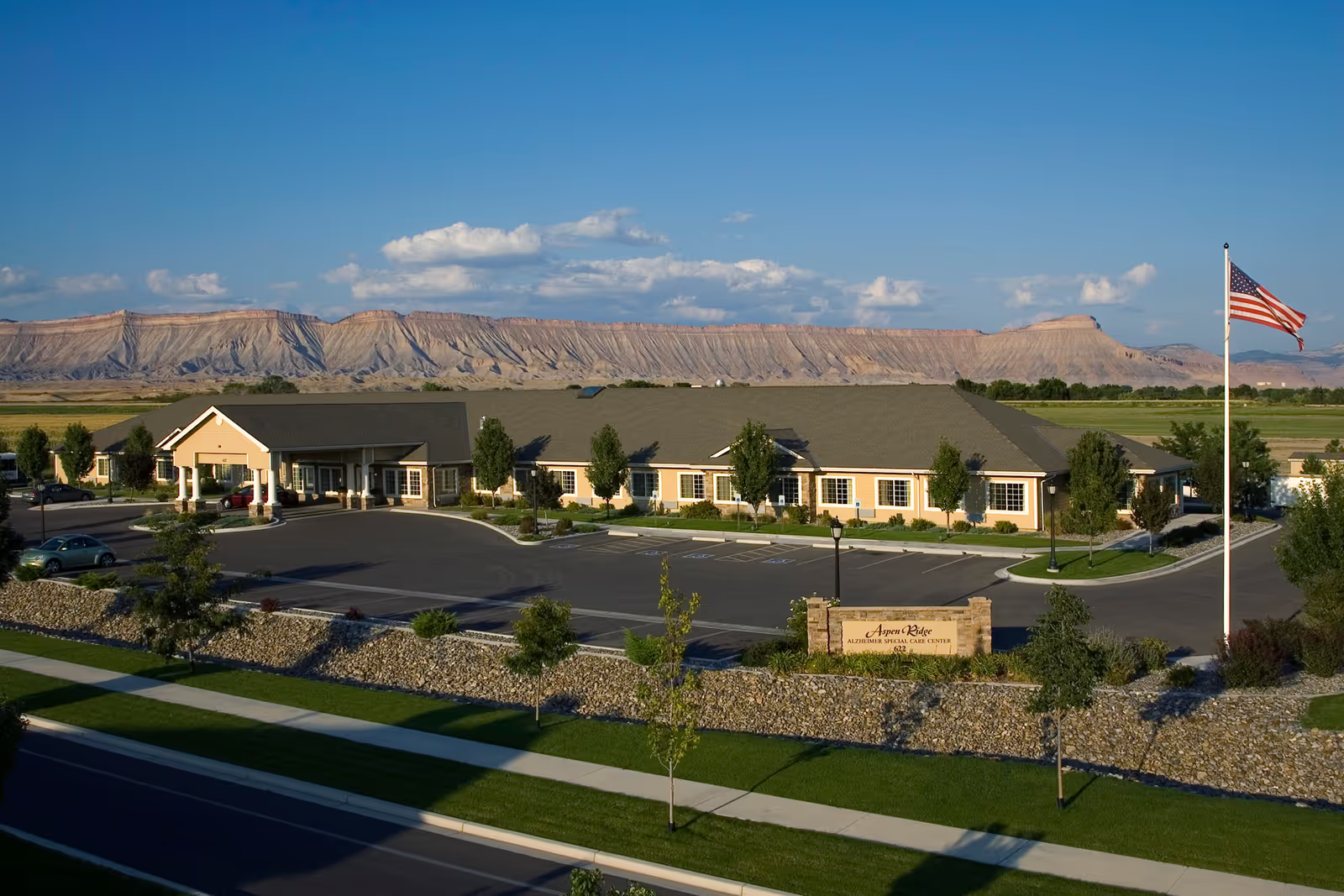
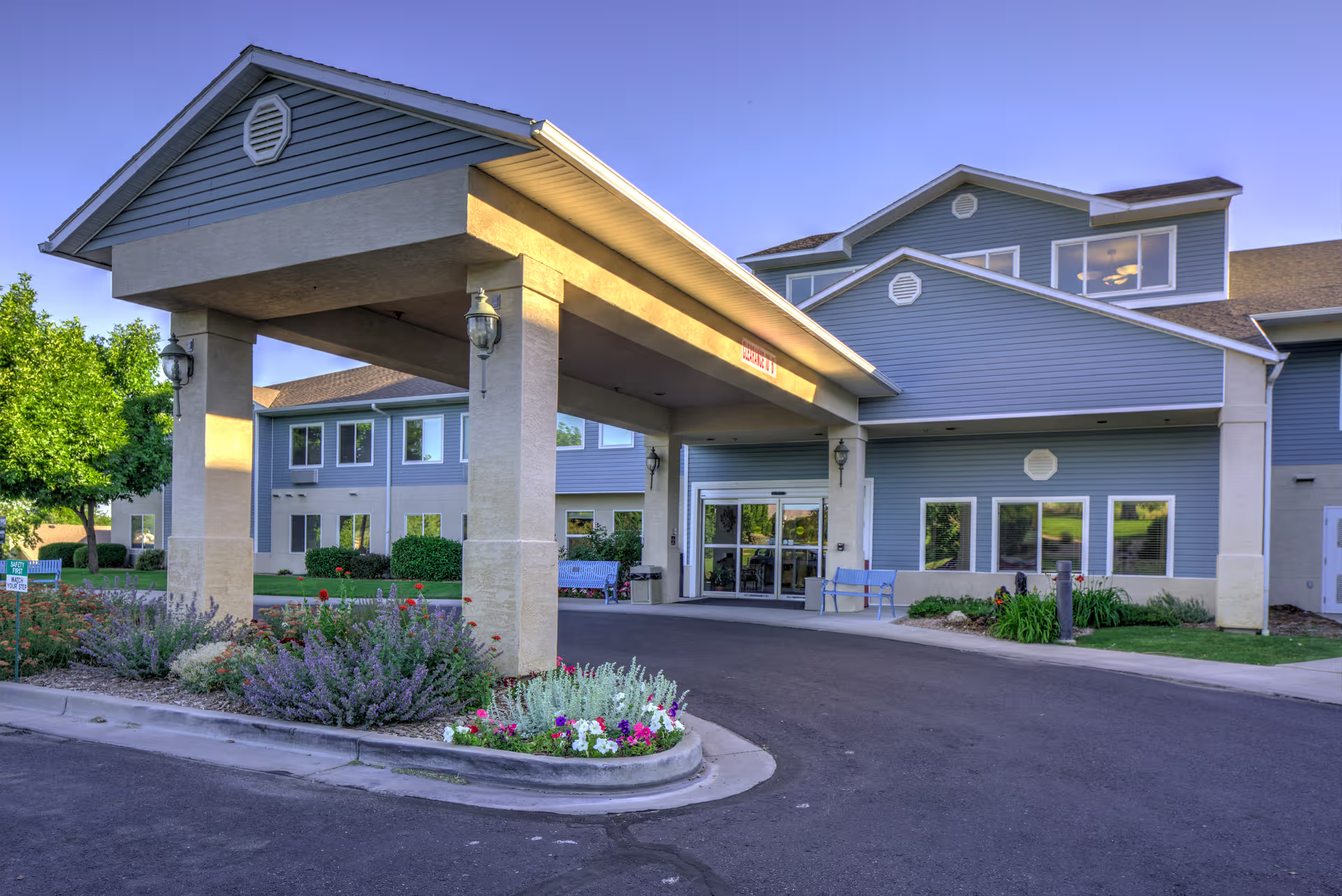
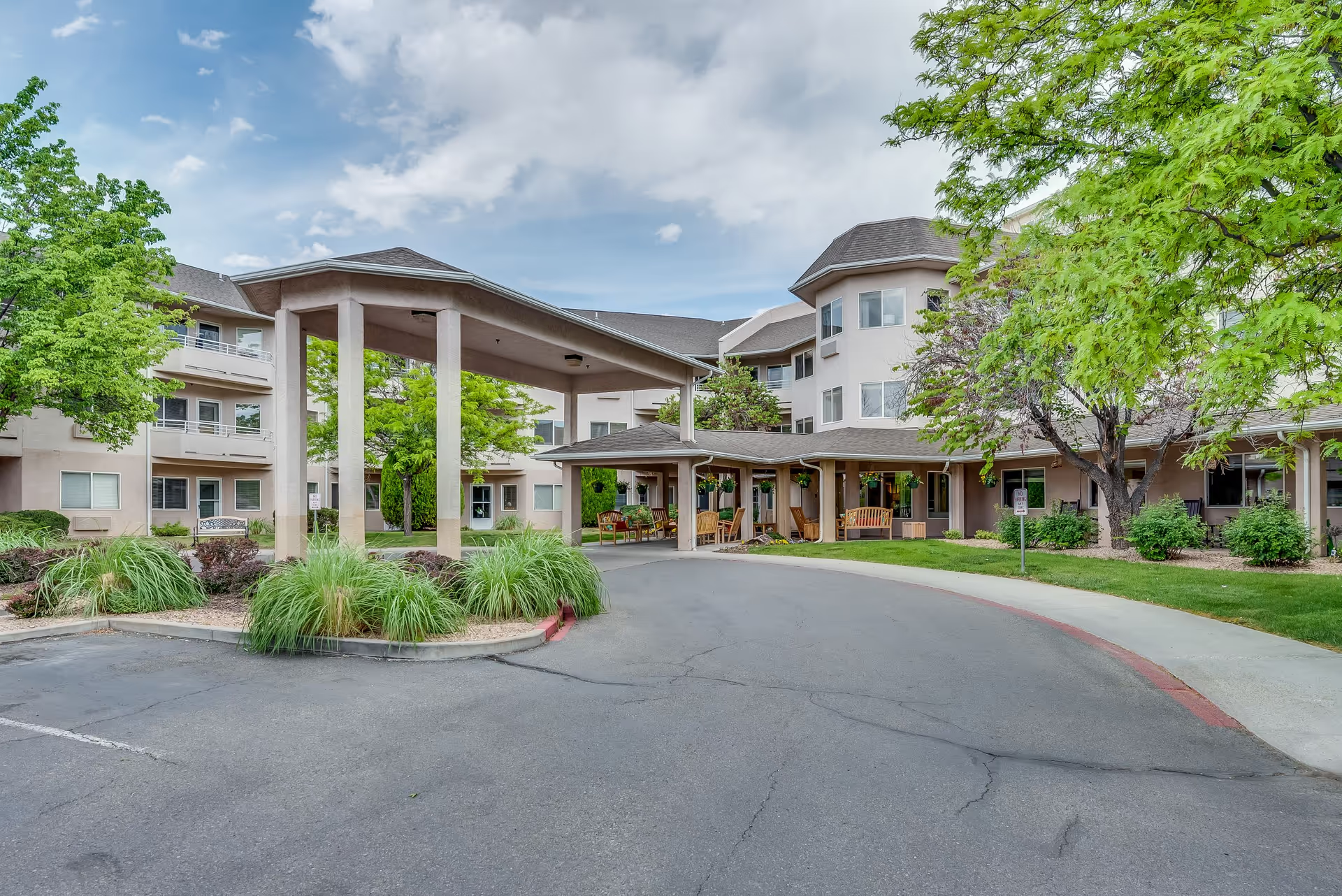
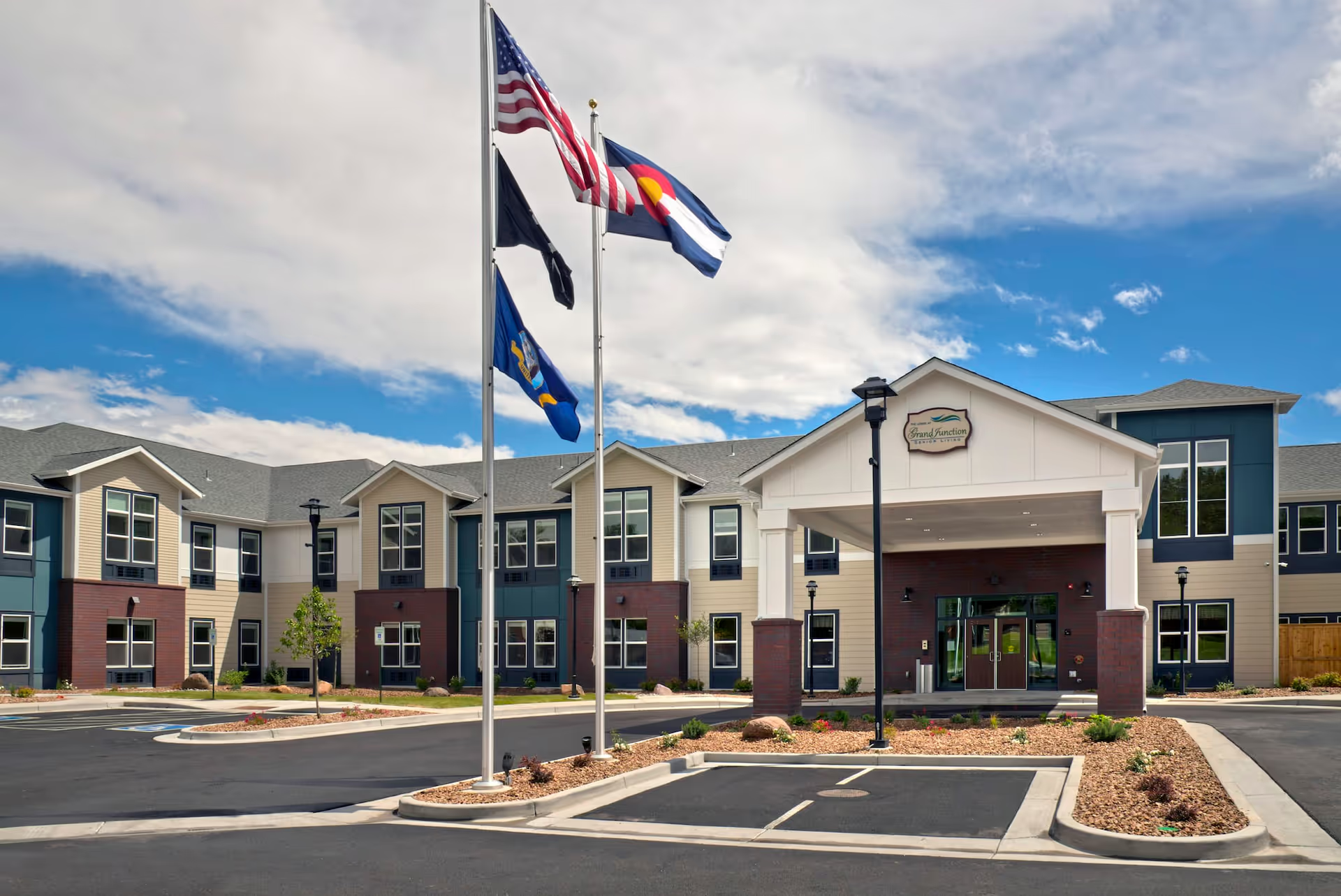
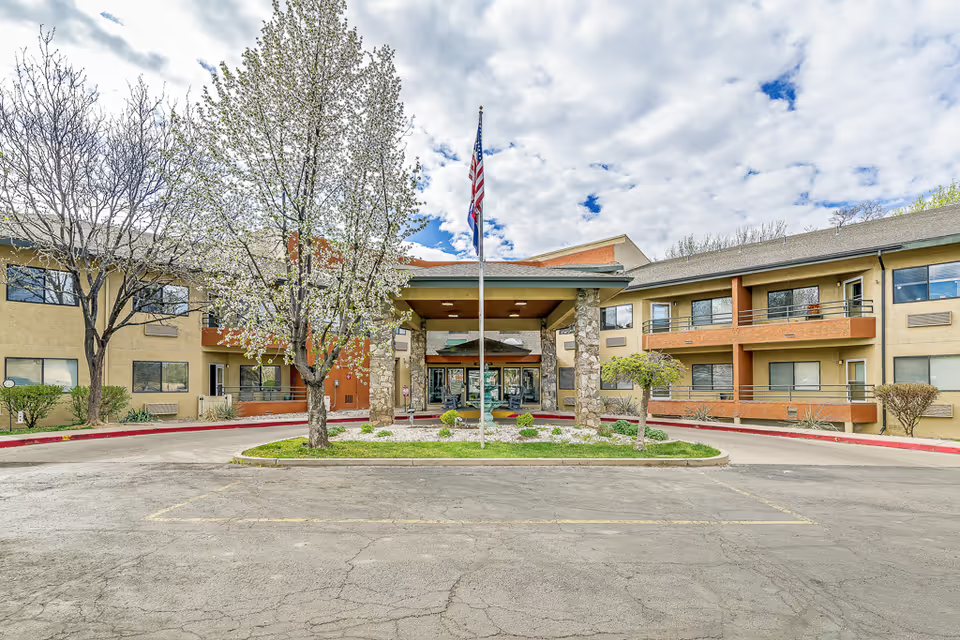
Reviewer feedback for Willow Tree Care Center is markedly mixed, with a clear divide between praise for direct-care staff and criticism of administrative and operational practices. Many families and residents describe compassionate, engaged CNAs and nurses who provide personalized, family-style care; several comments single out effective social-work advocacy and individual staff members who go above and beyond. These positive accounts often emphasize a welcoming, homelike atmosphere, improved cleanliness and decor following recent upgrades, and suitability for short-term rehabilitation for some residents.
At the same time, systemic operational weaknesses recur across the feedback. Administrative responsiveness and family communication are frequently characterized as poor: voicemail and phone calls unanswered, difficulty reaching managers, and limited frequency of care-plan meetings. Staffing instability—including understaffing and turnover—is a consistent theme and is linked to variability in care continuity and resident oversight. Reviewers also describe maintenance and sanitation inconsistencies (for example, recurring plumbing problems and cleanliness issues in some common areas) and specific pest-control concerns in resident rooms. While some units are described as clean and well organized after renovations, others reflect lingering facility maintenance needs.
Dining and therapy services show variability. Meals are typically served in a cafeteria-style format; many reviewers called food edible but bland, while others described good meals and positive dining experiences. Rehabilitation and therapy availability are uneven: a number of families praised supportive rehab services, but others described minimal or nonexistent physical-therapy offerings. These inconsistencies contribute to unpredictable outcomes for residents admitted for short-term rehab.
Financial, policy, and regulatory issues are additional areas of concern. Families reported problems with insurance documentation, billing discrepancies, and extended appeals for noncoverage. Changes to room occupancy and pricing without clear communication created frustration for some residents. A few reviews referenced serious operational disruptions, including temporary shutdowns or regulatory attention; a small number of reviewers raised concerns following a resident's death and described initial lapses that were later addressed by the care team.
Overall, Willow Tree demonstrates strengths in direct caregiving and in efforts to create a homelike environment, especially where recent upgrades and stable direct-care teams are present. However, administrative leadership, communication, staffing stability, maintenance, and consistent therapy and dining quality are notable weaknesses that families should evaluate when considering the facility. Prospective residents and their families may wish to verify current staffing levels, recent inspection or survey results, the status of ongoing renovations and pest-control measures, therapy availability, and the facility's policies on room occupancy and billing before making placement decisions.