Overall impression: Reviews for Forest Street Compassionate Care Center are mixed. Many comments highlight strong clinical resources—particularly a newly remodeled pulmonary unit with specialty-trained nurses, an on-site pulmonary rehabilitation program, and collaboration with pulmonology and respiratory teams—while a portion of feedback raises operational concerns related to safety, responsiveness, and cleanliness.
Care quality and clinical services: The facility's pulmonary capability is a clear strength. Multiple reviewers noted updated clinical infrastructure, licensed nurses with pulmonary training, and an organized respiratory-rehabilitation program that emphasizes strengthening and recovery. Infection-control measures and adaptations for COVID-19 were also described as proactive. At the same time, reviewers described variability in day-to-day clinical responsiveness: instances suggesting delays in assistance and concerns about fall-prevention practices point to uneven execution of safety protocols.
Staff and management: Staff receive mixed evaluations. Many reviewers praise compassionate, attentive caregiving staff and specific aides who provide hands-on, personalized attention; leadership from the director of nursing and administrator is frequently described as engaged and proactive. Conversely, there are consistent notes about inconsistent professionalism, lapses in communication tone, and poor responsiveness from some staff members and the front desk. These differences contribute to variable family experiences and perceived reliability of care.
Dining, activities, and resident life: Dining and recreational offerings are often cited positively. The dietary director and kitchen receive favorable remarks for food quality and attentiveness to resident preferences. The facility supports personal grooming services (hair and nails), small-group activities, and alternative visitation arrangements, which many families report as beneficial to resident morale and social engagement.
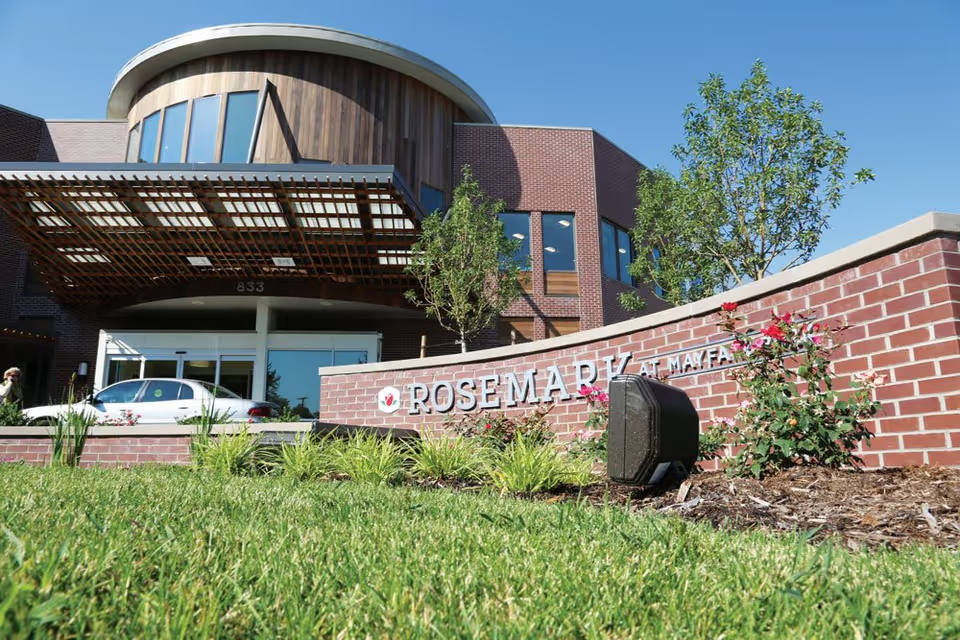
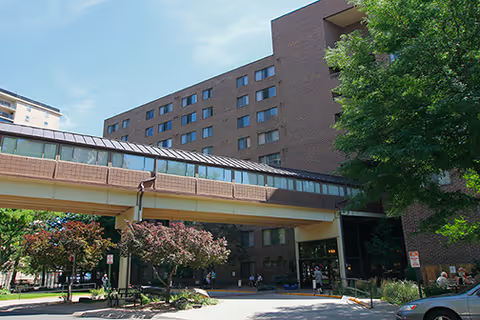
Facilities and sanitation: The physical environment is described as remodeled, comfortable, and welcoming in several accounts, with specific praise for updates to communal and clinical areas. However, some reviewers raised cleanliness and sanitation issues in parts of the facility and noted that adjustments to distancing and masking were implemented. Prospective families should balance the facility’s recent renovations and infection-control practices against reported sanitation concerns.
Notable patterns and considerations: The data show a pattern of pronounced strengths in pulmonary care, engaged leadership, and positive dining/activities, coupled with operational weaknesses that affect resident safety and family confidence—most notably inconsistent staff responsiveness (including the call/response system), meal and fluid assistance delays, fall-prevention gaps, and inconsistent front-desk communication. A small subset of reviewers raised serious safety concerns and recommended regulatory scrutiny.
Recommendation for families: Given the mixed signals, prospective residents and families should schedule an in-person visit that includes observing mealtimes, asking about call-button functionality and average response times, reviewing fall-prevention protocols and staffing ratios, inquiring about recent sanitation audits, and meeting nursing leadership. Speaking directly with the director of nursing about care plans and communication expectations can help clarify whether the facility’s clinical strengths are matched by reliable daily operations.