Overall impression Sunrise at Cherry Creek elicits a strongly mixed but coherent pattern: many families describe a welcoming, hotel-like community with a broadly effective care team and robust social programming, while others raise operational and managerial concerns that affect day-to-day reliability. Strengths consistently mentioned include compassionate direct-care staff, attractive apartment-style rooms and common areas, and a busy calendar of activities and outings that contribute to resident engagement and quality of life. At the same time, recurring operational themes — particularly around staffing stability, administrative communication, and some aspects of maintenance and service consistency — warrant attention from prospective residents and their families.
Care and clinical services Clinical care quality receives largely positive remarks for routine assisted-living needs and for moments when staff go above and beyond; reviewers frequently cite attentive aides, supportive nurses, and effective hospice partnerships. However, there is variability in clinical coverage and handoff consistency: reviewers note limited on-site nursing during certain hours (with some reliance on phone-based nursing support), uneven shift-to-shift information transfer, and occasional needs for families to intervene on care details. Memory-care capacity and behavioral-support needs are described as variable: the memory-care unit is small and some families supplemented care externally. Prospective residents with higher-acuity needs should verify on-site nursing availability and escalation protocols.
Staff and culture A major strength is the palpable caregiving culture: multiple accounts highlight long-tenured staff members, warm interactions, and staff who foster resident dignity and social engagement. Conversely, reviews also document high staff turnover at leadership levels, inconsistent training for some aides, and instances of distracted or inattentive conduct. There are also isolated but serious claims about inequitable treatment; these raise concerns about consistency of staff conduct and should prompt direct discussion with management and review of the facility’s policies on discrimination, cultural competency, and incident reporting.
Dining and activities The community’s dining and programming are frequent selling points. Many reviewers describe restaurant-style dining, well-balanced meals, attractive dining areas, and a variety of culinary events and desserts. At the same time, several accounts cite inconsistent meal quality, menu repetition, and occasional dissatisfaction with specific dishes. Activity programming is a clear strength: arts and crafts, music, lectures, museum outings, and frequent social events are commonly praised and appear to support an active social atmosphere.
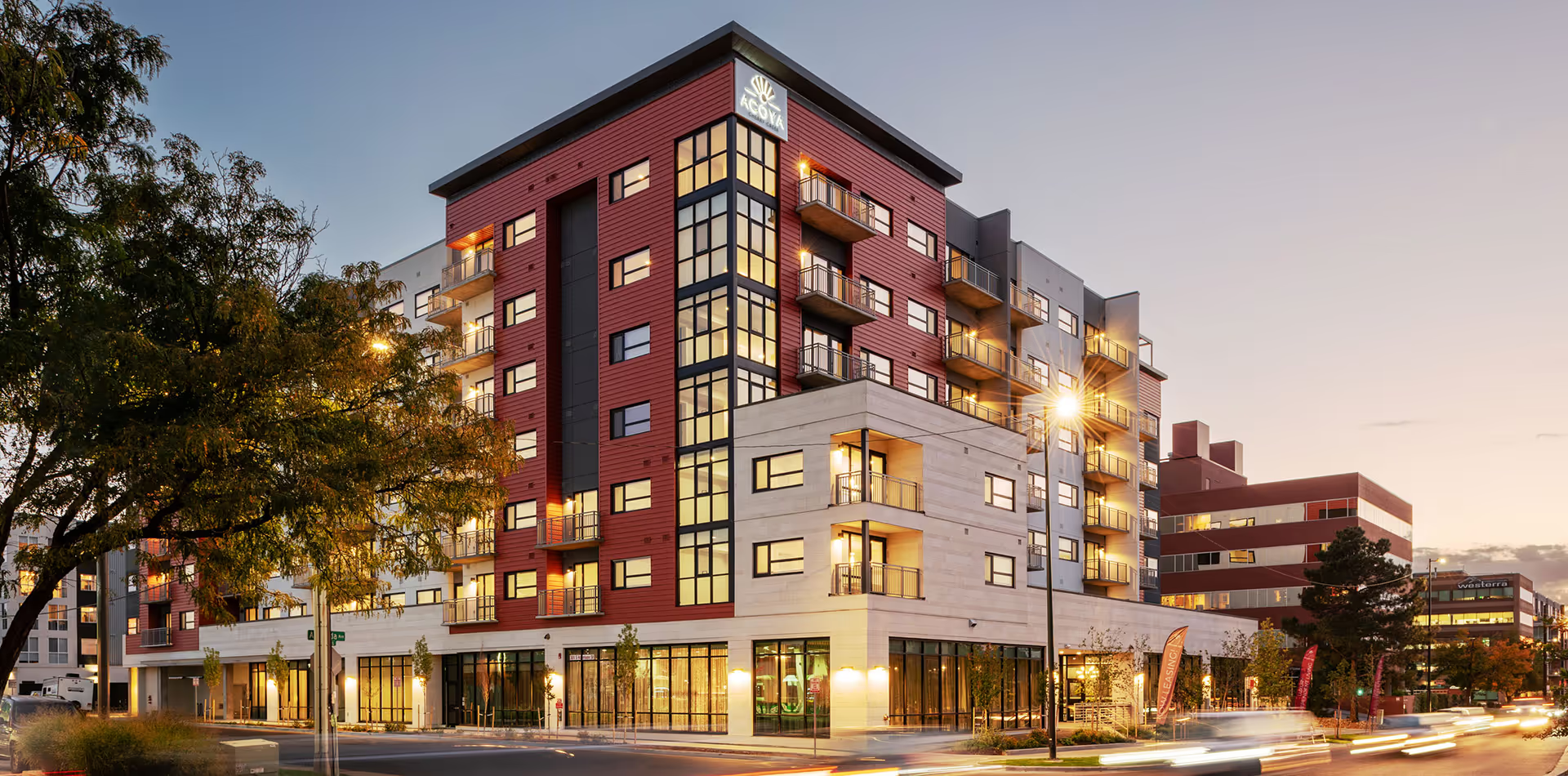
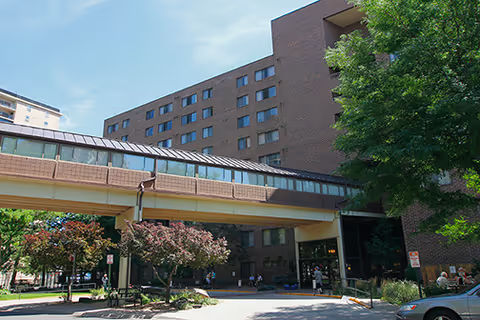
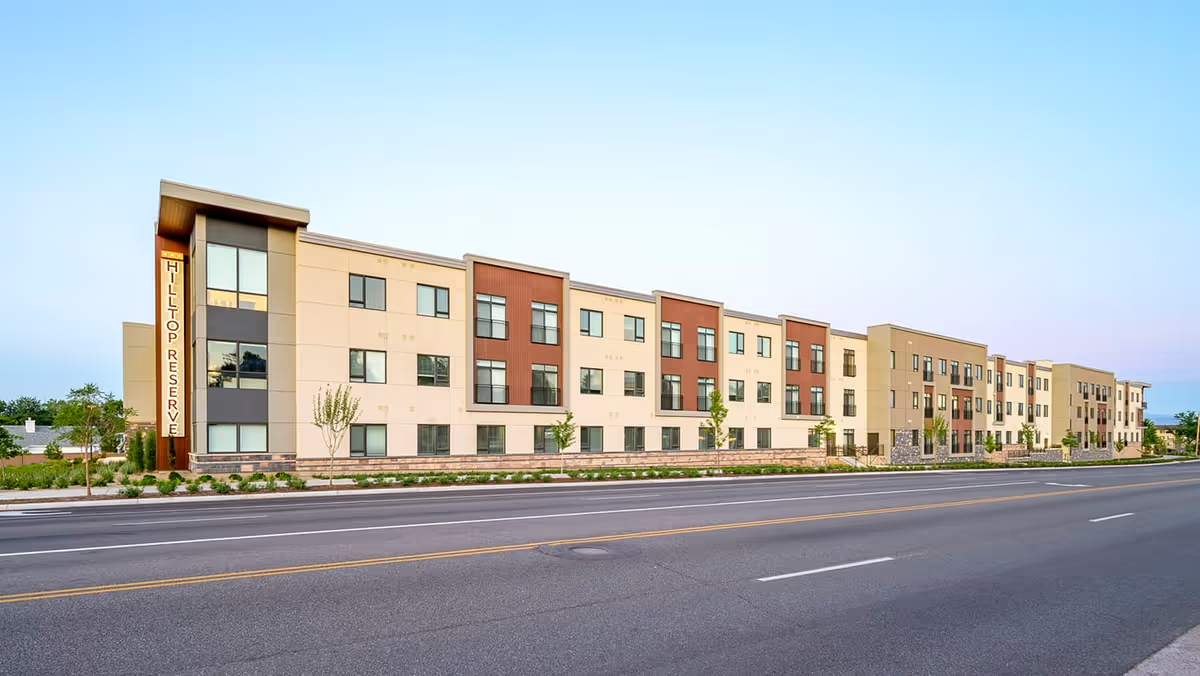
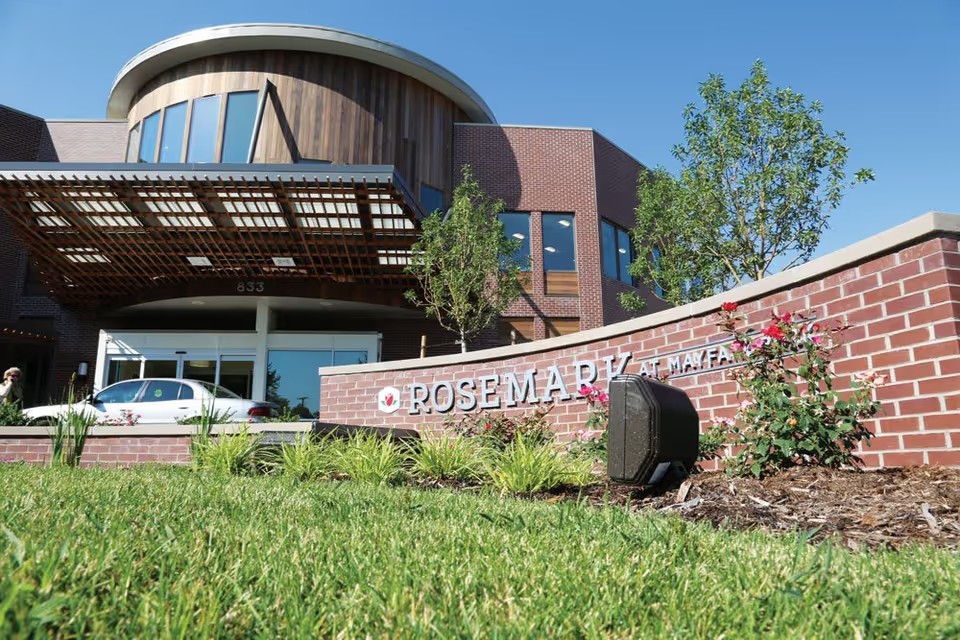
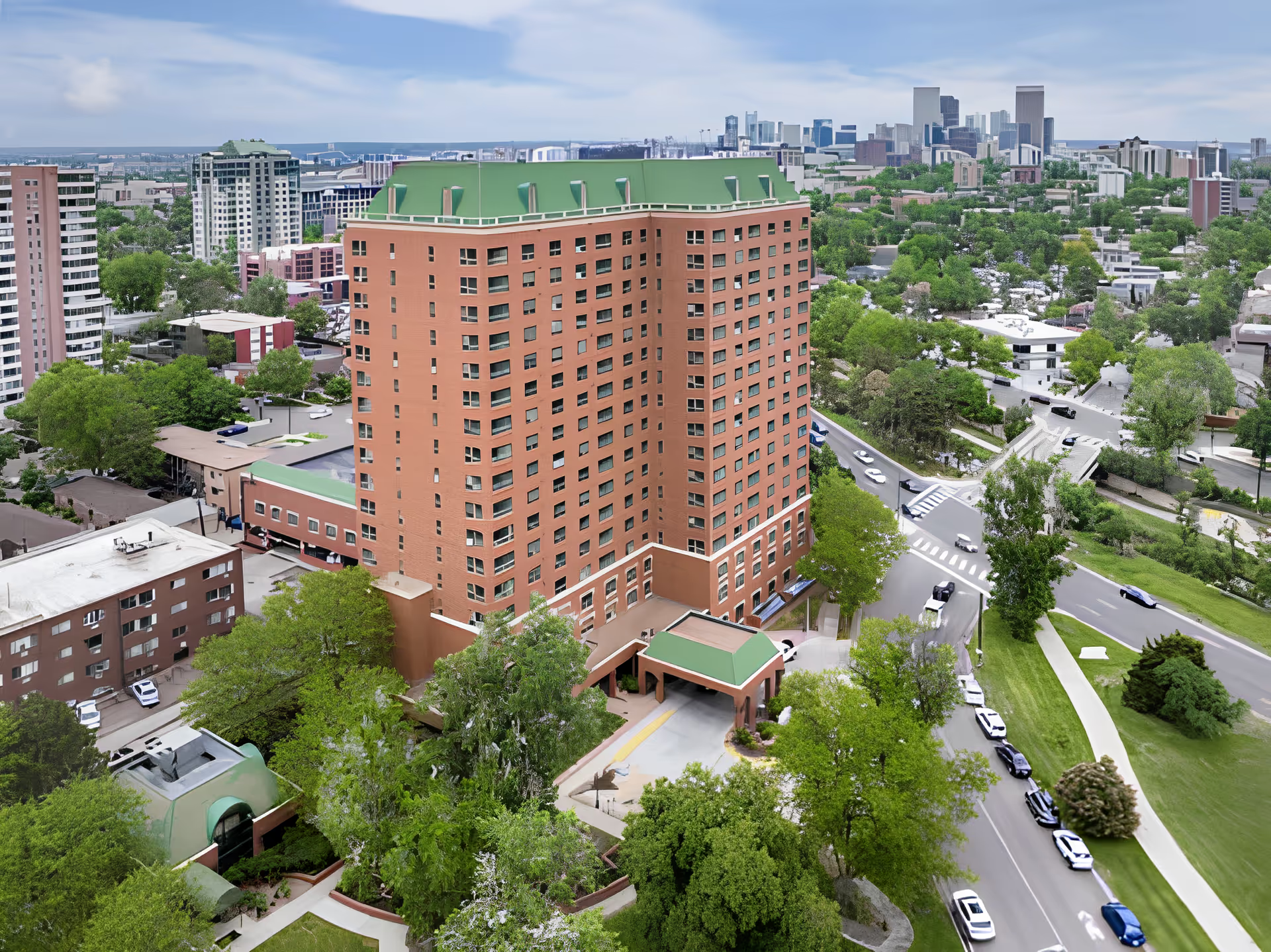
Facilities and location Physically, the facility is often described as clean, bright, and hotel-like; rooms tend to be apartment-like with good natural light and views. Common areas and seasonal decorations contribute to a welcoming environment. However, there are also reports of declining repair responsiveness in some units, inconsistent sanitation/laundry practices, and isolated cleanliness issues. The location on a busy street (Colorado Boulevard) produces traffic noise concerns and parking limitations for visitors; outdoor spaces and balconies are sometimes affected by street activity. Amenity offerings are generally strong inside the building, though some families expected larger amenity selections (e.g., gym, pool, or family media rooms) that are not available.
Management, billing, and communication A consistent pattern is variability in administrative performance. Strengths include staff who resolve issues quickly when leadership is engaged and instances of excellent director-level responsiveness. Weaknesses include rapid and opaque price increases, inconsistent information between marketing/tours and actual unit availability, and periodic lapses in family communication — notably around serious events and bereavement follow-up. These operational risks center on transparency, predictable billing, and consistent follow-through from the administrative team.
Notable patterns for decision-making Prospective residents and families should weigh the community’s strong social life, engaging staff culture, and attractive physical environment against the operational risks: confirm on-site clinical coverage for hours that matter to you, ask for a written pricing guarantee and clear explanation of fee escalations, verify unit types and furnished options in writing, and discuss the community’s staff turnover history and training protocols. Families who value active programming, a hotel-like atmosphere, and personalized social engagement report high satisfaction; those for whom consistent administrative communication, predictable costs, or higher-level clinical nursing coverage are priorities should seek specific assurances and documented policies before committing.