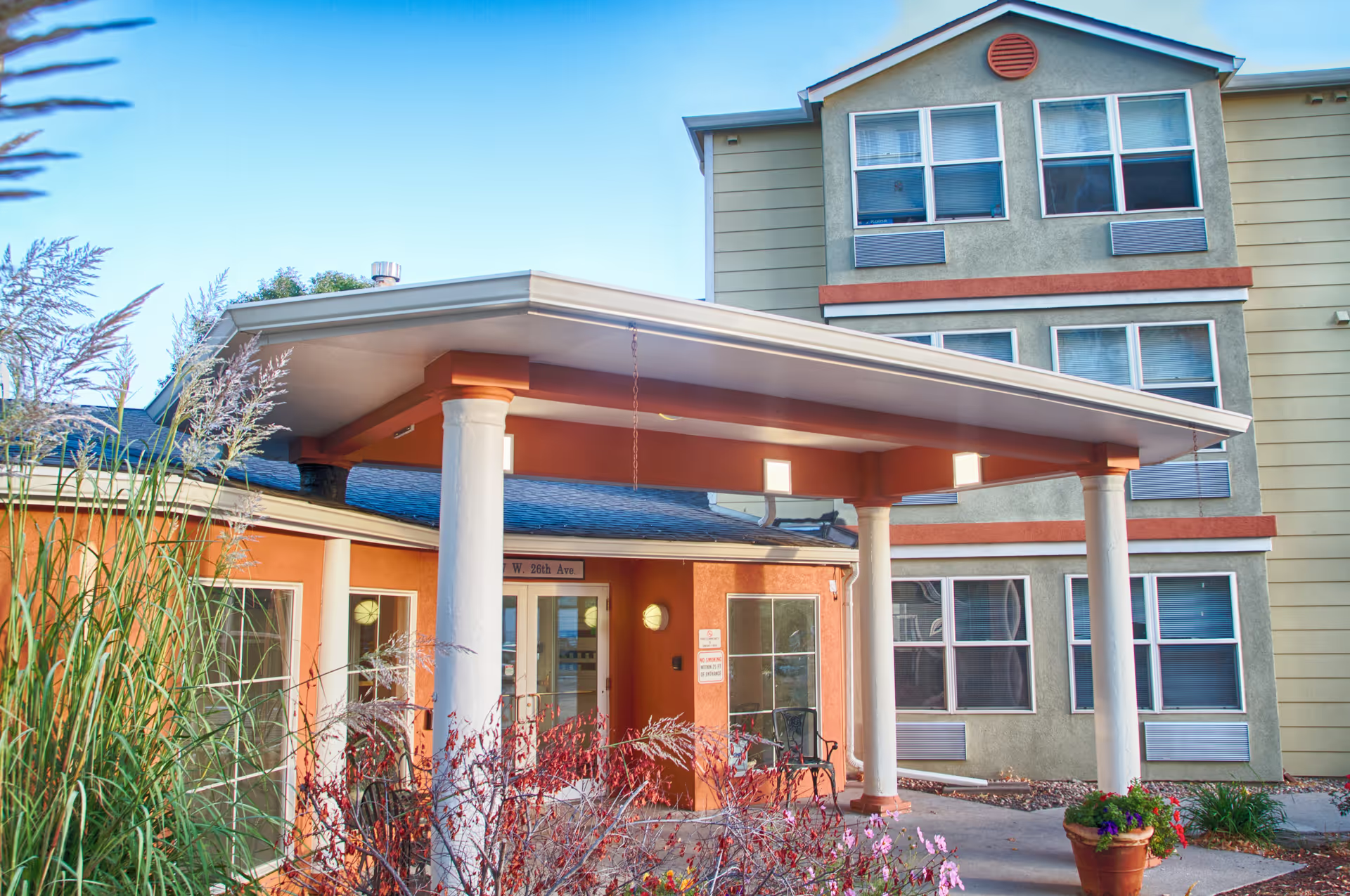
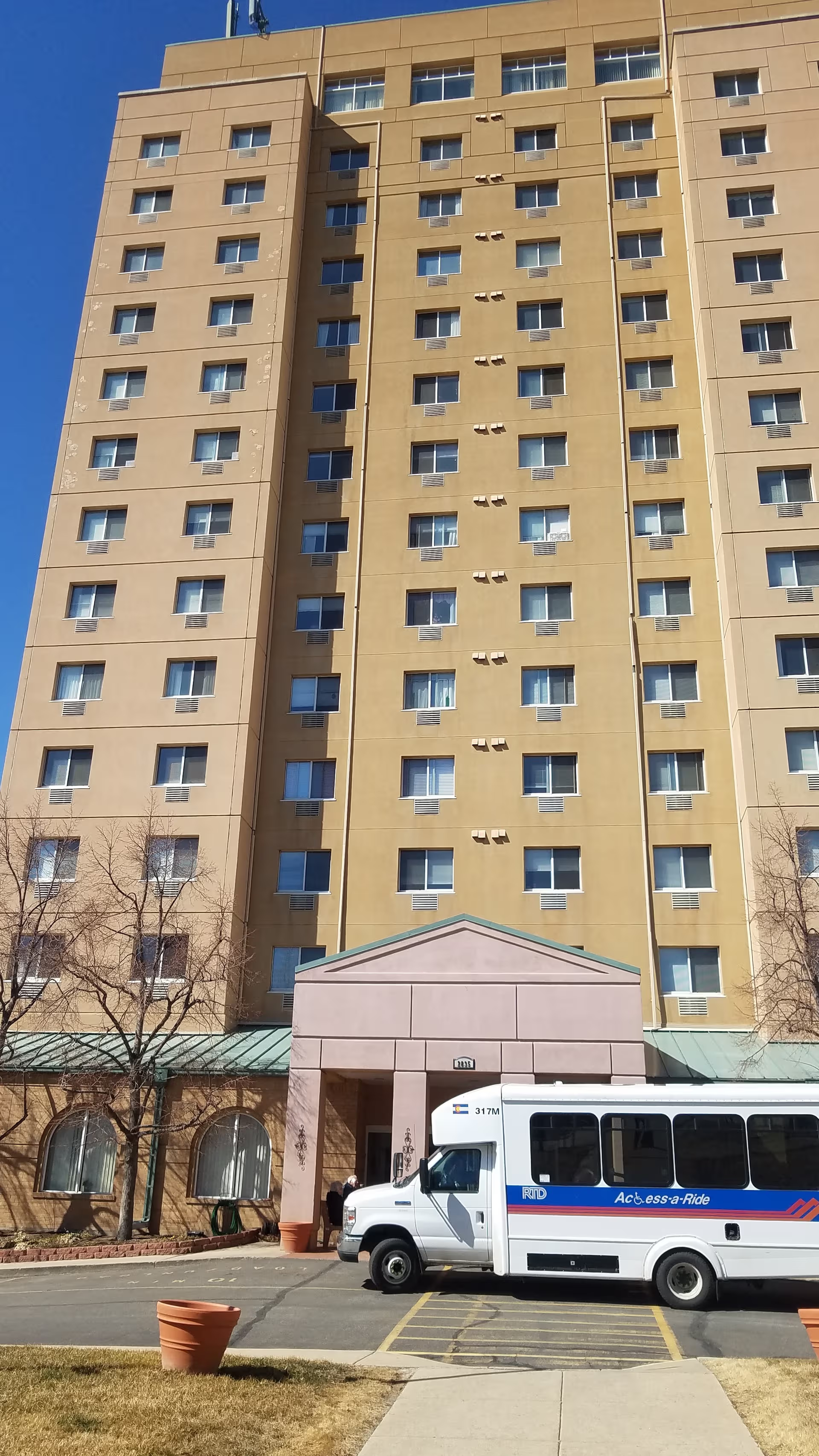
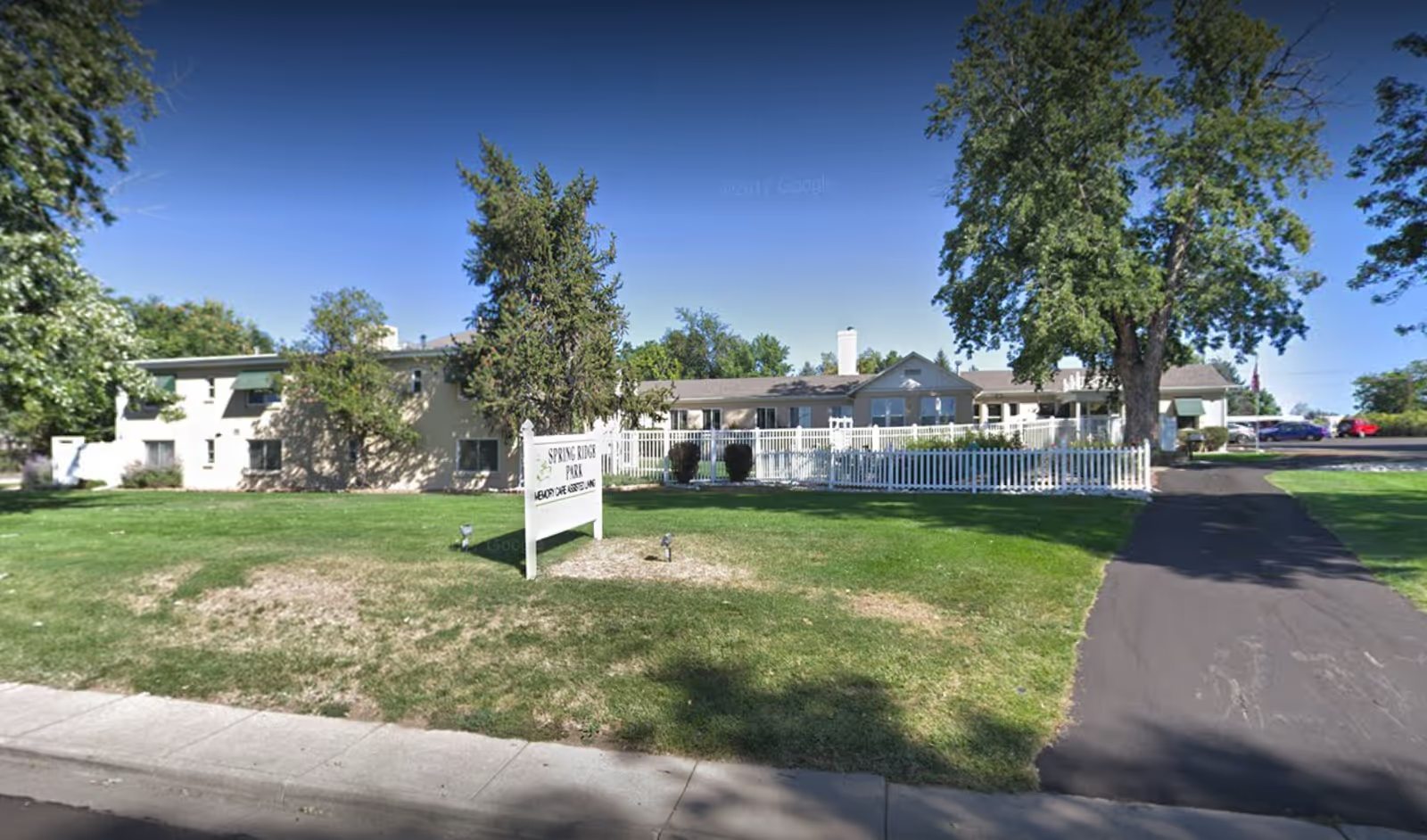
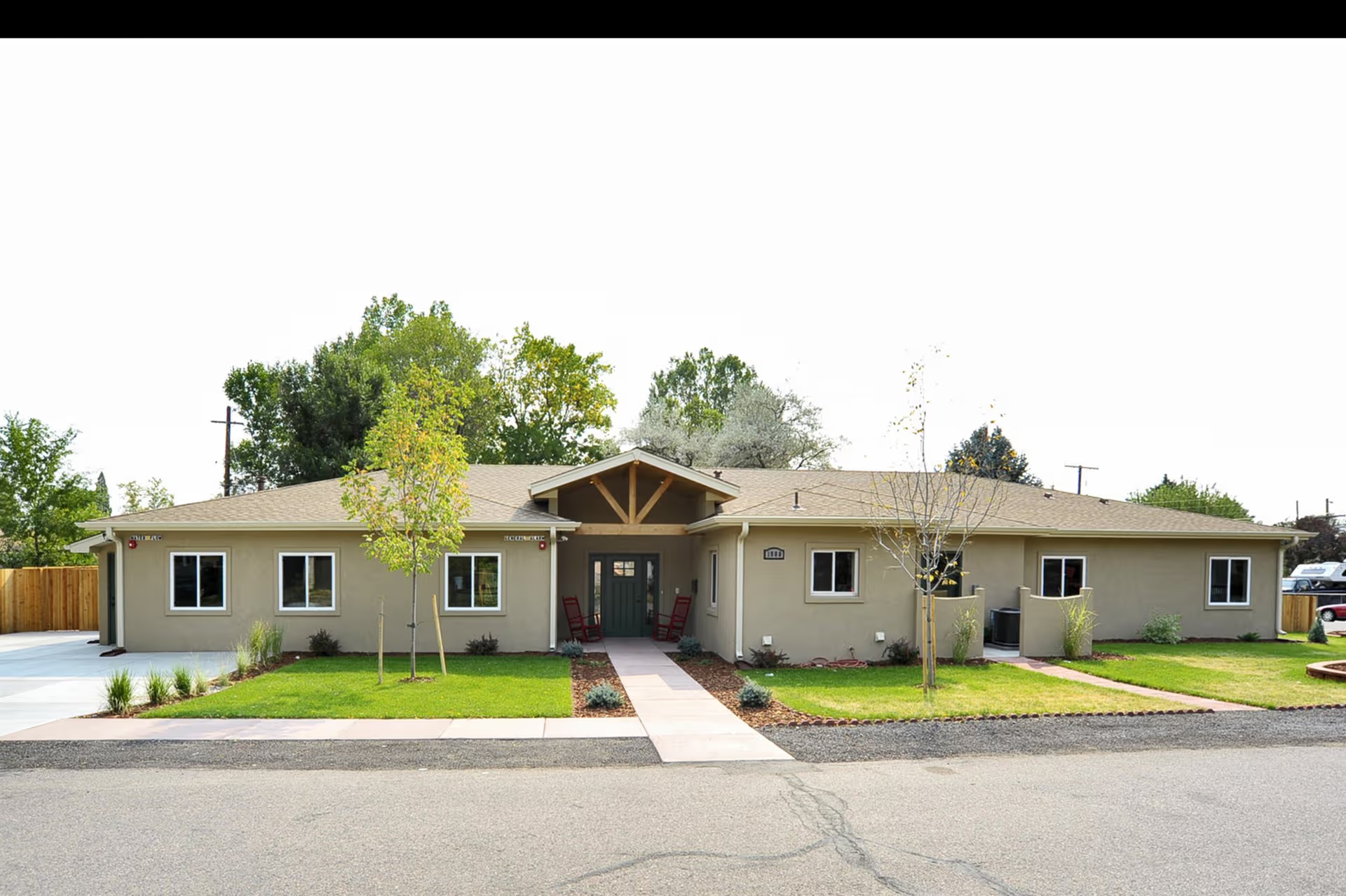
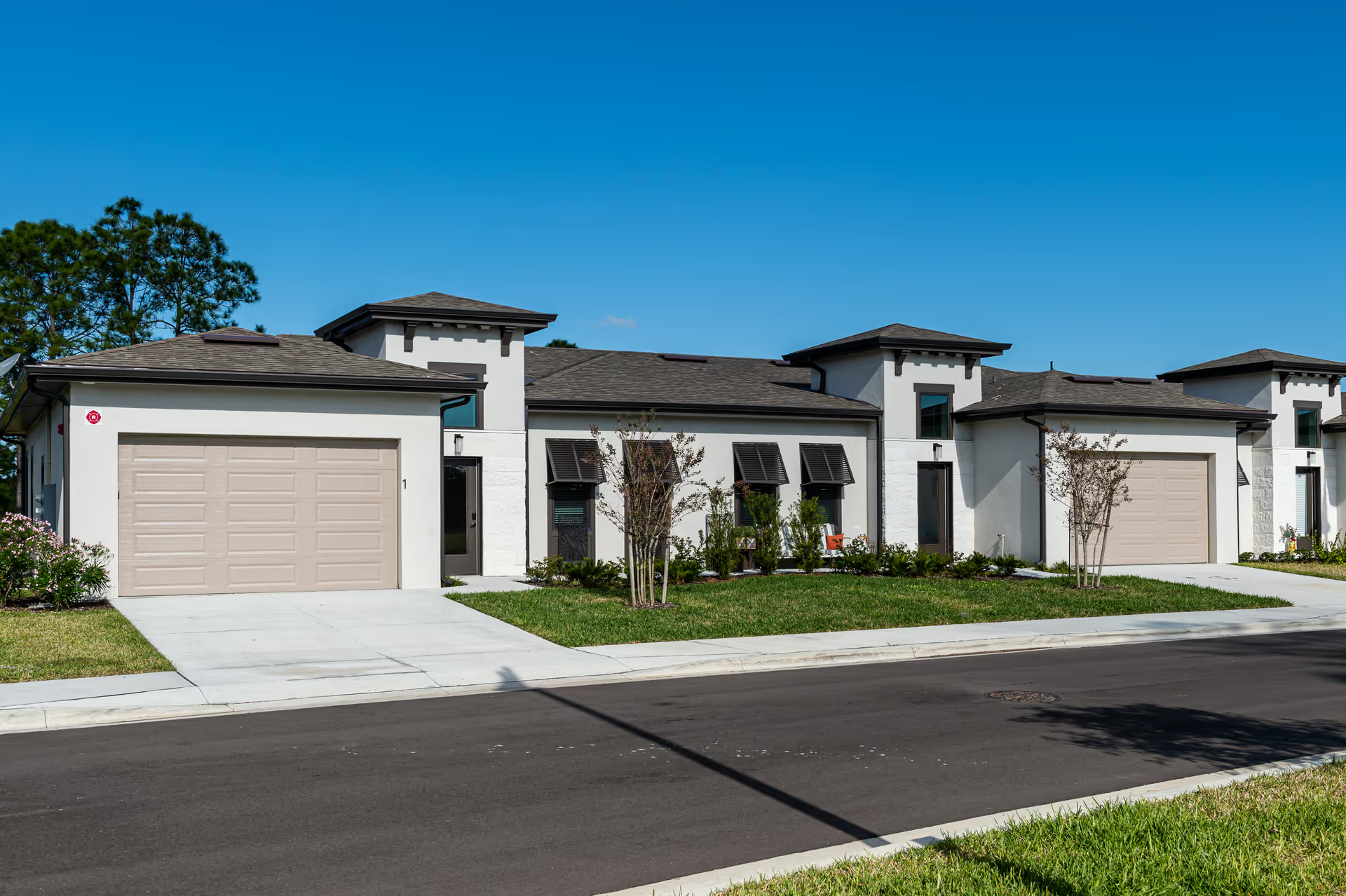
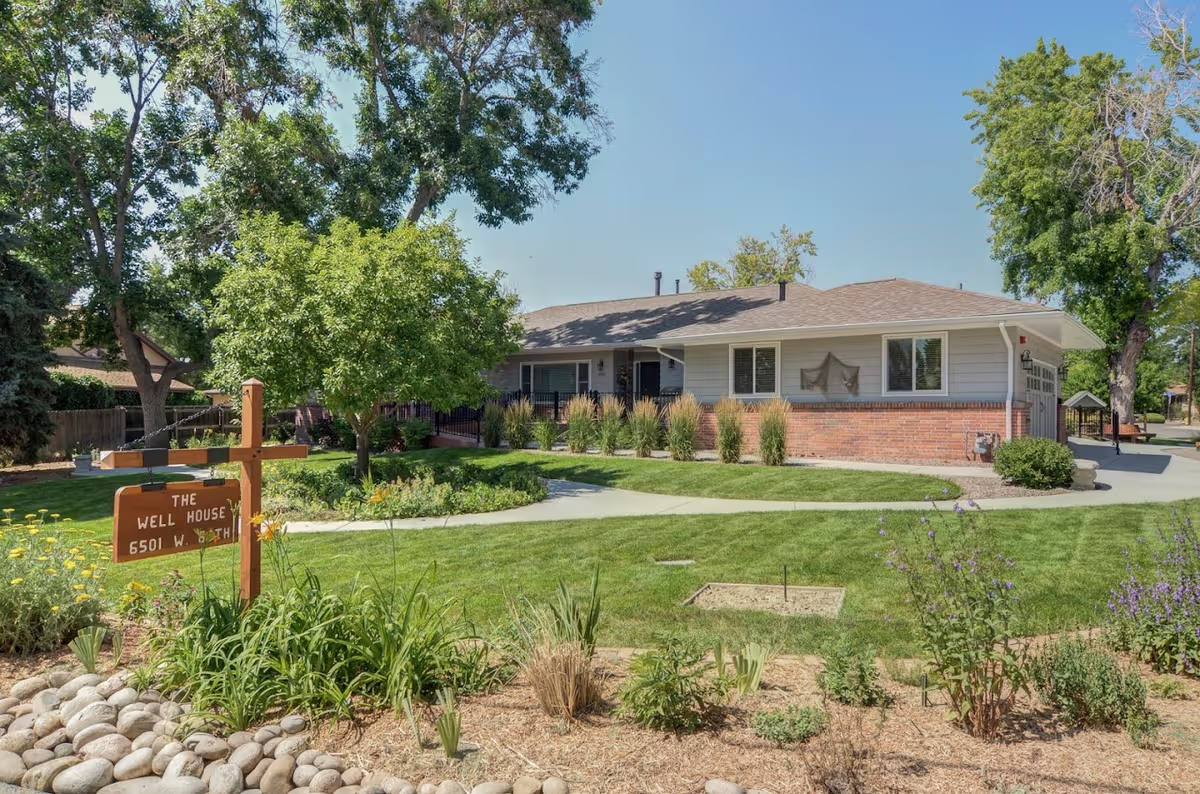
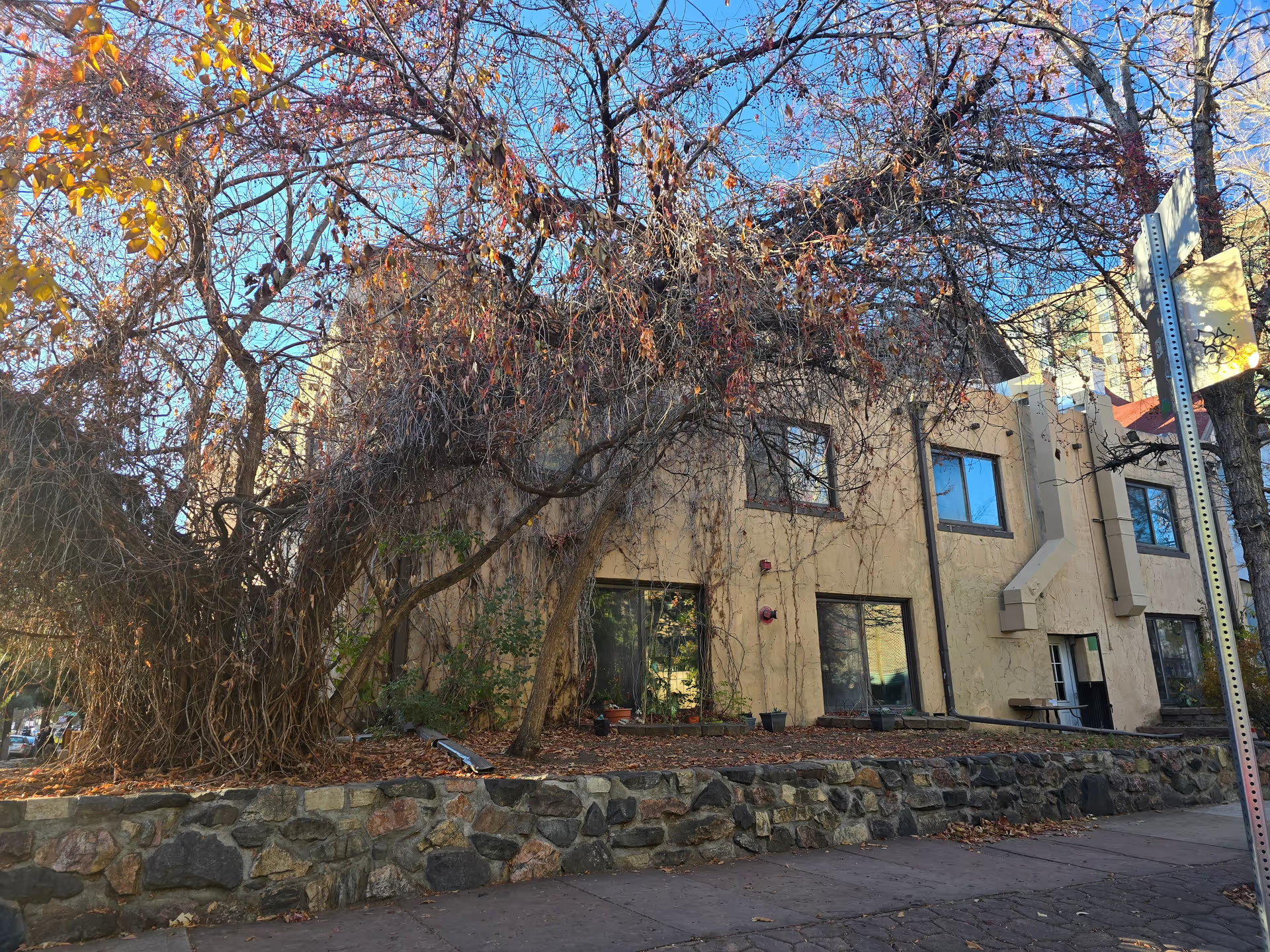
The Argyle elicits sharply divided impressions. Many reviewers praise the community’s renovated historic aesthetic, hotel-like décor, and extensive on-site amenities (wellness center, salon, activity spaces). Cleanliness and attractive common spaces are frequently cited, and several accounts describe private, recently updated rooms and a warm, home-like atmosphere in parts of the campus. The facility’s nonprofit mission and value proposition appeal to families seeking affordability with on-site medical coordination and multiple levels of care.
Care quality is described in mixed terms. Positive accounts emphasize compassionate caregivers, attentive dining and clinical teams, and strong oversight in some units, with staff who go above and beyond and a care director who is engaged. Counterbalancing those reports are operational concerns: inconsistent staffing, frequent turnover, and uneven care between units. Reviews describe gaps in medication-administration reliability, missed or delayed clinical checks in some cases, and instances where staffing levels appear insufficient for higher-acuity needs. These patterns suggest that care experience may depend substantially on unit assignment and staffing on a given day.
Staff and workplace culture likewise show a split. Many reviewers note friendly, helpful receptionists, marketing, and dining staff as standouts, and several describe positive, mission-driven leadership following recent management changes. At the same time, there are repeated notes about low morale, management conflict, problematic supervision in clinical leadership, and concerns about staff conduct and tone. Additional workplace issues mentioned include alleged surveillance of staff and contested management responses to internal problems, which can affect staff stability and resident experience.
Dining and activities are strengths in many accounts: restaurant-style meals, chef-prepared options, frequent social programming (bingo, movies, games, outings), and an organized activities team that keeps residents engaged. However, meal quality is reported as inconsistent — some families praise exceptional food while others describe bland or poorly executed service and instances where menus or posted photos did not match offerings. Transportation and outing reliability is another recurrent theme: the community provides scheduled trips and bus service, but reviewers note occasional breakdowns or cancellations that disrupt planned activities.
Facility condition is described as a mix of renovated and older areas. The campus’ historic charm and recent makeovers are positives, but reviewers also point to infrastructure issues in older sections: small apartment footprints, limited in-room climate control, delayed maintenance responses, and specific sanitation/pest-control concerns in some units. Security and building systems have mixed feedback as well — while many feel the campus is well-kept and safe, others report unreliable exterior cameras, broken doors or entrance systems, and related concerns about property security.
Management and communication present a variable picture. Some families commend new leadership, orderly move-in processes, and responsive administrative staff; others describe slow follow-up on complaints, unclear move-out or placement communications, and concerns about reputation-management practices. A few reviews raise serious claims — including alleged theft and discriminatory interactions among residents — that warrant direct follow-up with the community and, where appropriate, documentation or escalation to oversight bodies.
Overall pattern and guidance: experiences at The Argyle appear polarized — many residents and families report a warm, engaging community with strong dining and activities, while others encounter operational shortcomings tied to staffing, maintenance responsiveness, clinical consistency, and communication. Prospective residents and families should request specific, up-to-date information during a tour: staffing ratios by unit and shift, medication-administration protocols and QMAP coverage, pest-control and housekeeping schedules, maintenance response timelines, security and camera policies, transportation contingency plans, and how resident behavior issues are mediated. Asking for references from current families in the same care level can also help clarify whether the community’s strengths align with an individual’s needs and expectations.