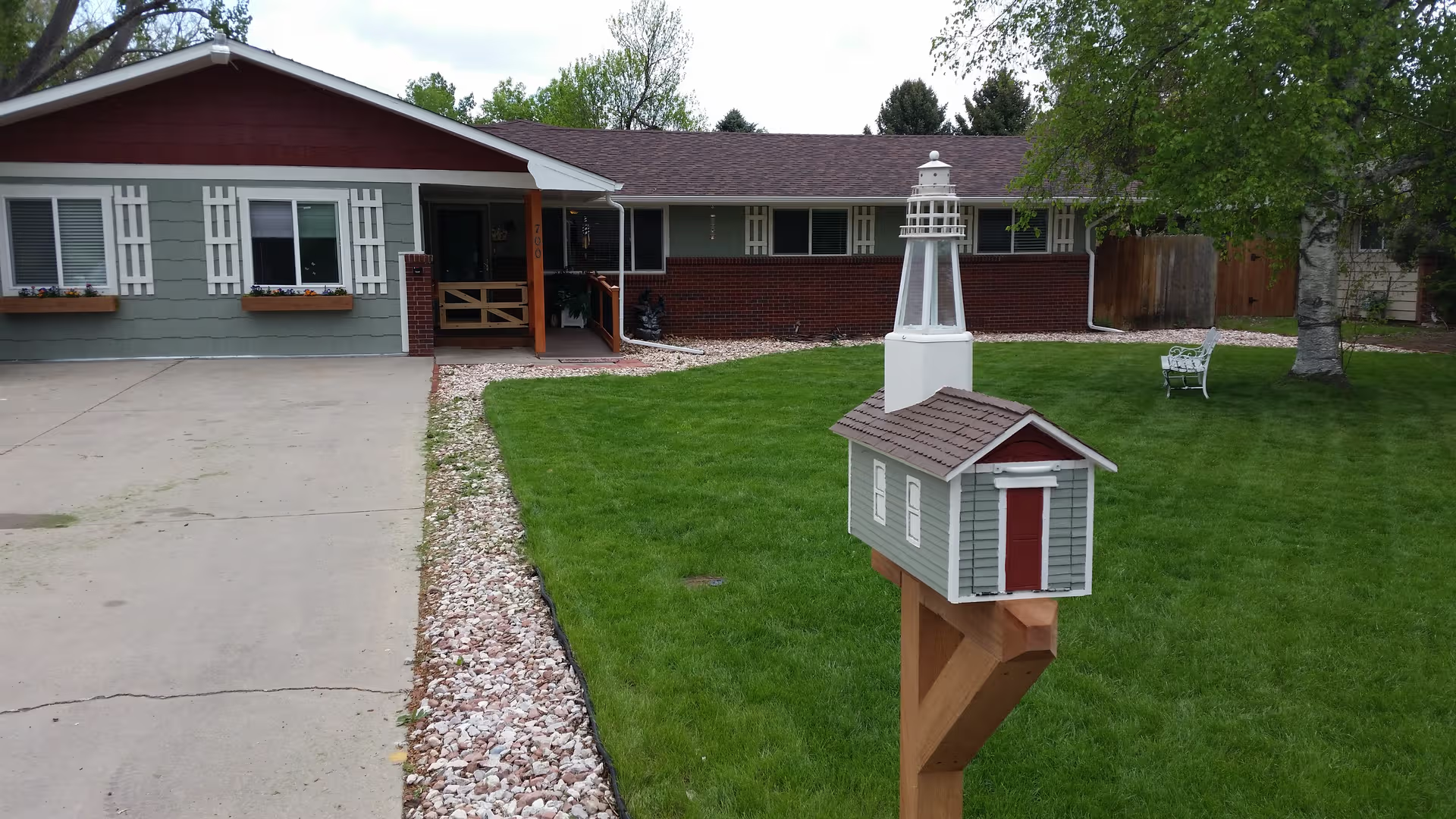
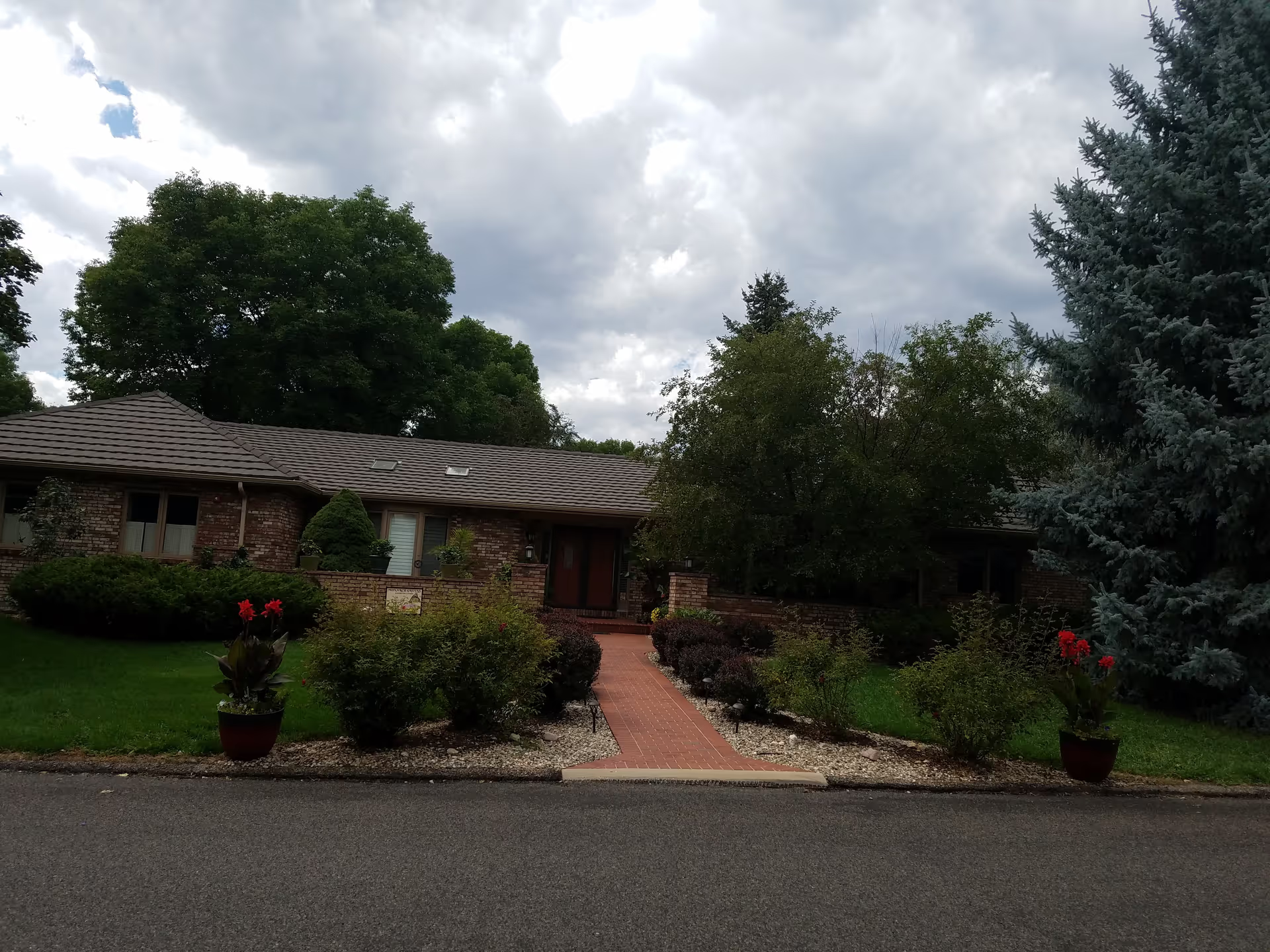
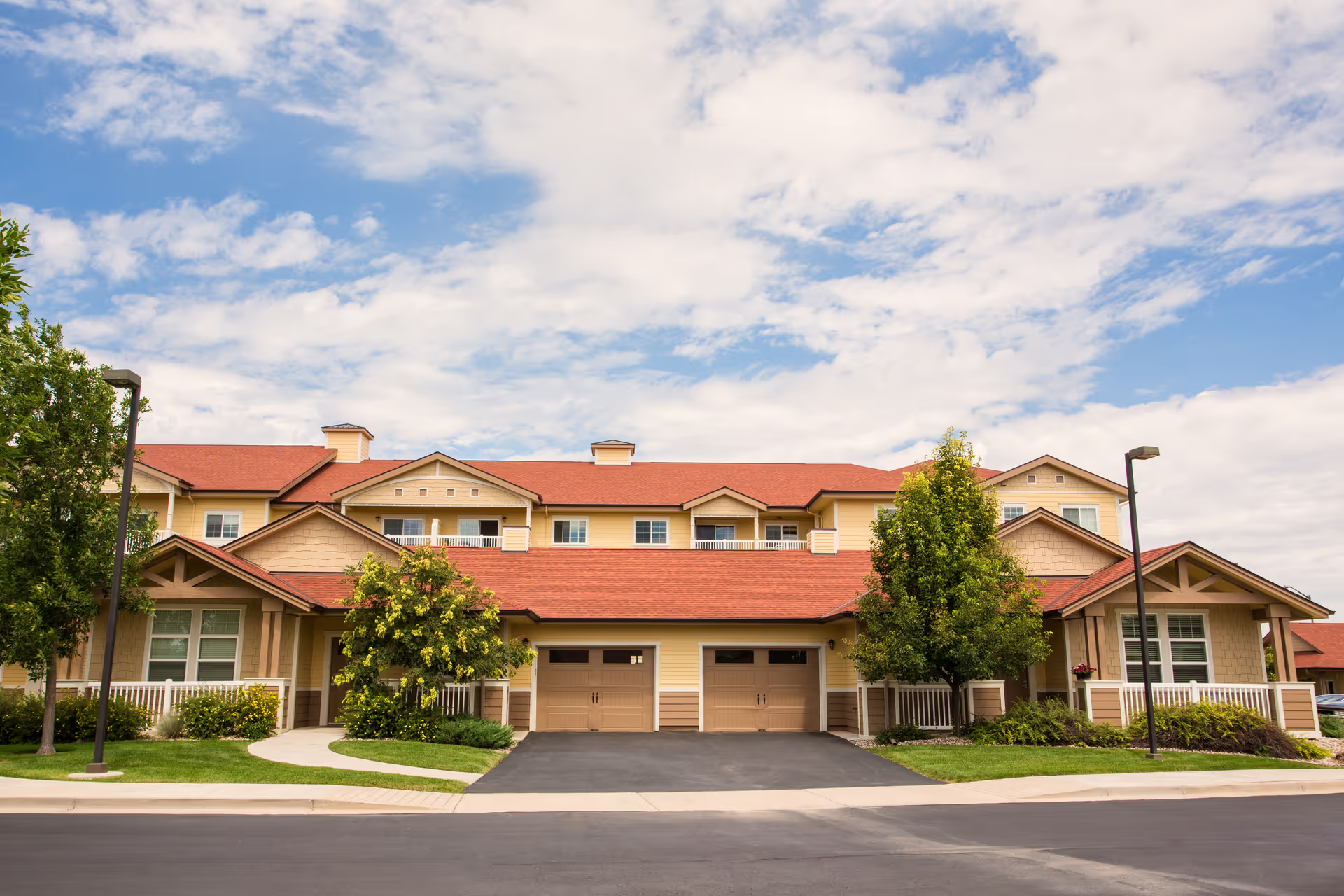
Overall impression: Reviews describe Eagle's Nest Assisted Living as a small, well-kept, country-style facility that emphasizes individualized, home-like care. Families highlight a warm, family-oriented culture, consistently clean spaces, and a tranquil outdoor environment with gardens, birds, and nearby animals that contribute to resident well‑being. The facility's scale and setting are presented as core strengths supporting personalized attention and a safe, comfortable experience.
Care quality and staff: The care approach is described as compassionate and recovery-focused, with staff characterized as warm, flexible, and willing to accommodate special needs. Reviewers emphasize that residents are treated like family, and that staff go beyond routine duties to help residents regain independence or manage transitional needs. Management is led by owners (including a nurse practitioner) who are portrayed as accessible and actively involved in clinical decision-making and family communication.
Dining and activities: Reviews provide limited detail about formal dining services; prospective families should ask directly about menus, dietary accommodations, meal schedules, and food-service routines. Activity offerings appear oriented toward small-group and home-style programming — examples cited include live music and outdoor enjoyment of the property. The emphasis is on meaningful, individualized engagement rather than extensive institutional programming.
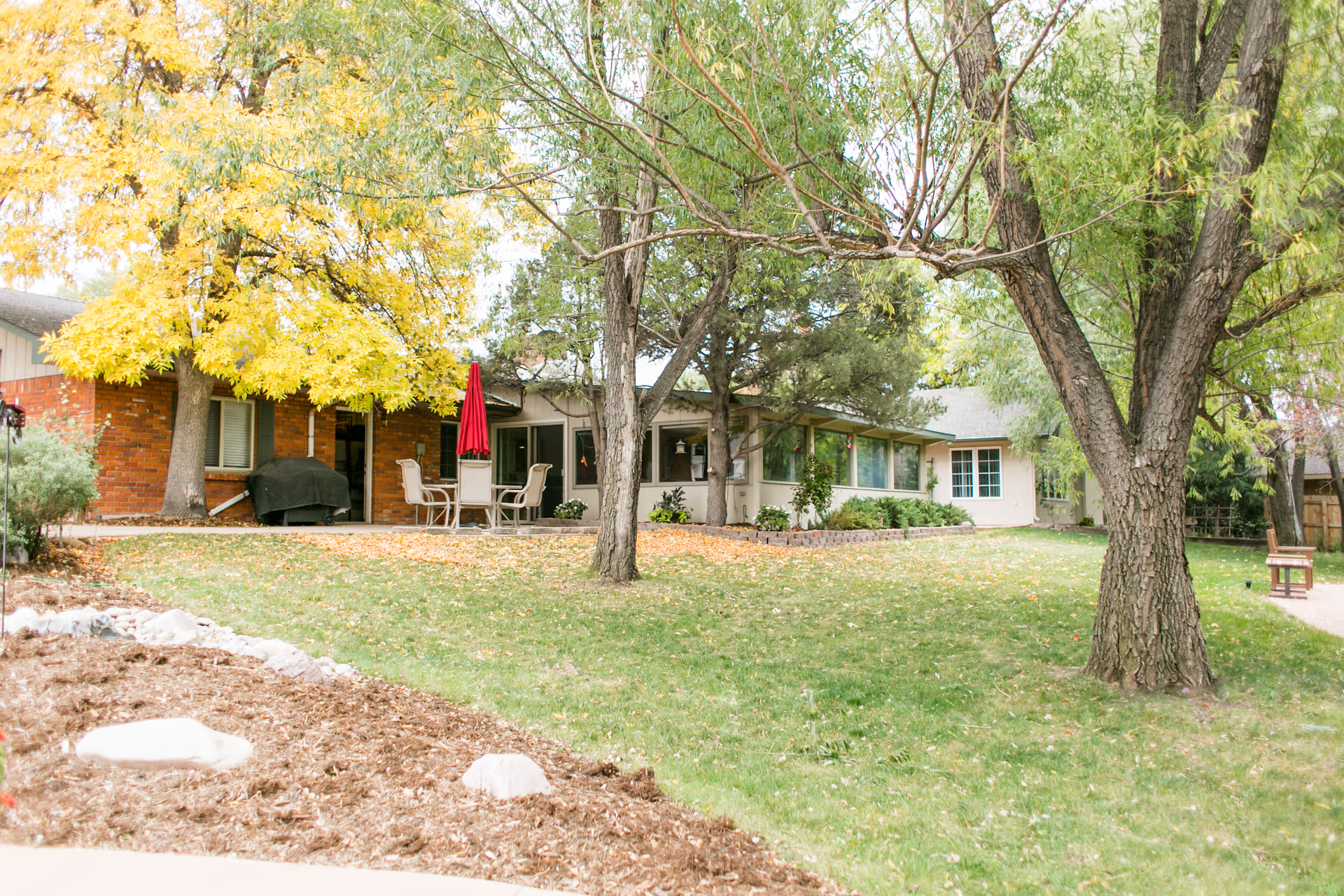
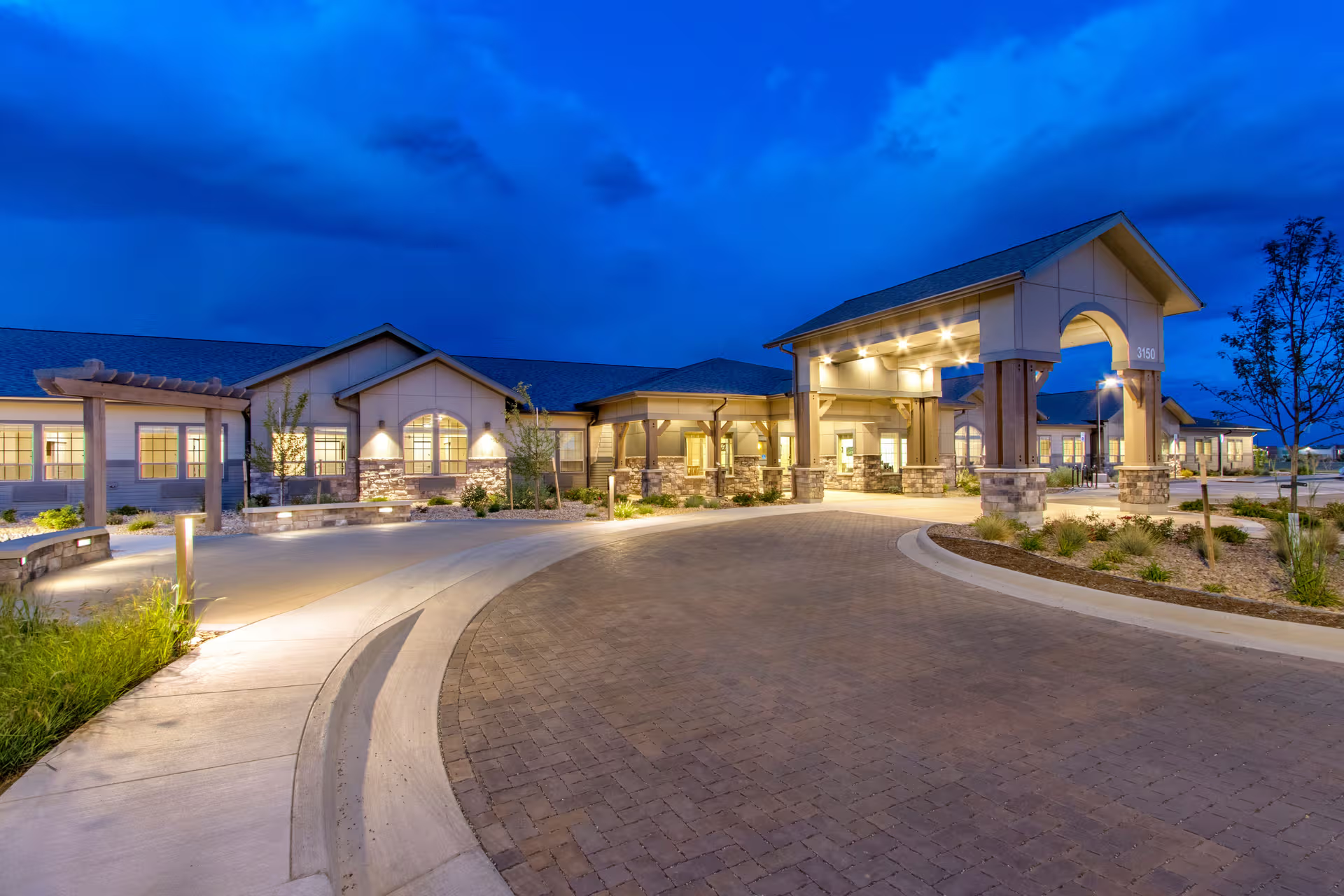
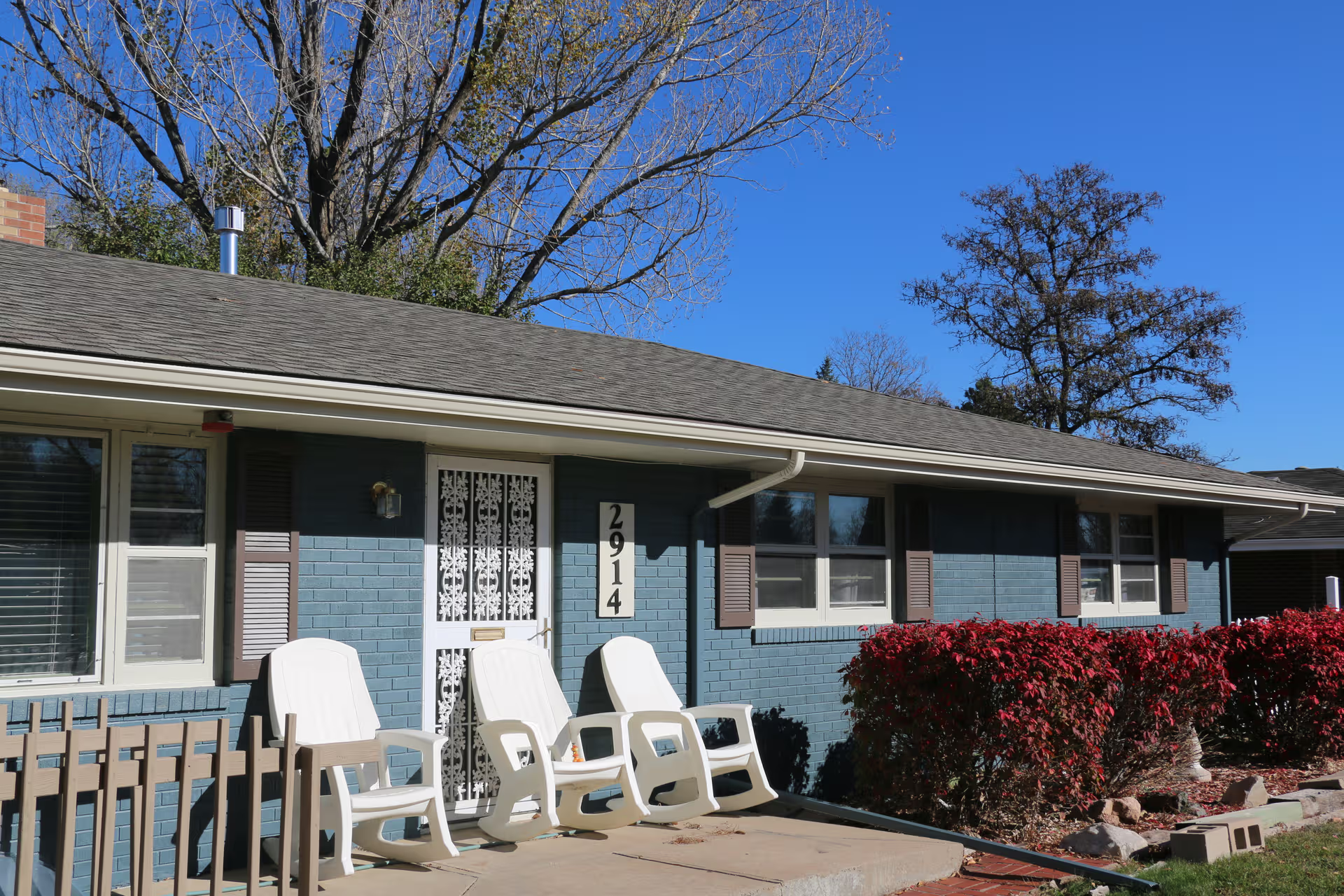
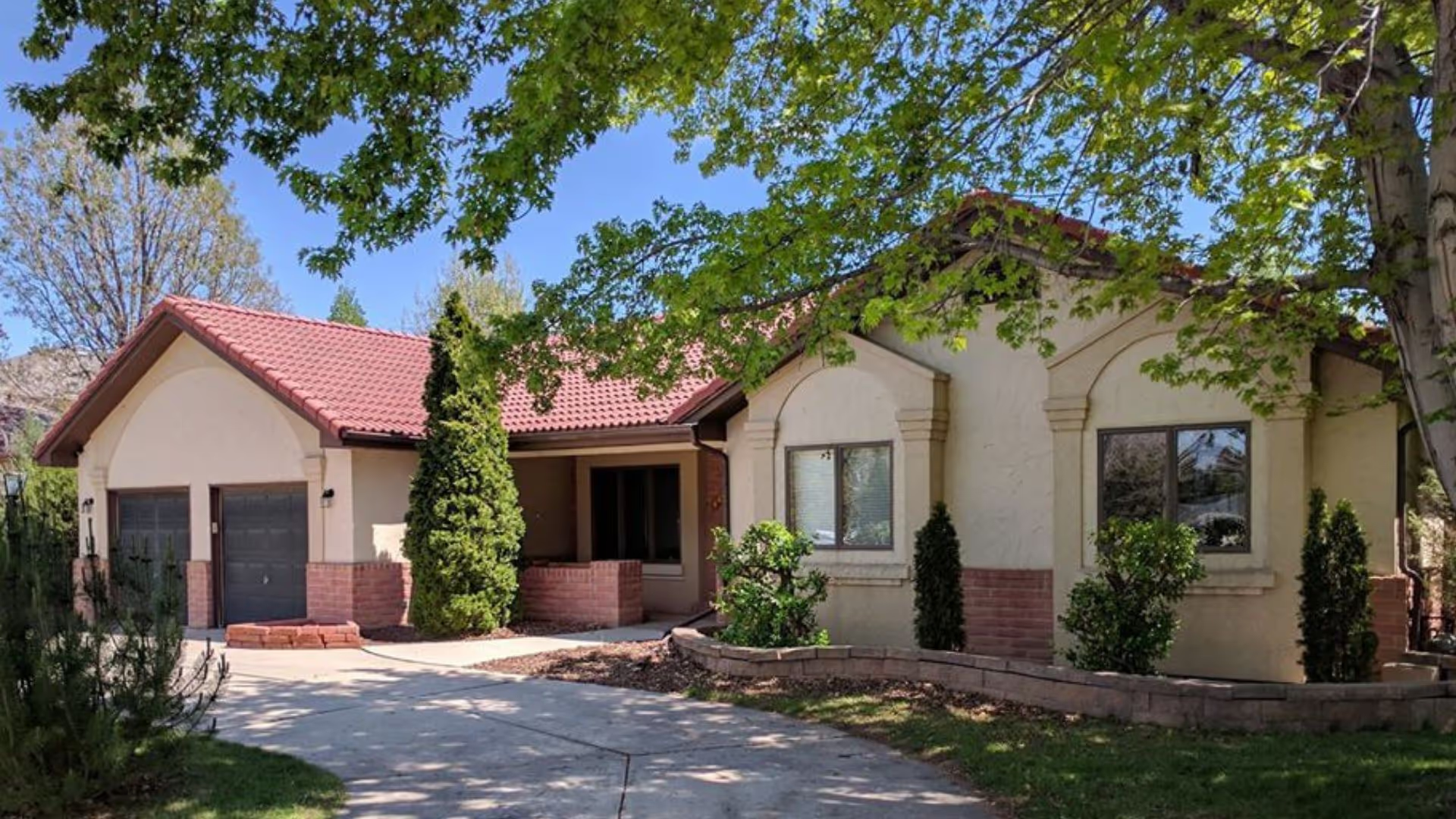
Facilities and setting: The property is described as attractive, well maintained, and safe, with planned updates and attention to cleanliness. The rural, country setting and outdoor features (flower beds, views of the Front Range, animals) are repeatedly cited as therapeutic elements that enhance daily life.
Management and notable patterns: Leadership is presented as proactive and open to family input; the clinical background of an owner is a distinguishing feature that reviewers view positively for care oversight. The facility’s small size and home-like model are consistent themes — they support personalized care but also imply trade-offs. Specifically, the community may have limited on-site specialized medical or therapy services, constrained 24/7 clinical coverage depending on staffing, and reduced capacity relative to larger communities. The rural location can be an asset for tranquility but may pose transportation or access considerations for families or emergency follow-up.
What to verify during a visit: Ask about availability of on-site therapy and specialist services, staffing patterns and 24/7 clinical coverage, transportation arrangements to medical appointments, sample menus and dietary accommodations, and the structured activity schedule. These operational details will clarify whether the facility’s small, personalized model aligns with a prospective resident’s clinical and social needs.