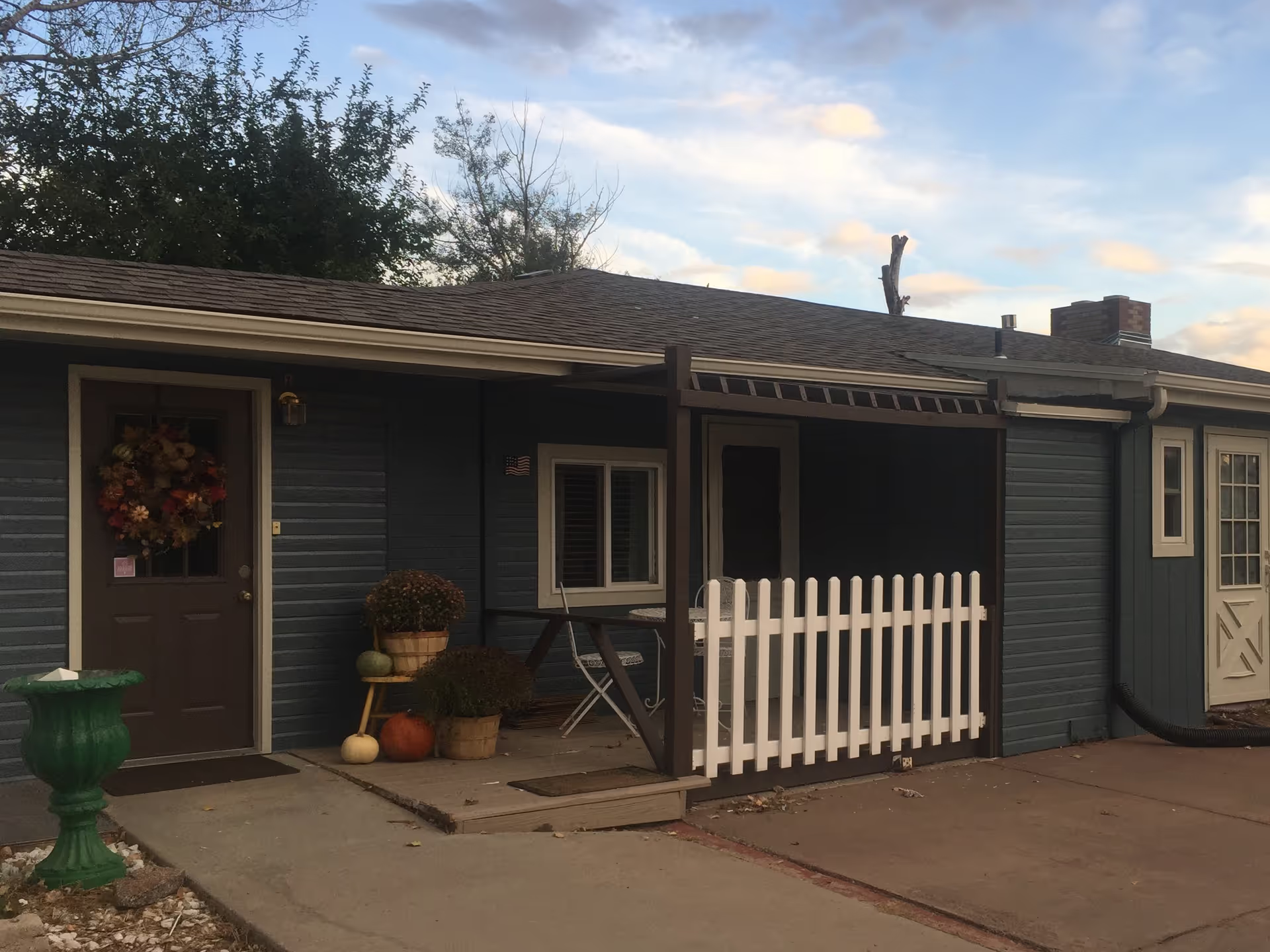
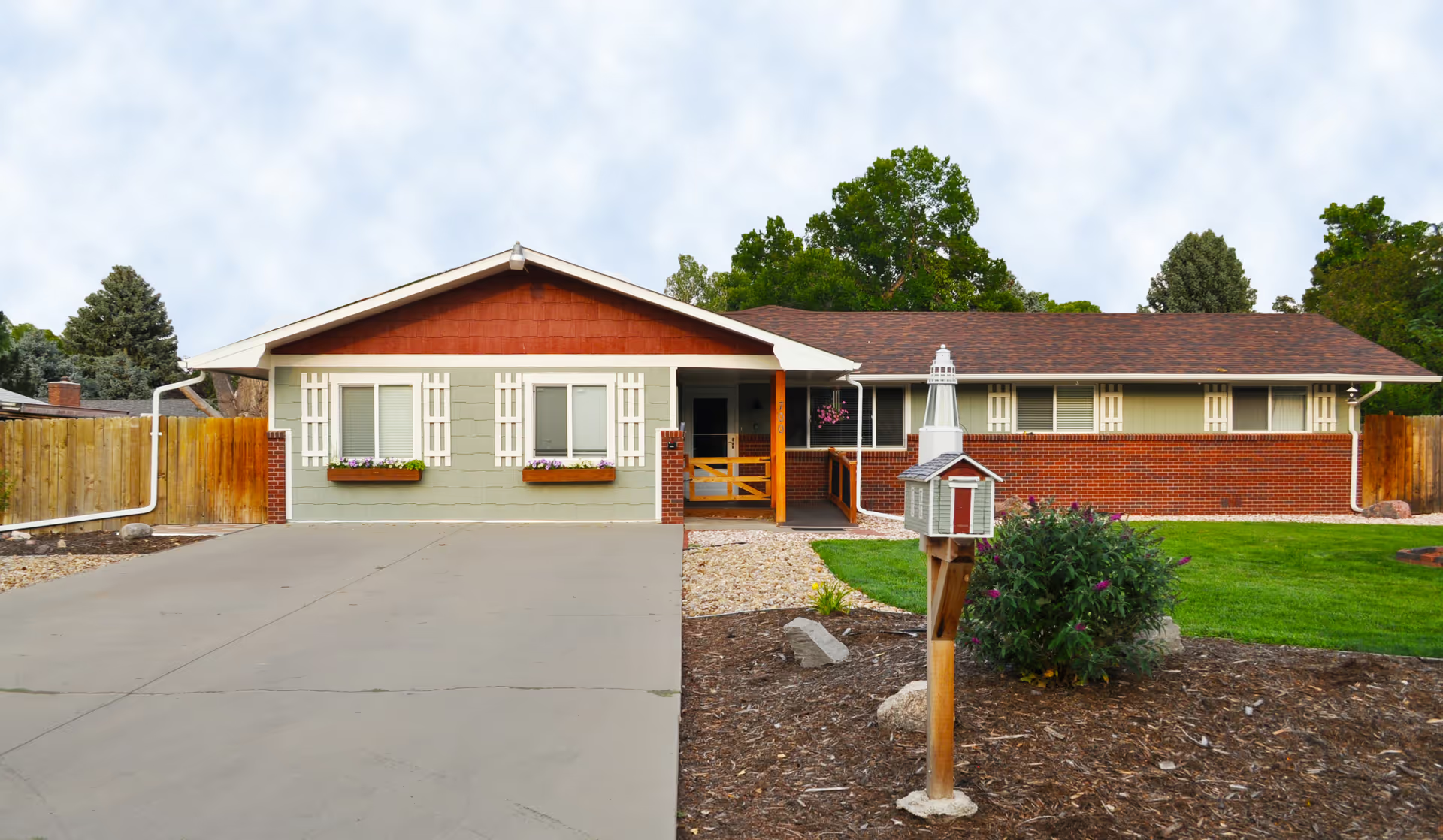
Seneca House Assisted Living is consistently described as a small, family-run assisted living home with a home-like atmosphere and a high level of individualized attention. Strengths cited across reviews center on the caregiving team: staff are characterized as caring, patient, and attentive, with families noting a strong staff-to-resident ratio, 24/7 oversight, and proactive clinical measures such as assistive-device installation and coordination with physicians. Many families emphasize that staff accommodate personal preferences (for example, newspaper delivery and individualized meal choices), which contributes to resident satisfaction and a sense of dignity.
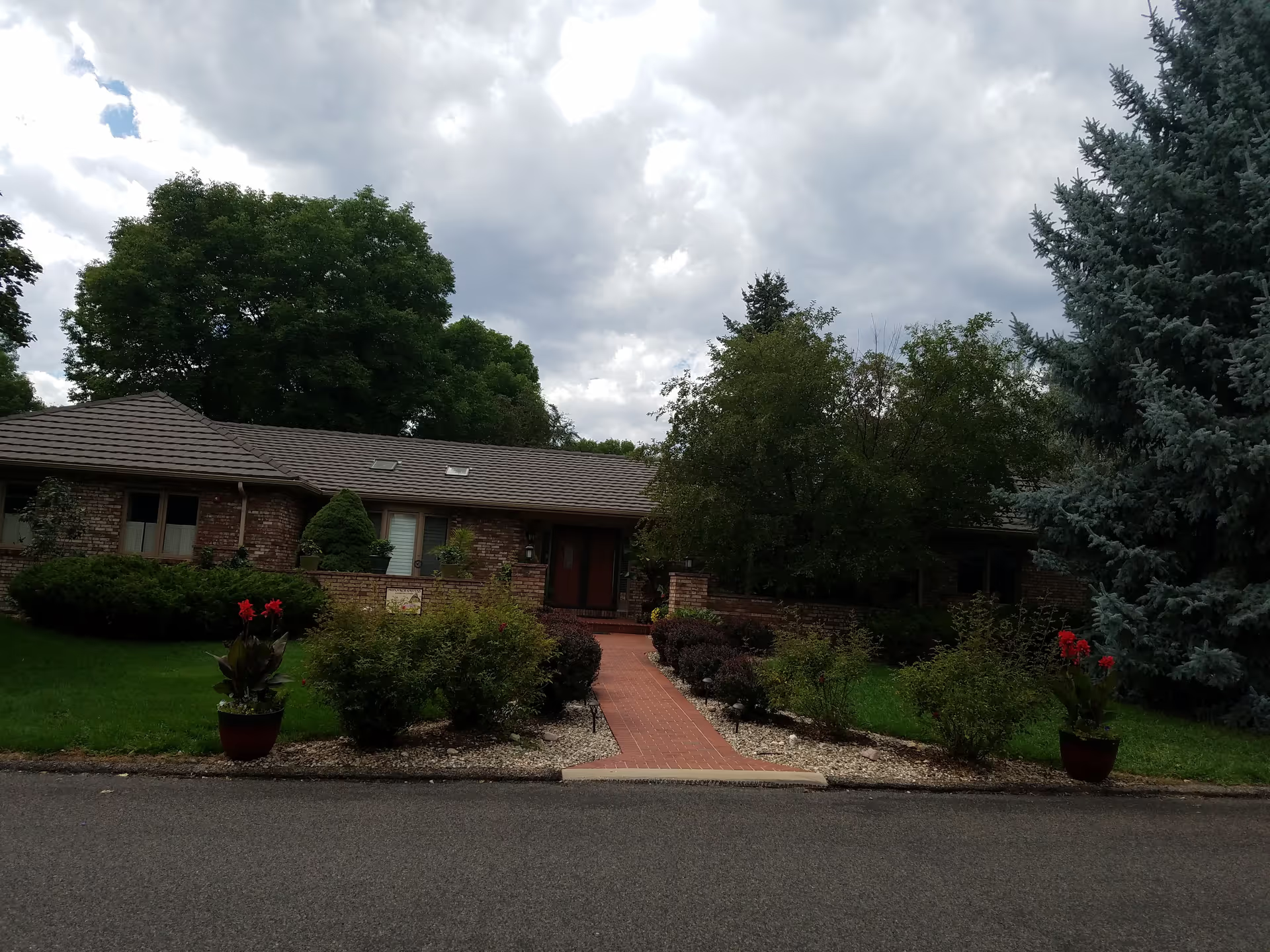
Dining and daily living receive positive mentions. Reviewers highlight tailored meal planning, attention to dietary needs, and special holiday menus. Social programming and daily interactions are described as active and meaningful, with group activities and opportunities for social engagement that help residents adjust and thrive. The small, renovated house layout is praised for cleanliness, privacy, and a domestic scale that some families prefer over larger “big-box” facilities. Additional amenities such as pool access and pleasant views are also noted.
Management and communication are generally framed positively: reviewers indicate owners and directors are welcoming, communicative, and responsive to concerns, providing families with peace of mind. The overall tone in most accounts is that the facility provides a warm, family-like environment where residents are known personally by staff and where management is visible and engaged.
There are, however, recurring operational issues prospective families should evaluate. Several families raised concerns about inconsistent admissions coordination and move-in scheduling, including last-minute date changes. There are also statements alleging discriminatory conduct and broader concerns about staff professionalism that merit direct inquiry during a tour. Clinically, the facility’s small, residential model appears to limit its capacity to care for higher-acuity residents or those needing specialized therapies; a number of reviewers noted that Serenca House was not an appropriate fit once care needs escalated. The small-home model that supports personalization can also limit breadth of services and coverage compared with larger facilities.
Recommendations for prospective residents and families: during a visit, ask for detailed documentation of staffing levels and on-call clinical support, clarify the facility’s admissions and move-in procedures and contingency plans, and discuss clinical limits of care — including when a resident would need transition to a higher-acuity setting. Also inquire about staff training, behavioral-incident policies, and how the facility addresses concerns about conduct or discrimination. For families seeking a personal, home-like setting with strong individualized attention, Seneca House appears to offer many strengths; for those requiring escalating medical or specialized therapeutic services, it may be necessary to confirm suitability before committing.