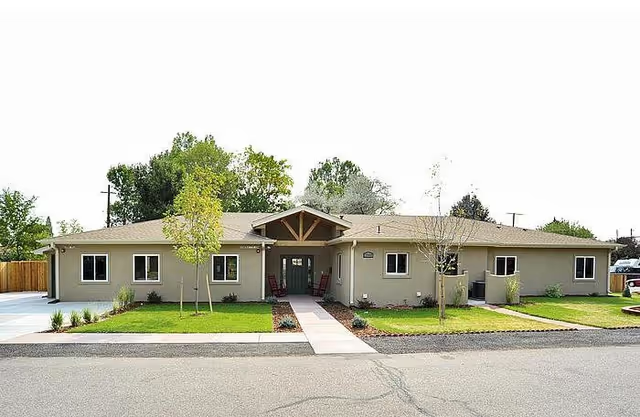
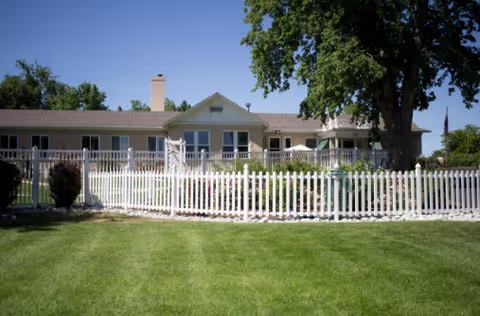
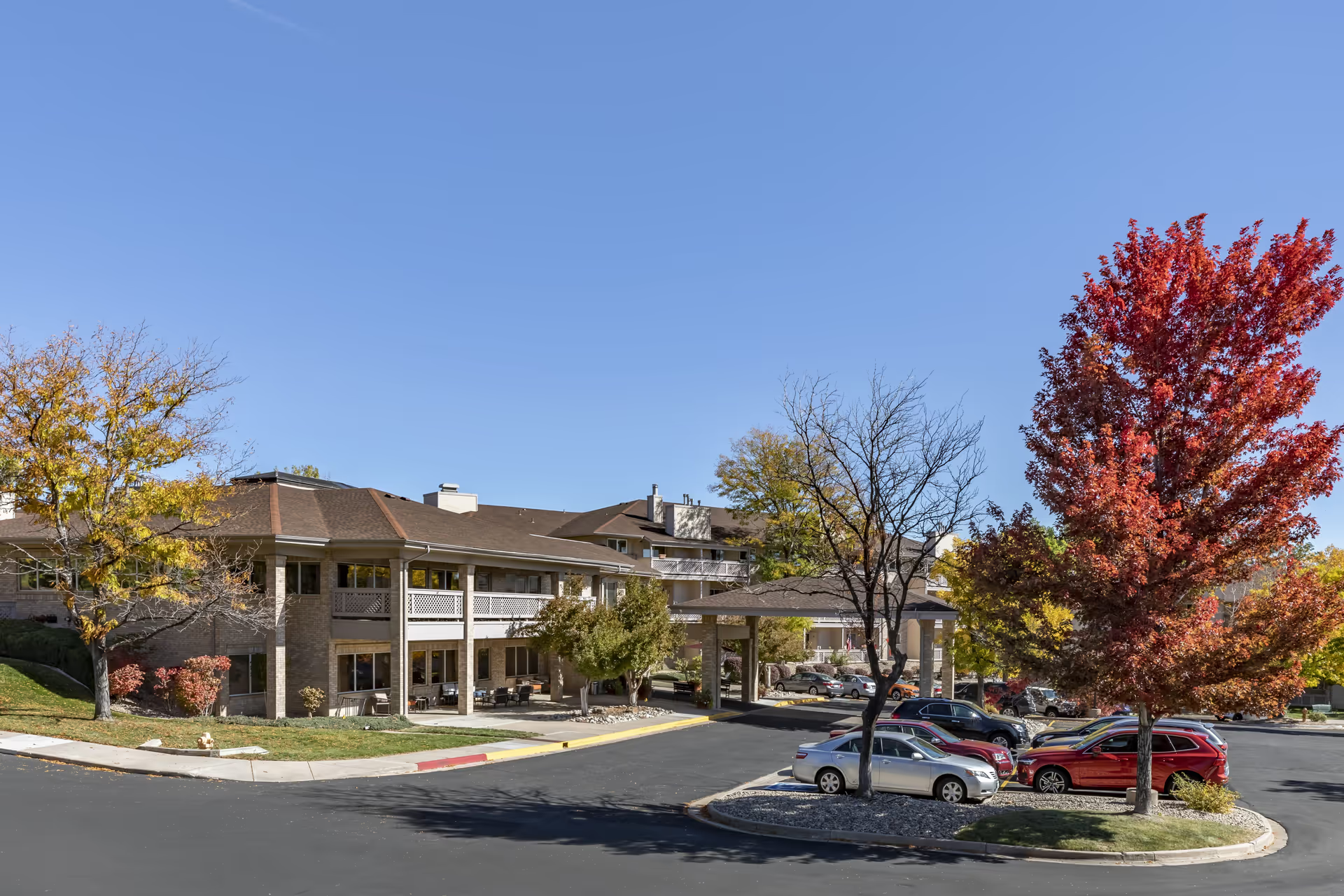
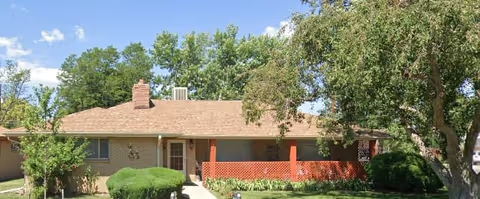
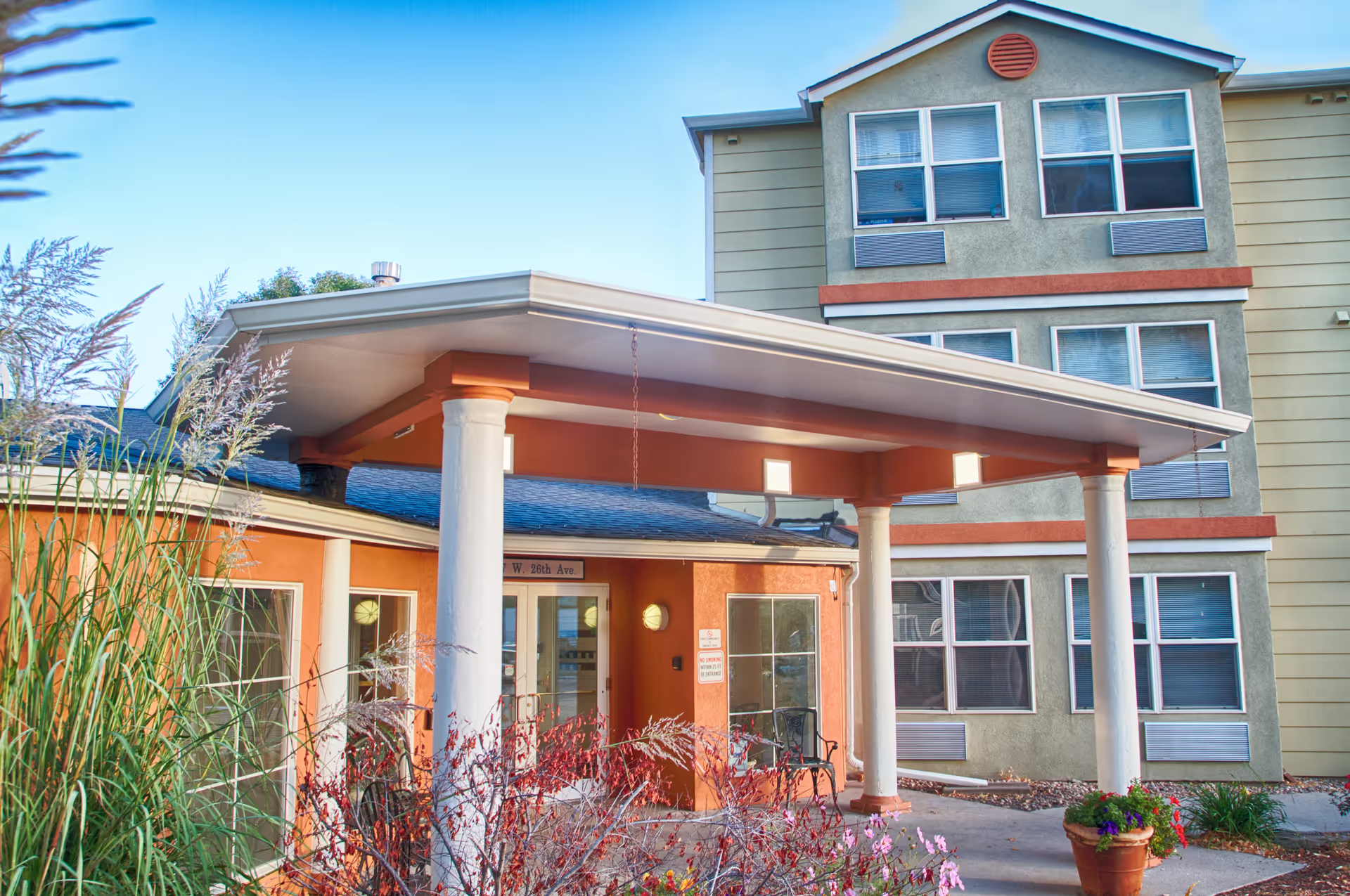
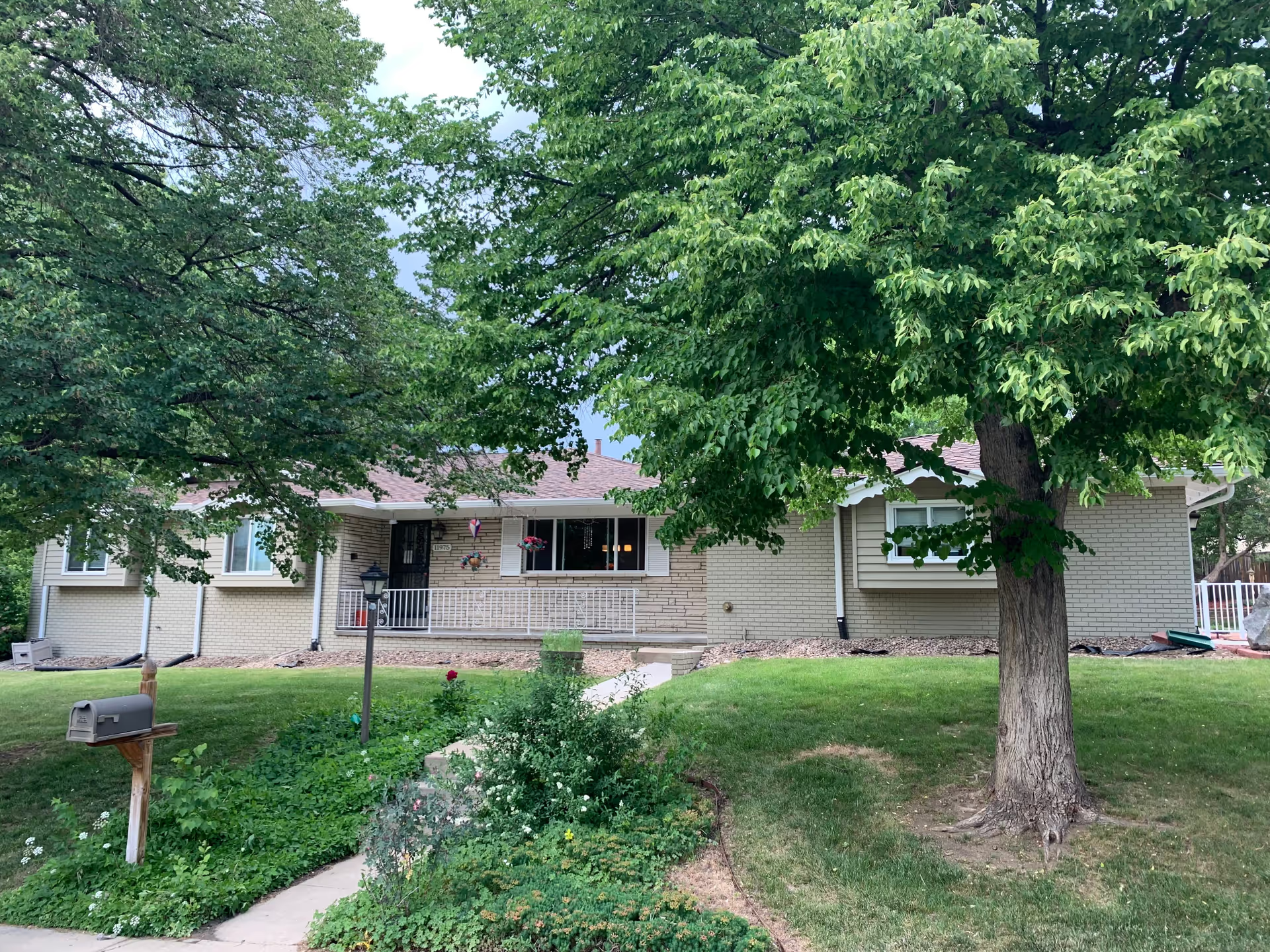
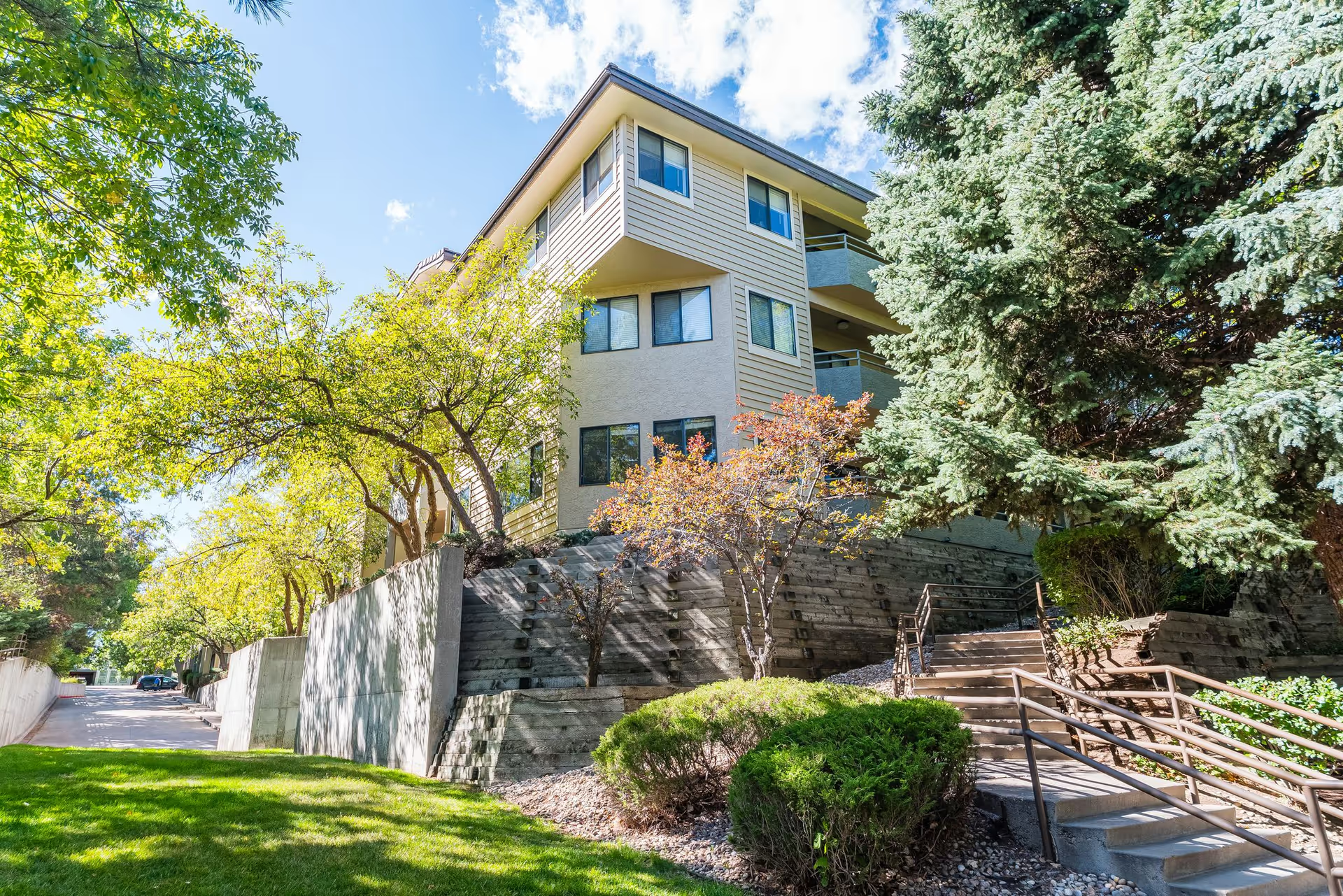
Overall impression: Gardens Care Senior Living – Homestead presents as a small, family-owned assisted living environment with a strong emphasis on a home-like atmosphere, renovated cottages, and a range of apartment and cottage layouts. Many families describe bright, well-kept rooms, outdoor greenery, and communal spaces that feel cozy and residential rather than institutional. The facility’s size and layout support a close-knit community with active programming and personalized move-in support.
Care and staff: The facility elicits contrasting impressions about care. Numerous accounts praise compassionate, attentive caregivers, first-rate one-on-one attention, and staff who are personable and supportive during declines in health and hospice transitions. At the same time, there are recurring operational concerns: inconsistent medication-management controls, irregular staffing levels and delayed response at times, and questions about the tone of staff communication. These patterns suggest variability in day-to-day clinical oversight and interpersonal interactions rather than a uniformly predictable standard of care.
Dining and activities: Dining and programming are frequently cited as strengths. Reviews point to homestyle meals, clean dining areas, and regular social offerings — crafts, themed events, entertainment, seasonal activities, and weekend tours. Families and residents commonly note that activities and meals help ease social isolation and contribute to residents’ overall well‑being.
Facilities and services: The physical plant is generally described positively: renovated cottages, clean common areas, bright rooms with views, and included ancillary services such as haircuts and podiatry. The small capacity supports individualized move-in assistance and room setup. Pricing is described as competitive, and many families appreciate the variety of housing formats available.
Management and notable patterns: Management impressions are mixed. Several reviewers commend a personable owner and administrative staff who facilitate smooth moves and communicate helpfully. However, other reviewers describe an inconsistent management culture characterized by shortcomings in accountability, transparency, and administrative responsiveness. Specific operational weaknesses noted across accounts include gaps in clinical-incident response and family communication, billing and refund delays, and limited formal nursing oversight. There is at least one serious allegation concerning clinical care that culminated in a resident death; families described shortcomings in how that incident and subsequent communications were handled. That allegation underscores the broader pattern of variable clinical oversight and inconsistent incident response.
Takeaway for families: Prospective residents and families should weigh the facility’s clear strengths — intimate, home-like setting; renovated cottages; active programming; and many reports of caring caregivers — against documented operational concerns related to clinical controls, staffing consistency, management transparency, and administrative processes. A recommended approach is an in-person tour focused on clinical oversight (nursing presence and medication protocols), staffing patterns for night and high-acuity situations, written policies on incident reporting and refunds, and direct conversations with current families about recent experiences to get a current sense of consistency.