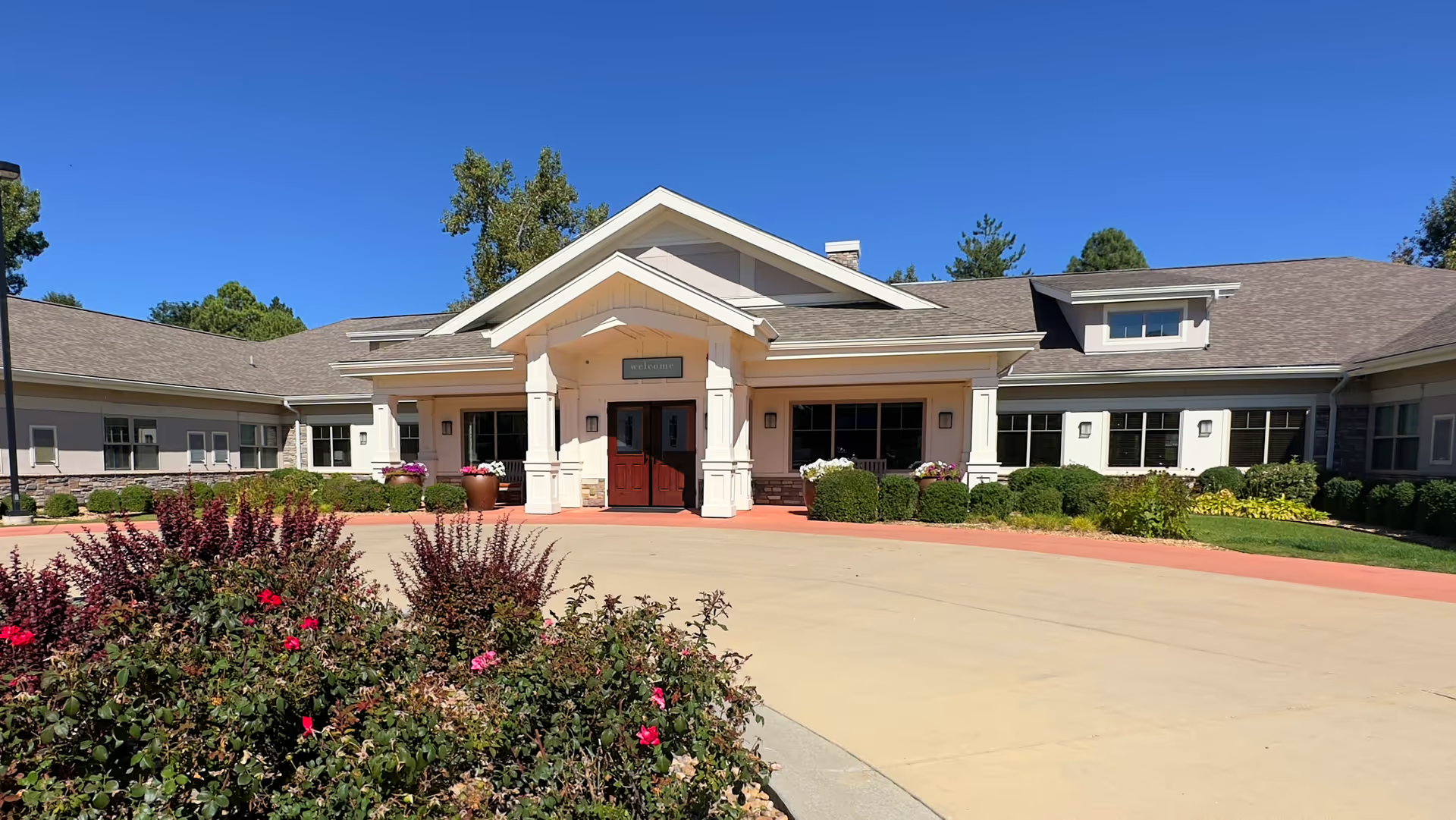
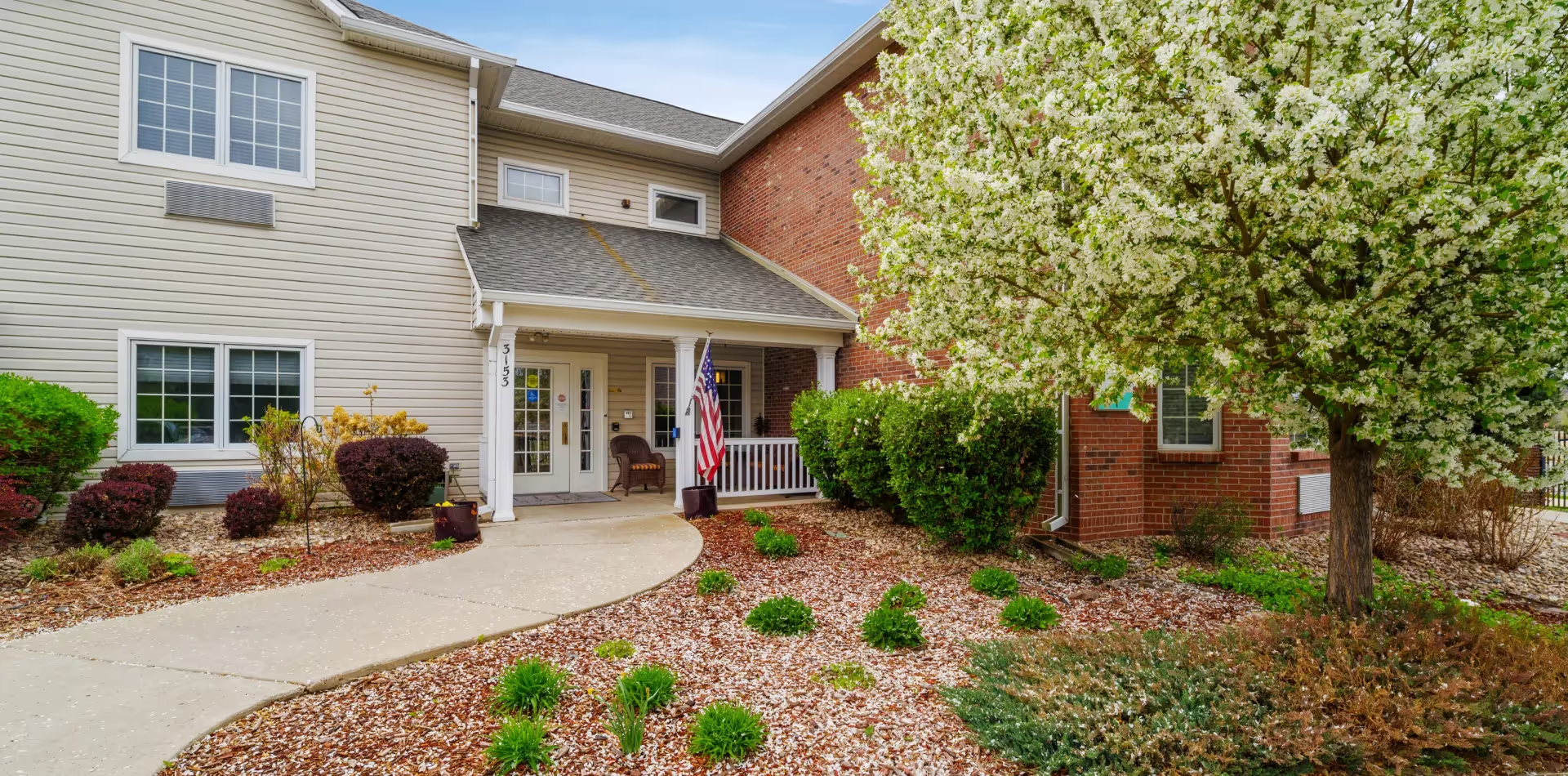
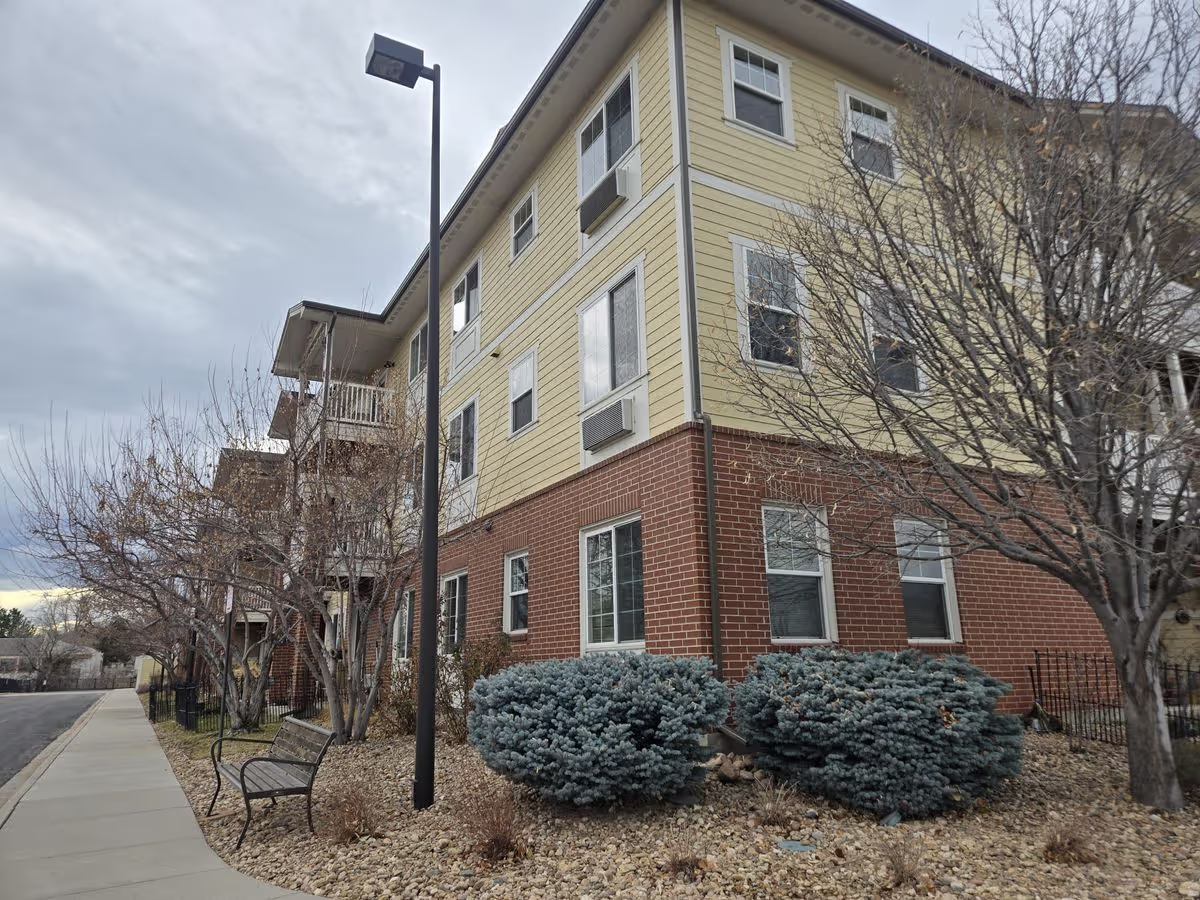
Villa Manor elicits a polarized set of experiences. Many families and residents describe warm, compassionate day-to-day care, especially from front-line nursing assistants and therapists, and they credit the facility with effective rehabilitation services that supported successful returns home. The therapy teams are repeatedly described as skilled and personable, and multiple accounts highlight positive therapeutic outcomes, strong resident–therapist relationships, and meaningful social programming that promotes mental and physical engagement. The building, private-room options, and many interior amenities are generally characterized as clean and well maintained, and several reviewers noted helpful administrative staff and responsive case-management support.
At the same time, there is a recurring pattern of operational weaknesses that prospective families should weigh. Staffing levels and coverage were described as inconsistent across shifts and departments; reviewers frequently reported delayed responses to call buttons and long wait times for assistance. These responsiveness issues are linked in some accounts to lapses in clinical-incident handling and follow-up, including concerns about infection management, catheter care, and timeliness of post-incident family communication. Several comments also describe variability in staff professionalism and tone, which can affect family interactions and perceived quality of care.
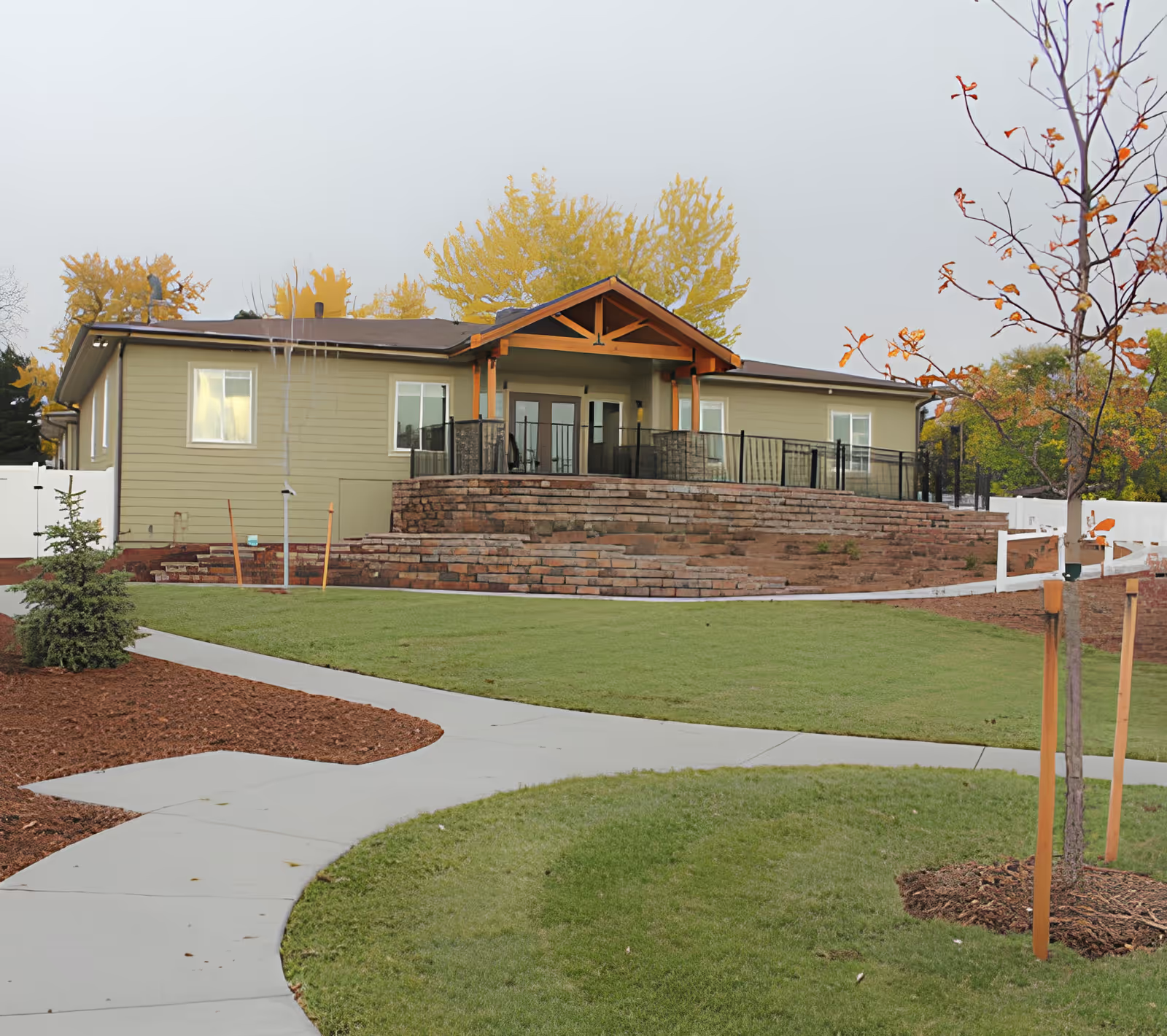
Dining and environmental observations are mixed. Many residents and families praised meals and timely service, while others reported inconsistent food quality and a lack of certain therapeutic-menu options (for example, low-sodium selections). Facility cleanliness and maintenance receive generally positive remarks in many reviews, but a number of reviewers raised sanitation and odor concerns in specific areas. Outdoor space is limited relative to indoor amenities.
Management and organizational themes are uneven. Some administrators and caseworkers are viewed as accessible and helpful; others were described as defensive or insufficiently responsive when families raised problems. There are indications of uneven staffing allocation between rehabilitation services and unit nursing, and occasional language- and cultural-accommodation gaps were noted. Finally, a subset of reviews raised serious clinical and safety concerns, including delayed incident response and adverse post-discharge outcomes; these reports suggest families should review clinical oversight processes, incident reporting, and care-transition procedures as part of their evaluation.
In sum, Villa Manor offers notable strengths in rehabilitation, therapy, approachable caregiving, and facility amenities, paired with operational challenges around staffing consistency, responsiveness, and management follow-through. Prospective residents and families would be well served by touring the unit(s) where their loved one would reside, speaking directly with therapy and nursing leadership about staffing and incident-handling protocols, and confirming menu and accommodation options relevant to clinical needs.