Feedback for WestLake Care Community is strongly mixed, with a consistent distinction between the quality of frontline caregiving and concerns about operational controls and management. Many families and residents describe compassionate, attentive nursing assistants, nurses, therapists, and support staff who contributed to successful rehabilitation, symptom management, and meaningful end-of-life support. Reviewers frequently praised specific staff members, noted positive interpersonal interactions, and described a family-like culture, celebratory activities, and effective therapy outcomes that helped residents regain independence.
Alongside those positives, there are recurring operational concerns. Several reviews point to inconsistent responsiveness to call bells and delays in attending to resident needs, which families experienced as lapses in routine care. Medication-administration practices were questioned in multiple accounts, including expectations that residents self-manage medications and errors or inconsistencies in medication handling — this indicates gaps in clinical processes and supervision. Cleanliness and odor control are uneven: some areas and units are described as clean and odor-free, while others raised sanitation and odor concerns.
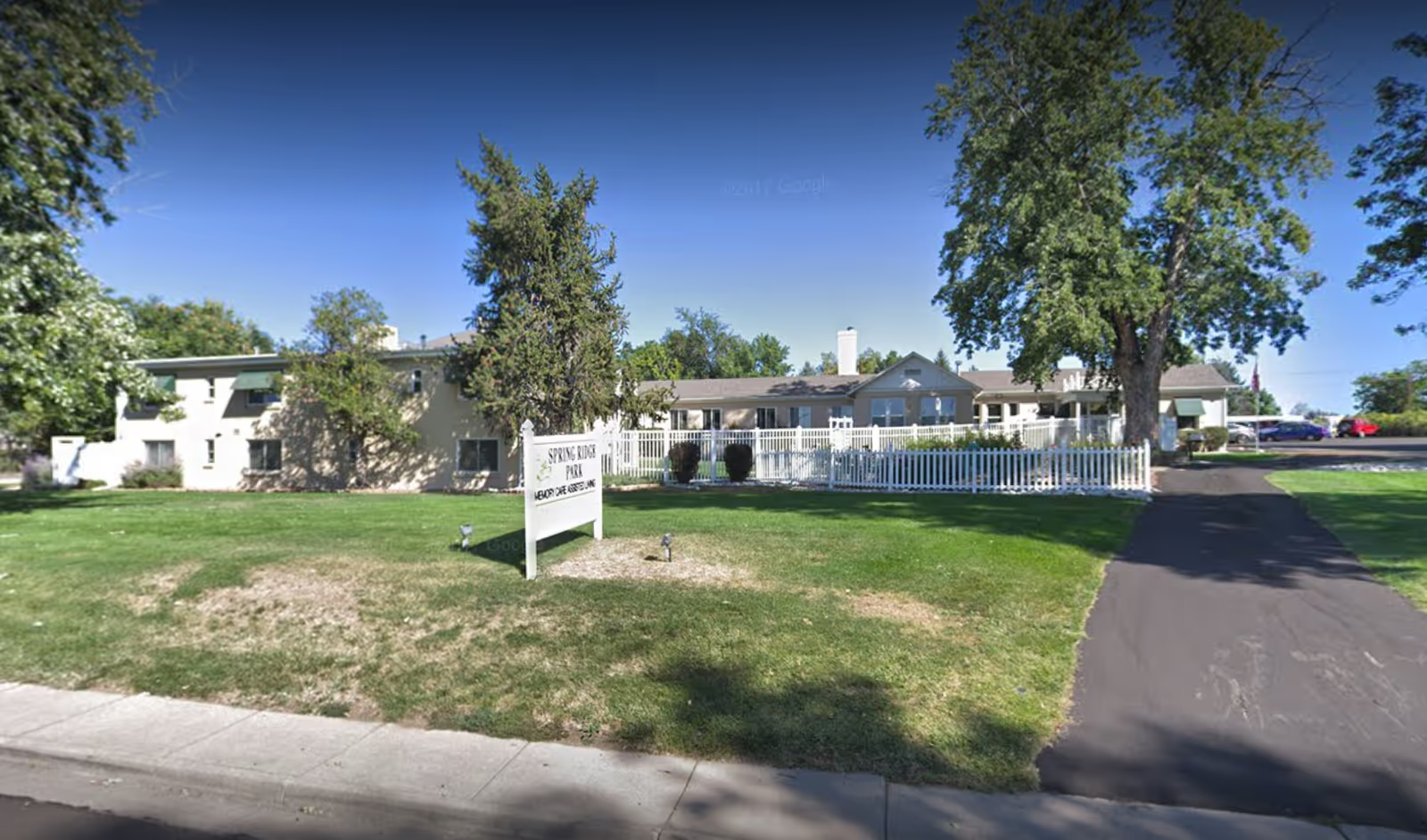
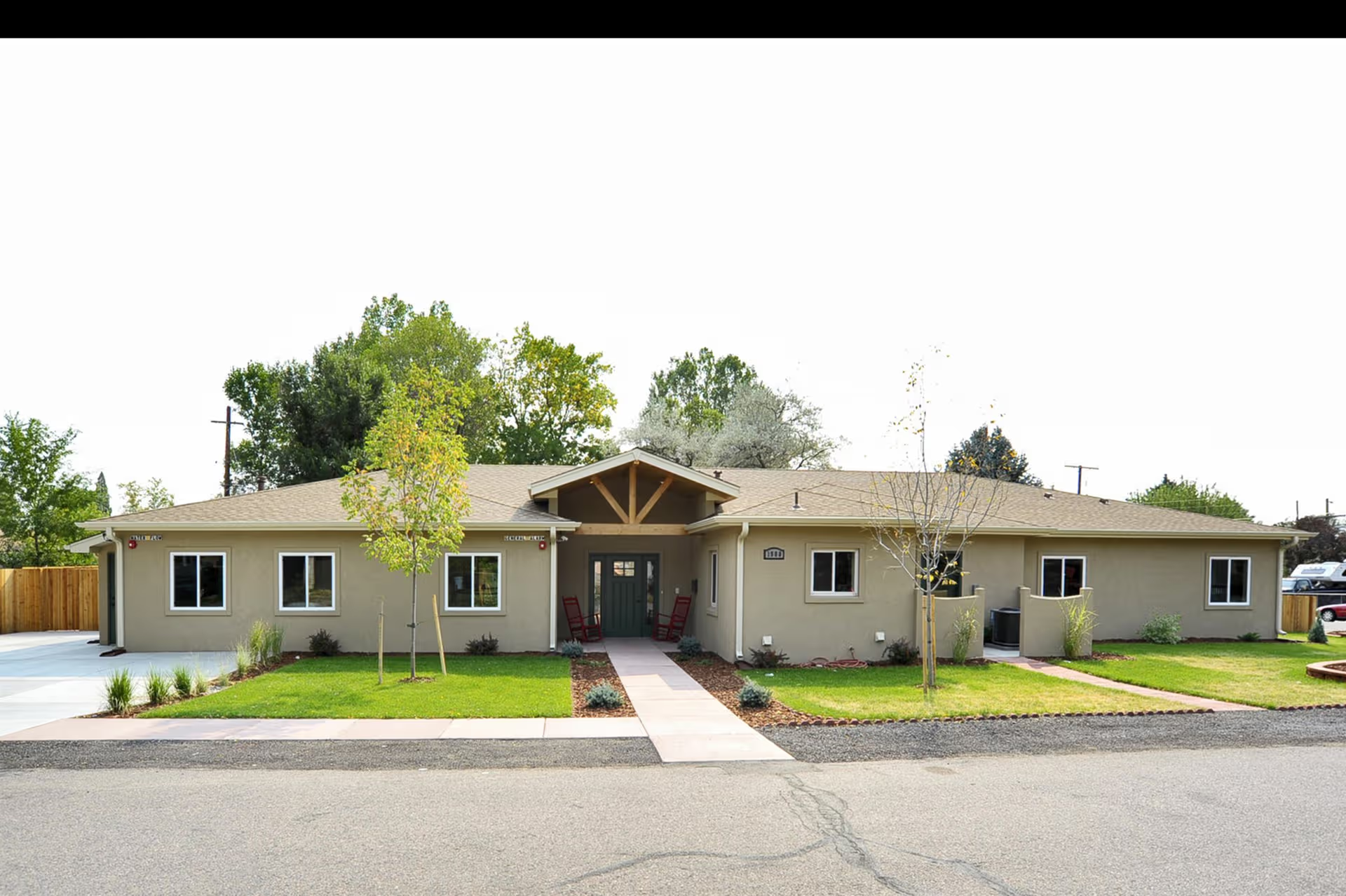
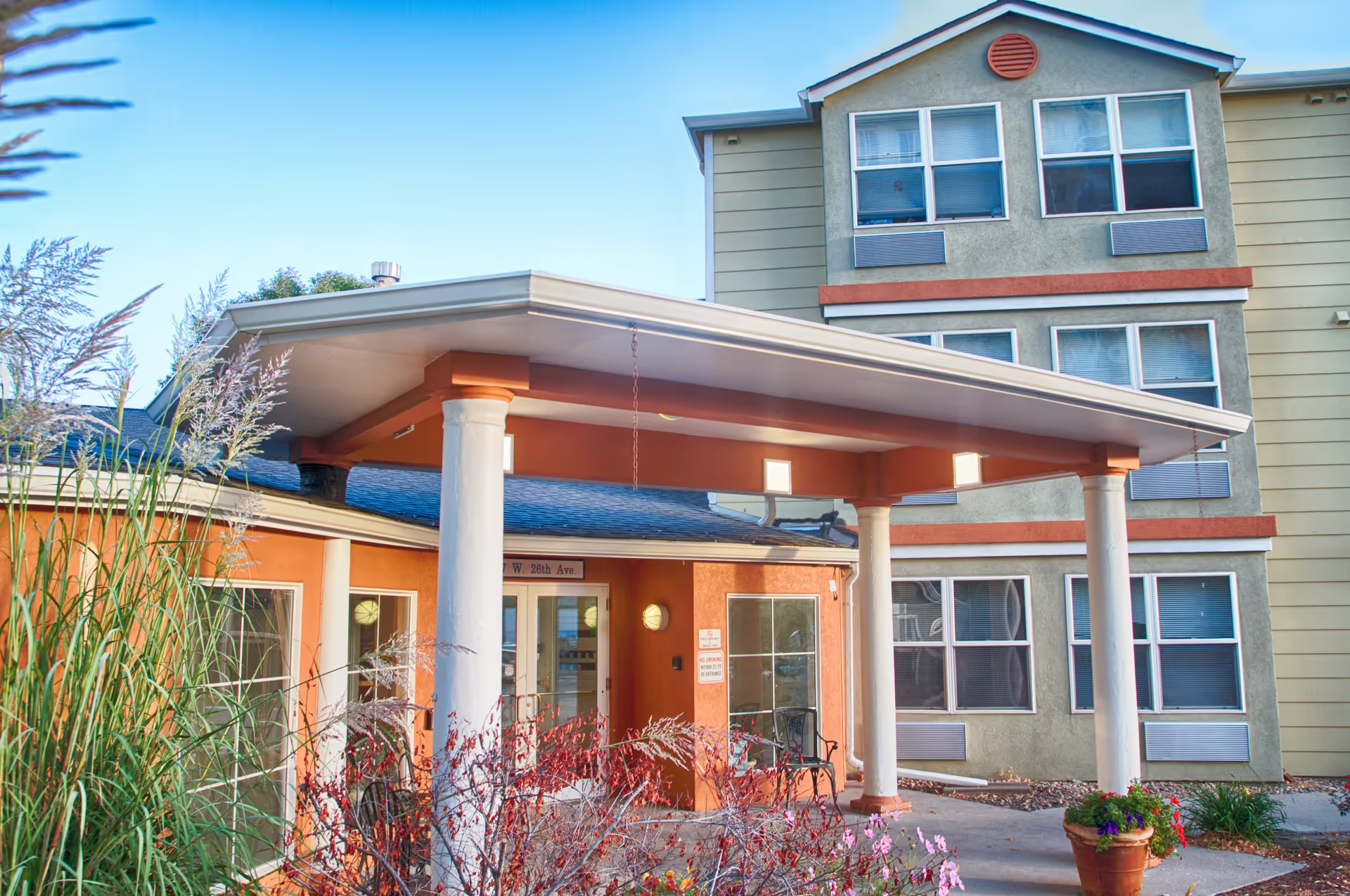
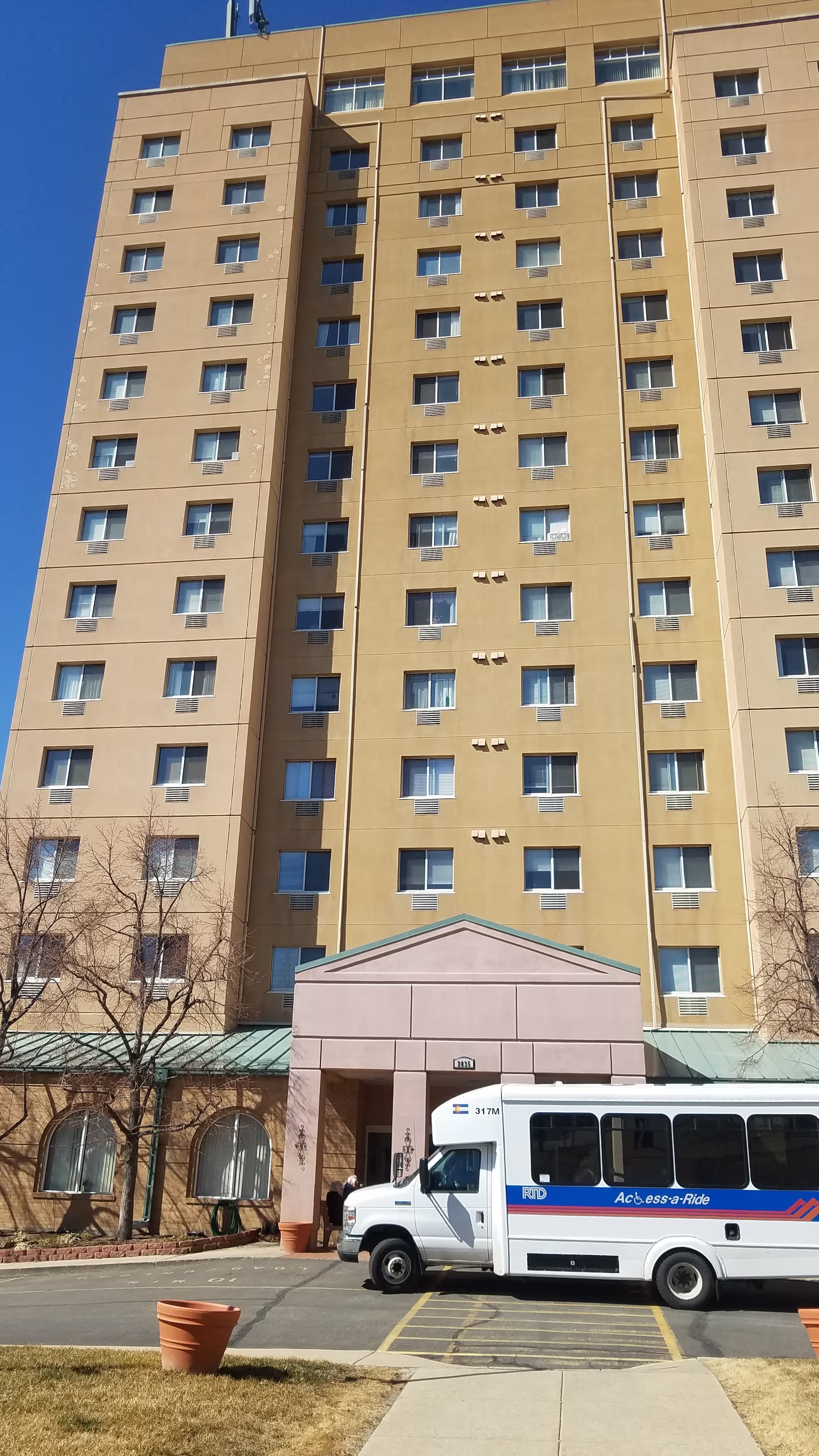
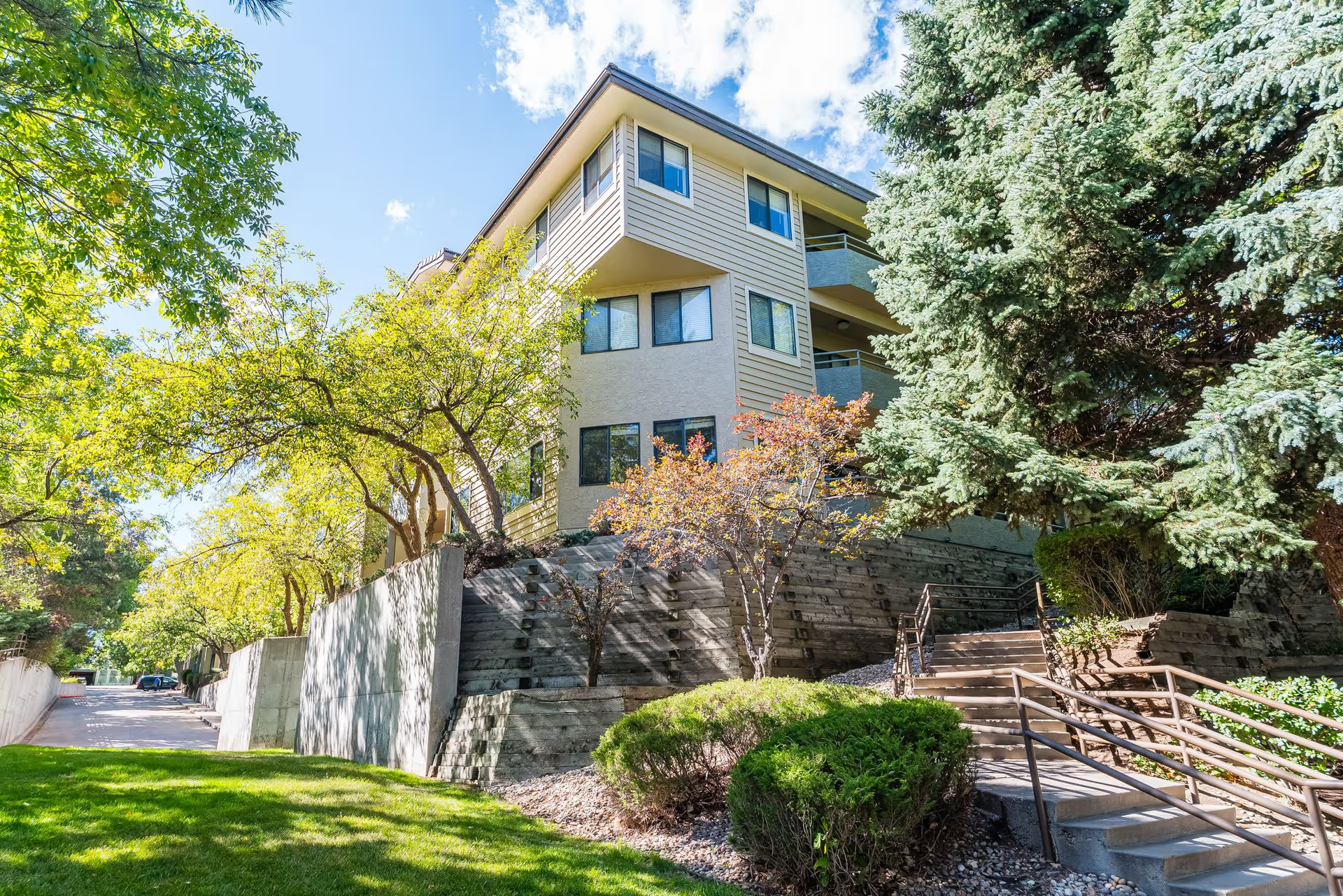
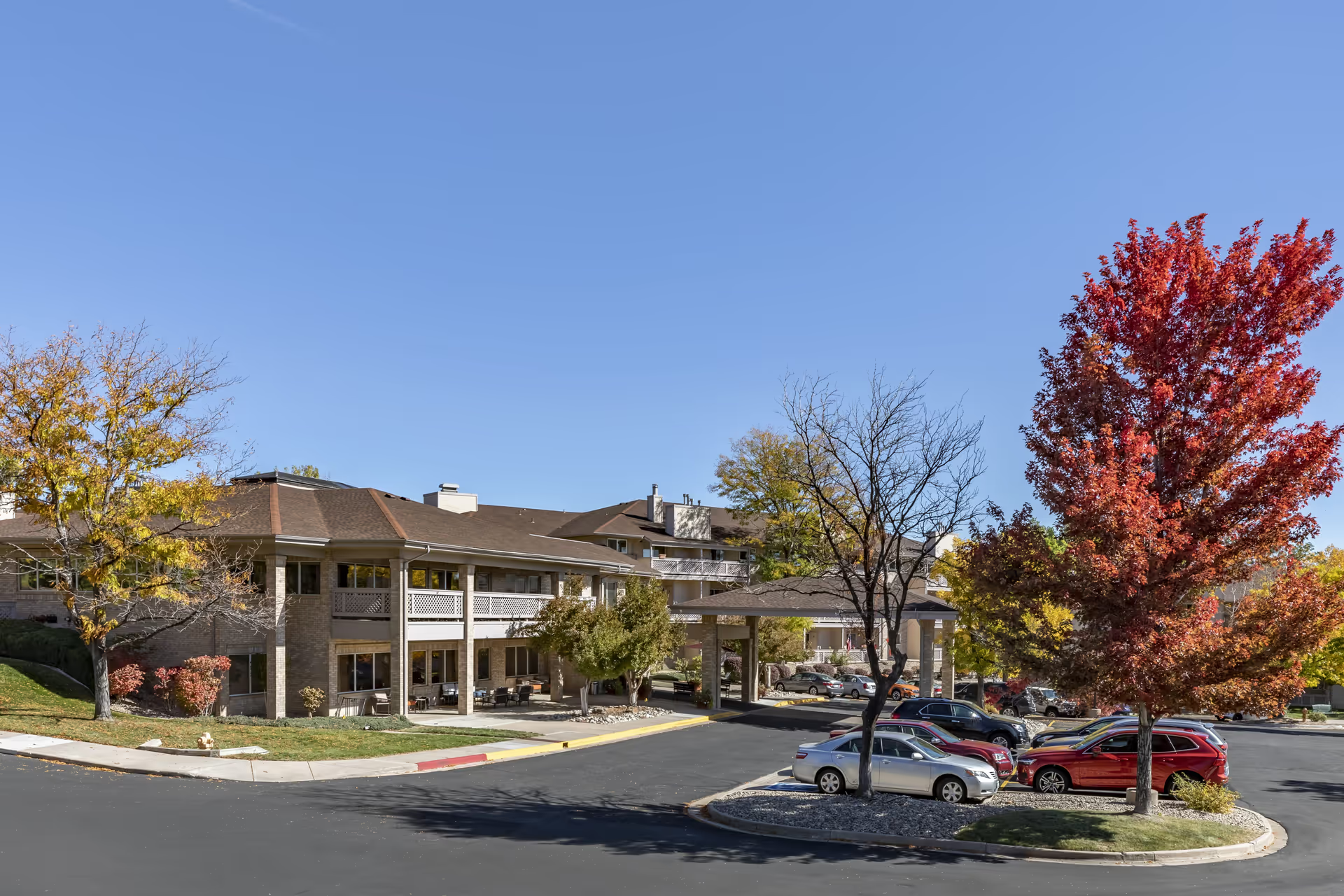
Dining and activities receive mixed evaluations. Some families praised the kitchen and cafeteria staff and noted enjoyable meals and social events; others felt the menu was limited, repetitive, and not always aligned with nutritional needs for older adults. Activities programming was characterized as present but sometimes repetitive. The physical plant appears to be an older facility undergoing renovation or relocation activity in places; this contributes to variability in the environment and occasional disruption.
Management and administrative practices are a notable area of divergence. Many frontline staff earn strong commendations, but administrative interactions are described as defensive or brusque in other accounts, with complaints about communication style and visitor treatment. There are serious procedural concerns raised about incident response and family notification following critical events, and there are isolated but serious allegations related to handling of personal property and actions after a resident’s death. Security and safety concerns — including neighborhood-safety perceptions and specific safety incidents — were also mentioned, suggesting a need for clearer safety protocols and incident escalation procedures.
Overall, WestLake appears to offer strong clinical and rehabilitative strengths through its caregiving teams, with an environment that some families find caring and effective. However, prospective residents and families should probe operational controls during a tour: ask about staffing levels and shift continuity, medication-administration protocols and oversight, incident reporting and family-notification procedures, property-management policies, current renovation plans and expected disruptions, and menu/nutrition planning. Those who prioritize warm, hands-on caregiving may find the facility's staff strengths compelling, while those prioritizing consistent administrative communication and robust operational controls should seek documented assurances and recent quality or regulatory information before making placement decisions.